Showing posts with label Socioeconomic. Show all posts

Friday, 29 October 2021

Are zero and low alcohol alternative drinks just a drop in the ocean when it comes to tackling the real harms of alcohol?

Posted by Professor Peter Anderson, Professor Eileen Kaner and Dr Amy O’Donnell, Newcastle University

We’ve come a long way since Becks Blue was your go-to if you were looking for an alcohol-free alternative to beer.

The drinks industry now caters for a growing number of adults who are looking to reduce their alcohol consumption, or not drink at all.
‘Sober-curious’ and ‘Quit-Lit’ are buzzwords of our time, and Sober October and Dry January are now firm calendar fixtures for many.

Supermarkets offer shelves full of zero alcohol gin, 0% craft beer, prosecco – and more. A non-alcoholic Cobra with your curry? No problem. Even Guinness now offers an alcohol-free version.

They’re all a great alternative if you want to reduce or stop drinking, especially if you still want to ‘feel’ like you’re having a drink.

But who is this helping?


Our latest research has found that you’re more likely to buy zero or low alcohol alternatives if you’re younger, you fall into a higher earning bracket and you’re well-educated.

And that’s probably unsurprising, given that non-alcoholic alternatives aren’t cheap - and can sometimes be more expensive than their ‘normal’ equivalents.

For example, at the time of writing, a UK supermarket was selling a litre of Gordon’s Gin (37.5% ABV) at £15.99 a litre, alongside the new 0.0% version at £20 a litre. So if you want to switch, you’re going to have to pay a bit more.

It’s a similar story when it comes to other health-related behaviours, such as eating good quality, fresh food or having a gym membership, where those who are more affluent will lead the way – possibly because they can simply afford to.

Which leads to further questions – are zero or low alcohol drinks only able to make a small difference when it comes to harmful levels of drinking across all groups, including those who are economically disadvantaged? And - does the price and accessibility of these alternatives create some inequality in itself?

Headline findings from our study – do low or no alcohol drinks increase health inequalities?


We wanted to find out whether the purchase and consumption of zero or low alcohol beers differs by demographic and socio-economic characteristics.

To do so, we looked at purchase data from almost 80,000 households and surveys from over 100,000 adults, provided by Kantar World Panel.

We found that zero alcohol beer was more likely to be bought and drunk by younger people and more socio-economically advantaged consumers.

We also saw higher purchase levels in those who generally bought and drank the most alcohol – and this was higher in men, younger adults, and those with higher incomes.

Households that were more likely to buy low alcohol beer were also heavier buyers of alcohol overall, and more likely to be middle-aged (45-64 years).

We also found that for every purchase of a low or no alcohol alternative, there were just under 46 purchases of the alcoholic equivalent – so buying and drinking levels of the low or no alcohol products are still relatively low.

Proportion (%) of households that reported at least one purchase of zero alcohol beer (green, left vertical axis), low alcohol beer (orange, left vertical axis) and all other beer (red, right vertical axis) for any day that a household made an alcohol purchase by study day, 2015 to 2020. Data points: daily.


What does this mean?


The increasing availability of low or no alcohol alternatives might be a useful tool to reduce overall drinking in the more socially advantaged groups in society, but not so beneficial for the rest of the population.

Zero or low alcohol alternatives are great if you can afford them, but they’re not the whole answer when it comes to addressing the real issues around drinking alcohol – including some of the deeper and wider reasons that drive people to drink so much in the first place, the ready availability of alcohol, and its relatively low price.

In conclusion, we believe that promoting zero and low alcohol alternatives is not enough to address the harm done by alcohol, including alcohol-related health inequalities.

Additional evidence-based policy measures - such as a Minimum Unit Price and improved funding for alcohol treatment and intervention and prevention services - are needed to lessen harms of alcohol which are experienced by the most disadvantaged people in our society.


References

This blog is based on a paper published in September 2021 in the International Journal of Environmental Research and Public Health- ‘Is buying and drinking zero and low alcohol beer a higher socio-economic phenomenon? Analysis of British survey data, 2015-2018 and household purchase data 2015-2020.’ – by Peter Anderson, Amy O’Donnell, Dasa Kokole, Eva Jane Llopis, Eileen Kaner.

Professor Eileen Kaner, Professor Peter Anderson and Dr Amy O’Donnell are based at Newcastle University and members of the NIHR ARC North East and North Cumbria. This blog was produced by the NIHR ARC North East and North Cumbria on behalf of the report authors.

You can read the full paper, here.

Other linked research that may be useful for readers:

Friday, 2 July 2021

Intersectionality: buzzword or key to tackling health inequalities?

Posted by Dr Daniel Holman, Professor Sarah Salway, Dr Andrew Bell, University of Sheffield

Intersectionality – the idea that multiple axes of inequality overlap and interact – arguably holds great potential to understand and tackle health inequalities. But what do researchers and those working in policy and practice in this area actually think about the approach? What do they see as the key challenges and opportunities? We held a professional stakeholder workshop and consultation survey to find out. Our findings indicated a ‘cautiously optimistic’ view of an intersectional health perspective.

A growing interest in intersectionality and health

Intersectionality is currently something of a buzzword. A search of the scientific literature reveals an explosion in interest, with an eight-fold increase in papers mentioning the term in the last ten years, and a twenty-fold increase for those mentioning both ‘intersectionality’ and ‘health’:

Figure 1 - SCOPUS documents mentioning both 'intersectionality' and 'health' in title, abstract or keywords


The interest in applying intersectionality to health research, and specifically health inequalities research, has now also been fuelled by the pandemic. Ethnicity, deprivation, and age strongly influence Covid-19 outcomes. Calls for intersectional analysis of Covid-19 have now been published in BMJ Global Health and The Lancet.

Yet recent events have indicated significant political barriers. The Sewell Report essentially explained away ethnic health inequalities with reference to socioeconomic factors – anathema to intersectionality – and last year the UK Government declared itself ‘unequivocally against’ Critical Race Theory (within which intersectionality is rooted).

Further, policy-making is a process of dialogue, negotiation and ‘knowledge interaction’, with power relationships, varied sources of ‘evidence’ and competing drivers clearly at play. So, we should not expect the concept to straightforwardly impact how health inequalities are understood and addressed.

Theory vs. practice

In theory, intersectionality offers a critical, innovative approach for understanding and tackling diverse health inequalities. It essentially concerns the power structures and processes that drive these inequalities, and seeks to highlight how unjust systems of discrimination such as racism, sexism and classism operate in tandem to result in unequal, unfair life chances. The animation video below gives an overview of the approach:


Putting intersectionality to work entails a number of practical challenges. Many of our participants thought the term sounded like just another buzzword, questioning what it adds. Concerns were raised about the complexity of intersectionality both as a conceptual and methodological framework. For resource-strapped public health teams this was felt to be a particular barrier. Complexity can sometimes inhibit action because policy making processes support simplicity and certainty.

Methodologically, intersectionality includes a danger of over-disaggregation. Working with finer and finer categories to produce a granular picture of inequalities risks losing sight of the processes of disadvantage that impact across groups of people. Questions were also raised over how we can reveal mechanisms including discrimination, use mixed methods and participatory approaches, include marginalised populations, and access large, high quality datasets that intersectional analyses might require.

How might intersectionality actually be implemented? We asked respondents to consider two suggestions

First was the idea of using intersectionality to target and tailor interventions and policies. This raised numerous concerns that it potentially takes focus away from structural changes; assumes that all those in a particular intersection are the same; excludes those who do not fall into the targeted category, and; reinforces deficit and stigmatising narratives. Nonetheless, respondents thought that targeting could have value if marginalised groups were included in the process. They also suggested that geography should be considered when targeting as it is a key aspect of social context.

Second was the idea of monitoring and evaluating the impact of policies and programmes on different sub-groups. This approach was more popular, with participants keen to be able to demonstrate differential and unanticipated outcomes of initiatives. Again, the importance of meaningful engagement of marginalised groups and careful attention to understanding mechanisms, were highlighted.

What is the way forward? Our participants emphasised some key principles and points of action:
  • Ensure a clear focus on systems of social discrimination and how they structure access to power, resources and life chances, especially via social institutions (such as schools).
  • Wherever appropriate, participatory and co-productive approaches - entailing more equitable knowledge-production – should be used.
  • Carefully consider complexity; arguably intersectionality’s biggest asset and challenge. What constitutes the right level of complexity and in which context? Trade-offs are inevitable.
  • Develop clear methodological guidelines, possibly in the form of a toolkit, to help with implementing intersectionality, especially for non-academics with limited research resources.
  • Big datasets with well measured social variables are essential.
Intersectionality holds much promise. It has the potential to help ensure that those experiencing multiple discrimination are not further disadvantaged by the Covid recovery phase. Acknowledging and addressing potential pitfalls and limitations of the approach is therefore crucial. Marginalised populations, researchers, policy and practice professionals all need to be part of the conversation.

To read more about the project from which this research originated, please take a look at the project website: http://intersectionalhealth.org

Friday, 28 May 2021

What came first, food insecurity or severe mental illness?

Posted by Heidi Stevens, Research Associate, Teesside University, and Jo Smith, Consultant Dietitian and Clinical Academic, Tees, Esk and Wear Valleys NHS Foundation Trust 

Well before the current COVID-19 pandemic hit our shores, it was already apparent that food insecurity was an emerging issue in the UK. In 2014, the Children’s Society presented evidence to an All-Party Parliamentary Group (APPG) to raise awareness of the issue. Four years later after a visit to the UK, Special UN Rapporteur Sir Phillip Alston highlighted the increase of people depending on foodbanks across the UK. Despite these high-profile reviews of the evidence, it has taken a pandemic and the persistent efforts of a professional footballer to thrust the circumstances of food insecurity in children firmly into the spotlight. 

Marcus Rashford has led campaigns to end child food poverty over the course of the pandemic


While the issues around food insecurity and the longer-term detrimental implications of this for children are now well documented, the implications of food insecurity in other vulnerable groups have been seldom considered. Research has documented the effects of food insecurity on mental health, but less is known about the impact of food insecurity specifically on those with existing severe mental illnesses (SMI) (ie. bipolar disorder and schizoaffective disorders). For example, research has shown that people with a mental health diagnosis face an income gap as high as £8,400 per year compared to the general population. Additionally, almost 25% of food banks have reported an increase in the number of people with mental health conditions accessing them. However, this does not distinguish between mental health conditions and severe mental illness which can be complex to manage often impacting every aspect of a person’s daily life.

Public health guidelines encourage a balanced diet, for a healthy lifestyle. But when faced with financial constraints, food purchases are often restricted to poorer quality foods which are more accessible on lower budgets. Research by Jones et al. (2014) found an average price disparity of £2.50 per 1000kcal of less healthy food products versus £7.49 for more healthy food products. The study classified food products in their data set (basket of food) according to the Eatwell Guide to include carbohydrates (bread, pasta), fruit and vegetables, dairy, protein (meat, beans) and high fat/sugary foods.

Cheaper foods may often be high in salt, saturated fat and/or sugar, the effects of which on long-term health are well documented. However, for people with SMI there are also additional health risks because they may already be at risk of weight gain due to psychiatric medication. Additionally, for those taking prescribed lithium for bipolar disorder, too much salt in a diet can be very dangerous.

UN Sustainable Development Goal 2.1 ‘Zero Hunger’ challenges us to ensure access to nutritious and sufficient food for everyone but in particular poorer people and those in vulnerable positions. This certainly will not happen until we take a “Marcus Rashford approach” and use the current impetus from the COVID crisis to highlight the issue of food insecurity in other vulnerable groups of people, such as those with SMI. The syndemic nature of having severe mental illness in conjunction with food insecurity means these two factors may interact to further marginalise and disempower people with SMI and yet this remains an under-researched area worldwide. This potentially leads to food insecurity in those with severe mental illness being under-managed and under-supported in mental health practice. In order to achieve parity of esteem between physical and mental health it is essential that we understand the issues relating to food insecurity in this population group.

To this end, we are currently working on research aiming to assess the prevalence of food insecurity in adults with a diagnosis of SMI and explore their experiences for better understanding and increased exposure to the issues they face. Preliminary findings of our review of the available research on this topic (a systematic review) show a lack of targeted measurement for this group of people who are sometimes included as part of wider studies. The issue of cause and effect (or causality) is also often referred to; what came first, food insecurity or SMI? We hope our overall findings later this year will provide an overall picture of food insecurity in people with severe mental illness and potentially a basis for affirmative action.


Supporting authors: Lauren Bussey, Emma Giles and Amelia Lake from the School of Health and Life Science, Teesside University.


Image: 'Rashford Mural' by Rathfelder via Wikipedia, copyright © 2020: https://en.wikipedia.org/wiki/File:Rashford_Mural.jpg (CC0 1.0)

Friday, 23 October 2020

Can your education, income or even your job affect your chances of receiving newer cancer treatments?

Posted by Ruth Norris, PhD Researcher, Newcastle University

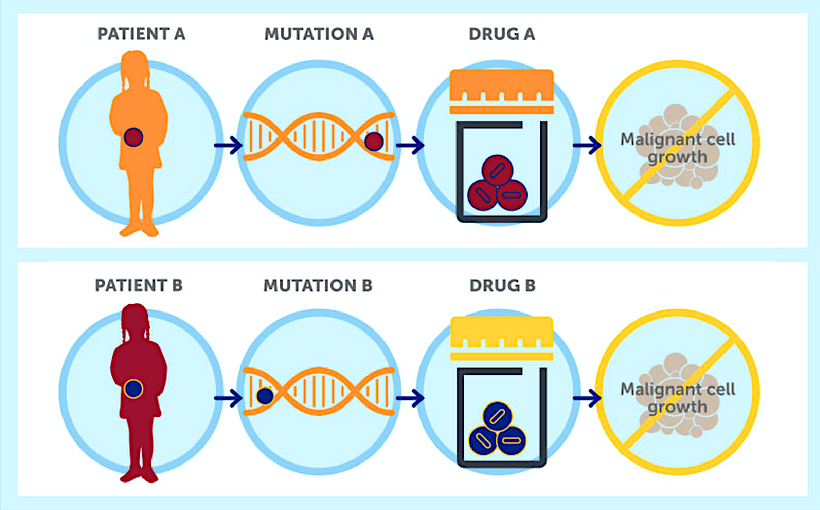
The way we treat cancer is rapidly changing. We know that individual cancers cause different genetic changes and that new drugs targeting these differences could help improve treatment. This approach is known as precision medicine. In addition, there are treatments using the immune system to attack the cancer, known as immunotherapy. The number of these new treatments have grown hugely over the past few years. In 2018 alone, they accounted for over 90% of the new cancer drugs being developed. These new treatments are also often associated with hefty price tags. For example, immunotherapy as a course of treatment for advanced lung cancer, can cost over £80,000.


Used alongside these new treatments are specific biomarker tests, which help determine if the cancer is likely to respond to these drugs. Doctors use this information to guide decision making so that in theory, the right patients, who will benefit the most from these drugs, receive them. Without biomarker testing it may be impossible to access these drugs or use them appropriately. 

Sounds great, so what’s the catch?

Unfortunately, we know with traditional cancer treatments (surgery, chemotherapy and radiotherapy), that access is not always decided based on the patients’ needs. There are many complex reasons why this might be - and having a lower socio-economic status is one of them. Socio-economic status means your individual or family’s social and economic standing relative to others. It is measured using factors such as income, education and your job. Socio-economic reasons may impact the number of other health conditions a patient has, their ability to request help or even the conversation they have with a doctor. All of which can affect the treatments they receive and the outcomes from therapy. What we don’t know yet is whether the socio-economic differences we see in traditional cancer treatments are also seen with both biomarker testing and the delivery of precision medicines and immunotherapies described above.

Why is this work important?

The NHS was set up on the idea that treatment should be provided to all on the basis of clinical need. We don’t expect that our level of education, the amount of money in our bank accounts or the power associated with our jobs will affect our access to treatment compared to another patient diagnosed with the same cancer at the same stage and with the same prognosis. Yet if these newer treatments can improve cancer outcomes (for example by increasing tumour responses, minimising side effects and improving survival), socio-economic status should not be a factor in determining access. We already know that socio-economic differences are present in cancer survival, but this could be exacerbated if patients with lower socio-economic status are restricted from biomarker testing and access to new therapies, so we need to assess the size of this problem (if any).

What did we do about it?

To investigate this question, we carried out a new systematic review (reviewing the available high quality research evidence) using 58 previous studies showing information on over 1 million patients. Newer cancer drug access was compared between patients with a low to a high socio-economic status. The review looked at 7 cancers, 5 biomarker tests and 11 cancer therapies. The evidence showed that patients with a lower socio-economic status were 17% less likely to receive newer cancer treatments when compared to those patients with a higher socio-economic status. However, the strength of these differences did vary with cancer type, and were clearest in lung cancer. Similar differences were also seen in access to biomarker testing (often seen as a precondition for new cancer drug access).

Can we trust this evidence?

As 42 of the 58 studies were from the USA, more work is needed using UK data to see if similar patterns are observed here. Also, as studies used different measures of socio-economic status (i.e. some income, others education etc.), we need to be careful making conclusions in case the choice of measure used affects the strength of the findings.

What next?

Our review shows that we need more research questioning why factors such as income and education could still be affecting treatment access when clinical decisions should be guided by the patient and tumour genetics. It is important that whilst continuing the important research in developing new precision medicine and immunotherapies, we work to ensure fair access to all patients regardless of socio-economic differences.

Take home points
  • Cancer treatment is now guided by genetics and new cancer drugs can help personalise care.
  • Having a low socio-economic status can reduce the likelihood of receiving a newer cancer drug and the test linked to your eligibility for the new drug. 
  • We need more UK based research to investigate these differences, to ensure fair access and reduce differences in cancer outcomes.

Friday, 20 July 2018

How can governments reduce health inequalities in high-income countries?

Guest post by Dr Katie Thomson, Institute of Health and Society, Newcastle University

In recent months, there have been high profile stories of how governments can influence public health. The Scottish minimum unit price for alcohol introduced on the 1 May 2018, and more recently the publication of Chapter 2 of the Government’s Childhood Obesity Plan. This update proposed measures to address children’s exposure to junk food advertising on television and online, and called for a ban of price promotions on products that are high in fat, salt or sugar.

20mph zones were shown to increase inequalities in cycle accidents and
 rates of death between more and less deprived neighbourhoods

Such policies have great potential to improve public health, by shifting the distribution of health risk and addressing the underlying social, economic and environmental conditions (Hawe and Potvin, 2009)1. However, it is imperative to understand the impact of these policies on health across the entire social gradient. Thereby ensuring the most marginalised, are not adversely effected by policies which aim to improve health overall.

I have been part of a group of academics which recently completed an umbrella systematic review (‘review of reviews’) which aimed to understand the effects of public health policies in high-income countries. You can read about the research in a handy two-page Fuse research brief. As part of the Health inequalities in European welfare states (HiNews) project, we found evidence of 29 reviews (comprising 150 unique primary studies) which detailed the evidence of how fiscal (government revenue), regulatory, education, preventative treatment and screening approaches can be used by governments to influence health inequalities across eight key domains.

Conceptual framework of population-level preventative public health policies to reduce health inequalities
Our review highlighted 13 key interventions which were demonstrated to reduce health inequalities. These include taxes on unhealthy food and drinks; food subsidy programmes for low-income families; incentive schemes linked to immunisation status; proof of immunisation for school admission; tobacco advertising control measures; traffic calming measures; oral health (water fluoridation and tooth brushing campaigns); some nutritional and cancer education programmes; universal and targeted vaccinations for indigenous populations; and targeted and population screening interventions.

Worryingly, we also found evidence of interventions that were shown to increase health inequalities – potentially leading to so-called 'intervention generated inequalities’ (Lorenc et al., 2013)2. For instance, lowering alcohol tax by 33% was shown to increase inequalities in rates of death amongst disadvantaged groups in Finland. Environmental interventions, including 20mph and low emission zones, were also shown to increase inequalities in cycle accidents and rates of death between more and less deprived neighbourhoods.

Our research also demonstrates that for some potentially important interventions, such as for policies to control alcohol, there is a lack of robust evaluations highlighting the effects on different groups of people.

Given the volume of literature we found on the effects of government-led policies on health overall, it was disappointing that we could only identify 29 reviews that reported data on health inequalities. Going forward, those tasked with evaluating such policies must report how health outcomes differ for specific interventions by subgroup as standard. Furthermore, reviews should incorporate sufficient information on how the intervention was implemented and enforced to be useful for policy makers thinking of adopting such approaches. We also found many of the reviews and their primary studies were US-based, which could potentially limit the transferability of interventions from one country to another.

Undertaking a systematic review is not without its challenges. When published, the article reads like a definitive narrative when in reality it comprises a multitude of subjectivities – which reviews to include? Which primary studies are relevant? Which outcomes are most appropriate? And how to summarise the state of evidence in a particular field given multiple studies/reviews? The methodology is designed to be systematic, but as it uses human interpretation there is always an element of judgement. Umbrella reviews assess the state of the evidence across a wide area of interest, and are therefore worth the blood, sweat and tears which goes into producing them.

Upstream public health interventions involving state or institutional control offer great hope to improve health for all. However, a comprehensive understanding on the effects of different interventions is a necessary first step to ensure policies have an equitable benefit for all members of society and therefore are worthy tools at the disposal of governments tasked with improving health.


The Health inequalities in European welfare states (HiNews) project is a collaboration between the universities of Newcastle, York, Trondheim, Siegen and Harvard and funded by the New Opportunities for Research Funding Agency Cooperation in Europe (NORFACE).

References:
  1. Hawe, P., Potvin, L., 2009. What is population health intervention research? 100, I8-I14.
  2. Lorenc, T., Petticrew, M., Welch, V., Tugwell, P., 2013. What types of interventions generate inequalities? Evidence from systematic reviews. Journal of Epidemiology and Community Health 67, 190-193.
Photo: © Albert Bridge (cc-by-sa/2.0)

Thursday, 1 December 2016

The biology of inequality and the role of the generalist

Guest post by Tony Robertson, Lecturer in Public Health, University of Stirling

My research focuses on trying to better understand how our cultural, social and economic circumstances ‘get under the skin’ to impact on our physiological systems and influence our health and the development of disease. The emergence of this field investigating the social-to-biological transition has grown over the last twenty years with the increased availability of biological measures biomarkers in many of the large, population-based health and social surveys such as Understanding Society and the English and Scottish Health Surveys. This growth in collecting simultaneous biological and social data, longitudinally (repeatedly over a period of time from the same individuals) and across the life course, is key if we are to continue to advance our knowledge of the biological and health impacts of our environments and society. So far, much of the evidence is based on cross-sectional data (data collected at only one point in time, rather than repeatedly) or where we have biomarkers measured once, but with repeat social data for the same individuals over a number of years. However, studies such as Understanding Society are beginning to provide us with biological measures from the same individuals measured over several years. This type of longitudinal data will help us to better understand how our bodies change over time and the relative importance of different stages of our lives (for example, childhood versus young adulthood).

The increase in data linkage to routinely collected data records (e.g. education surveys linked to health records) is also allowing us to research the long-term health consequences of social and economic circumstances, even after studies and surveys have stopped running. It may also be possible in the future to carry out such linkage between health and social data with biomarker data, collected when visiting your doctor for example. There are obviously many ethical, financial and practical challenges and questions linked to these types of data linkage ideas, but they offer possibilities to broaden our knowledge of the social determinants of health. It is also becoming slightly more common to see intervention studies including biomarker measures that will allow us to see the physiological effects that will be occurring long before we ‘feel’ or see changes in health, perhaps changing how we can demonstrate ‘effectiveness’.

Public health and social epidemiology are often multidisciplinary pursuits, or at least many of us arrive working in these fields from multiple academic and professional backgrounds. However, there remains a need for greater cross-discipline collaborations to help us better study the links between our social, cultural, environmental and political circumstances and our wellbeing, health and physiology. I am keen to see more biologists, epidemiologists, social scientists, statisticians etc. work together on these projects. I trained as a biologist up to and including PhD-level before moving into public health and social epidemiology. One of the key roles I now fulfil (and enjoy) is acting like a match-maker, and sometimes a translator, for lab scientists and social and public health scientists to come together to work on research projects. This type of role is becoming ever more common, especially in public health where we need a mix of specialists and more of these generalists, with expertise across a range of disciplines. This is by no means an easy role to play as it can mean being the conduit to link specialist researchers and/or practitioners together without then being able to play a leading role in the development and implementation of these research studies. It’s the ‘jack of all trades, master of none’ issue. However, without these generalists with interests and expertise that span multiple disciplines we continue to risk limiting innovation and interaction to help impact on areas like health inequalities. Perhaps the saying ‘a jack of all trades is a master of none, but oftentimes better than a master of one’ is a better representation of what I’m aiming for. I hope.

If you’re interested in finding out more, please visit Tony’s website www.BiologyOfInequality.com and you can also find him on Twitter @tonyrobertson82 

Photo attribution: 
  1. “jack-of-all-trades” by shai aharony via Flickr.com, copyright © 2016: https://www.flickr.com/photos/139807035@N05/25607414481 
  2. “match_maker_love_machine” by Capes Treasures via Flickr.com, copyright © 2012: https://www.flickr.com/photos/26652069@N07/8390808924

Thursday, 8 September 2016

Stress is a universal experience, but is it unequally distributed across society?

Posted by Dr Joanne-Marie Cairns and Dr Emily Henderson, Durham University and Fuse.

How are you feeling today? Stressed at all?! If so, you are in good company.

Stress is so pervasive in our society that it contributed to a shocking 9.9 million working days lost in 2014/15(1), which equates to an average of 23 days per person. From an evolutionary perspective, stress is useful to animals such as humans to help us react to physical and social threats, commonly known as the ‘fight or flight’ response. According to Danielsson(2) and colleagues, stress can simply be defined as an imbalance between demands placed on us and our ability to cope with them. But if stress continues over a long period of time then a permanent imbalance may arise between the body’s degenerative (reduced growth) and regenerative (regrowth) functions. Stress can also lead to everyday problems including poor performance at work, low mood, lack of motivation, fatigue, sleep disturbance and chest and muscular pain as well as major life-limiting health problems such as high blood pressure, depression and chronic pain.


In light of these concerns, we organised a Health Summit on inequalities-related stress, with colleagues from the Local Area Research & Intelligence Association (LARIA), the Wolfson Research Institute for Health and Wellbeing, and Fuse - the Centre for Translational Research in Public Health. This event was hugely popular and brought together a wonderful mix of delegates and speakers from policy, practice and academia, from the North East and across the UK. The programme, which includes a list of speakers and a description of the talks, can be found here.

While stress can be a universal experience, it doesn’t manifest equally amongst certain population groups. For instance, Thoits(3) conducted a review which highlighted how unequally high exposure to stress by women and people in lower socioeconomic and minority groups lead to inequalities in health outcomes. Moreover, we see health inequalities accumulate over the life course as a result of this unequal distribution of disadvantage, for example Thoits refers to a study conducted by Turner and colleagues(4) that examined the effect of cumulative stressors in adults. These stressors that accumulated over time, explained a significant 50 per cent of the Socioeconomic status (SES) gap in depressive symptoms.

What are health inequalities then? These are differences in health status or determinants of health between different population groups. There are also intersecting inequalities, for example, if you are a lone parent but also on a low income, living in a disadvantaged area. Moreover, coping mechanisms sometimes adopted to mitigate stress can be health-damaging and lead to other forms of health problems, such as smoking or alcohol misuse. John Watson (Deputy Chief Executive, Action on Smoking & Health (ASH) Scotland) quite rightly argues that smoking IS NOT A LIFESTYLE ISSUE; rather in his words it is a form of medication to society’s maladies. Just think of the current global economic downturn as a societal issue that can be at the root cause of individual depression. As well, unequal access to jobs (at least good jobs that aren’t precarious in nature or that might lack autonomy) or good schools, which already limit an individual’s future prospects and may as a result contribute to psychosocial stress and poorer health highlighting the structural factors that are beyond the individual. Furthermore, stress at the population-level can manifest into geographical health inequalities. Data published by the Health and Social Care Information Centre (HSCIC) shows that the North East Strategic Health Authority (SHA) had the highest admission rate due to anxiety of any of England's 10 SHAs (just under 24 per 100,000 of the population), while South Central SHA had the lowest (at nearly 11 per 100,000), mirroring other health outcomes and shows the stark North-South health divide in England.

‘Lifestyle’ is used ubiquitously in current public discourse, and can be understood as a set of factors that describe a person’s daily living. Obesity-related lifestyle often refers to people’s behaviours and apparent food choices(5). These so-called behaviours are ways in which individuals respond to challenging circumstances. They are not choices in the purest sense of the word. Rather, an individual may be experiencing financial difficulties and, feeling the demands in their life which outweigh their ability to cope, may respond to the situation by smoking, drinking or comfort eating. But what is actually causing the financial difficulty in the first place? Are individuals to blame for reacting to the bleak reality of poverty and the social gradient they find themselves in? The seminal work by Sir Michael Marmot tells us that we instead need to consider the “causes of the causes” of inequality, not just the symptoms. Politics is also important, as we have seen in the government’s release of the new obesity strategy which continues to support healthy choices, and maintains the voluntary efforts by industry by suggesting a 5 per cent sugar reduction in children’s food and drink. The chairwoman of the Health Select Committee, Dr Wollaston, told BBC Radio 5 live that “it does show the hand of big industry lobbyists and that’s really disappointing”(6). A key political talking point relates to the fact that what was a 50-page document was shortened to a mere 10 pages which does not do something as complex as obesity justice – it was “weak and watered down”.

To sum up, the discussions from our Health Summit supported the principle of moving away from individualised and stigmatising conceptions of unhealthy behaviours; after all it is not just poor people that behave poorly!


References:
  1. Figures obtained from: http://www.hse.gov.uk/statistics/causdis/stress/ [last accessed 17/08/16]
  2. Danielsson M, Heimerson I, Lundberg U, Perski A, Stefansson C-G, Ákerstedt T. 2012. Psychosocial stress and health problems. Scandinavian Journal of Public Health, 40(9):121-134.
  3. Thoits PA. 2010. Stress and Health: Major finding and policy implications. Journal of Health and Social Behavior, 51(s):41-53.
  4. Turner R, Jay and William R. Avison. 2003. Status Variations in Stress Exposure: Implications for the Interpretation of Research on Race, Socioeconomic Status, and Gender. Journal of Health and Social Behavior,44:488–505.
  5. Nettleton S. Lay health beliefs, lifestyles and risk. The sociology of health and illness. 2nd ed. Cambridge: Polity Press; 2006. p. 33-70.
  6. http://www.bbc.co.uk/news/health-37108767 [last accessed 19/08/16]