Posted by Dr Kath Roberts, Senior Lecturer in Public Health Nutrition, University of York
Ask anyone what they ate yesterday and you’ll likely get a pause, a guess, and maybe a laugh. That’s the reality nutritional epidemiologists (scientists who study how diet affects people’s health) work with every day. Measuring what people eat sounds straightforward but is surprisingly complex. And yet, understanding dietary intake is central to advancing nutrition science, improving public health, and shaping government dietary guidelines.
Increasingly, attention is turning not just to what people eat, but how well they eat overall. The concept of diet quality, looking at the overall balance, variety, and healthfulness of the diet has become a cornerstone of nutrition research. It also offers a way to bring together fragmented messages about nutrients, food groups, ultra-processed foods and national guidelines into one meaningful measure. But defining and measuring diet quality is just as tricky as tracking individual foods.
This blog reflects on the practical and scientific challenges of defining, collecting, analysing and interpreting dietary data and reflects on how improvements in methods and technology are shaping the future of dietary data.
Why measuring diet is so difficult
Capturing dietary intake data involves a tangle of practical and methodological problems. First, there’s the human element. People often don’t remember exactly what they ate or may selectively forget. This recall bias is especially tricky with foods eaten on the go or in small amounts. Then there’s social desirability bias. People want to give the “right” answers, especially if being questioned by an actual human (as opposed to filling out a diary or survey). So while a few honest folk might confess to having a chocolate bar for breakfast and a midweek takeaway, many prefer to report kale and quinoa - or at least a committed adherence to the holy ‘five-a-day’ grail. The result? A gap between what people say they eat and reality.
Then there’s the issue of burden. Some methods, like weighed food diaries, ask a lot of participants. Accurately weighing and logging every bite is time-consuming and often tedious. It may even change behaviour just to make recording easier. My own experience some years ago with logging foods through a free and widely used app was that it made me lean towards buying and consuming processed foods that I could just scan the barcode of, rather than cooking from scratch or shoving whatever was in the fridge onto a plate as I usually would. Other methods like food frequency questionnaires (FFQs) and 24-hour recalls try to reduce this burden but come with their own compromises.
Tools of the trade: strengths, weaknesses, and trade-offs
FFQs remain popular in large epidemiological studies because they’re cost-effective and can capture habitual intake over time. However, they rely on memory and a fixed list of foods that might not reflect cultural or personal variation, only capturing, by design, data on what they ask about. 24-hour recalls offer more flexibility and less reliance on long-term memory, especially when conducted with structured prompts like the USDA's multiple-pass method. But they only capture a snapshot in time and one day rarely reflects the whole story. Diaries, whether weighed or estimated, provide rich detail but at a cost. They demand motivation, literacy, and a willingness to record every meal, snack, and nibble without altering usual habits.
Brief screeners, like the US Healthy Eating Index or dietary diversity scores, offer pragmatic options for surveys or interventions. They’re easier to administer and analyse, but they tend to gloss over the nuance of full dietary patterns. And they still face questions of sensitivity and specificity - are they really measuring what matters most for health?
So what is a healthy diet anyway?
Amidst the tangle of dietary data collection challenges, there is the important question of ‘what is a healthy diet’? This is where the idea of diet quality comes in. Rather than counting single nutrients or fixating on particular foods or food groups, diet quality looks at the whole picture: how balanced, varied, and aligned with health guidelines someone’s overall eating pattern is. It’s become a cornerstone of nutrition science and epidemiology, but it’s surprisingly hard to pin down and turn into a clear, usable measure for research.
This also matters for public health messaging. People are bombarded with a range of different messages. We have the NHS Eatwell Guide, the High Fat Salt Sugar (HFSS) advertising restrictions, front-of-pack nutrition labelling, SACN Dietary Reference Values, rising concerns about ‘ultra-processed foods’ - and these don’t always line up. Each of these frameworks is based on different criteria and assumptions; food-based, nutrient-based, processing-based - which can send mixed messages and make public health advice feel inconsistent or overwhelming. Without a consistent definition of what a ‘healthy diet’ looks like, it’s easy to get confused.
That’s why the idea of diet quality is so powerful: it can provide a coherent construct that integrates these strands and translates complex nutritional science into something more intuitive and holistic. But the reality of defining and measuring diet quality is messy. Efforts like the UK-DQQ show promise, offering a simple, food-based screener aligned with national guidance, derived from empirical dietary patterns and validated against both biomarkers (e.g. blood and urine) and nutrient intakes. But even this needs updating as dietary trends evolve and must be validated in diverse population groups.
The trouble with comparing apples to oranges (or diet scores to diet scores)
No universal agreement on how to define a ‘healthy diet’ contributes to variation between studies, making it hard to compare results or synthesise evidence. Some researchers focus on diet quality scores (like HEI), others on dietary diversity, others on adherence to national guidelines or cultural patterns like the Mediterranean diet. These varied definitions mean that two studies can report on ‘diet quality’ but be talking about quite different things.
The Mediterranean Diet Index and its adaptations, such as the relative Mediterranean Diet Score or alternate Mediterranean Diet Score, are widely used in Europe. These scores capture core elements of Mediterranean dietary patterns: a lot of vegetables, pulses, fruits, nuts, olive oil and fish; moderate alcohol drinking; and low amount of red meat and dairy. In countries like Spain, Italy and Greece, these tools have helped characterise regional diets and assess traditional dietary patterns in relation to cardiovascular disease, cancer, and overall death rate.
European examples such as the EPIC cohort (European Prospective Investigation into Cancer and Nutrition) show how differing dietary patterns and assessment methods between countries can complicate analyses. EPIC responded by conducting extra studies to adjust for differences in how diets were measured across countries.
The cost of precision
Gold-standard methods like weighed food diaries or duplicate meals offer unmatched detail, but they’re expensive, burdensome, and often impractical for large groups. Even with trained coders and food composition databases, analysis is slow and complex. Participants may forget to record, misestimate, or change how they eat.
And food diaries only capture a few days raising the question: are those days typical? People might eat differently on weekends, holidays, or when they’re sick. So we need multiple days, and sometimes biomarkers or repeat measures, to estimate what is usual. That’s time and resource intensive. And even then, we must account for people who report eating less than they actually do.
In the UK, the National Diet and Nutrition Survey switched from 7-day weighed diaries to 4-day estimated ones, to computerised 24 hour recall methods. These changes reflect the challenge of balancing accuracy, rigour, realism and resource constraints.
From challenge to opportunity: smarter tools, better insight
The good news? We’re getting better. Digital tools like Intake24, MyFood24 and ASA24 allow self-administered, online 24 hour recalls with built-in prompts, portion images, and food databases. These tools reduce burden and standardise data collection. AI is also being explored for recognising foods from images, helping reduce reliance on memory and self-reporting.
Dietary pattern analysis is also on the rise. Rather than fixating on individual nutrients, researchers are looking at how foods cluster together using tools like principal component analysis. These approaches acknowledge that we eat meals, not molecules and that whole-diet patterns may offer a more stable and interpretable link to people’s health.
What now?
Dietary data collection isn’t perfect and may never be. But it’s getting better. By balancing scientific rigour with practical constraints, and by using emerging technologies and analytic strategies, researchers can produce meaningful insights. Whether it’s via smarter recalls, better biomarkers, or dietary pattern-based analysis, the goal is the same: to understand how what we eat affects our health and how we live. That journey starts with listening carefully, thoughtfully, and with an appreciation for just how tricky it is to answer the simple question: “What did you eat yesterday?”
So the next time you try to recall what you ate yesterday, remember you're not alone - even science is still figuring it out!
Showing posts with label biomarkers. Show all posts
Friday, 25 July 2025
What did you eat yesterday? The messy science of measuring what we eat
Labels:
2025,
AI,
analysis,
biomarkers,
data,
diet,
epidemiology,
food,
guidance,
habits,
KRoberts,
methods,
nutrition,
policy,
public health,
recall bias,
research,
survey,
technology,
University of York
Friday, 23 October 2020
Can your education, income or even your job affect your chances of receiving newer cancer treatments?
Posted by Ruth Norris, PhD Researcher, Newcastle University
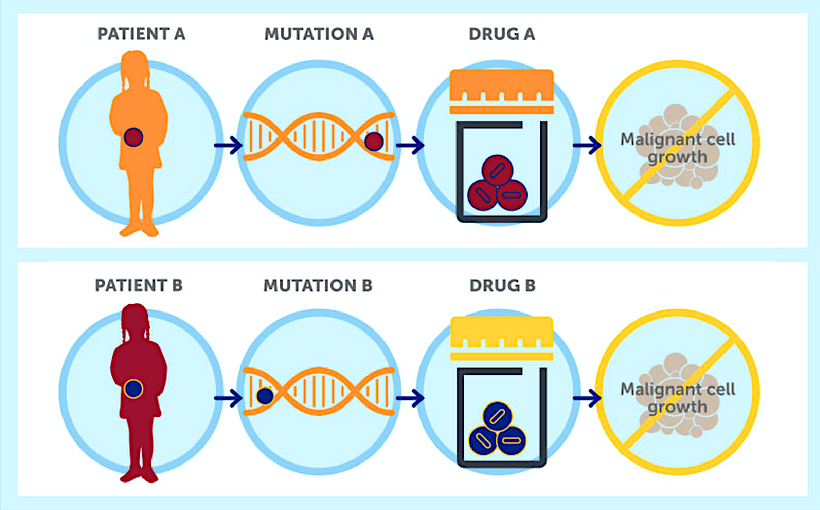
The way we treat cancer is rapidly changing. We know that individual cancers cause different genetic changes and that new drugs targeting these differences could help improve treatment. This approach is known as precision medicine. In addition, there are treatments using the immune system to attack the cancer, known as immunotherapy. The number of these new treatments have grown hugely over the past few years. In 2018 alone, they accounted for over 90% of the new cancer drugs being developed. These new treatments are also often associated with hefty price tags. For example, immunotherapy as a course of treatment for advanced lung cancer, can cost over £80,000.
Sounds great, so what’s the catch?
Unfortunately, we know with traditional cancer treatments (surgery, chemotherapy and radiotherapy), that access is not always decided based on the patients’ needs. There are many complex reasons why this might be - and having a lower socio-economic status is one of them. Socio-economic status means your individual or family’s social and economic standing relative to others. It is measured using factors such as income, education and your job. Socio-economic reasons may impact the number of other health conditions a patient has, their ability to request help or even the conversation they have with a doctor. All of which can affect the treatments they receive and the outcomes from therapy. What we don’t know yet is whether the socio-economic differences we see in traditional cancer treatments are also seen with both biomarker testing and the delivery of precision medicines and immunotherapies described above.
Why is this work important?
The NHS was set up on the idea that treatment should be provided to all on the basis of clinical need. We don’t expect that our level of education, the amount of money in our bank accounts or the power associated with our jobs will affect our access to treatment compared to another patient diagnosed with the same cancer at the same stage and with the same prognosis. Yet if these newer treatments can improve cancer outcomes (for example by increasing tumour responses, minimising side effects and improving survival), socio-economic status should not be a factor in determining access. We already know that socio-economic differences are present in cancer survival, but this could be exacerbated if patients with lower socio-economic status are restricted from biomarker testing and access to new therapies, so we need to assess the size of this problem (if any).
What did we do about it?
To investigate this question, we carried out a new systematic review (reviewing the available high quality research evidence) using 58 previous studies showing information on over 1 million patients. Newer cancer drug access was compared between patients with a low to a high socio-economic status. The review looked at 7 cancers, 5 biomarker tests and 11 cancer therapies. The evidence showed that patients with a lower socio-economic status were 17% less likely to receive newer cancer treatments when compared to those patients with a higher socio-economic status. However, the strength of these differences did vary with cancer type, and were clearest in lung cancer. Similar differences were also seen in access to biomarker testing (often seen as a precondition for new cancer drug access).
Can we trust this evidence?
As 42 of the 58 studies were from the USA, more work is needed using UK data to see if similar patterns are observed here. Also, as studies used different measures of socio-economic status (i.e. some income, others education etc.), we need to be careful making conclusions in case the choice of measure used affects the strength of the findings.
What next?
Our review shows that we need more research questioning why factors such as income and education could still be affecting treatment access when clinical decisions should be guided by the patient and tumour genetics. It is important that whilst continuing the important research in developing new precision medicine and immunotherapies, we work to ensure fair access to all patients regardless of socio-economic differences.
Take home points
The way we treat cancer is rapidly changing. We know that individual cancers cause different genetic changes and that new drugs targeting these differences could help improve treatment. This approach is known as precision medicine. In addition, there are treatments using the immune system to attack the cancer, known as immunotherapy. The number of these new treatments have grown hugely over the past few years. In 2018 alone, they accounted for over 90% of the new cancer drugs being developed. These new treatments are also often associated with hefty price tags. For example, immunotherapy as a course of treatment for advanced lung cancer, can cost over £80,000.
Used alongside these new treatments are specific biomarker tests, which help determine if the cancer is likely to respond to these drugs. Doctors use this information to guide decision making so that in theory, the right patients, who will benefit the most from these drugs, receive them. Without biomarker testing it may be impossible to access these drugs or use them appropriately.
Sounds great, so what’s the catch?
Unfortunately, we know with traditional cancer treatments (surgery, chemotherapy and radiotherapy), that access is not always decided based on the patients’ needs. There are many complex reasons why this might be - and having a lower socio-economic status is one of them. Socio-economic status means your individual or family’s social and economic standing relative to others. It is measured using factors such as income, education and your job. Socio-economic reasons may impact the number of other health conditions a patient has, their ability to request help or even the conversation they have with a doctor. All of which can affect the treatments they receive and the outcomes from therapy. What we don’t know yet is whether the socio-economic differences we see in traditional cancer treatments are also seen with both biomarker testing and the delivery of precision medicines and immunotherapies described above.
Why is this work important?
The NHS was set up on the idea that treatment should be provided to all on the basis of clinical need. We don’t expect that our level of education, the amount of money in our bank accounts or the power associated with our jobs will affect our access to treatment compared to another patient diagnosed with the same cancer at the same stage and with the same prognosis. Yet if these newer treatments can improve cancer outcomes (for example by increasing tumour responses, minimising side effects and improving survival), socio-economic status should not be a factor in determining access. We already know that socio-economic differences are present in cancer survival, but this could be exacerbated if patients with lower socio-economic status are restricted from biomarker testing and access to new therapies, so we need to assess the size of this problem (if any).
What did we do about it?
To investigate this question, we carried out a new systematic review (reviewing the available high quality research evidence) using 58 previous studies showing information on over 1 million patients. Newer cancer drug access was compared between patients with a low to a high socio-economic status. The review looked at 7 cancers, 5 biomarker tests and 11 cancer therapies. The evidence showed that patients with a lower socio-economic status were 17% less likely to receive newer cancer treatments when compared to those patients with a higher socio-economic status. However, the strength of these differences did vary with cancer type, and were clearest in lung cancer. Similar differences were also seen in access to biomarker testing (often seen as a precondition for new cancer drug access).
Can we trust this evidence?
As 42 of the 58 studies were from the USA, more work is needed using UK data to see if similar patterns are observed here. Also, as studies used different measures of socio-economic status (i.e. some income, others education etc.), we need to be careful making conclusions in case the choice of measure used affects the strength of the findings.
What next?
Our review shows that we need more research questioning why factors such as income and education could still be affecting treatment access when clinical decisions should be guided by the patient and tumour genetics. It is important that whilst continuing the important research in developing new precision medicine and immunotherapies, we work to ensure fair access to all patients regardless of socio-economic differences.
Take home points
- Cancer treatment is now guided by genetics and new cancer drugs can help personalise care.
- Having a low socio-economic status can reduce the likelihood of receiving a newer cancer drug and the test linked to your eligibility for the new drug.
- We need more UK based research to investigate these differences, to ensure fair access and reduce differences in cancer outcomes.
Subscribe to:
Posts (Atom)