Showing posts with label school. Show all posts

Friday, 7 March 2025

Bringing dietetics into Public Health

Posted by Alex O'Connor-Sherlock, MSc Dietetic student, Teesside University.
Introduction by Steph Sloan, Senior Lecturer in Dietetics and Course Leader MSc Dietetics at Teesside University.
Practice-based learning (PBL) is a key part of dietetic training, with students required to complete 1,000 hours of hands-on experience in a practice setting. Traditionally, this has mostly taken place in NHS settings, with students working one-on-one with supervisors. However, as healthcare demands grow, diversifying placement opportunities is becoming increasingly important - not just to support student learning, but also to strengthen public health initiatives.

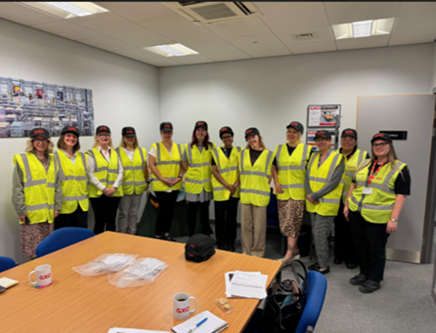
Suited and booted to present to a factory workforce
The Allied Health Professions (AHP) Strategy for England highlights the role of AHPs in disease prevention and health promotion, helping to reduce the burden on already stretched health and social care services. Diet-related diseases remain a major public health challenge, yet dietetic care is still largely focused on treatment rather than prevention. If the profession is to play a greater role in supporting population health, then equipping students with strong public health knowledge and skills is crucial.

To support this, Teesside University’s MSc Dietetics programme now includes public health placements alongside traditional NHS clinical placements. Here, Alex shares her experience of working in a Public Health practice-based learning setting. A must read in National Careers Week for anyone considering a future career as a dietitian!

------------------------------------------------------------------------------------------------------------------------------------------------------------------------------------------------------

What I worked on

During my placement, I was involved in three projects focused on health improvement and disease prevention. My work involved meeting with stakeholders, conducting research, presenting findings, and engaging with the public. The projects covered a wide range of population groups, including expectant mothers, school-age children, local workforces, and food bank users.

1. Supporting parents with child nutrition

A key part of my placement involved reviewing the nutrition education available to parents of children aged six months to four years.

What I did:
  • Conducted a literature and policy review
  • Spoke to parents, NHS staff, and school representatives
  • Attended a breastfeeding class to hear directly from parents
  • Presented my findings to several teams, including the Director of Public Health
Why it matters:
The insights from this work will help shape future research and improve nutrition support for families in the local area.

2. Linking oral health and nutrition


There is a strong connection between what we eat and oral health, but not everyone has access to clear, easy-to-understand information about this link.

What I created:
  • Infographics and presentations to educate local workforces
  • Materials designed in an easy-read format, avoiding jargon
Why it matters: 
My presentation was really well received, and I was even asked to record it for wider distribution, so it could be shared with professionals working with children and people with additional needs.

 
Infographics to educate local workforces

3. Reducing food waste in a local food pantry


Many food pantry users rely on short-dated products, and without clear guidance, a lot of good food can go to waste.

What I did:
  • Designed simple, visual signs with food storage and cooking tips (e.g. "Chop me then freeze me")
  • Introduced a ‘Freeze me’ sign for bread and monitored its impact
What happened?
Twice as much bread was sold the day after the sign was put up compared to the previous two weeks combined!


Signs made to reduce food waste

What I learned
  • Public health plays a key role in patient care - I saw first-hand how wider social factors impact people’s ability to manage their health and access services.
  • Being proactive is crucial - I reached out to stakeholders independently, which helped me build confidence and leadership skills.
  • Flexibility is a great learning experience - managing my own projects and working in a less structured environment improved my time management and adaptability.
  • Self-care matters - the flexibility of this placement meant I could work in different settings, including from the park on sunny days!
Final thoughts

Introducing dietetic placements into public health settings is a win-win. It helps students gain a broader skillset, supports NHS capacity, and brings dietetic expertise into community settings.

Of course, doing things differently comes with challenges. Expanding placements into public health settings has required commitment from everyone involved - academics, placement providers, and students. But we’re constantly learning and improving, and we’re proud to be making a real impact on the health of our local communities.

Thursday, 7 March 2024

Creating an out of this world children’s book to help families affected by substance use

Cassey Muir, Research Associate from Newcastle University


To celebrate #WorldBookDay, Cassey tells us about going beyond the research to co-produce a children's story book to help families affected by substance use which is now freely available.

“To take the findings from our lived experience and create something real for families and people beyond the world of research has been brilliant” 
Young person involved in the project


Creating something real: How we produced a children’s story book

When I had the opportunity to create a children’s story book based on some of my PhD research that could help families affected by substance use, I was really excited to get started with the project. Ever since I was little, I wanted to write a children’s storybook and I had even mentioned this at my PhD interview panel, so being part of this project was a dream come true in many ways. 

To be able to create a book that has such meaning for the children and families involved has been incredibly rewarding, if not emotionally challenging at times. To help shape the plot and character development based on the stories of the young people that I had talked to during my PhD, felt like an enormous privilege but also a weight to get right. I wanted to make sure the story reflected the different experiences of children, while other members of the team were making sure the story reflected parents and caregivers’ experiences. Working with the talented Danielle Slade (author) and Josie Brookes (illustrator) helped make this process go as smoothly as possible. They were empathetic to the stories of families and wanted to keep to the integrity of family’s experiences and impacts, while making a story that was engaging.

With the creative minds of Danielle and Josie, we worked with 15 family members who were affected by parental alcohol or drug use, three teachers, Coram Life Education, and Coram Beanstalk to co-produce this storybook. Using techniques like free writing to music, drawing different characters, and storyboarding ideas, we involved children and parents in the creative process from the start. Families were also able to see early mock-ups of the book and feedback their ideas on improvements to the story and share their preferences on illustrations. Josie and Danielle were really receptive to the ideas from children and parents and valued their input.


We met with teachers from local primary schools and practitioners from Coram to think about who the target age range of the book would be, how the book could be used within schools and practice, and how to help adults have conversations with children. Through these discussions we developed conversation prompts for adults that are at the back of the book. These prompts (for example, what do you think of the Yozzle?) can help with discussing the characters and themes within the book with children in one to ones, in groups, or within a whole class setting. Anyone can follow along with this story of Arti, a wishing star. We have received positive feedback from practitioners where this book has been used with younger children (5-8 years), older children as a discussion point for reflecting on childhood (14-16 years) as well as with children who have special educational needs and disabilities.

We have also recently collaborated with Newcastle Film Club to produce a ‘story time’ video of the book being read by the author. This video allows the book to be accessed more widely and can be used alongside the book. Being able to produce this video, with Amy Mains (Director and Editor) and Scott Anderson (Director of Photography), who are also both teachers, was a fun and unique experience. We set up the equipment and reshuffled the backdrop in Fenham Library and managed to shoot the film in under two hours, just in time for the library opening to the public. I think this video adds an extra bit of magic to the story, with soft music and twinkling sounds!


Beyond the world of research: Creatively disseminating research findings

For context on the book, Twinkle, Twinkle Arti is a free story book co-produced with and for children who experience parental alcohol and drug use. This book helps start conversations between trusted adults and affected children. The messages within the book are based on two linked studies around the needs of affected families, led by Fuse Researchers.

The Safe Space project, led by Ruth McGovern, found that many parents and caregivers find it difficult to talk to their child about substance use and the impact upon the child and family. Parents and caregivers spoke about wanting resources to help with these conversations. Alongside this, research led by me, explored the experiences and support needs of children and young people. Children and young people told me that they valued the importance of confiding in a trusted adult such as a teacher, social worker, or family support worker but often did not know who they could trust or talk to, and prioritised approaches within schools which promoted conversations about parental substance use.

The story book captures the emotional and social impacts of living in a difficult family situation, from the perspective of the child and the parent or caregiver, and highlights helpful strategies to support the child’s wellbeing, for example talking about your feelings.

Using out of this world storytelling and fictional characters, the findings from these two studies are told in a way that makes them accessible to families and practitioners and offers positive messages and validation not only to children but to parents/caregivers and practitioners who find it challenging to know how to broach this sensitive topic.


We are freely sharing this book with families, schools, and practitioners across the country. To help understand the usability and impact of the storybook, we are gathering feedback from practitioners with a short online survey. This feedback will contribute to informing further development of the book and additional resources that are needed. I hope the book can be used across many different settings (schools, social care, and voluntary organisations) and can be shared with families who want to have those conversations. Within schools, we hope it is used in whole class situations, to reduce the stigma and show children they are not alone. It’s a fun story with fictional characters, and I hope families feel the book is engaging and non-stigmatising.

Here is some of the feedback that we have received so far about the book.

A practitioner told us: “It is so meaningful for children to know about the Yozzle [fictional character depicting alcohol or drugs in the book] and how it makes them feel. What a very complex idea to get across to children and yet it has been achieved with such skill!”

A child who reviewed the book shared: “It [the story] shows you’re not on your own and that there are other stars [fictional character depicting trusted adults] to support you.”

A primary school teacher shared the following: “There were no problems at all using Twinkle, Twinkle Arti in a whole class situation. In fact, I think it worked well as an introduction because it wasn't only alcohol use that the children discussed it was mental health, feelings, and how to overcome problems.”

A parent who helped co-produce the book reflected: “I am proud of the book because other children won't have to go through what my children have."

I think it is really important for researchers to work collaboratively with public, practice, and policy partners and to engage in creative processes that open their research to wider audiences. Through this process, you might learn something new and have fun doing it. But don’t just take my word for it, here are the perspectives of the illustrator and young person involved in the project:

Josie, the story’s illustrator, says: “This has been a really inspirational project, and a joy to work with Danielle, the research team, and all the families involved. We collectively believed in the power of storytelling to get these important issues across, and the resulting book is something I am so proud to have been a part of making. I think children will connect with Arti, her colourful world, and her story. I am excited for it to be used as a positive resource with children and families, in opening up those very crucial conversations, whilst simultaneously being so enjoyable to read!”

A young person reflected: “This book is something I would have loved to have been able to give to ‘little’ me, having something that related to my home situation when I was a child. I feel rewarded to be able to do this for ‘me’ now, for little me going through all those hard times and for all the children who will read this book, who are going through something, have a hard home life, have parents who are struggling, anything.

I hope through the book, we are able to show them that they are not alone and that there are people around them who are there to give them love and support. Hopefully, the book can help reach them earlier than I was reached out to. To create a book that would educate and support whomever read it, no matter their age or background, to be more than a storybook and to be able to help them, even in a small subtle way. It is a chance to reach the children that need it through a storybook that they come across all the time in life. It is incredibly rewarding to have a book that exists, that will last and be passed on to different children who are in a variety of situations for years to come. I am very proud of it.

I sincerely hope the book not only entertains children at bedtime, but that it can in some ways soothe a child's worries. It was an honour to hear the brave accounts from families and even more so, that they have trusted us to put their feelings and stories into this book.”

Fuse researchers and lived experience expert at book launch event. From left to right: Ruth McGovern, Kira Terry, Cassey Muir and Debbie Smart 

If you would like to learn more about this research, then please go to the links at the bottom of this page. And if you would like to join Arti on her journey of bravery, self-discovery, and learning about the important of talking about your feelings then take a look at the story book or watch the video.

Find out more
  • Download the book free.
  • Listen to this Fuse podcast to hear Cassey discussing her research on social and emotional resilience in children and young people affected by parental substance use.
  • Read this Fuse news article about Twinkle, Twinkle Arti.
  • Read this Alcohol Action Ireland blog and listen to the podcast.


All illustrations by Josie Brookes

Friday, 23 February 2024

School's out for stigma: Understanding the mental health needs of LGBTQ+ youth

Posted by Liam Spencer, Fuse Associate and Research Assistant at Newcastle University


February is LGBTQ+ History Month, an annual month-long observance of lesbian, gay, bisexual and transgender history, and the history of the gay rights and related civil rights movements. The 2024 theme celebrates LGBT+ peoples’ contribution to science and medicine both historically and today. 


In this blog, Liam reflects on his research of LGBTQ+ young people’s mental health.


As LGBTQ+ History Month unfolds, it offers us an opportunity to reflect on the strides we’ve made, the challenges we still face, and the incredible diversity within our communities. This month holds particular significance for me – a chance to not only honour the struggles of those who came before us, but also to celebrate the progress we’ve achieved and recommit to the work that lies ahead.

With a background in youth and community work practice, my research interests are primarily focused on children and young people’s mental health, particularly early and preventative interventions, and school-based interventions. My journey as a member of the LGBTQ+ community and as a researcher has been intertwined with a deep sense of purpose – to shed light on the unique mental health challenges faced by LGBTQ+ individuals. This is a mission born out of personal experience, and a desire to contribute meaningfully to the wellbeing of this community. 

I have recently been involved in several Fuse projects funded by the NIHR School for Public Health Research (SPHR) Public Mental Health programme, and I’ve had the privilege of being able to delve into the complex dynamics of LGBTQ+ mental health, particularly in school environments. One of these projects, led by Professor Liz McDermott, aimed to investigate the impact of school-based interventions on LGBTQ+ young people’s mental health.

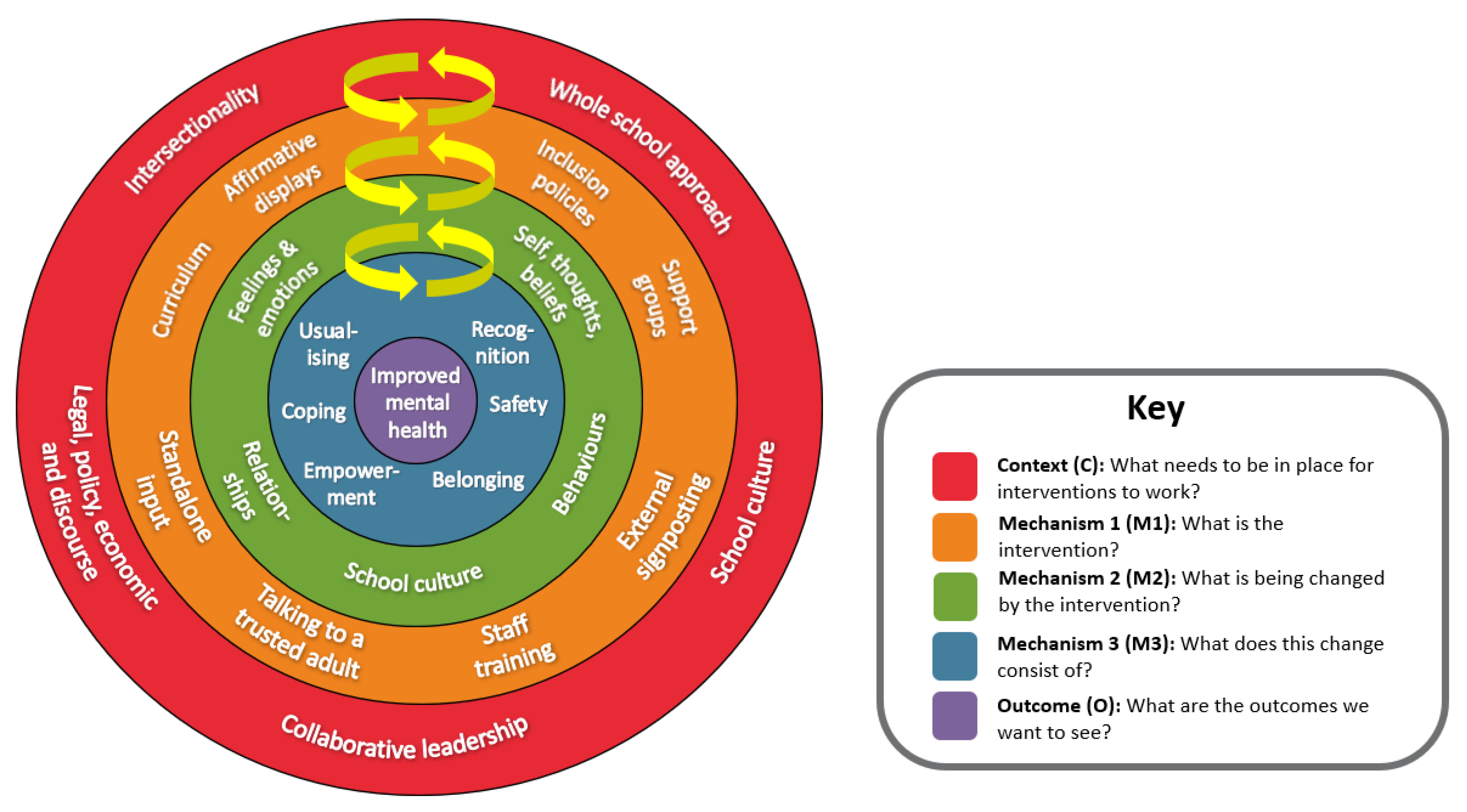
In the first phase of our study, we did a realist review (a type of evidence review that assesses the specific contexts in which a certain intervention may or may not work) of published evidence and identified positive interventions that supported LGBTQ+ mental health in school environments. However, the focus tended to be upon outcomes and studies rarely detailed underlying processes. The second phase of our study aimed to develop a theory that explained how, why, for who, and in what context school-based interventions prevent or reduce mental health problems in LGBTQ+ young people, through participation with key stakeholders.

We interviewed LGBTQ+ young people aged between 13 to 18 years attending secondary schools; intervention practitioners; and school staff in the UK. We then analysed this data to identify relationships across different interventions that improved mental health outcomes. The theory we produced explains how school-based interventions that directly tackle dominant cisgender and heterosexual norms can improve LGBTQ+ pupils’ mental health. Specifically, our theory proposes three interventions that may improve these outcomes:
  1. Interventions that promote LGBTQ+ visibility and facilitate usualising, school belonging, and recognition.
  2. Interventions for talking and support that develop safety and coping.
  3. Interventions that address institutional school culture (staff training and inclusion polices) that foster school belonging, empowerment, recognition, and safety.
Ultimately, our research underscores the importance of providing a school environment that affirms and normalises LGBTQ+ identities, promotes school safety and belonging, and addresses systemic issues within educational institutions. By implementing evidence-based interventions informed by our theory, we can pave the way for improved mental health outcomes for LGBTQ+ pupils.

This month serves as a powerful reminder of our collective resilience, our shared struggles, and our unwavering commitment to justice and equality. Let us continue to push boundaries, challenge norms, and advocate for a world where difference is celebrated and all are embraced for who they are – within academia, our personal lives, and beyond.


Images:

Friday, 17 March 2023

What can be done to improve the mental health of LGBTQ+ young people in schools?

By Liam Spencer, Research Assistant and ARC NENC Mental Health Research Fellow, Fuse & NIHR School for Public Health Research, Newcastle University

Young people who identify as lesbian, gay, bisexual, transgender, or queer/questioning (LGBTQ+) experience significant mental health inequalities in comparison with their peers. School environment is a major risk factor and is consistently associated with negative mental health for LGBTQ+ young people, as shown in research here, here and here. The UN Convention for the Rights of Child Committee has also specifically emphasised the need to take effective action to protect LGBTQ+ young people from all forms of violence, discrimination or bullying, and to improve mental health.

Our research

Our Creating LGBTQ+ Affirming School Environments (CLASS) research project aimed to investigate the impact of school-based interventions (schemes or initiatives) on the mental health of LGBTQ+ young people. In the first stage of our study, we reviewed published evidence, and identified positive interventions that supported LGBTQ+ mental health in school, however the focus tended to be on the outcomes rather than detailing how they were done.

We also interviewed 10 young people aged between 13 and 18 years, nine practitioners (e.g. people working in organisations who had delivered LGBTQ+ inclusivity interventions in UK schools), and three members of school staff, and analysed the data to identify interventions that improved mental health. We used this information to develop a theory model that aimed to explain how, why, for who, and in what context school-based interventions can prevent or reduce mental health problems in LGBTQ+ young people, in collaboration with these key stakeholders.

McDermott, E. et al. Understanding How School-Based Interventions Can Tackle LGBTQ+ Youth Mental Health Inequality:
A Realist Approach. Int. J. Environ. Res. Public Health 2023, 20, 4274. https://doi.org/10.3390/ijerph20054274

Our model (diagram above) has three levels at which interventions may work, on psychological, behavioural, emotional, cultural, and social levels. It explains how school-based interventions that directly tackle dominant cisgender and heterosexual norms can improve LGBTQ+ pupils’ mental health. 

Our findings

We found that contextual factors such as a ‘whole-school approach’ and ‘collaborative leadership’ were crucial to the delivery of successful interventions. Our theory suggests three ways (causal pathways) that might improve mental health:
  1. Interventions that promote LGBTQ+ visibility and ‘usualise’ the presence of LGBTQ+ identities, school belonging, and recognition.
  2. Interventions for talking and support that develop safety and coping.
  3. Interventions that address institutional school culture (staff training and inclusion polices) that foster school belonging, empowerment, recognition, and safety.
Our findings suggest that providing a school environment that affirms and ‘usualises’ LGBTQ+ identities, and that promotes school safety and belonging can improve mental health outcomes for LGBTQ+ pupils. The causal pathways we present are a starting point as theories, however more research to develop our understanding of how school interventions work to improve school climate and the mental health of LGBTQ+ young people is needed. We now need the UK, and other countries, to take seriously LGBTQ+ young people’s rights and ensure they are afforded equal respect and protection as their peers in schools. We may then find that the mental health of LGBTQ+ young people improves.

Read the full research paper here: Understanding How School-Based Interventions Can Tackle LGBTQ+ Youth Mental Health Inequality: A Realist Approach, 28/02/23

Funded as part of the NIHR School for Public Health Research (SPHR) Public Mental Health programme, the Creating LGBTQ+ Affirming School Environments (CLASS) research project, led by Professor Liz McDermott, aimed to investigate the mental health impact on LGBTQ+ young people of school-based interventions. Fuse is a founding member of the NIHR SPHR.


Friday, 12 August 2022

What impact did a blanket ban on new takeaways have in Gateshead?

Posted by Heather Brown, Professor of Health Inequalities at Lancaster University

At the end of a road I used to live on, there was a wonderful curry house that always smelled amazing every time you walked by, even if it was 8am in the morning and they were just starting to prepare the food for the day. Whilst I lived there, I ate more takeaway curries then I have in any of my other many houses which were not so conveniently located to delicious smelling food.

The food available to us in our environment is likely to influence what we eat and subsequently our health. The use of planning policy can be one way for both local and national government to help shape a healthy environment by limiting or restricting where certain types of food outlets can be located. About half of all local authorities in England have some type of planning guidelines to restrict new fast-food outlets. In England there are three main types of planning policy used to promote a healthy food environment:

1. restricting new fast-food outlets near schools.

2. restricting new fast-food outlets if the density of existing outlets has surpassed a certain threshold of all retail outlets (e.g. no more than 20% of all outlets can be fast-food).

3. restricting new fast-food outlets if childhood obesity rates are above a certain threshold (e.g. above 20% based upon data from National Childhood Measurement Programme for children aged 4-5 and 10-11).

What Gateshead did


Gateshead Council, like many local authorities in North East England, has childhood overweight and obesity rates that are higher than the national average. To try and reduce childhood overweight and obesity to less than 10% by 2025, Gateshead implemented all three types of planning guidance (a school exclusion zone, restricting new outlets by retail density, and restricting new outlets by childhood obesity rates). This is effectively a blanket ban on establishing a new premise for use as a fast-food outlet if the building was not already being used for that purpose. Buildings that were being used for fast-food could change ownership and continue to sell fast-food. This guidance was implemented in June 2015.

As part of an NIHR Applied Research Collaboration (ARC) North East and North Cumbria (NENC) funded project, we evaluated if Gateshead Council’s approach to planning had any significant impact on the density and proportion of fast-food outlets in Gateshead compared to other local authorities in the North East which did not have any type of planning guidance. Data on food outlets came from the Food Standards Agency Food Hygiene Rating Scheme Data. Our analysis covered 2012-2019 (we did not include data during the Covid-19 pandemic because planning guidance on what type of food outlets could provide takeaways was relaxed) - a subject covered earlier this week in the Fuse blog post How Covid-19 changed the takeaway landscape by Callum Bradford from Teesside University.

What we found


We found that compared to other local authorities in the North East, Gateshead’s planning policy reduced the density of fast-food outlets by around 13 per 100,000 people and the proportion of fast-food outlets by around 14%.

Next, we are going to look at if this change in the density and proportion of fast-food outlets has had any impact on childhood overweight and obesity between 2015 to 2019 and if this did anything to reduce inequalities in childhood weight.

If you would like to read our paper in Social Science and Medicine on the impact of Gateshead’s planning policy on the food environment you can find it here.

Tuesday, 9 August 2022

How Covid-19 changed the takeaway landscape

Posted by Callum Bradford, Research Associate, Teesside University

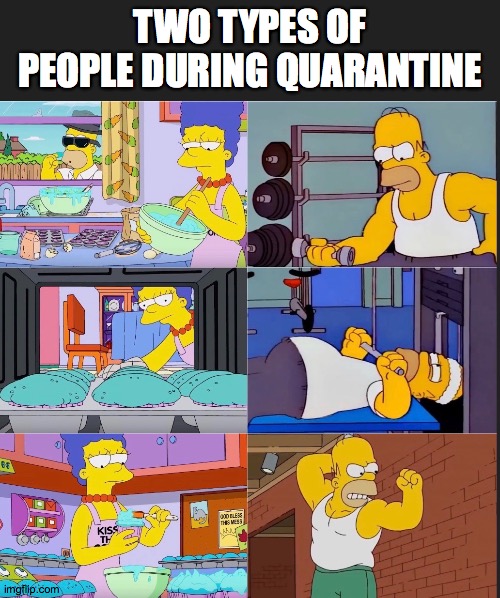
During the Covid pandemic, you may have seen the memes for how there are two types of people during lockdown. First there were those who used lockdown as an excuse to exercise more, eat well, and generally take care of themselves in a manner of which they had never had the time for previously. Then there were those who out of sheer boredom, decided to drink and order takeaway on more days than not as it was ‘something to do’.

As you can probably guess, I very much fell into the second category.

To my detriment, takeaways typically sell food which is relatively cheap, high in calories, low in nutritional value, and (annoyingly) very appetising; all delivered to your front door in a matter of minutes. Now I don’t want to come across as anti-takeaway, or anti-business, there is a place in our society for unhealthy food, nor do I blame anyone else for my questionable dietary choices. However, I’m sure most of us agree that we can have too much of a good thing at the impairment of not only our own health, but also the health of the high-street.

Apparently I’m not the only one who is too easily tempted by takeaways, with local governments implementing planning regulations to further prevent this takeover-of-takeaways, in the knowledge that our willpower is often lacking. You’re likely familiar with some of the rules already in place, such as no takeaways within 200m of a school, or that most restaurants and pubs can only provide takeaway food on an ‘ancillary’ basis.

However, with the Covid-19 lockdowns pubs and restaurants lost their ability to trade. In an attempt to combat the potential loss of business, the government introduced new temporary measures allowing these businesses to trade as takeaways, without needing to apply for planning permission. In other words, my options for takeaway just increased threefold, and by ordering-in I was ‘doing my bit’ to keep businesses open.

As we were now stuck indoors, every occasion was now an excuse for a takeaway; Birthday? Takeaway. Passed Uni? Takeaway. Anniversary? Slightly fancier takeaway with cocktails (highly recommend).

With these temporary regulations in mind, we consulted with various planners, public health leads, and environmental health officers from across the North East, to better understand how these regulations were impacting their roles, alongside any public health trepidations they may have (if my diet alone wasn’t enough cause for concern).

The main theme throughout our conversations was an overwhelming sense of uncertainty. Covid had an unprecedented impact on the priorities of local authorities. Because of this, they could not organise the infrastructure needed to identify how many businesses were choosing to trade as takeaways. Even today as we slowly return to a sense of normality, the role of collecting this data appears to be unassigned as authorities play catch-up on work lost to Covid. Therefore, as you can imagine, gauging the impact of these regulations became very challenging and speculative. There was also uncertainty around how and when these regulations would end, or what elected members planned to do (if anything) about the potential long-term consequences to health.

Surprisingly, the main finding from our research had little to do with the regulations themselves, but rather how Covid has accelerated change in the takeaway landscape. During Covid, we all developed new habits (for better or worse); one of which was the use of online delivery services such as Deliveroo and Uber Eats.

Despite the temp Covid regulations now ending, with these delivery services, many businesses that could not originally offer takeaway now can, and local authorities have limited ability to prevent them from doing so since they aren’t technically providing the deliveries themselves. A quick search on Deliveroo in Middlesbrough for example offers me delivery for Burger King, Starbucks, and Creams Cafe. None of these options are well-known as takeaways, but all now provide the delivery of unhealthy food. And although these services were technically available pre-Covid, the pandemic has led to a huge increase in their popularity, allowing for more unhealthy-food options and the changing of shopping habits. There are also traffic implications. Have you ever tried to walk through Liverpool city centre during lunch hour? Attempting to dodge Deliveroo riders on their bikes as you stroll through town is quite the experience.

To summarise, the Covid pandemic had an unparalleled impact on public health professionals, to the extent that the government implementing new regulations regarding takeaways was considered low priority. Ambiguity surrounding the impact of these regulations remains, with the ending of the regulations becoming somewhat nullified given the rise of online delivery.

In conclusion I offer some advice. if you’re trying to eat healthier, writing a blog post on takeaways whilst doing ‘research’ on Deliveroo, might not be the wisest of ideas – speaking from experience.

Friday, 1 October 2021

“Next slide, please!” Newcastle children’s reflections on the pandemic

 Posted by Laura Basterfield, Research Associate, Newcastle University

Often in research, once we’ve collected the data, analysed and published it, we don’t have the opportunity to go back to the participants to discuss what we found. When children are involved, we may give a feedback presentation at a school assembly, but let’s be honest it can be difficult to make Powerpoint fun!


I’ve worked closely with Walkergate Community School over the last few years on my research into children’s physical fitness and mental wellbeing and I wanted to deliver my feedback in an assembly that the children would enjoy. I thought the best way to do that might be to let them do it themselves, as who knows what children like better than other children? And I am so pleased I did; it was a fascinating process. 

The ‘Young Science Communicators’ project was due to have taken place in June/July 2020, but had been delayed due to the COVID-19 school closures. Whilst I was initially disappointed last year, the realities of the past 12 months brought an added dimension, intensity and poignancy that would not have been there otherwise.  

There weren’t many rules, but the assembly should include some of the results of the study, including both the physical and mental benefits of physical fitness and activity. Other than that I was happy for the children to take the assembly wherever they saw fit. To start, thirteen Year 6 pupils (aged 10-11 years) discussed with me the project specifically, fitness in general, and about the impact the COVID-19 lockdowns and school closures had on them and their families. Then I taught the children some of the key skills they would need to do my research. I wanted them to really understand why I do what I do, and what better way than to then practice on your friends?! There were some wonderful comments from the children about how they liked the experience: “I enjoyed it because I want to do your job when I’m older” and “I liked being in control!” (which must be quite unfamiliar at 11 years old), and they quickly learned both the techniques and how to talk politely to their class-mates! 

The following week it was over to the children and their ideas. The goal was for them to create an assembly, film their performance, and share it with the rest of the school – all within three days. Scott and Claire are practitioners with local theatre company Mortal Fools and they led the children on a games-based journey to increase their confidence, public speaking and team-working skills. The children were all totally engaged and willing to share their thoughts, feelings and experiences to create a collegiate and supportive atmosphere. For me as an observer at this point, I was struck by the children’s recreations of the school closure periods and how they articulated their feelings: “I had no motivation to do anything”, “I was lonely”, “frustrated”, “isolated”. This was especially the case for those without their own mobile phone – some were unable to speak to friends for weeks. They also showed a mature insight into how the adults in their life had been affected, acting out money worries, family health issues, the stress of getting children to do schoolwork and go to bed on time, when there was nothing to get up for the next day…

As the group moved on to the awkwardness of meeting up with people after such a long time “Errr… so have you been up to much?!”, to their joy and excitement of seeing family, friends and teachers again, the whole process felt reflective and cathartic. Claire and Scott’s skill was evident as the children’s confidence grew before my eyes. Along the way the children had us in stitches with impressions of Boris Johnson, ‘next slide please’, and Joe Wicks.

Finally, they got to film their creation with the help of a proper film-maker. Most scenes only took a couple of takes, and the children showed incredible focus and concentration throughout. The final co-produced 9-minute film is informative, funny and affecting, and the children should be incredibly proud of their efforts. We still weren’t able to completely escape COVID, as three children missed the filming day due to a positive case in their class, but their input on the previous days made it a true team effort. 

The process showed me how important it is that we involve children not just in our research but in everything that affects them – simply asking children how they are, what they are feeling, and what they would like to be involved in gives us a hugely important insight into their world. 

I hope you enjoy their film.


Thanks go to all the children and staff at Walkergate Community School; Scott Wilson, Clare Rimington and Helen Ferguson at Mortal Fools, and Matt Jamie the film-maker. Permission to share this film has been granted by the parents and school of the children involved. 

Funding from EngageFMS at Newcastle University supported this project. 

Originally written for VOICE.

Friday, 7 May 2021

Children’s exposure to junk food advertising: can the UK hold firm in the face of industry resistance?

Posted by Chris Baker, primary school teacher and distance learning tutor at the London School of Hygiene and Tropical Medicine

Growing up in a sweet shop was, as you can imagine, an absolute dream. Who wouldn’t want an entire store of confectionery under their own roof? It was the 1990s and I didn’t realise how lucky I was - living above a newsagent run by my parents. I’d get home from school, give a cursory wave to my mum behind the counter and immediately grab a chocolate bar, or an ice cream. It was the best.

Clearly, it wasn’t a recipe for good health. I was continuously surrounded by the bold and colourful logos, the marketing strategies and the special offers - all designed to hook me into habitual consumption. I paid little attention to the nutritional contents of the things I was snaffling (this was long before front-of-package labelling came along). My physical health (particularly my teeth) paid the price.

Cut to 2020 and I find myself thinking back to that era - before the internet, before screen-time, before social media. I am now a primary school teacher (with experience in public health) committed to promoting children’s health and well-being. I see that the relationship between children and junk food today has not changed all that much. There are still products high in fat, sugar and/or salt that kids crave. And what’s helping them to connect with these products? Digital marketing.

I teach ten and eleven-year-olds in an international school, so the demographic group I am most familiar with is not representative of the UK. However, I believe there are important similarities. Many children of this age now have smartphones and use apps intended for older audiences. Through these apps, they are exposed to new and sophisticated marketing strategies, unheard of by older generations.

Fortunately, there are plans to address this. Last year the UK government proposed a total ban of online marketing for foods high in fat, salt and sugar. Not a restriction, or a tightening of rules: a total ban. The preamble to this consultation suggests that completely reducing exposure to ‘endless prompts’ to eat offers the best way forward. The government’s response to the consultation, with an accompanying plan of action, is due to be published this Spring.

The scope and scale of this proposal are noteworthy. To date, no countries have successfully implemented a complete ban (there are strong restrictions in Chile and French-speaking Canada). Implementation of the government’s proposal would place the UK firmly at the front of the pack, delivering strong policy action with the potential for significant public health benefit.

Unsurprisingly, industries affected by such a ban have been critical of the proposals. In an open letter, a consortium of food companies and advertising agencies called for a rethink. Their arguments are predictable and are representative of a cross-industry playbook, seen repeatedly in recent years across several other industries interested in unhealthy commodities. They claim the proposal is disproportionate. They claim the evidence is lacking in detail. They distance themselves from the issue and play down their role. They demand a meeting with the government to discuss ‘alternative’ (but unspecified) approaches.

A total ban would be an entirely appropriate response in the face of an industry that has altered considerably in recent years. An earlier attempt to merely limit adverts for unhealthy foods in and around children’s tv programming (as well as other non-broadcast media) was found to expose children to no less advertising. Artificial separation of children’s media and adult media is a fallacy, and doesn’t reflect the reality of tv consumption nowadays.

More importantly, this proposal addresses the issue of children’s developing ability to distinguish an advert (and its provenance). Research suggests that over a third of 12-15 year olds are not aware of the financial arrangements behind promotional posts. Astroturfing - the artificially-created “buzz” around a product, designed to look authentic and spontaneous - can be difficult to identify, especially when delivered by a relatable vlogger or influencer, who may not have disclosed endorsement arrangements.

Most schools nowadays (mine included) encourage “digital citizenship”. As a teacher, I am responsible for helping my students navigate the risks and benefits of the internet. Often, I hear children referring to spurious news stories, and am reminded of the sophisticated ways even adults can be tricked into believing something.

Age restrictions for social media platforms, often put forward as a robust mechanism to shield children from inappropriate content, are weak and inconsistently controlled. Parental control settings on popular sites are not widely understood or implemented and the rapid changes in children’s media habits is named as a key driver in the government’s desire to strengthen legislation.

I believe that young people should have the freedom to use television and the internet for enjoyment and education. Exposure to insidious marketing that promotes and profits from the development of unhealthy eating habits should not be a price to pay for this. The UK government has proposed a bold course of action. In the face of strong opposition from industry, they should stay firm with their intentions; the health of future generations stands to benefit.

Friday, 19 February 2021

"Whatever their answer, double it and you should be close..."

Posted by Hannah Mehmood, Medical Student, Newcastle University

Hannah undertook a 6-week NIHR School for Public Health Research (SPHR) internship with Fuse based at Newcastle University in summer 2020. She was supervised by Fuse / NIHR SPHR Doctoral Student, Cassey Muir.

A question asked in every GP consultation is how much alcohol a patient drinks. It provides a useful insight into a person’s physical, social, and psychological health. According to my GP tutor, most people underestimate the amount they drink, as well as the impact this has on them.

Substance misuse is a complex issue, and as a medical student I have learned to focus on the impact of problematic drug and alcohol use on individual patient wellbeing. Last summer, as an NIHR SPHR intern, I studied substance misuse from a different perspective. The basis of my internship was a research project focusing on young people whose parents misuse drugs and alcohol. I aimed to explore how young people viewed school and education to understand if this environment could be used to deliver supportive interventions.

I analysed ten UK based qualitative studies which examined the experiences of young people affected by parental substance misuse. Qualitative studies examine non-statistical data to develop themes and deep understanding of the research question. The young people from the studies I explored were under the age of 25 and from various social, economic and demographic groups.

Young people viewed school as a space away
 from issues they may face at home
I was particularly interested in the ways in which young people viewed school as a separate space away from issues they may face at home, to the extent that many young people did not even discuss their home life with close friends. But despite the mental separation of home and school, the reality of their home life often prevented a complete detachment of the two. One young person described how caring for her parent resulted in frequently missing school, while another recognised that his aggressive behaviour in school was a way to offload stress at home.

Many young people also expressed a lack of trust towards their place of education, as well as a desire to blend-in with their peers. This contributes to barriers in identifying young people who may benefit from intervention, as many are fearful of being singled out while in the detached school environment.

In conducting my research, I came to appreciate the difficulty in generating themes from such varied experiences. I often felt that my insights did not do justice to the nuances of each individual story. I discussed this in a virtual meeting with a programme coordinator at ADFAM, a national charity that works with families affected by drugs and alcohol. Her experience, delivering interventions at an operational level, allowed me to see how my research fit into the real world. I came to understand that while research is conducted with the aim of applying findings to whole populations, these findings are only actionable when combined with existing knowledge and expertise. This discussion was a lesson in the value of cross-collaboration, an important tool in bridging the gap between research and intervention.

Over six weeks I have broadened my understanding of public health, conducted my own research project, developed my professional skills, and furthered my personal career goals. Although this internship took place remotely, my mentors enabled me to virtually meet various public health professionals. Hearing about their research roles, motivation and future plans has shown me the variety of career paths available within public health and helped to develop my own ambitions. The NIHR SPHR internship with Fuse has been a valuable personal and professional experience and I would recommend it to other students interested in pursuing a career in public health.


Part of our Fuse blog Student Series
The Fuse blog Student Series showcases posts by students who have been challenged to write a blog as part of their studies at one of the universities in the Fuse collaboration, the NIHR School for Public Health Research, or perhaps further afield. The authors may be new to blogging and we hope to provide a 'safe space' for the students to explore their subject and find their voice in the world of public health research.


Images:

1. 'Doctor with prescription stop drinking alcohol' by Marco Verch Professional Photographer via Flickr.com, copyright © 2019 (Attribution 2.0 Generic (CC BY 2.0)): https://m.flickr.com/photos/30478819@N08/48719845996

3. Logo courtesy of ADFAM https://twitter.com/AdfamUK/photo

Friday, 31 July 2020

It’s not just teaching and curriculum that need a boost in September - what about school fruit and veg?

The School Fruit and Vegetable Scheme offers 2.3 million children aged 4 to 6 attending state-funded primary schools in England a free piece of fruit or veg each school day. It was suspended in March and after months of campaigning the Government finally confirmed the scheme will resume in the Autumn. But how could this Scheme go further to better meet Government aims?


Sofia Parente, Sustainable Food Places Policy & Campaigns Coordinator at Sustain: alliance for better food & farming

Credit: Pexels.com cottonbro
School holidays are upon us and this year, for the first time, 1.3 million UK children on free school meals will have access to support during July and August. Universal Infant Free School Meals and the School Fruit and Vegetable Scheme, suspended when schools closed in March, will be back in September. This should be cause for celebration but unfortunately, it’s not just teaching and curriculum needing a boost in September. Even in ‘normal times’ 80% of children were not eating their 5 A Day. Following lockdown, there’s been a massive decrease in fruit and vegetable intake reported by children receiving free school meals, according to a study from Northumbria University’s Healthy Living Lab. In this study just over half of pupils who would have received free school meals on site stated they had eaten no fresh vegetables across a three-day period following the UK’s COVID-19 lockdown. Vegetable intake dropped from just over two portions per day when children were attending school, to an average of half a portion per day at home. Almost half said they had eaten no fruit in the same period, yet many reported a large increase in their consumption of sugary drinks and snacks. 

As a school Governor and mother of two children in primary school, I’ve heard countless praises of the School Fruit and Vegetable Scheme. Children are naturally hungry mid-morning and fruit and vegetables are the perfect snack. By eating together in the classroom or playground, pupils try fruit and veg that they wouldn’t otherwise try at home. Only last week my niece (a fussy eater when it comes to veg) told me the first time she had ever tried sugar snap peas was in Year 2 when she had free fruit and veg at school. Teachers often integrate it in the curriculum too by using fruit and vegetables in numeracy and literacy lessons.

The reinstatement of the School Fruit and Vegetable Scheme is good news but still some way off when it comes to tackling historical low levels of fruit and veg consumption and under-investment in school food. It only reaches children in Key Stage 1 (pupils aged between 5 and 7) in England and there is no comparable scheme in Wales or Northern Ireland, although in Scotland some local authorities fund fruit in schools.

BIGGER

One of the best ways to ensure children increase access to fruit and vegetables at school is to bring back the scheme bigger and better and to introduce it to other nations in the UK. An efficient procurement process and network of delivery centres makes it possible to deliver 2.3 million pieces of fruit and vegetables to 16,600 schools in England every school day working out at around 8p per child per day. We’ve seen extraordinary progress in food and farming strategy this week. The first report from the National Food Strategy includes strong recommendations to address food poverty and inequality. And the Government’s obesity strategy has arguably some of the most ambitious new policies to date, particularly the 9pm advertising watershed for unhealthy food, with parallel restrictions online and on social media, along with constraints on promotions and progress on labelling. Expanding the scheme to all children in primary school using the set up already in place would be a remarkable value for money measure to help Government meet the ambitions of these two new strategies by helping to level off some of the inequalities in access to fresh fruit and vegetables and would be a game changer given the low levels of fruit and veg eaten by children. The latest evaluation of the scheme shows that while it leads to an increase in younger children eating fruit and veg, longer and integrated interventions would lead to long-lasting impact and sustained levels of consumption in older children.

Better

The first and easiest change to improve the scheme would be to increase the proportion of British seasonal fruit and veg produced to higher standards. According to the Soil Association, only 30-40% of this produce is grown in the UK. Why are we serving imported rock-hard apples to children in schools surrounded by apples in season in orchards in Kent and Somerset or to children anywhere in the UK come to that? This flagship Government procurement scheme should be supporting British farmers and traders, not least to support the aims of other Government departments, but to help the economy, especially now after Britain’s departure from the EU and the uncertainty in the food and farming sector triggered by COVID-19.

The School Fruit and Vegetable Scheme should be re-specified to provide a year-on-year percentage increase of seasonal and certified sustainable produce - such as the Organic or LEAF (Linking Environment And Farming) mark - to help drive towards the Government’s aims in the Environment Bill, Agriculture Bill and climate legislation. This would result in increased fruit and vegetable consumption and benefit British farmers, children and the environment.


Image: Credit: Pexels.com cottonbro

Friday, 20 March 2020

Food shaming is not a game

Posted by Sarah Dempster, Registered Nutritionist (Public Health)

“Our current learning focus is food. We are exploring what makes a food healthy / unhealthy” says the notice board in the entrance to my daughter’s nursery. I sigh. Is this a battle I want to pick? I already had some difficult words with the Head Teacher last year about food-based rewards, and I don’t really want to become known as that mum who complains about every food-related activity that happens in the school. Especially when people don’t seem to get what it is that I’m actually complaining about.

I’ve worked in and around public health nutrition for ten years. Over the past few years - probably since having children of my own - I’ve become increasingly concerned about the way we communicate to children about food. Take this “teacher tested” educational game for four to eight year olds as an example:


I wonder if, in our worthy quest to do everything we can to improve children’s eating patterns, some of the things we say and do are having unintended consequences. What might be the impact of teaching nursery-age children to polarise foods into “unhealthy” versus “healthy” categories? What are we saying when we imply that people who eat so-called “junk” foods like burgers or pizza are “greedy”? What happens in children’s minds when they’re presented with those same “unhealthy” or “junk” foods as a reward for good behaviour? Or when their parent’s food choices are so constrained that a hotdog is the only option for dinner?

Mixed messages

My biggest concern relates to the disconnect between nutrition education and children’s day-to-day experiences of food. One UK study involving 9-10-year olds showed that children have difficulty interpreting healthy eating messages. An example quote was:
“it’s not true that chocolate’s bad for you because I eat chocolate, and I’m not completely fat, am I?” (Fairbrother, Curtis, & Goyder, 2016, p. 481)
Overall, it is thought that what children believe and know from their own experiences about food has a greater influence on their eating behaviours than what they are taught (Schultz & Danford, 2016). This makes me wonder why we’re teaching children about “healthy eating” at a young age at all - shouldn’t we just be showing them through the experiences we facilitate and/or provide for them and their families? 

What do children understand from nutrition education?

Health is an abstract concept and we know that young children are concrete thinkers. While they may be able to categorise foods as “healthy” or “unhealthy” by rote in pre-school, they are unlikely to make sense of why each food is in each category. They can understand that food provides energy but it isn’t until they are much older that they can accurately explain physiological reasons for eating (Inagaki & Hatano, 2006; Nguyen, Gordon, & McCullough, 2011; Slaughter & Ting, 2010). They find the concept of “prevention” particularly difficult (Legare & Gelman, 2014).

There’s little research on the impact this may have. However, Pinhas et al. (2013) found some evidence that healthy eating lessons could trigger eating disorder development in susceptible children, who may become preoccupied with food after learning about nutrition. We know that children are under pressure to conform to the “thin ideal” body type from a young age. One Australian study found that 34% of 5-year old girls were already restricting food (Damiano et al., 2015). Meanwhile, children demonstrate anti-fat attitudes from as early as two years old (Di Pasquale & Celsi, 2017). Oversimplifying the relationship between food and size in a game like Greedy Gorilla will at best be ineffective and at worst, fuel the well-known negative consequences of weight stigma (World Health Organization, 2017).

What does the curriculum actually say?

Food and nutrition is a focus area in UK curriculum frameworks, with defined knowledge and skills outcomes at specific ages or stages. Food literacy is covered in a much broader way than just teaching kids what to eat for health. This provides the opportunity for rich, multi-sensory learning experiences… how food is grown, how people from different countries and cultures eat, what different foods look, smell and taste like, how to prepare foods… and as children get older, bringing in critical appraisal around what influences our food choices (e.g. social, health-related or financial factors, the food industry, diet culture). There are lots of examples of good practice around this and it can be done in very positive and inclusive ways.

Until recently, there was little evidence of moralistic language such as “junk food” or reference to “unhealthy eating” within the curriculum. However, the Department for Education (2019) now states that by the end of primary school, children should know: “the characteristics of a poor diet and risks associated with unhealthy eating (including, for example, obesity)”. This worries me, especially for young children who are dependent on adults for all the food they consume, and because we know that weight bias is prevalent in education settings (Nutter et al., 2019).

Food education is really important for young children, but I think we need to look at how public health and education professionals collaborate to get it right for all children. This means improving our understanding of the impact of the language we use, to ensure that we are not fuelling fear, shame or stigma around food or body size.


References:
  1. Fairbrother, H., Curtis, P., & Goyder, E. (2016). Making health information meaningful: Children’s health literacy practices. SSM - Population Health, 2, 476–484. https://doi.org/10.1016/j.ssmph.2016.06.005 
  2. Schultz, C. M., & Danford, C. M. (2016). Children’s knowledge of eating: An integrative review of the literature. Appetite. https://doi.org/10.1016/j.appet.2016.08.120 
  3. Inagaki, K., & Hatano, G. (2006). Young Children’ s Conception of the Biological World. Current Directions in Psychological Science, 15(4), 177–181. https://doi.org/10.1111/j.1467-8721.2006.00431.x
  4. Nguyen, S. P., Gordon, C. L., & McCullough, M. B. (2011). Not as easy as pie. Disentangling the theoretical and applied components of children’s health knowledge. Appetite, 56(2), 265–268. https://doi.org/10.1016/j.appet.2011.01.008 
  5. Slaughter, V., & Ting, C. (2010). Development of ideas about food and nutrition from preschool to university. Appetite, 55(3), 556–564. https://doi.org/10.1016/j.appet.2010.09.004 
  6. Legare, C. H., & Gelman, S. A. (2014). Examining Explanatory Biases in Young Children’s Biological Reasoning. Journal of Cognition & Development, 15(2), 287–303. https://doi.org/10.1080/15248372.2012.749480 
  7. Pinhas, L., McVey, G., Walker, K. S., Norris, M., Katzman, D., & Collier, S. (2013). Trading Health for a Healthy Weight: The Uncharted Side of Healthy Weight Initiatives. Eating Disorders, 21(2), 109–116. https://doi.org/10.1080/10640266.2013.761082 
  8. Damiano, S.R., Paxton, S.J., Wertheim, E.H., McLean, S.A. & Gregg, K.J. (2015) Dietary restraing of 5-year old girls: Associations with internalization of the thin ideal and maternal, media and peer influences. International Journal of Eating Disorders, 48: 1166-1169. https://doi.org/10.1002/eat.22432
  9. Di Pasquale, R. & Celsi, L. (2017) Stigmatization of Overweight and Obese Peers among Children. Frontiers in Psychology. https://doi.org/10.3389/fpsyg.2017.00524 
  10. World Health Organization (2017). Weight bias and obesity stigma: considerations for the WHO European Region. WHO: Geneva. http://www.euro.who.int/en/health-topics/noncommunicable-diseases/obesity/publications/2017/weight-bias-and-obesity-stigma-considerations-for-the-who-european-region-2017)
  11. Department for Education (2019) Relationships Education, Relationships and Sex Education (RSE) and Health Education: Statutory guidance for governing bodies, proprietors, head teachers, principals, senior leadership teams, teachers. Department for Education: London. https://assets.publishing.service.gov.uk/government/uploads/system/uploads/attachment_data/file/805781/Relationships_Education__Relationships_and_Sex_Education__RSE__and_Health_Education.pdf
  12. Nutter, S., Ireland, A., Alberga, A.S., et al. (2019). Weight Bias in Educational Settings:a Systematic Review.Current Obesity Reports, 8, 185-200. https://link.springer.com/content/pdf/10.1007/s13679-019-00330-8.pdf#page32

Thursday, 12 March 2020

A decade of school food policy inertia

To mark International School Meals Day, we asked former-schoolteacher turned school food researcher Kelly Rose from Teesside University to reflect back on the progress of school food over the last decade.


As a former schoolteacher, now researching the secondary school food environment and adolescent dietary habits, it seems fitting to mark school meals day 2020 by reflecting on a decade of secondary school food policy.

Of late, ‘other’ focuses you could say, have overshadowed the important fact that our young people’s diets are nutritionally poor in the UK. But that begs the question, why are the population of future parents and workforce not a priority at all times?

Currently more than 91 million school children around the world are reported to be living with obesity, with the UK being in the top 20 countries for childhood obesity levels, doubling during the primary school years and increasing further into secondary education. The majority of adolescents in the UK have nutrient deficient diets, high in processed foods and very low in fruit and vegetables. With only 4% of teenagers meeting UK public health fibre recommendations, a significant concern given that dietary fibre is linked to a decreased risk of heart disease, type 2 diabetes and cancers. Furthermore, the health inequalities gap is a devastating burden of poor health for our children living in more disadvantaged areas and minority communities, in comparison to those from more affluent areas.

"In my research I have noticed a level of inertia on the evaluation or policing of school food policy this decade"

In my research I have noticed a level of inertia on the evaluation or policing of school food policy this decade, impacting on school’s healthy food choice offerings. Only the other day my friends 11-year-old daughter explained to me the best thing about her new (secondary) school was the food; “I can eat pizza and cookies every day” - oh dear. Kind of explains why our young people are generally low in at least five micronutrients essential for growth, development mood, reproductive health, energy levels and immunity.

2009 – The Nutrient based standards (NBS)

In 2009 the NBS were rolled out to secondary schools in England, after first being introduced into primary schools. Not only were these food standards focused on meeting young people’s nutrient requirements, but also the mapping of 4 areas of influence provided a framework for which to apply the policy across the nation (Haroun et al 2011). These were considered ‘the most detailed and comprehensive in the world’ (Harper and Wells 2007; Evans and Harper 2009). Plus the Initial evaluations were encouraging (Adamson et al 2013; Stevens et al 2013). However, the NBS was for some a ‘complex task’ to implement (Rose et al 2019).

What happened in 2010?

A change in government (the introduction of the Coalition led by David Cameron) meant a change to school food. Firstly, any ‘newly established academies and free schools’ were not required to adhere to the NBS. A decision which some viewed as a deregulation of school food. Quite soon, school food standards were under review, and in 2013 the School Food plan (SPF) developed by Henry Dimbleby and John Vincent (Long, 2019) was introduced.

The School Food Plan

Over the next few years we see SFP replacing NBS as a legal requirement for ‘all food served in most schools’ (Rose et al 2019). Remember the decision in 2010 to release the new academies and free schools? Well, this means that these schools are still exempt from following the standards, however, some have signed up voluntarily. The aim of the SPF is to transform what children are eating in school and to support schools to create a ‘healthy school ethos’. The SFP is certainly visual, providing ease of use, and the comprehensive resources give schools checklists and guidance. But, here lies a problem, where is the school support system?

Part two of the decade

The first chapter of the UK childhood obesity strategy published in 2016 (DHSC, 2016) provided some recommendations and support for school health initiatives, for the most part within primary aged children. Then in 2017 two things of note happened. The School Food Trust integral to the systems mapping approach of the NBS had been an independent organisation since 2011 providing school resources and opportunities for research closed without funds to carry on. The second was an independent review (the Food Education and Learning Landscape review (FELL)) carried out by The Jamie Oliver Food Foundation. The researcher reported a vast difference in the approach to healthy eating and food education in secondary school environments, stating to be ‘alarmed’ at the state of the problems surrounding the “secondary school food environment”.

Chapter two of the Childhood Obesity strategy (DHSC, 2018) included a pledge to commit to support ‘all children with high quality nutrition’ by conducting consultations on nutrition within buying standards for school catering services and introducing ‘a healthy rating scheme’ allowing for ‘self-evaluation’, whilst also providing a more robust Ofsted framework. My issue as a former food and nutrition teacher/head of health education in a school with supportive leadership is that schools need support externally to evaluate and help develop menus and implement nutritious school meals. The capacity, knowledge and often willingness of school leads, along with the lack of monitoring of adherence to school food standards remain huge barriers to effective school food provision.

2020 current picture

This is where we find the current school food picture in England, no real change from 2018. Awaiting the healthy school’s framework and a priority to be placed on school food provision policy. And, in the meantime social norms of poor teen diets are becoming more and more acceptable, healthy food is so ‘uncool’ to a teenager’s street cred. With the myriad of fast food options on the ‘School fringe’ less expensive and more convenient, thus appealing to the innate biology and the impulsivity of teenagers. A plan to shift teen risk perception of unhealthy eating (i.e. behaviour change) as well as consistency in following the SFP is needed.

A big question

The big question here is why has there been no evaluation of the SFP? There is limited evidence of schools following the school food plan. School staff and leaders have in my mind the most strenuous roles in terms of juggling priorities and educating young people. To expect schools to take on the huge role of making sure food provision meet the nutrient requirements of the nations young people without support is to my mind crazy and as we see presently, will not work…


About Kelly:

Kelly is a registered nutritionist and a former school teacher, currently investigating ways to reduce the obesogenic environment with a secondary school food focus as part of her PhD. She is passionate about the impact of nutrition on adolescent health and has spoken locally, nationally and internationally on the topic of school interventions and the importance of social influence on food choice and the impact of nutrition on mood and behaviour. Kelly is registered with the Association for Nutrition (AFN), a member of Plant based health professionals UK, Nutrition Society, British Nutrition Foundation, Fuse: the Centre for Translational Research in Public Health and The Association for the Study of Obesity.


Adapted with thanks to Food Active


Image: 'primary school, lunch, break, school, activities' by Amanda Mills, USCDCP via PIXNIO (https://pixnio.com/people/children-kids/primary-school-taking-their-daily-lunch-break-during-their-school-day-activities) (Personal & commercial use (CC0).