Showing posts with label WHO. Show all posts

Friday, 19 January 2024

Energy drinks may be commercially lucrative but what is more valuable than the health of our children?

Posted by Amelia A Lake, Professor of Public Health Nutrition at Teesside University, and Shelina Visram, Senior Lecturer in Public Health at Newcastle University

As we prepared our new review on the health effects of the consumption of energy drinks by children and young people, we have been dwelling more and more on the Commercial Determinants of Health.
The Commercial Determinants of Health are defined by the World Health Organisation (WHO) as: 

“...the private sector activities that affect people’s health, directly or indirectly, positively or negatively.”

The WHO definition goes on to expand on how these activities might include the private sector influencing:
“...the social, physical and cultural environments through business actions and societal engagements; for example, supply chains, labour conditions, product design and packaging, research funding, lobbying, preference shaping and others.”
Now cast your mind back to pre-Covid… a Government consultation on the banning of energy drinks had a 93% backing to restrict the sale of these drinks to under 16s. There was even a Green Paper proposing this. Yet, there has been inaction (helpfully summarised here by Sustain: the alliance for better food and farming).

What is causing this inaction? Is it a turnaround in evidence that suggests these drinks are not as harmful as previously thought, or is there something else going on...? Perhaps, instead there are some pretty significant commercial interests at stake; but what could be more valuable than the health and wellbeing of our children and young people?

Energy Drinks are VERY commercially viable. They have been the fastest growing sector of the soft drink market for some time. In 2020 the global market was worth $45.80 billion and this is projected to grow at an annual rate of 8.2%. In an article in December 2023, The Grocer described the hydration drink and energy drink market as “buoyant”.

Research has found that around one in three young people (under 18) say that they regularly consume energy drinks, typically containing high levels of caffeine and sugar in combination with other ingredients known to have stimulant properties. On average, young people in the UK consume more energy drinks than those in other European countries.

You may be familiar with the labelling on energy drinks:

Image courtesy of www.parliament.uk (by URL)
High caffeine content. Not recommended for children or pregnant or breast-feeding women

Under current labelling rules, any drink, other than tea or coffee, that contains over 150mg of caffeine per litre requires this label and should state the amount of caffeine in milligrams per 100ml of the drink.

Yet why do we see these drinks unrestricted and available to children and young people, not just in the UK but globally? Some countries have attempted to regulate energy drinks (see our research for more on this).

Our new review of the global evidence around energy drinks and the health impacts on children and young people shows a worrying increase in the types of health outcomes associated with their consumption. This includes mental as well as physical health behaviours. Not only health impacts but wider impacts around sleep and educational attainment.

This new review is the latest of many which have highlighted the impacts of these products to our younger population.

We accept the evidence is from mostly cross-sectional studies, exploring association rather than causation. Experimental studies to establish causation have both ethical and feasibility issues. We have argued before that the precautionary principle should be applied. This country bans the sale of a number of items to young people (fireworks, crossbows, knives) presumably these don’t have the large commercial interests or lobbying groups that the energy drink industry has?

Why are we applying a higher standard of evidence to energy drinks, if it isn’t around their commercial value?

The evidence is here, the labels clearly say these drinks are not suitable for children. How many more studies are needed before policy action is enacted?

------------------------------------------------------------------------------------------------------------------------------------------------------------------------------------------------------

Fuse Podcast about this Energy Drinks research
Listen to the latest episode of the Fuse podcast ‘Public Health Research and Me’, in which host and Fuse Public Partner Cheryl Blake chats with Amelia and Shelina about their research, to cut through the confusion and ask some the questions that you want to know about Energy Drinks.
Listen now

Find out more


Images:
2. Courtesy of www.parliament.uk (by URL) > Parliamentary business > Publications & records > Energy drinks and children > 4 Labelling and advertising: 

The views and opinions expressed by the authors are those of the authors and do not necessarily reflect those of Teesside University, Newcastle University, or Fuse, the Centre for Translational Research in Public Health.

Monday, 20 June 2022

Father's Day is a reminder that men’s mental health is everyone’s concern

Posted by Heidi Stevens and Katie WebbResearchers from the Department of Health Sciences at University of York.

** Content/trigger warning: mental health, depression, suicide **

It cannot have escaped your attention that Sunday was Father’s Day (happy belated wishes to all the dad’s out there!), but did you also know that it was the culmination of Men's Health Week?

The campaign run by the Men’s Health Forum encourages men everywhere to give their bodies and minds an MOT and includes resources to boost mental wellbeing.


This and other campaigns like Movember try to raise awareness that, for our sons, fathers, brothers, partners…for wider society… men’s mental health is everyone’s concern. Sadly, men’s mental health in general is looking quite poor.

Having just completed work as a research associate on an NIHR Applied Research Collaboration North East and North Cumbria (ARC NENC) funded project focused on severe mental illness, I started a fresh project in a completely different area of mental health at the University of York. Namely, men’s mental health.

Until I applied to work on this research, I had honestly never considered men’s mental health as I had generally always been female gender focused. Traditionally, women’s poor health is viewed as a product of social circumstances, while men’s poor health has been seen as a product of men’s ‘bad behaviour’. Working on this research has revealed a completely different perspective and as such I have developed a lot more empathy towards men’s health.

In England, suicide is highest among men and is the leading cause of death for men aged 20-34 (Men's Health Forum). Similarly, records within NHS ambulance services indicate that the risk of suicide amongst paramedics who are men is 75% higher than the general population (Mars, 2020). Other industries also show higher rates of depression amongst workers who are men, such as construction workers and utility workers, sometimes due to long or unsociable work hours.

Despite this poor picture, only 36% of referrals to psychological therapies are men (Mental Health).


So why is this?

גברים אמיתיים לא אוכלים קיש
Sjustdoitright, CC BY-SA 4.0, via Wikimedia Commons

Barriers to improving men’s mental health relate to hegemonic ideals. Although men range in class, age, sexuality and ethnicity, the theory of hegemonic masculine identity in western society embodies shared attributes of stoicism and restriction of emotions to which many men may have been socialised or expected to conform. As such, some men may find it challenging to express or take action in response to ill health as they feel this may make them appear weak or not masculine (Galdas, 2005 )

For example, 38% of employed men with mental health concerns feel that their employer will think badly of them if they take time off for a mental health appointment (Men's Health Forum).

Then there is the use of coping strategies such as substance misuse. Generally, men tend to deal with health problems by seeking refuge in addictions or ignoring treatment needs, as such common mental illness such as depression often remains undiagnosed. In the UK, since 2001, rates of alcohol-specific deaths for men have consistently been more than double those for women (ONS).

The World Health Organization (WHO) states that achieving gender equality requires men to be engaged in transforming patterns of care, including self-care. This may include tailoring health interventions to men and involving men from all backgrounds in the role of mental healthcare co-production and promoting the positive aspects of masculinity such as humour and goal-orientation.

This year in the UK, the All-Party Parliamentary Group (APPG) on men and boys’ issues have been urging the Government to develop a men’s health strategy with a focus on inequalities stating that this would benefit not just men and boys but also women and girls. So, for our sons, fathers, brothers, partners…for wider society, let’s promote a wider understanding of men’s health issues.


Our research in the Mental Health and Addictions Research Group (MHARG) at the University of York aims to prevent the development of common mental illness among male frontline NHS workers. With funding from Movember, we will deliver a brief Behavioural Activation intervention which will be carefully tailored to men with guidance from our consensus group of NHS staff from diverse roles. Behavioural Activation is an evidence based talking therapy which aims to break the cycle of avoidance created by low mood or anxiety, by reinstating valued and meaningful activities.

To find out more please see our links below or feel free to contact us.


Images: 
  1. 'FVHjjxFXEAAaBos' with thanks to Men's Health Forum.
  2. Sjustdoitright, CC BY-SA 4.0, via Wikimedia Commons.

Tuesday, 31 May 2022

Are we really aware of the harm Big Tobacco causes our planet?

Posted by Ailsa Rutter OBE, Director of Fresh and Balance on World No Tobacco Day

The annual World Health Organization (WHO) campaign highlights the many harms of tobacco. This year’s theme explores the growing threat to our environment.


We know that smoking is the worst thing that we can do for our health – 8 million people around the world lose their lives from it each year.

Many of us are already taking action to do our bit in tackling climate change. But do we ever think about how tobacco is polluting our world globally, nationally and here in North East England?

As we face a climate emergency, our fragile ecosystems are being put under even more pressure by the tobacco industry. Tobacco damages the environment, from growing and production, distribution to waste.

Reflecting on my 24 plus years in tobacco control, I’ve seen many appalling tactics from Big Tobacco (the largest global tobacco companies who make billions in profit from killing people and destroying the planet) – including ploys to get kids hooked on a life-long addiction.

It takes a lot to shock me these days, but even I am shocked to read the things that the tobacco industry is doing to our environment.

What we see on the surface is just the tip of the iceberg. Some of the mind-blowing statistics every year:
  • 600 million trees chopped down for tobacco.
  • 84 million tonnes of C02 released into the air, raising global temperatures.
  • 22 billion tonnes of water used to make cigarettes.
  • 4.5 trillion cigarette butts not disposed of properly across the globe, generating 1.69 billion pounds of toxic waste and releasing thousands of chemicals into the environment.
Big Tobacco ‘greenwashes’ its impact on the environment through sustainability corporate social responsibility and marketing initiatives, designed to make people and investors think it cares.

Every day we see its impact on our streets and beaches. Cigarettes are the most commonly littered item in the world.

Cigarette butts are made of cellulose acetate, a man-made plastic material, which takes years to degrade and dump a toxic mix of nicotine, arsenic and heavy metals into our water, soil and oceans before turning into microplastic pollution. It makes me so sad to think what this toxic waste is doing to our marine and river wildlife.

Eight out of 10 (81%) North Easterners in a YouGov poll commissioned by Action on Smoking and Health (ASH) want to see plastic in cigarette butts banned. As part of our World No Tobacco Day activity, we’re joining forces with environmental campaigners to protect the region’s beaches from plastic cigarette butts.

Beyond our region, in the developing world, deforestation for tobacco plantations is happening on a vast scale. Around 3.5 million hectares of land are destroyed for tobacco growing each year. That’s the equivalent of over 1.4 million football fields!

The environmental burden is falling on the countries which are the least able to cope with it. Farmers in low- and middle-income countries are left in debt, with widespread poverty and illness among farm workers. Meanwhile the global tobacco companies continue to make billions in profit.

I reflect on when I attended a world conference in 2006 and heard about young children being exploited for child labour by tobacco companies; picking tobacco leaves and exposed to toxic pesticides and hazardous working conditions. The consequences are life-long and this is happening around the world, as shown in the devastating 2016 Human Right Watch report “Harvest is in my Blood”.

As a mother, with children and grandchildren, I am extremely concerned about the future impact.

The question I think we should ask ourselves is – are we really aware of the harm that the tobacco industry is causing to the environment? If the answer is no, then let’s pledge to read some of the fantastic resources on the issue, including those on the WHO website. Talk to people about it, call for action. Learn more about the tobacco industry; the harm it causes.


We are supporting national colleagues Action on Smoking and Health in calling for a levy on Big Tobacco, to clean up the harm and to further reduce smoking to reach the Government’s target of a Smokefree 2030 (5% by 2030).

In the North East we’ve seen smoking rates fall faster than anywhere else in the country, thanks to the hard work and dedication of colleagues in the region.

But as the major threat of climate change looms, it’s vital that we go further and faster than ever to reduce the tobacco industry’s destructive impact and make smoking history for the next generation.


Ailsa Rutter OBE, is Director of Fresh and Balance, the North East’s combined alcohol and tobacco programme, working to reduce the harm, the death and disease caused by smoking and alcohol.

Tobacco is still the biggest cause of premature death in the UK, with an estimated 74,000 deaths each year in England and over 113,000 deaths from smoking in the North East since the year 2000.

Friday, 22 May 2020

Covid-19 and the legacy of Edward Jenner: a tale of two pathogens

Posted by Lesley Haley, AskFuse Research Associate, Teesside University 

2020 is going to be a momentous year in world history as the year that the Covid-19 pandemic changed all our lives.

Edward Jenner, English physician who discovered the smallpox vaccine
Coincidentally, this year also marks the 40th anniversary of a significant historic milestone for another deadly disease, but in this case, one which maimed, killed and shaped global history for the past three thousand years (Flight 2011). That disease was smallpox.

On the surface, there is nothing in common between a dead disease and a newly emerging one. But there are some aspects of the history of smallpox that resonate with the unfolding story of the Covid-19 pandemic.

Smallpox was still a killer when I was vaccinated against it in 1967 as part of a routine public health intervention, although it was no longer endemic in the UK. For my mother’s generation, the reality of smallpox was very stark. She experienced the panic of an outbreak in her home town of Glasgow during the war when she was only 10, and again when she was 16, when smallpox killed front-line staff treating infected patients at the local hospital.

Although in 1967 outbreaks in the UK of smallpox were getting rarer, the worldwide picture was very different. Smallpox was still endemic in many countries, maiming and killing an estimated 10-15 million people a year (Baxby 1999). This was despite the fact that Edward Jenner had first introduced a prototype inoculation against smallpox in 1798, had translated his theories and ideas into practice, and had a huge impact during his lifetime (the academic dream!).

One aspect of Jenner’s life and work bears closer scrutiny in light of the current Covid-19 pandemic, and particularly on the emerging debate surrounding the development of a new vaccine. During his lifetime, Jenner made his research, his ideas and his smallpox inoculations freely available to everyone, irrespective of who they were (Baxby 1999). Jenner and his contemporaries appreciated the commercial opportunities of his discovery, but he continued to give free inoculations to everyone who approached him at his surgery, despite the detrimental financial impact this had on his personal and professional life (Britannica 2020). He understood exactly what the implications of his discovery meant for the common good.

So if Jenner’s work was freely available, (and although certainly not perfect), why was smallpox still endemic in some countries in the world in 1967? Millward (2019) proposed that one of the main issues had been the lack of global “joined up thinking” in the approach towards smallpox eradication. It took until 1967 for countries where smallpox was not endemic to realise that they would always be at risk of continual and increasing numbers of smallpox outbreaks, if the disease was still endemic in other parts of the world. Wherever in the world there was smallpox outbreaks, it caused mass panic, strained public health systems to the limit, maimed and killed, and even had economic impacts on national and international trade and travel (Millward 2019). It therefore became in every countries' interest to support a systematic, unified and global approach to smallpox eradication. Under the auspices of the World Health Organisation (WHO), the global strategy of surveillance, containment and vaccination free at the point of delivery and irrespective of ability to pay, worked. In 1980, the WHO declared the world free from smallpox (Baxby 1999) and it became the “first disease to be controlled by immunisation, the first to be eradicated” (Baxby 1999).

So what will historians say about the story of Covid-19? What will be the role of the global community in tackling the Covid-19 pandemic? Will Jenner’s altruistic example of free and accessible vaccinations be consigned to the history books in the 2020 global race to develop a lifesaving Covid-19 vaccine?

On the global front, 4 May 2020 saw world leaders, the UN, research institutions and philanthropic organisations pledge resources to find a vaccine for Covid-19 (albeit with the ominous absence of two major world powers) (BBC 2020). And the race for a vaccine has sparked debates on who, where, and how people would access a Covid-19 vaccine, with speculation for example, that pharmaceutical companies may have to change their business practices (Chu 2020). In the history of smallpox in the UK, vaccine stockpiles were held by private businesses, highlighting “that public health resources were not always in public hands” (Millward 2019, p. 64).

Global businesses have also contributed to an “Open Covid Pledge, “to make intellectual property available free of charge for use in ending Covid-19 pandemic and minimising the impact of the disease” (Open Covid Pledge 2020).

When global powers pulled together for the common good, it took just 13 years to rid the world of a disease that had killed millions across the continents of Africa, America, Australia, Asia and Europe in its 3000 year reign of terror. Prior to that, without global unity and treatment free at the point of delivery, it took 169 years. I wonder what Edward Jenner would have thought?

So as our Covid-19 story unfolds in 2020 and beyond, I wonder how future generations will judge the actions and decisions of our current global leaders and businesses?


References:
  1. Flight, C (2011) Smallpox : Eradicating the scourge. BBC History. Last updated 17 Feb 2011. Available: https://www.bbc.co.uk/history/british/empire_seapower/smallpox_01.shtml Accessed: 05 May 2020.
  2. Baxby, D (1999) The End of Smallpox. History Today Vol 49 Issue 3. Available: https://www.historytoday.com/archive/end-smallpox
  3. Britannica (2020) Edward Jenner. Available: https://www.britannica.com/biography/Edward-Jenner Accessed: 6 May 2020. 
  4. Millward G (2019) “Smallpox” Vaccinating Britain: Mass vaccination and the public since the Second World War, Chapter 2. [Internet]. Manchester (UK): Manchester University Press; 2019. Chapter 2. Available: https://www.ncbi.nlm.nih.gov/books/NBK545998/#!po=98.8688 Accessed: 5 May 2020. 
  5. BBC News (2020) Coronavirus: World Leaders pledge billions for vaccine fight. Available: https://www.bbc.co.uk/news/world-europe-52525387 Accessed: 5 May 2020. 
  6. Chu, B(2020) “To find a vaccine for coronavirus, pharmaceutical companies will have to Adamson the race for profit”. The Independent. Available at: https://www.independent.co.uk/voices/coronavirus-vaccine-uk-pharmaceutical-companies-patent-monopoly-a9467381.html Accessed: 16 April 2020. 
  7. The Open Covid Pledge (2020) Available: https://opencovidpledge.org. Accessed: 5 May 2020. 

Acknowledgements:
  • Mrs Patricia Hoyland (pers comm)
  • BBC Today programme. Thought for the day. David Wilkinson 4 May 2020.

Image: 
  1. Edwar Jenner” by Pan American Health Organization PAHO via Flickr.com, copyright © 2010: https://www.flickr.com/photos/pahowho/9525240640. Attribution-NoDerivs 2.0 Generic (CC BY-ND 2.0)
  2. The logo of Open COVID Pledge project, 27 August 2020. Creative Commons, CC BY-SA 4.0 <https://creativecommons.org/licenses/by-sa/4.0>, via Wikimedia Commons (https://commons.wikimedia.org/wiki/File:Open_Covid_Pledge_Logo.jpg).

Wednesday, 5 February 2020

Coronavirus: expect the unexpected in an unfolding emergency

Posted by John Mooney, FFPH (Fellow, Faculty of Public Health), Fuse Associate & Senior Lecturer in Public Health at University of Sunderland @StandupforPHlth 

In an age when public health and health improvement efforts in much of the world are justifiably focused on chronic disease, lifestyle factors and the ever increasing health and social care needs of an ageing population, we would do well to remember that humankinds’ most determined and persistent adversaries are always “waiting in the wings” ready to step on the stage for a lead role once again.


Step forward new variant Coronavirus (2019-nCoV), which the World Health Organisation has declared a Global public health emergency[1] reminding us all of the enduring critical importance of basic public health principles and practice and internationally co-ordinated vigilance for new microbial challenges. ‘International’ of course being a critical component of any response plans, since infectious diseases do not respect national borders and less so, referendum results. The first confirmed UK cases on Friday[2], currently being treated in this region, only serves to remind us of the ‘global village’ we all inhabit from the perspective of infectious diseases.

Coronaviruses are a large family of viruses, some causing (mostly mild) illnesses in people and others that circulate among animals, including camels, cats and bats. The recently emerged 2019-nCoV is not the same as the coronaviruses that caused Middle East Respiratory Syndrome (MERS) or Severe Acute Respiratory Syndrome (SARS) though genetic analyses so far suggests that the new variant is more closely related to SARS[3].

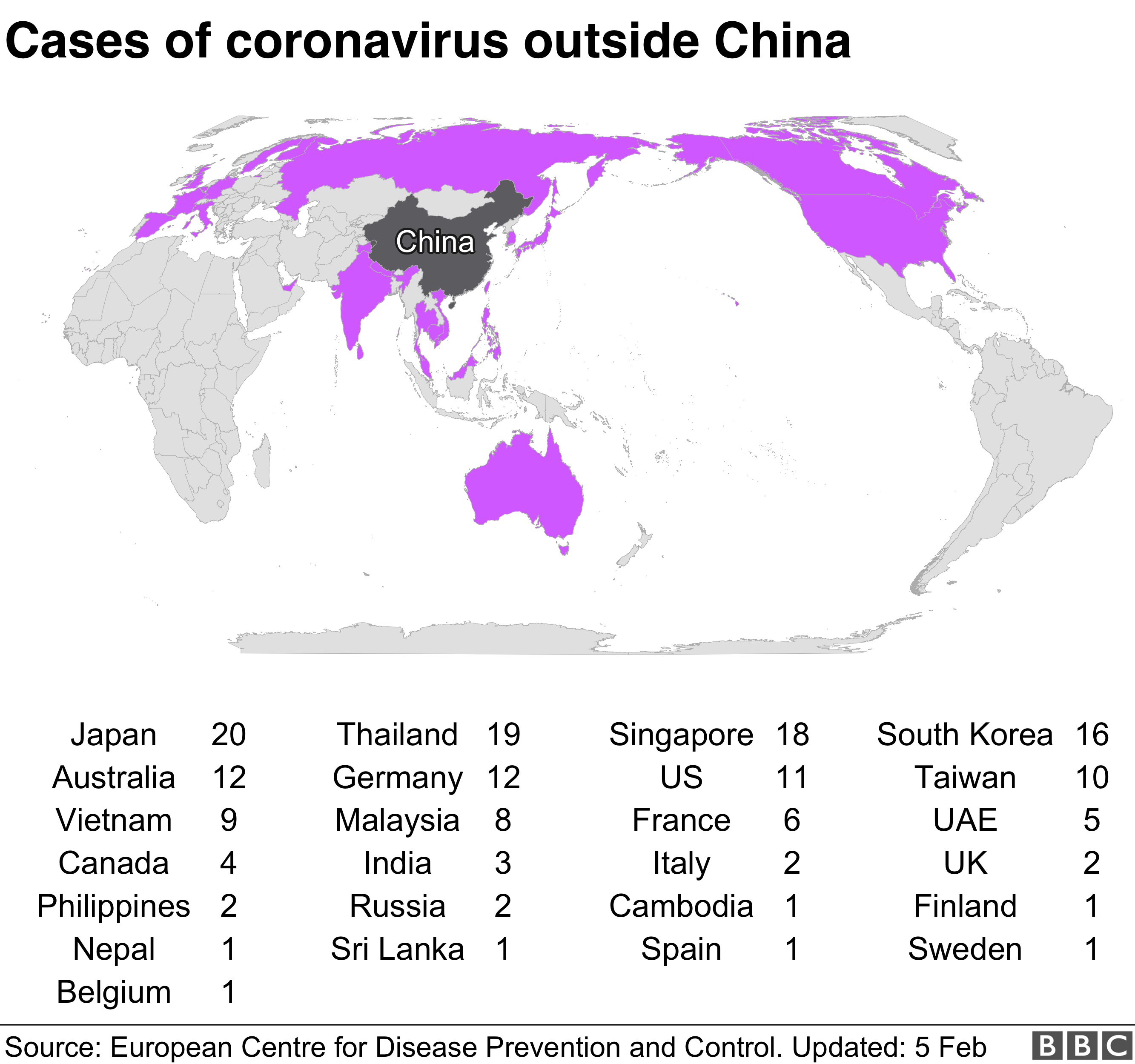
Ninety Nine percent (99%) of the 24,000+ cases and nearly all of the 490 confirmed deaths (with 2 exceptions, one in Hong Kong and one in the Philippines) so far have been in China.  Despite this, the WHO emergency declaration crucially allows for additional resources and support for lower and middle-income countries to strengthen their disease surveillance and prepare them for potential cases or outbreaks. At the present time, to the considerable credit of the Chinese response – partly arising of course from international condemnation of a less than transparent response to the SARS outbreak in 2003 – there are Herculean efforts and resources being devoted to containing the threat from the new pathogen.  This includes the drastic attempted quarantine of a whole region and the speed of construction of new facilities such as 1000 bed dedicated hospitals.


While 2019-nCoV seems to be less lethal than SARS, there is no doubt that it is clearly more transmissible with The World Health Organization stating that the preliminary R0 (reproduction number) estimate is 1.4 to 2.5, meaning that every person infected can potentially infect between 1.4 and 2.5 people (R0 for SARS being 0.19–1.08, with a median of 0.49)[4]. With the spectrum of clinical presentations ranging from mild respiratory illness to life threatening viral pneumonia, the health impact of the ongoing outbreak is very difficult to predict and unanswered questions abound. How many people may have shrugged off mild / virtually asymptomatic infections for instance is not possible to know until follow-up sero-conversion studies[5] can be used to estimate the burden of ‘silent infections’.

Aside from higher transmissibility, the more worrying aspect of 2019-nCov however is the reports of an incubation period of up to 14 days during which an infected individual might both be asymptomatic (displaying no evident symptoms that could be screened for) and also crucially, at the same time during this period, infectious and capable of transmitting the virus to new hosts. The potential 14 day incubation period without symptoms effectively means that the cases which are being confirmed at the present time merely reflect the ‘true burden of infection’ from two weeks ago. As a result we will only have any real sense of the effectiveness of Chinese efforts to contain the virus a fortnight after the stringent travel restrictions imposed around Wuhan province and other parts of China.

As many seasoned experts in these matters have cautioned, schooled as they have been by experience of previous episodes, predicting the behaviour of a newly emergent pathogen is a hazardous business and a great deal of uncertainty surrounds its likely route to potential pandemic status. A virus adapting to a new species host (in this case humans!) is an unstable entity and its defining characteristics today in terms of those who are most vulnerable and their risk of serious or life threatening illness may be very different in the weeks and months ahead.

Eventually of course, a virus keen on longevity in a new host needs to curb its pathogenicity[6] and ideally result in only mild symptoms that will reduce the attention it attracts from a host immune response. Many of the hundreds of viruses, including coronavirus subtypes that cause the common cold, once jumped the species barrier and evolved into relatively benign pathogens. Even the deadly “Spanish flu” epidemic of 1918[7], which killed around 60 million people Worldwide in 1918-1920 and comprised of the influenza subunits H1N1, circulates today in the form of seasonal flu in a genetic variant with greatly reduced lethality.

How serious the current outbreak will be in terms of impact and mortality remains to be seen. SARS of course was eventually successfully contained by stringent infection control, contact tracing and quarantine procedures. While 2019-nCov is not currently as life-threatening an illness as SARS, its greater transmissibility, longer incubation period and potential for symptomless transmission (SARS was only transmissible when symptomatic), do not bode well for ease of containment so it is hardly surprising that the WHO have seen fit to play their strongest card and declare it an emergency.

We can only hope that the response may be timely enough.


John Mooney worked previously for NHS Health Protection where he specialised in the epidemiology of respiratory infectious diseases.


References:
  1. Coronavirus declared global health emergency by WHO: https://www.bbc.co.uk/news/world-51318246
  2. Coronavirus: UK patient is University of York student: https://www.bbc.co.uk/news/health-51337400 
  3. 2019 Novel Coronavirus Basics: CDC FAQs: https://www.cdc.gov/coronavirus/2019-ncov/faq.html
  4. Emerg Infect Dis. 2004 Jul; 10(7): 1258–1263 https://www.ncbi.nlm.nih.gov/pmc/articles/PMC3323341/
  5. Seroconversion: The development of detectable antibodies in the blood that are directed against an infectious agent. Antibodies do not usually develop until some time after the initial exposure to the agent.
  6. Pathogenicity is defined as the absolute ability of an infectious agent to cause disease/damage in a host - an infectious agent is either pathogenic or not. From: Fenner and White's Medical Virology (Fifth Edition), 2017
  7. 1918 Pandemic (H1N1 virus): https://www.cdc.gov/flu/pandemic-resources/1918-pandemic-h1n1.html

Image 2: Capture from the BBC News website, 5 February 2020. Coronavirus: Ten passengers on cruise ship test positive for virus. Source: European Centre for Disease Prevention and Control. Updated 5 Feb. https://www.bbc.co.uk/news/world-asia-51381594.

Thursday, 11 October 2018

Safe negotiation of neighbourhoods should be non-negotiable

Posted by Lesley Haley, AskFuse Research Associate, Teesside University

It’s World Sight Day today. This annual event highlights a range of issues surrounding visual impairment, and the day is linked to the World Health Organisation’s Global Action Plan on sight health. Today is also ‘bin collection day’ where I live, when wheelie bins and recycling boxes migrate from their backyards and gardens to clutter our pavements. It’s a weekly event that occurs in every village, town and city. It’s also a weekly hazard to be negotiated and endured by thousands of our neighbours. Especially those with visual impairment.


It’s not an obvious connection - World Sight Day and ‘bin day’. And frankly it was a connection that didn’t occur to me either, until I went to the ‘Negotiating Neighbourhoods’ event earlier this year, run by Fuse, the Royal National Institute for the Blind (RNIB), and the Sight Service. The event examined getting around our neighbourhoods, and gave feedback on Newcastle City Council/RNIB’s Newcastle Street Charter. The Charter describes the barriers faced by people with sight loss or mobility issues, and the actions and commitments needed and agreed to reduce these barriers (Newcastle City Council 2017). At the event, policy makers, researchers and people who are experts by experience shared their opinions and insights into safely getting around the built environment of our streets, local neighbourhoods and public spaces. This included feedback on the proliferation of street furniture such as advertising boards, lamp posts, bollards, street signs, bushes, cars parked on pavements, and wheelie bins (Newcastle City Council 2017).

Sight loss affected more than two million people in the UK in 2015, with one in five people aged over 75 living with some form of sight loss, including macular degeneration (RNIB 2018c). So for a significant number of our neighbours with mobility or sight issues, street ‘clutter’ is an increasingly frustrating and problematic issue.

It’s a public health issue too. Street furniture is impacting the health and wellbeing of people with mobility or sight loss issues. The built environment, and the street furniture cluttering it, “is restricting physical activity participation for people with sight loss” (Phoenix et al, 2015, p.127). Sight loss is associated with reduced physical activity, and the adverse social, economic and psychological effects of sight loss are being more widely recognised, including loneliness and isolation (Sim and Mackie 2015). Even the Design Council (2017) reported that ‘hostile’ public spaces could increase people’s risk of disease as it contributed to sedentary lifestyles and social isolation.

Can the humble wheelie bin really be classed as ‘hostile’? The experts by experience at the ‘Negotiating Neighbourhoods’ event have bitter experiences to prove it. Research in public health would also back them up. In 2015, 95 per cent of blind and partially sighted people reported that, in the previous three months, they had collided with a street obstacle, and a third said they had injured themselves while walking around their local area (RNIB 2015a). Many participants in the research carried out by Phoenix et al (2015) talked about injuries and also damage to their self-esteem when outdoors, because of a poorly designed built environment. Street ‘clutter’ is literally having a big impact on our neighbours as they try to navigate our streets.

At the ‘Negotiating Neighbourhoods’ event, the audience was asked “What changes could make the situation better?” Well, from a personal perspective, I have tried to stop parking my car on the pavement, have changed where I place my wheelie bin on ‘bin day’, and have tried to write (this) my first ever blog to raise awareness of the issue.

So what are your thoughts? Could you make one small change in your neighbourhood to make everybody’s everyday journeys just a little bit safer?

Surely, on World Sight day in 2018, being able to safely negotiate our neighbourhoods, should not be negotiable?

#WorldSightDay


References:

Design Council (2017) Creating Health Places Available at: https://www.designcouncil.org.uk/what-we-do/built-environment/creating-healthy-places (Accessed: 23.08.2018).

Newcastle City Council (2017) Newcastle Street Charter. Newcastle: Newcastle City Council. Available at: https://www.newcastle.gov.uk/sites/default/files/wwwfileroot/your-council-and-democracy/equality-diversity-and-citizenship/newcastle_street_charter_final.pdf (Accessed on: 23.08.2018)

Phoenix, C. Griffin, M. Smith, B. (2015) ‘Physical activity among older people with sight loss: a qualitative research study to inform policy and practice environment,’ Public Health 129 (2) pp. 124-130

Royal National Institute of Blind People (RNIB) (2015a): Daily assault course of street obstacles and dangerous crossings injuring blind people. Available at: http://www.rnib.org.uk/daily-assault-course-street-obstacles-and-dangerous-crossings-injuring-blind-people. (Accessed 26.04.2018)

Royal National Institute of Blind People (2018c) Key information and statistics on sight loss in the UK. Available at: https://www.rnib.org.uk/professionals/knowledge-and-research-hub/key-information-and-statistics (Accessed: 01.06.2018).

Sim F, and Mackie, P (2015) ‘Sight – the most critical sense for public health?’ Public Health. 129 (2) pp. 89–90. Available at: http://dx.doi.org/10.1016/j.puhe.2015.01.009. (Accessed: 22/08/2018)

World Health Organisation (2009) Global Action Plan for the Prevention of Avoidable Blindness and Visual Impairment 2009-2013. Available at: https://www.iapb.org/resources/who-action-plan-for-the-prevention-of-avoidable-blindness-and-visual-impairment-2009-2013/ (Accessed: 23.8.2018)

Friday, 9 March 2018

How industry-funded organisations mislead the public on alcohol & cancer

Guest post by Dr Nason Maani Hessari, Research Fellow, London School of Hygiene and Tropical Medicine

When it comes to the risk of cancer associated with alcohol consumption, there is a significant disconnect between scientific evidence and public opinion.

The evidence of the independent link between alcohol consumption and cancer is clear, as emphasised by recent comprehensive reviews by the UK Committee on Carcinogenicity* (Committee on Carcinogenicity of chemicals in food, 2015), and the International Agency for Research on Cancer (IARC, 2012). Drinking alcohol can cause a range of cancers, including oral cavity, pharynx (cavity behind the nose and mouth), larynx (voice box), oesophagus (gullet), colorectal (bowel and colon), breast and liver cancer. Furthermore, the risk of developing cancers of the mouth, throat and breast increases with any amount consumed on a regular basis (Department of Health, 2016). However, public awareness of this link remains low, with a 2016 survey reporting only 12.9% of respondents identifying cancer as a potential consequence of drinking too much alcohol (Buykx et al., 2016).

What does this have to do with the alcohol industry? Well, in the UK and many other countries, alcohol-industry funded organisations, called Social Aspects Public Relations Organisations (SAPROs), present themselves as sources of health information to the public, particularly around ‘responsible drinking’, underage drinking and drink driving (Maani Hessari and Petticrew, 2017). These organisations have been criticised for their inherent conflict of interest, as they are linked to large multinational alcohol producers, for whom a large proportion of profits come from harmful drinking (Casswell et al., 2016). The industry has a track record of focusing on education and individual responsibility, while lobbying against population-level measures to reduce alcohol-related harm (Babor and Robaina, 2013), even though these are evidence-based (Burton et al., 2017), and form the basis of the WHO Global Alcohol Strategy, in which alcohol producers participated (World Health Organisation, 2010).

Considering the role of the alcohol industry in providing information to consumers, we decided to examine the extent to which the industry fully and accurately communicated the scientific evidence on alcohol and cancer. To do this, we systematically examined the content of 27 industry-funded organisations or websites. In each case, we analysed how information regarding alcohol and cancer was presented, and whether the statements they made about cancer risk were in agreement with the scientific evidence, as presented in the Committee on Carcinogenicity (COC) and IARC reviews.

We found that most alcohol industry SAPROs appeared to misrepresent evidence by denying, distorting or distracting from links to cancer, particularly breast cancer (Petticrew et al., 2017, Petticrew et al., 2018). A full list of examples can be found in our paper and the supplementary information, but as an example of denial, consider this:
“Moderate wine intake may actually reduce the risk of oesophagus, thyroid, lung, kidney and colorectal cancers as well as Non-Hodgkin’s Lymphoma…Concerning breast cancer, there may also be a protective role for wine.” [Wine Information Council].
When some risk was acknowledged, it was often presented alongside a range of other confounders, thus undermining the evidence that there is an independent relationship. For example:
“Alcohol has been identified as a known human carcinogen by IARC, along with over 1,000 others, including solvents and chemical compounds, certain drugs, viral infection, solar radiation from exposure to sunlight, and processed meat.” [International Alliance for Responsible Drinking]
Or in another instance:
“Not all heavy drinkers get cancer, as multiple risk factors are involved in the development of cancers including genetics and family history of cancer, age, environmental factors, and behavioural variables, as well as social determinants of health.” [Australia: Drinkwise].
It is not clear how the consumer is meant to interpret this information. The use of such descriptions to describe risk of cancer from smoking would in essence be both equally correct, and equally misleading. In fact, this type of language is highly reminiscent of arguments used by the tobacco industry, which emphasise the complex causes of lung cancer and coronary heart disease, in order to help deny the scientific evidence and identify other independent risk factors for smoking-related diseases to deflect focus from their products (Petticrew and Lee, 2011).

Since the publication of our findings (Petticrew et al., 2017, Petticrew et al., 2018), additional examples of alcohol industry representatives openly disputing the link between alcohol and cancer continue to emerge. For example, a recent study in the Yukon, Canada, examining the effects of adding a cancer warning label to alcohol (as one of three potential labelling options) has been suspended due to industry pressure.

Perhaps even more striking: as part of the ongoing debate in Ireland regarding the Public Health Alcohol Bill (PHAB), when a physician noted on live TV that alcohol was a carcinogen, a leading alcohol industry spokesperson countered inaccurately that alcohol was in fact, not a carcinogen, and that there were “…as many studies, medical studies, as there are on the ‘pro’ side…” (clip below).


It has been argued that greater public awareness, particularly of the risk of breast cancer, poses a significant threat to the alcohol industry (Connor, 2017). In response to other threats to profits, there is evidence that the industry has attempted to engage in “denialism” (Katikireddi and Hilton, 2015), and it appears this may also be the case for cancer, particularly breast cancer.

Currently, the alcohol industry remains involved in developing alcohol policy in many countries, and in disseminating health information to the public, including school children. Our research findings, which build on existing evidence regarding the activities of SAPROs (Babor and Robaina, 2013, McCambridge et al., 2014, Moodie et al., 2013), should be cause for a re-evaluation of such arrangements. The World Health Organisation has previously stated that ‘In the view of the WHO, the alcohol industry has no role in the formulation of alcohol policies, which must be protected from distortion by commercial or vested interests.’(Chan, 2013). The clear and obvious similarities to tobacco industry tactics that we report, which reflect the inherent conflict of interest, serve as a reminder that policies are but one aspect at risk of industry distortion.


All views expressed are those of the author.


References

BABOR, T. F. & ROBAINA, K. 2013. Public health, academic medicine, and the alcohol industry's corporate social responsibility activities. Am J Public Health, 103, 206-14.

BURTON, R., HENN, C., LAVOIE, D., O'CONNOR, R., PERKINS, C., SWEENEY, K., GREAVES, F., FERGUSON, B., BEYNON, C., BELLONI, A., MUSTO, V., MARSDEN, J. & SHERON, N. 2017. A rapid evidence review of the effectiveness and cost-effectiveness of alcohol control policies: an English perspective. Lancet, 389, 1558-1580.

BUYKX, P., LI, J., GAVENS, L., HOOPER, L., LOVATT, M., GOMES DE MATOS, E., MEIER, P. & HOLMES, J. 2016. Public awareness of the link between alcohol and cancer in England in 2015: a population-based survey. BMC Public Health, 16, 1194.

CASSWELL, S., CALLINAN, S., CHAIYASONG, S., CUONG, P. V., KAZANTSEVA, E., BAYANDORJ, T., HUCKLE, T., PARKER, K., RAILTON, R. & WALL, M. 2016. How the alcohol industry relies on harmful use of alcohol and works to protect its profits. Drug Alcohol Rev, 35, 661-664.

CHAN, M. 2013. WHO's response to article on doctors and the alcohol industry. Bmj, 346, f2647.

COMMITTEE ON CARCINOGENICITY OF CHEMICALS IN FOOD, C. P. A. T. E. C. 2015. Statement 2015/S2.

CONNOR, J. 2017. Alcohol consumption as a cause of cancer. Addiction, 112, 222-228.

DEPARTMENT OF HEALTH 2016. UK Chief Medical Officers' Alcohol Guidelines Review - Summary of the proposed new guidelines.

IARC 2012. Personal habits and indoor combustions. IARC monographs on the evaluation of carcinogenic risks to humans.

KATIKIREDDI, S. V. & HILTON, S. 2015. How did policy actors use mass media to influence the Scottish alcohol minimum unit pricing debate? Comparative analysis of newspapers, evidence submissions and interviews. Drugs (Abingdon Engl), 22, 125-134.

MAANI HESSARI, N. & PETTICREW, M. 2017. What does the alcohol industry mean by 'Responsible drinking'? A comparative analysis. J Public Health (Oxf), 1-8.

MCCAMBRIDGE, J., KYPRI, K., MILLER, P., HAWKINS, B. & HASTINGS, G. 2014. Be aware of Drinkaware. Addiction, 109, 519-24.

MOODIE, R., STUCKLER, D., MONTEIRO, C., SHERON, N., NEAL, B., THAMARANGSI, T., LINCOLN, P. & CASSWELL, S. 2013. Profits and pandemics: prevention of harmful effects of tobacco, alcohol, and ultra-processed food and drink industries. Lancet, 381, 670-9.

PETTICREW, M., MAANI HESSARI, N., KNAI, C. & WEIDERPASS, E. 2017. How alcohol industry organisations mislead the public about alcohol and cancer. Drug Alcohol Rev.

PETTICREW, M., MAANI HESSARI, N., KNAI, C. & WEIDERPASS, E. 2018. The strategies of alcohol industry SAPROs: Inaccurate information, misleading language and the use of confounders to downplay and misrepresent the risk of cancer. Drug Alcohol Rev.

PETTICREW, M. P. & LEE, K. 2011. The "father of stress" meets "big tobacco": Hans Selye and the tobacco industry. Am J Public Health, 101, 411-8.

WORLD HEALTH ORGANISATION 2010. Global Strategy to Reduce the Harmful Use of Alcohol.

*Carcinogen is any substance or agent that promotes the formation of cancer


Image: ‘Spilling wine’ (3375802661_fc4ff615ba_z) by Gunnar Grimnes via Flickr.com, copyright © 2009: https://www.flickr.com/photos/gromgull/3375802661

Friday, 17 March 2017

Food as a job, life and research: the many meanings of what we eat

Posted by Amelia Lake, dietitian and public health nutritionist & Fuse Lecturer in Knowledge Exchange in Public Health, Durham University

Food is my job. As an academic dietitian and public health nutritionist I spend my time questioning why people eat what they eat, and thinking about what we can do to change behaviours. As a mum, I also spend a lot of time at home wondering why a 4-year-old and a 17-month-old eat what they eat!

Its nutrition and hydration week, which aims to highlight, promote and celebrate improvements in the provision of nutrition and hydration locally, nationally and globally. So this is an excellent opportunity to explore the many roles of food in public health.
Top shelf material

Food is life. We need nutrition and hydration for life and to maintain health.

Food is a thread that moves through every aspect of our life from the everyday to the special occasion.

I read somewhere that the origin of culture was when raw ingredients were cooked. The importance of this event was not so much in how food was prepared but in the organisation of individuals around meals and meal times.

Food has shifted populations and started wars; think of the thirst for sugar, tea and coffee (also known as the ‘hot drinks revolution of the eighteenth century’) and the impact that had on various countries and their populations.

Food is our culture and identity; it is an intrinsic description of who we are and where we come from. For example, I am a complex mixture of Persian dishes, Indonesian dishes and some Northern Irish wheaten bread and Tayto crisps.

Food is our comfort. That dish your mother made, it’s a warm familiar blanket; it evokes memories, both good and bad. It is a way in which we show others that we care for them and are thinking of them.

The party bag horde - a focal point for arguments
Food is a focal point for arguments: “No you can’t have any more sweets from the party bag…” A conversation every parent has at one point or another.

Our social media feeds provide us with ‘food porn’, hands that whizz up magical results in seconds. Additionally, social media and the press provide us with self-styled food and nutrition 'experts' presenting us with spiralised courgette and clean eating advice.

Food continues to dominate our life and the public health agenda on a global scale.

The World Health Organization’s global targets for 2025 to improve maternal, infant and young child nutrition tackle a range of issues from obesity to stunting and wasting.

In this country we are familiar with the concept of our obesogenic environment; an environment in which calories are easily accessible and available and with little opportunity to expend that energy. In an attempt to tackle the obesity problem in this country our government will follow Mexico and introduce a sugar levy.

Despite the issues of over-nutrition and the seemingly endless opportunity to buy food, food poverty is a term we have become more familiar with. Despite it sounding like it belongs to another era, it’s a very real issue for a significant proportion of our population. Oxfam estimates that 500,000 people in the UK are now reliant on food parcels. Foodbanks provide nutrition to those who struggle to feed themselves and their families and have sadly experienced rapid growth in recent years, especially in the UK.

How can research help to address these global and local problems?

Free fruit with every purchase
Within Fuse ‘food’ runs through a number of research themes, from behaviour change to healthy ageing. As part of the national School for Public Health Research, a team of Fuse researchers has evaluated a food training programme run by Redcar and Cleveland Council. To promote the findings from this research we decided to create a short film and this week were filming in a small sandwich shop in the market town of Guisborough, where you were offered a free piece of fruit with every purchase. This small business owner’s focus is food. She provides food to customers every lunch time. This owner had attended the training course run by the Council and decided to make a difference by providing more healthy food.

This is an important step, supported by research. On this nutrition and hydration week, I am sure you will agree that there is still much to be done on this important and vast topic across many disciplines and on a global scale.

Friday, 13 January 2017

A prescription for tackling riskier drinking?

Guest post by John Mooney, Fuse associate and Senior Lecturer in Public Health, University of Sunderland.

In keeping with the ‘Dry-January’ season, John Mooney reflects on a current initiative to assess the feasibility of alcohol brief interventions in high street pharmacies…

“A man walks into a high street chemist – and asks for a paracetamol and an Alka-Seltzer…” could be the start of a very unpromising joke or sketch outline… Thankfully, it’s neither, as it more accurately depicts a very common scenario, which might represent the basis of a potentially effective setting (namely pharmacy / high street chemist shops) for health promotion messages around the health risks from alcohol misuse and / or overconsumption.

AUDIT score card collection box, with prize incentive to participate
Alcohol unit indicator diagram


Unsurprisingly perhaps, it is by now fairly well established that “alcohol brief interventions” (ABIs) - in which short well-validated questionnaires about habitual drinking patterns and consequences are linked to tailored advice and feedback - can be an effective intervention in primary care based consultations / GP practices as evidenced in the SIPS trial. Evidence for the effectiveness of such interventions however is less convincing in other settings, even those where, as in a GP consultation, health is the primary focus of the interaction. Pharmacy outlets for example might be considered an obvious parallel candidate ‘setting’ where, as in the scenario above, there may clearly have been an alcohol related context surrounding the primary reason for the person’s visit.

Indeed, in addition to over-the-counter ‘remedies’ which might be sought out after alcohol over-indulgence, there are a number of ‘indicator-prescriptions’ which could be suggestive of a more chronic / long-term damaging level of alcohol consumption (such as stomach acid suppressants or high blood pressure medications). High street chemists therefore, by virtue of their community embedded location, specialist knowledge and windows of opportunity for engagement, could theoretically present a very promising setting for ABIs. The lack of evidence of effectiveness in studies where this has been rigorously evaluated, has prompted questions as to why this might be the case. Investigators have speculated on the explanation being attributable to anything from the variable attitudes of pharmacy staff to the additional time and resource constraints associated with modern pharmacy practice. A recent Master of Pharmacy dissertation at the University of Sunderland(1) – which explored possible reasons in interviews with pharmacy staff, provided some local corroboration for these potential explanations. Interviews with participating pilot sites had also however noted the value of the awareness raising aspect of the process:

“Some patients had been drinking a bottle of wine a night and didn’t realise that it could contain 9-10 units and they were really shocked when they realised”

Other potential strengths of pharmacies as a setting for ABIs might be the now well established practice of providing support to pharmacies looking to embrace a wider health promotion role. As part of NHS England’s current ‘Promotion of Healthy Lifestyles’ programme, pharmacies are now required to participate in up to six health promotion campaigns per year(2). This generally involves the display and distribution of leaflets provided by NHS England or other collaborating institutions or stakeholders. As a result, there are usually highly visible and engaging ‘health promoting and awareness raising materials’ adorning the display areas of high street pharmacies and messages around alcohol health risks and reducing them are often a focus of such displays.

Given that the brief questionnaires and tailored advice of alcohol brief interventions is a more pro-active approach than the passive display of information, a current UK pilot feasibility study for pharmacies in several UK regions funded by Drinkaware UK, involves participants self-completing a score card that is the basis of most ABI interventions. Abbreviated as AUDIT, the Alcohol Use Disorder Identification Test, developed by the World Health Organisation(3), involves a series of questions about drinking habits and the extent to which drinking might have impacted on daily activities. Not quite ‘shock tactics’, the revelation of a score that flags up concern – can give respondents some cause for reflection – especially after the season of excess! Of course the score cards themselves have information on where respondents can seek further help and participating outlets receive training in responding to questions that might arise. Essentially the pilot aims to examine how best to integrate ABIs, as unobtrusively as possible into the day-to-day working of the pharmacy.

Not a programme lacking in ambition, the same score cards are also being distributed by trained advisors in selected participating supermarkets and other community settings across the UK, the evaluation of which is set to be complex and challenging. Ultimately the organisers hope to be able to make best practice recommendations about the most effective way to implement ABIs in pharmacies and other settings, where traditionally ‘hard to reach groups’ including working age men (a key high risk group for developing alcohol related health problems) can be more easily targeted.

AUDIT score cards with information leaflets
Indeed the current Drinkaware national campaign (‘Have a little less’) of which the above initiative is a part, will be run to coincide with 'Dry-January'. With a particular focus on working age men aged between 45-60, the message is that ‘Having a little less’ alcohol can have significant health benefits. This is in line with an emerging expert consensus around some of the potential drawbacks of an over-emphasis on one month of the year(4) and that it would be more beneficial for example to achieve three drinking free days for every week of the year. With long term trends in UK consumption still on the rise and a 44 per cent increase since 2009 in those aged 50 and over accessing alcohol treatment, all initiatives exploring innovative ways of getting the message across are to be welcomed. Don’t be too surprised therefore if you are asked about alcohol consumption the next time you collect a prescription!


Note: The Sunderland University Team who are evaluating the Drinkaware community ABI pilot comprises: Prof Jonathan Ling, Mr John Mooney (PI), Dr Zeibeda Sattar and Dr Nicola Hall. Please address any correspondence to john.mooney@sunderland.ac.uk

References:
  1. Asghar S. Assessing the Feasibility and Practicality of delivering Alcohol Brief Interventions in Pharmacy Settings. MPharm Dissertation, University of Sunderland 2015/16.
  2. PSNC page on promoting healthy lifestyles: http://psnc.org.uk/services-commissioning/essential-services/public-health/ 
  3. PHE Guide to WHO AUDIT: https://www.alcohollearningcentre.org.uk/Topics/Latest/AUDIT-Alcohol-Use-Disorders-Identification-Test/ 
  4. http://theconversation.com/dry-january-is-it-worth-giving-up-alcohol-for-a-month-51956
Photography by Eileen Robinson Art ©

Thursday, 12 May 2016

The 'Wow' moments

Posted by Rosemary Rushmer, Professor of Knowledge Exchange in Public Health, and Dr Peter van der Graaf, AskFuse Research Manager, Fuse and Teesside University

From the 26-28 April, Fuse hosted the Third International Conference on Knowledge Exchange in Public Health in Newcastle-Gateshead. The conference explored “Evidence to Impact in Public Health" in partnership with Tranzo (Dutch Scientific Center for Care and Welfare) and the World Health Organization (WHO), Regional Office for Europe. More than 160 participants from five continents descended upon the Quayside to discuss the latest research and evidence on knowledge exchange practices through papers, posters, interactive workshops and soapbox sessions – and continued these deliberations during the conference reception and dinner, organised walks and yoga sessions.

How do you sum up a conference like this? We are used to filling in ‘happy sheets’ when we attend conferences, giving our scores on the speakers, the accommodation, and if the food was hot…but what about the ‘Wow!’ moments that participants share with each other in the informal spaces?

Below are a few of those hidden moments:

(Day 1: Keynote speaker Professor Bev Holmes, Vice-President, Research
& Impact at the Michael Smith Foundation for Health Research, Vancouver)


‘Wow, she has a lovely way of asking really difficult questions in such a nice, unthreatening way…’


(Day 2: Keynote speaker Professor Hans Van Oers,
Professor in Public Health, Tranzo, Tilburg University)


‘Wow, how did they manage to carry out that research against all that opposition and yet laugh about it now… you can have a good time, be funny, and serious as well…’


(Day 1: Keynote speaker Professor Kieran Walshe, Professor of
 Health Policy & Management, Manchester Business School)


‘Hmm, we can learn about innovation in public health from the car industry and Amazon…’

‘(Sigh) Is that how much we spend on pharmaceutical research and how little we spend on working together to get evidence used. That needs to change…’
(Day 2: Keynote speaker Claudia Stein, Director of the Division of Information,
 Evidence, Research & Innovation, World Health Organisation (WHO))


‘Wow’ it’s that last presentation of the conference and the room is still full.’
(Day 2: Professor Peter Kelly, Director of Public Health
& Adult Social Services, Stockton Borough Council)


‘Goodness! Your Directors of Public Health (DsPH) have taken time out to chair sessions and present…’ (When I fed this back to one DsPH, to show the planning committee’s appreciation of their participation, he was surprised at the delegates surprise… ‘What on earth happens elsewhere…?’ he said.


Maybe we, in Fuse, do have a ‘special relationship’ with our policy and practice partner that makes Knowledge Exchange in public health easier in the North East of England. We, the organising committee, were wowed by the enthusiasm and engagement of all participants during the conference. Discussions were lively with active and positive contributions from not only researchers but in particular public health practitioners and policy makers. Their engagement in the conference is the real evidence of how far we have come with knowledge exchange in the North East and the impact we are having together on public health and local wellbeing, and this is being noticed internationally.

Here's to the next conference!

Visit the Fuse website to find out more about the conference: www.fuse.ac.uk