Showing posts with label northeast. Show all posts

Tuesday, 4 November 2025

Brand to ban: What young people really think about energy drinks

Posted by Professor Amelia Lake, Fuse Deputy Director; Dr Helen Moore, Fuse Associate; and Grace Stewart - Teesside University. 

Walk into any corner shop, and you’ll see them lined up in the fridge: brightly coloured cans promising energy, improved focus and even hydration. They’re everywhere online too, all over social media feeds... What are we talking about? Energy drinks. They have become a familiar part of the landscape in the UK, but particularly for young people who are consuming them in ever increasing numbers; the question is, why are they so popular, and what is being done about it?

What are energy drinks?


High-caffeine energy drinks are soft drinks that contain at least 150 milligrams (mg) of caffeine per litre of drink, which is higher than other soft drinks. Back in 2018, Jamie Oliver led a campaign that resulted in many retailers voluntarily banning sales to under-16s. Fast forward to July 2024, and the new Labour Government announced in the King’s Speech that it would restrict the sale of energy drinks to under-18s. There is currently a live Government consultation around banning the sale of high-caffeine energy drinks to children which will close on 26 November 2025. If you want to contribute, please do so.

Our research


Our mixed-method qualitative study was published in the Journal of Human Nutrition and Dietetics this week. The work was carried out in North-East England and sheds light on the reasons behind young people still consuming these drinks in large numbers, and what they, the consumers, really think could be done about it.

Our research involved:
  • Focus groups with 50 students aged 9–14 years old
  • A survey completed by 22 Year 9 students (aged 13–14 years old)
The aim was to understand how children and young people perceive energy drinks and hydration drinks, and to explore their consumption habits post the UK’s 2018 voluntary sales ban to under-16s. This follows on from our earlier work published in 2017.

What did we find?
  • 81.8% of surveyed students (13-14 year olds) consume energy drinks, with boys drinking more frequently than girls.
  • Most young people drink EDs 2-4 times a week, and many started before age 12 years.
  • Taste, branding, and peer influence were major motivators.
  • Corner/local shops were the most common purchase point, often with little enforcement of age restrictions.
  • Hydration drinks (e.g. PRIME) are seen as healthier alternatives, though their actual health impact is still unclear.

So, why are energy drinks so popular?

Through the focus groups, we learned that young people are really clued-up about energy drinks. They talked about branding, marketing, taste, peer influence, cost, and just how easy it is to get hold of them. From YouTube ads to celebrity endorsements (think F1 and YouTubers like Logan Paul and KSI), marketing was seen as a powerful force driving consumption. One young person said:

“If I made the exact same drink, in a bottle, no one would buy it.”

Bright colours, cool designs, and slogans were all cited as reasons that young people are drawn to these products. Many of the young people taking part in the research knew that they were being targeted by the manufacturers, but they didn’t mind. In fact, some saw energy drinks as part of their identity, linked to gaming, sports, or just being “cool.”


Policy gaps and opportunities


Despite the 2018 voluntary ban mainly in supermarkets, energy drinks remain easily accessible. Many children believed there was a legal age restriction but said that they could still buy energy drinks from shops or online without ID checks. This links back to the importance of the current live consultation around Energy Drinks and sales restrictions.

This raises an important point for policymakers to consider: if energy drinks are still seen as aspirational, accessible, and part of youth culture, young people will find ways to get them, or switch to similar products that exist outside of the ban. There needs to be a wider strategy to tackle this, which means tighter regulation of marketing (anywhere that young people spend their time - including online spaces), effective, up-to-date, accurate education about the health impacts of energy drinks and the tactics used by manufacturers, and importantly including young people in this conversation.

Our research shows that young people are not passive consumers of energy drinks. They’re thoughtful, aware, and influenced by a range of social and cultural factors that need to be understood if we want to reduce energy drink consumption.

Our study had several possible interventions suggested by young people:
  • Actual legislative enforcement of age restrictions.
  • Changing product placement in stores (e.g., away from essentials and in areas similar to cigarettes and alcohol).
  • Duller packaging and clearer health warnings.
  • Wider awareness around health risks.
Why this matters

Energy drinks are linked to a range of health issues; from insomnia and anxiety to obesity and poor academic performance. Yet, their appeal among young people remains strong, driven by clever, pervasive, marketing in addition to peer influence.

Our paper highlights the urgent need for strong policy action, increased awareness, and further research in this space.


Images:
2: Photo by thom masat on Unsplash (with modifications)

Friday, 10 October 2025

Changing the narrative on gambling harms in the North East

Posted by Dr Andrew Richardson - Research Associate (Gambling Harms), Newcastle University; Alice Beadle, Public Health Specialist - Gambling Harms, Middlesbrough Council; and Laura Sheridan, Public Health Officer – Gambling Harms, Middlesbrough Council


Gambling is staking money, or something of value, on the outcome of something involving chance. Gambling activities can include arcades, esports and video games, betting shops, online betting, gaming machines, lotteries, bingo, casinos and other common types of gambling. Gambling harms affect thousands of people across England but the North East faces the greatest risk. National estimates suggest that 3.8% of people are at elevated risk from gambling. In the North East, that figure rises to nearly 5% of people aged 16 and over - the highest rate of at-risk gambling in the country. These people experience a range of negative consequences, from financial hardship to serious mental health challenges.

To explore the scale and impact of gambling harms in the region, read the Regional Health Needs Assessment for Gambling.

What are gambling harms?

Gambling harms are any negative consequence or side effect experienced because of gambling. They may be felt by the person who is gambling or may be experienced by those close to them, such as a family member, friend or colleague, known as ‘affected others’. For each person who experiences gambling harm, on average six others are affected - often partners and children.

Whilst anyone can be harmed by gambling, it does not affect everyone equally. The harms from gambling are varied and may also be interconnected. They include:
  • Increased stress and poor mental health (such as anxiety, depression and suicide risk).
  • Financial hardship, debt, asset loss and bankruptcy.
  • Relationship breakdowns due to increased conflict, issues with trust and stress associated with harmful gambling. There are also links between gambling and domestic violence.
  • Reduced performance and absenteeism in education and in the workplace.
  • Stigma and shame associated with gambling behaviour.
  • Threatening behaviour, damage to property, fraud and theft.
For many, gambling harms leave a legacy and may be experienced for many years after the event.

A public health approach


The Association of Directors of Public Health in the North East (ADPH NE) Gambling Harms Programme aims to tackle the harm caused by gambling in the North East with a coordinated regional approach. The Programme received funding that originally came from a gambling operators’ penalty but was redirected by the Gambling Commission - called a ‘regulatory settlement’.

Gambling harms are complex, and prevention approaches need to move away from ‘personal responsibility’ to population-wide social, economic and environmental interventions. Messaging from the gambling industry often sets the narrative by placing responsibility onto the individual to address harmful gambling, despite the many ways gambling products are designed to be addictive. This can lead to increased stigma and shame and create additional barriers to help-seeking behaviour.

The Regional Office, a team hosted by Middlesbrough Council, supports the 12 Local Authorities in the North East to pilot prevention approaches to help reduce gambling harms. The Programme has developed resources which include awareness raising materials and evidence summaries to support practitioners in local authority settings.

Eight key priority areas have been established under the Regional Office:

1. Support and Partnerships – Responding to requests from local authorities and wider stakeholders to support understanding of gambling harms and embed prevention activity.

2. Advocacy – Contributing to the shaping of policy at a local, regional and national level by promoting a public health approach to support those impacted by gambling harms and to build an environment that prevents future harm.

3. Media, Communications and Education – Raising awareness of gambling harms and aiming to reduce stigma.

4. Treatment – Promoting regional treatment services and referral routes for residents and professionals across the North East of England.

5. Data, Research and Evaluation – Develop and create evidence bespoke to the North East and contribute literature to the national evidence base regarding gambling harms.

6. Licensing – Supporting planning and licensing colleagues to create environments that prevent future gambling harms.

7. Protecting Young People – Recognising the risks of gambling to children and young people, and developing resources to support caregivers to reduce risks of gambling harms.

8. Lived Experience – Co-producing all outputs with the Lived Experience Forum, made up of members from across the Region. This ensures all outputs reflect real-world experiences and have maximum impact.

To learn more about gambling and gambling harms, please use the ADPH NE Gambling Harms slide deck or access free Making Every Contact Count (MECC) and Gambling Harms training here.

You may also be interested in these national resources:

Learning from others

The North East Programme was inspired by the Greater Manchester Combined Authority and ADPH Yorkshire and the Humber to share findings and best practice. The three regional programmes collaborated on a Language Guide to promote language choices that reduces the stigma associated with gambling.

Building the evidence

The Programme will be evaluated and this will contribute to the evidence base on actions to reduce gambling harms, which is currently dominated by gambling industry narratives. The team is working with local partners to explore the wide range of healthcare services and practitioners who may be in contact with gamblers or people affected by gambling and educational toolkits for schools and communities etc. To learn more, see this academic paper co-authored by Fuse researchers or view a free slide deck that summarises the latest research on gambling harms.

Lived experience

The Programme also facilitates a Lived Experience Forum to help shape work happening across the region. If you have experienced gambling harms, either directly or as an ‘affected other’ and are based in or from the North East, this is open to you. If you would like to influence the work being done to tackle gambling harms in the region, please email GHR@middlesbrough.gov.uk.

Stay in the loop

The ADPH NE Gambling Harms newsletter includes news about events, new research, resources like podcasts and documentaries, and ways to get involved. Join the newsletter mailing list by contacting GHR@middlesbrough.gov.uk or complete the sign-up form here. New resources can also be found on the ADPH NE Gambling Harms website.

Treatment and support

Visit the Gambling Harms MECC page to find treatment, support and blocking tools. For some people in recovery from gambling harms, treatment may be the best option, whereas peer support groups may be better for others. Professionals can refer directly into these services. This may make it easier for those needing treatment and support to take the first step on their recovery journey.


Photo by Michele Lana on Unsplash

Friday, 4 April 2025

Over the rainbow: research with an intersectional perspective

Posted by Dr Mark Adley, Research Associate, Newcastle University

  • LGBTQ+ is an abbreviation for lesbian, gay, bisexual, transgender, queer or questioning, with the "+" sign recognising the multiple permutations of sexual orientation and gender identity.
  • Intersectionality looks at how social inequities such as racism, sexism, or classism can interact and shape people’s social experiences.

"Reaching Out", pencil and pen drawing and digital collage by artist Sarah Li (2024)

In this Question and Answer blog, Mark shares some of his reflections on intersectionality when working with marginalised groups, and the importance of taking extra steps to make sure that the quieter voices are also heard. LGBTQ+ people are not a single group, and sexism, racism, classism and other social inequities can create unexpected intersections.


What was the focus of your PhD research project?
My PhD examined marginalisation in health and social care services in North East England, specifically looking at multiply marginalised LGBTQ+ people – those who had faced additional experiences of, for example, homelessness, substance use, racism, or domestic abuse. Seventy-two people across the region took part in interviews – 33 with professionals and 39 with marginalised LGBTQ+ people.

How would you explain intersectionality to someone new to the concept?
The shortest explanation would be that 1+1 does not equal 2. Intersectionality examines how different aspects of our identities can interact – creating unique experiences of discrimination. For example, a Black woman's experience isn't simply the addition of being Black plus being a woman. She may experience racism differently than a Black man, and she may experience sexism differently than a White woman. Her experiences as a Black woman are a unique intersection of race and gender. As Zora Neale Hurston perfectly captured in 1928: ‘I feel most coloured when I am thrown against a sharp white background’.

What challenges did you face in participant recruitment?
One major challenge was ensuring diverse representation. I noticed early on that lesbians and bisexual women were underrepresented, so I paused recruitment to address this. This led to an unexpected complexity – navigating the cultural and political debates around gender identity, particularly around use of the word ‘woman’ – and how to distinguish between cisgender and transgender women without causing offence.

How did you handle the sensitive terminology around gender identity?
It required extensive consultation with five women who held different perspectives on this issue. We eventually reached what I'd call a diplomatic compromise on language – while no one was completely satisfied, no one was seriously offended either. This highlighted the importance of careful navigation in sensitive cultural debates.

Recruitment flyers for lesbian, bi, queer, and pansexual women (left) and LGBTQ+ people of colour (right)


What adjustments did you make to ensure racial diversity in your study?
By March 2023 I had interviewed nine LGBTQ+ people from non-White British backgrounds, but only six were from non-White ethnic groups. After reflecting on the specific experiences of discrimination and invisibility shared by LGBTQ+ people of colour, I paused recruitment again. Following consultation with queer people from ethnically minoritised groups we rebranded the study, including removing rainbow imagery in favour of a brown background, as the rainbow was perceived as ‘very White-presenting’.

What key lessons did you learn about conducting research with an intersectional perspective?

The research required a constant shift in my own focus as a researcher. First, looking inward through reflexivity – examining my own unchecked biases and assumptions and their impact on how the study was conducted. Second, looking outward to understand the broader systems of power that influenced people’s experiences of marginalisation. It's a complex balance that requires both zooming in and out, while avoiding what has been called the ‘fetishization of complexity’.


The study’s key findings and recommendations

------------------------------------------------------------------------------------------------------------------------------------------------------------------------------------------------------
Findings from the study are available in several formats

PDFs can be downloaded from the project’s website, with videos on YouTube and an Open Access scoping review published in BMC Health Services Research. Mark is involved in ongoing work exploring the experiences of LGBTQ+ people of colour, and collaborations with local organisations in consideration of intersectionality across the North East and Cumbria. To contact Mark or receive project updates via the mailing list click here.
-----------------------------------------------------------------------------------------------------------------------------------------------------------------


This study was funded by the National Institute for Health and Care Research (NIHR) Applied Research Collaboration (ARC) North East and North Cumbria (NENC) (NIHR200173). The views expressed are those of the author(s) and not necessarily those of the NIHR or the Department of Health and Social Care.

Friday, 19 July 2024

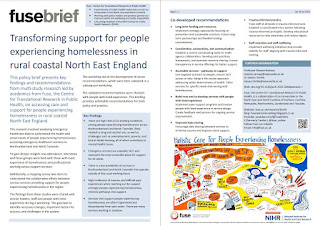
From crisis to collaboration: Transforming support for people experiencing homelessness in North East England

Posted by Steven Thirkle, Research Associate, Newcastle University

People experiencing homelessness often have multiple and complex health and social care needs that require support from many services. However, accessing and coordinating this support can be difficult when services are disconnected geographically or relationally. Often the person who is experiencing these challenges is the one who has to reach out for help, and this can be extremely hard for someone also managing day-to-day homelessness.

During our workshop, More Than Minutes visually captured our discussions, providing a dynamic summary. These visuals encapsulate key insights and recommendations, offering an engaging snapshot of our collective journey towards transforming support for people experiencing homelessness.


Over the past two years, our team has been working with services that provide support to people experiencing homelessness in rural and coastal areas of North East England. Our goal has been to explore innovative ways to improve access to care and support for these vulnerable people. Here, we share our research findings, shed light on the challenges faced by people experiencing homelessness and present our co-produced recommendations for creating a more effective and holistic (whole person) support system.

What does hospital data tell us?

To understand why people experiencing homelessness in the North East often turn to emergency care services in rural and coastal areas rather than seeking alternative forms of support, we examined hospital data on people attending emergency care services who had no recorded address. We discovered that there are many contributing factors, including struggles with alcohol and drugs, mental health issues, and challenging social situations. These challenges often occur at the same time, exacerbating their complexity and approaches to treatment.

What is stopping homeless people accessing services?

While this numerical data provided valuable insights, it did not uncover the underlying reasons behind the lack of engagement with other support services. To gain deeper insights, we interviewed people experiencing homelessness as well as those providing support in rural and coastal areas. The interviews aimed to explore experiences with emergency care services, overall health, social lives, and past traumas. They revealed significant barriers to accessing services, such as limited resources, transportation challenges inherent to rural areas, and the isolation often felt in coastal communities. Additionally, rigid service criteria and thresholds prevented people from receiving the support they urgently needed, further compounded by the sparse availability of services in these regions.

What is the current picture?

A comprehensive and integrated approach tailored to the rural and coastal context was needed to provide effective support to people experiencing homelessness in these areas, so we mapped out existing services and their collaborative relationships in the areas. Our findings showed a fragmented system, with many services operating independently and lacking essential connections to the core network of services necessary for addressing the unique challenges faced by people in rural and coastal areas.

How do we address the gaps?

In response to these gaps, we organised a workshop at the Community Hub in Cramlington, Northumberland, bringing together over 70 people including professionals from health, housing, social services, local authorities, law enforcement, emergency response, and third-sector organisations, as well as people with lived experience of homelessness and mental health issues in these regions. Together we developed recommendations for a more effective and collaborative approach to supporting people experiencing homelessness in rural and coastal areas. Seven key areas for recommendations were identified:
  1. Long-term funding and resources: Campaign for sustained funding and increased resources to support comprehensive and ongoing assistance for homeless people.
  2. Coordination, connectivity, and communication: Establish robust ways to coordinate, foster better connectivity between services, and improve communication channels to ensure a seamless and integrated support system.
  3. Accessible services - pathways to support: Develop clear and accessible pathways for homeless people to access a wide range of support services, including health, housing, social services, and mental health resources.
  4. Building trust and co-developing services with lived experience: Foster trust and inclusivity by actively involving peoples with lived experience of homelessness in the design, development, and evaluation of support services.
  5. Trauma-informed practice: Implement trauma-informed approaches across all support services, recognising and addressing the underlying trauma experienced by homeless people.
  6. Improved data sharing: Establish efficient data-sharing agreements for support services to ensure comprehensive and up-to-date information, enabling better coordination and informed decision-making.
  7. Staff retention and wellbeing: Prioritise the wellbeing of support staff by providing resources, training, and support to prevent burnout and turnover, fostering continuity of care.

We have developed a handy two-page Fuse research brief which pulls out the key findings and recommendations for practice and policy co-developed with people with lived experience. 

Friday, 12 August 2022

What impact did a blanket ban on new takeaways have in Gateshead?

Posted by Heather Brown, Professor of Health Inequalities at Lancaster University

At the end of a road I used to live on, there was a wonderful curry house that always smelled amazing every time you walked by, even if it was 8am in the morning and they were just starting to prepare the food for the day. Whilst I lived there, I ate more takeaway curries then I have in any of my other many houses which were not so conveniently located to delicious smelling food.

The food available to us in our environment is likely to influence what we eat and subsequently our health. The use of planning policy can be one way for both local and national government to help shape a healthy environment by limiting or restricting where certain types of food outlets can be located. About half of all local authorities in England have some type of planning guidelines to restrict new fast-food outlets. In England there are three main types of planning policy used to promote a healthy food environment:

1. restricting new fast-food outlets near schools.

2. restricting new fast-food outlets if the density of existing outlets has surpassed a certain threshold of all retail outlets (e.g. no more than 20% of all outlets can be fast-food).

3. restricting new fast-food outlets if childhood obesity rates are above a certain threshold (e.g. above 20% based upon data from National Childhood Measurement Programme for children aged 4-5 and 10-11).

What Gateshead did


Gateshead Council, like many local authorities in North East England, has childhood overweight and obesity rates that are higher than the national average. To try and reduce childhood overweight and obesity to less than 10% by 2025, Gateshead implemented all three types of planning guidance (a school exclusion zone, restricting new outlets by retail density, and restricting new outlets by childhood obesity rates). This is effectively a blanket ban on establishing a new premise for use as a fast-food outlet if the building was not already being used for that purpose. Buildings that were being used for fast-food could change ownership and continue to sell fast-food. This guidance was implemented in June 2015.

As part of an NIHR Applied Research Collaboration (ARC) North East and North Cumbria (NENC) funded project, we evaluated if Gateshead Council’s approach to planning had any significant impact on the density and proportion of fast-food outlets in Gateshead compared to other local authorities in the North East which did not have any type of planning guidance. Data on food outlets came from the Food Standards Agency Food Hygiene Rating Scheme Data. Our analysis covered 2012-2019 (we did not include data during the Covid-19 pandemic because planning guidance on what type of food outlets could provide takeaways was relaxed) - a subject covered earlier this week in the Fuse blog post How Covid-19 changed the takeaway landscape by Callum Bradford from Teesside University.

What we found


We found that compared to other local authorities in the North East, Gateshead’s planning policy reduced the density of fast-food outlets by around 13 per 100,000 people and the proportion of fast-food outlets by around 14%.

Next, we are going to look at if this change in the density and proportion of fast-food outlets has had any impact on childhood overweight and obesity between 2015 to 2019 and if this did anything to reduce inequalities in childhood weight.

If you would like to read our paper in Social Science and Medicine on the impact of Gateshead’s planning policy on the food environment you can find it here.

Tuesday, 9 August 2022

How Covid-19 changed the takeaway landscape

Posted by Callum Bradford, Research Associate, Teesside University

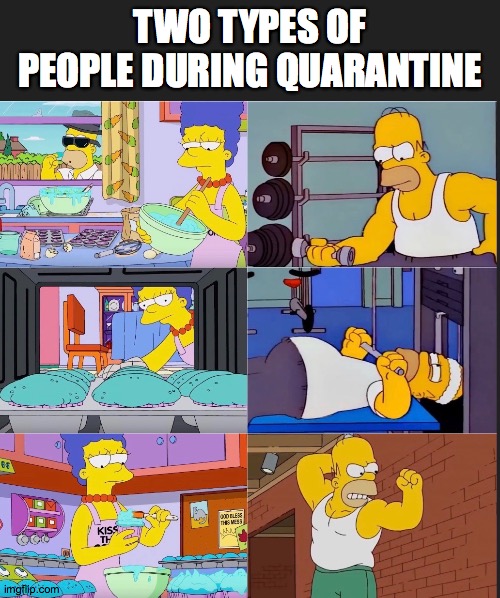
During the Covid pandemic, you may have seen the memes for how there are two types of people during lockdown. First there were those who used lockdown as an excuse to exercise more, eat well, and generally take care of themselves in a manner of which they had never had the time for previously. Then there were those who out of sheer boredom, decided to drink and order takeaway on more days than not as it was ‘something to do’.

As you can probably guess, I very much fell into the second category.

To my detriment, takeaways typically sell food which is relatively cheap, high in calories, low in nutritional value, and (annoyingly) very appetising; all delivered to your front door in a matter of minutes. Now I don’t want to come across as anti-takeaway, or anti-business, there is a place in our society for unhealthy food, nor do I blame anyone else for my questionable dietary choices. However, I’m sure most of us agree that we can have too much of a good thing at the impairment of not only our own health, but also the health of the high-street.

Apparently I’m not the only one who is too easily tempted by takeaways, with local governments implementing planning regulations to further prevent this takeover-of-takeaways, in the knowledge that our willpower is often lacking. You’re likely familiar with some of the rules already in place, such as no takeaways within 200m of a school, or that most restaurants and pubs can only provide takeaway food on an ‘ancillary’ basis.

However, with the Covid-19 lockdowns pubs and restaurants lost their ability to trade. In an attempt to combat the potential loss of business, the government introduced new temporary measures allowing these businesses to trade as takeaways, without needing to apply for planning permission. In other words, my options for takeaway just increased threefold, and by ordering-in I was ‘doing my bit’ to keep businesses open.

As we were now stuck indoors, every occasion was now an excuse for a takeaway; Birthday? Takeaway. Passed Uni? Takeaway. Anniversary? Slightly fancier takeaway with cocktails (highly recommend).

With these temporary regulations in mind, we consulted with various planners, public health leads, and environmental health officers from across the North East, to better understand how these regulations were impacting their roles, alongside any public health trepidations they may have (if my diet alone wasn’t enough cause for concern).

The main theme throughout our conversations was an overwhelming sense of uncertainty. Covid had an unprecedented impact on the priorities of local authorities. Because of this, they could not organise the infrastructure needed to identify how many businesses were choosing to trade as takeaways. Even today as we slowly return to a sense of normality, the role of collecting this data appears to be unassigned as authorities play catch-up on work lost to Covid. Therefore, as you can imagine, gauging the impact of these regulations became very challenging and speculative. There was also uncertainty around how and when these regulations would end, or what elected members planned to do (if anything) about the potential long-term consequences to health.

Surprisingly, the main finding from our research had little to do with the regulations themselves, but rather how Covid has accelerated change in the takeaway landscape. During Covid, we all developed new habits (for better or worse); one of which was the use of online delivery services such as Deliveroo and Uber Eats.

Despite the temp Covid regulations now ending, with these delivery services, many businesses that could not originally offer takeaway now can, and local authorities have limited ability to prevent them from doing so since they aren’t technically providing the deliveries themselves. A quick search on Deliveroo in Middlesbrough for example offers me delivery for Burger King, Starbucks, and Creams Cafe. None of these options are well-known as takeaways, but all now provide the delivery of unhealthy food. And although these services were technically available pre-Covid, the pandemic has led to a huge increase in their popularity, allowing for more unhealthy-food options and the changing of shopping habits. There are also traffic implications. Have you ever tried to walk through Liverpool city centre during lunch hour? Attempting to dodge Deliveroo riders on their bikes as you stroll through town is quite the experience.

To summarise, the Covid pandemic had an unparalleled impact on public health professionals, to the extent that the government implementing new regulations regarding takeaways was considered low priority. Ambiguity surrounding the impact of these regulations remains, with the ending of the regulations becoming somewhat nullified given the rise of online delivery.

In conclusion I offer some advice. if you’re trying to eat healthier, writing a blog post on takeaways whilst doing ‘research’ on Deliveroo, might not be the wisest of ideas – speaking from experience.

Friday, 19 November 2021

Tackling stereotypes, stigma and self-help: What 'BoroManCan' is doing for the health and wellbeing of Boro Men

Posted by Shelina Visram, Senior Lecturer in Public Health, and Mabel Lie, Research Associate, from Newcastle University

It’s that time of year again… No, we’re not talking about Christmas. Today is International Men’s Day! If you’ve got no idea what this is, you may want to read the Fuse blog we wrote on the same day last year. The theme for 2021 is ‘Better relations between men and women’, recognising the need to promote gender equality for women as well as men. Which sounds good to us, as two female researchers who’ve been working on a men’s health project for the past year.

In last year’s blog we mentioned being awarded funding from the NIHR ARC NE&NC to conduct research into the BoroManCan campaign, which aims to inspire positive change around men’s health and wellbeing in Middlesbrough and Redcar & Cleveland. Colleagues from Public Health South Tees were keen to know which elements of BoroManCan were working and where improvements could be made. In collaboration with academics from Durham and Teesside Universities, we interviewed staff, representatives of partner organisations and other key stakeholders to capture their views on BoroManCan. We also trained and supported three peer researchers to gather insights from local men (and one woman). They chose to conduct interviews to explore men’s health and wellbeing needs, to help us understand whether BoroManCan could be doing more to improve their access to health services and other sources of support.

The interviews provided valuable insights into barriers to men’s help-seeking behaviour. To start with, Teesside’s industrial heritage has led to an expectation that the stereotypical ‘Boro man’ should be tough, resilient, and able to fulfil the roles of household provider and protector. Industrial decline, increasing unemployment and job insecurity were felt to have impacted negatively on men’s mental health. There was a general perception that men are not as likely as women to talk about their feelings or their health, and that there is a particular stigma to discussing mental health problems. Rather than accessing formal services, many Boro men prefer to avoid embarrassment by attempting self-help or using coping strategies such as excessive alcohol consumption and substance misuse. Apart from wanting to maintain their masculine image, there were also practical hurdles around demands from employment and the benefits system.

Two of the three peer researchers, Matthew (left) and Neil (right)
But it’s not all doom and gloom. We also identified a number of factors that were felt to impact positively on men’s health and wellbeing and their likelihood of seeking help. These included: having support from a partner or family members; activities such as Men’s Sheds that value life skills; creating male-friendly spaces; and providing opportunities to spend time outdoors. Some interviewees emphasised the importance of sport and particularly football as a way to connect with other men. What was clear was that apart from addressing men’s health within existing services, male-specific interventions such as BoroManCan were needed. The campaign was viewed positively as a way of sharing inspirational stories from others who have dealt with their own challenges, as well as signposting to relevant activities. Online elements such as the website and podcast were key to the campaign, particularly during the pandemic. However, staff and stakeholders were keen to return to offline elements such as the men’s health champion training and showcase events. Local men believed that the campaign needed to be promoted more widely to ensure it was reaching all those who might benefit.

Here's what our stakeholders had to say about the campaign:
"So I think one of the really good things about it [BoroManCan] is it's very specific to Middlesbrough. And obviously when you look at the stats, you know, you look at suicide rates and mental health in Middlesbrough, they're really high and I think men do struggle to engage. But when local men that are very similar to them are engaging, I think it helps other people." (Stakeholder 1)
"When people feel anxious, they're feeling alone. And BoroManCan, it was a way forward for them not to feel alone and to be able to share their story and find a way forward. 'Cos BoroManCan, it leads onto other things. If you share your story, you’re finding you're not alone. You find out how other people have pain, depression and anxiety and you can follow suit. It leads you to find help." (Stakeholder 7)

Today we’re hosting a webinar to share and discuss our research findings in more detail. For anyone who can’t make it, the webinar will be recorded and shared via the BoroManCan YouTube channel. Please get in touch if you’d like to know more about the campaign or the research; we’d be happy to share our final report once this is ready for publication. And watch this space for future blogs on this subject from our practice partners and peer researchers.


Below are links to support organisations relating to the issues raised in the post: 

Friday, 11 December 2020

“Speaking truth to power is all we can do”

Bringing arts and research together to prompt debate about Universal Credit


Posted by Mandy Cheetham, Research Fellow in the Applied Research Collaboration North East and North Cumbria (ARC NENC), Northumbria University  

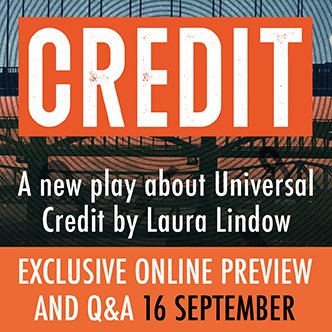
As a researcher, it is not every day that you get to work alongside talented artists, actors and writers. I recently had this privilege as part of the planning and development of theatre production Credit. The play was prompted by research commissioned by Gateshead Council, which showed the negative impact of Universal Credit on vulnerable claimants and staff supporting them in North East England. We were grateful to participants who shared their stories so openly and wanted to use the findings to prompt wider debates about welfare reform, beyond published academic papers.

I had limited knowledge of Universal Credit before starting the research in 2017, when community members began voicing their concerns about the roll out. I was shocked by the insights gathered during the fieldwork in 2018. Credit was the culmination of a collaboration with Cap-a-Pie theatre company, who we approached with our ideas. Unfortunately, plans for a theatre production were shelved in April because of the COVID-19 restrictions. The team worked hard to create an online rehearsed reading of part of the play, brilliantly performed by two skilful actors. Supported by a panel of knowledgeable and passionate local and national speakers, we negotiated the challenges of an online post-show discussion. We were unsure how it would go, as we joined by more than 400 people who watched the 40 minute extract from the play. Over 150 stayed for the live Q&A and discussion afterwards, providing thoughtful comments and feedback.

During the panel discussion following the evening performance, the writer, Laura Lindow, commented that she hoped the audience could “hear her own fury in the poetry”, hoping it would “smack everyone around the ears”. The reactions from the Q&A suggest that participants felt similarly moved, describing Credit as: 
“Brilliant, angry, urgent work”

“Extremely powerful and incredibly important”

“I had tears in my eyes watching this”

“Heart breaking, but very realistic. Especially poignant was the reference to starvation”

“The reference to loan sharks took my breath away, eased so gently into lives, but so destructive”
The questions, observations and exchanges with panel members were insightful and engaging. The audience challenged us as researchers to think about how to move beyond the echo chambers of online events to ensure the messages reach those in positions of power to affect change.

As a result of this screening, we have made more connections, with people who have claimed Universal Credit, and academics doing research in related areas. Maria Thompson was one of the people we met following the post-show discussion and you can read about her personal experience of Universal Credit in this accompanying blog post. We also made links with people keen to use the arts to communicate their research findings, engage others in wider debates and challenge us to act: 
“Lyrical, hard hitting, honest writing”

“Beautifully written and acted”

“Speaking truth to power is all we can do and this play was a great example”

“How do we fight negative perceptions of benefit claimants? How do we continue to show the need for a supportive welfare system?”
In the feedback, participants commented on the importance of changing negative stereotypes about claimants. At the end of the evening performance, Patrick Butler, social affairs editor from the Guardian newspaper called on revisions to UC to be made with the input of claimants who have direct experience of the system.
“For me, a decent social security system is a citizen's right. It has to be effective, it has to be humane. I think it has to be an entitlement, not a privilege or reward for good behaviour.”
We’re keen to use the play in different ways to stimulate debate and reflection. Emotions clearly have played a role in galvanising action. We have received requests to use it in staff training and to promote arts/research collaborations. As one participant commented:
“We don’t make best use of art in public health. This is such a moving and poignant play. My hope is that one day we can get it into mandated training in the NHS.”
The diversity of claimant experiences has increased enormously since COVID-19, but the stigma is far from disappearing according to debt charity Turn2Us. Recent reports by the National Audit Office (2020) and the Work and Pensions Select Committee suggest that there is still a long way to go before vulnerable claimants’ rights are protected. Perhaps this is the moment for government to show they have listened to those voices who have long campaigned for meaningful change, to ensure that Universal Credit provides the safety net that people need in times of adversity and to keep the changes to the standard allowance introduced as a result of COVID-19.

If you missed the last performance of Credit, we are planning to show more performances in 2021, so keep an eye out. We are working on a short film with extracts from the rehearsed reading of Credit and interviews with those who support claimants, who were involved in the research, script development and production. This will be available on YouTube in the New Year. We will continue our efforts to raise awareness of this important issue and look forward to working with others keen to do the same.


Acknowledgment

We are grateful to the funders, Newcastle University, Catherine Cookson Foundation and Arts Council Lottery Fund for their support and flexibility.

Thursday, 19 November 2020

Surely men should have their day too...

Posted by Shelina Visram, Senior lecturer in public health, Newcastle University (on behalf of the BoroManCan research team)

*Trigger warning: mental health and suicide

Unless you’re a fan of the comedian and writer Richard Herring, you may not have given much thought to International Men’s Day. For almost a decade Herring has raised huge sums of money for the domestic violence charity Refuge by spending International Women's Day (8 March) answering each person who asks on Twitter 'But when is International Men's Day?' He then follows up the enquiries on International Men’s Day (19 November) to raise money for CALM, the Campaign Against Living Miserably. 


Presumably, these people are under the illusion that there is no dedicated day to celebrate men, yet International Men’s Day was founded in 1999 to do just that. The theme for 2020 is ‘Better health for men and boys’ with the strapline ‘Laugh stronger, live longer’, but many have struggled to find reasons to be cheerful this year. Although women are more likely to suffer the social and economic consequences of the pandemic, being a man greatly increases the risk of death from COVID-19.(1,2) Men tend to have many underlying health conditions that worsen coronavirus and generally contribute towards lower life expectancy. Our region (North East England) is likely to see high numbers of COVID-related deaths but also significant impacts in terms of poverty and unemployment, given that the North of England’s economy has been hit hardest by the pandemic.(3)

We don’t yet know what long-term impact the lockdowns will have on mental health and wellbeing, but early reports suggest an increase in suicide. Globally, men were almost twice as likely to die by suicide as women were before the pandemic.(4) Harmful masculine norms – in other words, what it means to be a man – are a key driver of suicidal tendencies and encourage risk-taking behaviours like drinking and smoking. These norms often stop men from seeking medical help and have a knock-on effect on women’s lives, placing increased responsibilities on them to care for men’s wellbeing.(5) They also affect women in other ways, for example, there have been reports of a dramatic increase in domestic violence during the pandemic.


So, not much to celebrate this year then? Well, actually, there is some cause for optimism. Men’s health is starting to move up the agenda in policy and practice. I was involved in an evidence review and expert meeting to inform the first World Health Organization strategy on men’s health and wellbeing in Europe, which was published in 2018. World Health Statistics were separated by sex from 2019 so that we can better understand gender differences that affect health outcomes. There are also a number of initiatives that have adopted gender-sensitive approaches to actively address masculine norms, for example, through rugby or football.(6,7) In the North East, the BoroManCan campaign aims to inspire positive behavioural, health and culture change in Middlesbrough, where four out of five suicides involve men and the rate of male suicide is the second highest in the country. Various activities have been developed in partnership with community groups, including Barbers for Health, young men’s workshops in schools, and a one-day training course to develop Men’s Health Champions. Many of these activities are on hold because of the pandemic but the BoroManCan website, podcast and social media pages continue to share stories from local men and services, as well as providing advice and links to further support.

To infinity... and beyond!
I’m working with a team from Newcastle, Durham and Teesside Universities to develop a programme of research around men’s health and wellbeing. We were recently awarded funding from the NIHR Applied Research Collaboration (ARC) North East & North Cumbria to conduct research that will help practice partners begin to understand what has worked so far in relation to BoroManCan and where improvements can be made. Findings and outputs will be shared widely so they can be used to inform the development of similar initiatives aimed at addressing gender equality. I’m looking forward to being part of efforts to change the conversation around men’s health and wellbeing, not least because my own little man celebrates his birthday the day after International Men’s Day. Hopefully by the time he’s older the phrase ‘man up’ will mean something quite different, like being comfortable with your emotions and having the confidence to ask for help when you need it. 


References

1. Burki T (2020). The indirect impact of COVID-19 on women. The Lancet Infectious Diseases, 20(8): 904-905.

2. Williamson EJ, Walker AJ, Bhaskaran K et al (2020). Factors associated with COVID-19-related death using OpenSAFELY. Nature, 584: 430–436.

3. Bambra C, Munford L et al (2020). COVID-19 and the Northern Powerhouse, Newcastle-upon-Tyne: Northern Health Science Alliance. https://www.thenhsa.co.uk/app/uploads/2020/11/NP-COVID-REPORT-101120-.pdf.

4. Dearden L (2020). Coronavirus: Mental health incidents rising during UK lockdown, police say. The Independent, 6 April 2020. https://www.independent.co.uk/news/uk/home-news/coronavirus-suicide-rates-ukmental-health-support-a9451086.html.

4. WHO (2014). Preventing suicide: A global imperative. Geneva: World Health Organization.

5. Marcos-Marcos J, Mateos JT, Gasch-Gallén À, Álvarez-Dardet C (2019). Men’s health across the life course: A gender relational (critical) overview. Journal of Gender Studies, epub ahead of print 18 December 2019.

6. Witty K, White A (2011) Tackling men's health: Implementation of a male health service in a rugby stadium setting. Community Practitioner, 84(4): 29-32.

7. Gray CM, Wyke S, Zhang R, et al. (2018) Long-term weight loss following a randomised controlled trial of a weight management programme for men delivered through professional football clubs: The Football Fans in Training follow-up study. Public Health Research, 6(9): 1-14.

Wednesday, 5 February 2020

Coronavirus: expect the unexpected in an unfolding emergency

Posted by John Mooney, FFPH (Fellow, Faculty of Public Health), Fuse Associate & Senior Lecturer in Public Health at University of Sunderland @StandupforPHlth 

In an age when public health and health improvement efforts in much of the world are justifiably focused on chronic disease, lifestyle factors and the ever increasing health and social care needs of an ageing population, we would do well to remember that humankinds’ most determined and persistent adversaries are always “waiting in the wings” ready to step on the stage for a lead role once again.


Step forward new variant Coronavirus (2019-nCoV), which the World Health Organisation has declared a Global public health emergency[1] reminding us all of the enduring critical importance of basic public health principles and practice and internationally co-ordinated vigilance for new microbial challenges. ‘International’ of course being a critical component of any response plans, since infectious diseases do not respect national borders and less so, referendum results. The first confirmed UK cases on Friday[2], currently being treated in this region, only serves to remind us of the ‘global village’ we all inhabit from the perspective of infectious diseases.

Coronaviruses are a large family of viruses, some causing (mostly mild) illnesses in people and others that circulate among animals, including camels, cats and bats. The recently emerged 2019-nCoV is not the same as the coronaviruses that caused Middle East Respiratory Syndrome (MERS) or Severe Acute Respiratory Syndrome (SARS) though genetic analyses so far suggests that the new variant is more closely related to SARS[3].

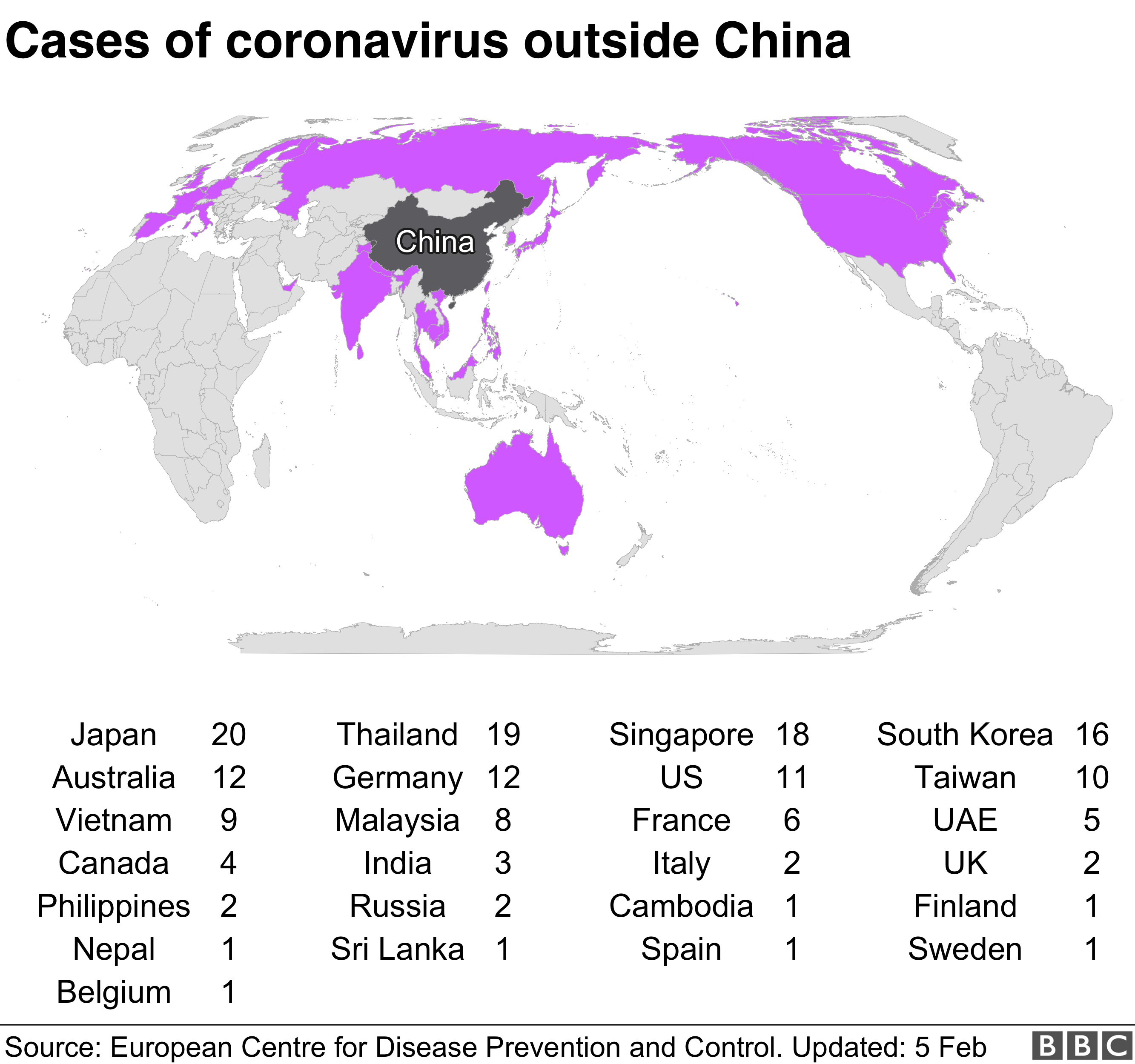
Ninety Nine percent (99%) of the 24,000+ cases and nearly all of the 490 confirmed deaths (with 2 exceptions, one in Hong Kong and one in the Philippines) so far have been in China.  Despite this, the WHO emergency declaration crucially allows for additional resources and support for lower and middle-income countries to strengthen their disease surveillance and prepare them for potential cases or outbreaks. At the present time, to the considerable credit of the Chinese response – partly arising of course from international condemnation of a less than transparent response to the SARS outbreak in 2003 – there are Herculean efforts and resources being devoted to containing the threat from the new pathogen.  This includes the drastic attempted quarantine of a whole region and the speed of construction of new facilities such as 1000 bed dedicated hospitals.


While 2019-nCoV seems to be less lethal than SARS, there is no doubt that it is clearly more transmissible with The World Health Organization stating that the preliminary R0 (reproduction number) estimate is 1.4 to 2.5, meaning that every person infected can potentially infect between 1.4 and 2.5 people (R0 for SARS being 0.19–1.08, with a median of 0.49)[4]. With the spectrum of clinical presentations ranging from mild respiratory illness to life threatening viral pneumonia, the health impact of the ongoing outbreak is very difficult to predict and unanswered questions abound. How many people may have shrugged off mild / virtually asymptomatic infections for instance is not possible to know until follow-up sero-conversion studies[5] can be used to estimate the burden of ‘silent infections’.

Aside from higher transmissibility, the more worrying aspect of 2019-nCov however is the reports of an incubation period of up to 14 days during which an infected individual might both be asymptomatic (displaying no evident symptoms that could be screened for) and also crucially, at the same time during this period, infectious and capable of transmitting the virus to new hosts. The potential 14 day incubation period without symptoms effectively means that the cases which are being confirmed at the present time merely reflect the ‘true burden of infection’ from two weeks ago. As a result we will only have any real sense of the effectiveness of Chinese efforts to contain the virus a fortnight after the stringent travel restrictions imposed around Wuhan province and other parts of China.

As many seasoned experts in these matters have cautioned, schooled as they have been by experience of previous episodes, predicting the behaviour of a newly emergent pathogen is a hazardous business and a great deal of uncertainty surrounds its likely route to potential pandemic status. A virus adapting to a new species host (in this case humans!) is an unstable entity and its defining characteristics today in terms of those who are most vulnerable and their risk of serious or life threatening illness may be very different in the weeks and months ahead.

Eventually of course, a virus keen on longevity in a new host needs to curb its pathogenicity[6] and ideally result in only mild symptoms that will reduce the attention it attracts from a host immune response. Many of the hundreds of viruses, including coronavirus subtypes that cause the common cold, once jumped the species barrier and evolved into relatively benign pathogens. Even the deadly “Spanish flu” epidemic of 1918[7], which killed around 60 million people Worldwide in 1918-1920 and comprised of the influenza subunits H1N1, circulates today in the form of seasonal flu in a genetic variant with greatly reduced lethality.

How serious the current outbreak will be in terms of impact and mortality remains to be seen. SARS of course was eventually successfully contained by stringent infection control, contact tracing and quarantine procedures. While 2019-nCov is not currently as life-threatening an illness as SARS, its greater transmissibility, longer incubation period and potential for symptomless transmission (SARS was only transmissible when symptomatic), do not bode well for ease of containment so it is hardly surprising that the WHO have seen fit to play their strongest card and declare it an emergency.

We can only hope that the response may be timely enough.


John Mooney worked previously for NHS Health Protection where he specialised in the epidemiology of respiratory infectious diseases.


References:
  1. Coronavirus declared global health emergency by WHO: https://www.bbc.co.uk/news/world-51318246
  2. Coronavirus: UK patient is University of York student: https://www.bbc.co.uk/news/health-51337400 
  3. 2019 Novel Coronavirus Basics: CDC FAQs: https://www.cdc.gov/coronavirus/2019-ncov/faq.html
  4. Emerg Infect Dis. 2004 Jul; 10(7): 1258–1263 https://www.ncbi.nlm.nih.gov/pmc/articles/PMC3323341/
  5. Seroconversion: The development of detectable antibodies in the blood that are directed against an infectious agent. Antibodies do not usually develop until some time after the initial exposure to the agent.
  6. Pathogenicity is defined as the absolute ability of an infectious agent to cause disease/damage in a host - an infectious agent is either pathogenic or not. From: Fenner and White's Medical Virology (Fifth Edition), 2017
  7. 1918 Pandemic (H1N1 virus): https://www.cdc.gov/flu/pandemic-resources/1918-pandemic-h1n1.html

Image 2: Capture from the BBC News website, 5 February 2020. Coronavirus: Ten passengers on cruise ship test positive for virus. Source: European Centre for Disease Prevention and Control. Updated 5 Feb. https://www.bbc.co.uk/news/world-asia-51381594.

Friday, 1 November 2019

Research on the go with women in walking groups

Posted by Stephanie Morris, Research Fellow, University of York

In this blog Steph reflects on the use of mobile ethnography in a recent study of the place of walking groups in the lives of women in deprived areas of north-east England.

Ethnography’s signature method, participant observation, or ‘hanging out’, provides rich data inaccessible by other forms of qualitative research. Mobile ethnography, as the name suggests, uses this methodology in the context of mobility. It can involve ‘go-along’ interviewing (See Carpiano 2008, Kusenbach, 2003) and participant observation as researchers travel and converse with participants.

When conducting research with women in walking groups, I found that mobile ethnography facilitated inclusivity and openness. For example, some women were interested in participating in the study, but uninterested in having a formal ‘sit down’ interview. So this approach opened up the study to those who might not usually opt to take part in research. Walking with study participants also enabled me to build rapport in a more ‘natural’ way than in a one-off interview, when the research and participant go in ‘cold’. Walking and talking, what the women did on the walks, encouraged free and open conversation: participants talked a lot to me about the intricacies of their lives, as they did with each other.

Mobile ethnography produces data which I feel is not likely to be created in static interview interactions. In ‘go along’ informal interviews, objects and embodied experiences along the route are often talked about. Conversations ranged from discussing fly tipping and historical features in the landscape, to sharing experiences of bodily sensations whilst walking in all weathers! Walking with the groups also provided a first-hand experience of the sense of safety and solidarity that comes with group walking. The following excerpt from my fieldnotes* shows an example of how this happened:

"As we walk along, Ashley who is in front of us by a few metres, points out that there is a hole in the path. She puts her stick down it and shouts to us to be careful of the hole. We do the same for the people behind us. Less than a minute later, Lisa says ‘step’, as there is a slight step in the hard soil and she is warning me about it. I do the same for the people behind me, and I get the feeling that I am being watched out for, and that I am instantly doing the same for the others."


Acts like this also quickly make the researcher feel part of the group, an insider participant-observer.

Despite its broad affordances, mobile ethnography is not without its challenges. The logistics of note taking when walking are tricky to say the least! I used the note function on a smartphone to take notes and took photographs along the route to remind me of encounters noteworthy of description. I walked with a Nordic walking group, which was even more difficult as I often had to carry the Nordic poles in one hand or clip and unclip at the group’s brief stops to quickly take notes of conversations or observations. However, as it was usual for people to walk alone for moments during walks, these times provided me with opportunities for note-taking. Conducting ‘go along’ formal interviews with a voice recorder was for the most part unproblematic; however, external noise was an issue at points near busy roads.

As with all ethnography, doing it well requires a lot of time and emotional labour. For instance, as transcribing fieldnotes is time intensive and needs to be completed as soon as possible after participating in the activity/group being studied, this task can clash with life’s other responsibilities. Likewise, as participants can become friends, research relationships and boundaries need to be carefully negotiated. And lastly, when using a method that helps to build rapport and relationships valuable for research, at the end of a project it can be difficult to say goodbye (and it was particularly hard to say goodbye to the many pleasures of group walking!).

There are many other contexts where mobile ethnography could contribute to health research, including but not limited to other physical activity and sustainable travel interventions. Why not give it a try?!

*Anonymised using pseudonyms

Friday, 24 May 2019

Perseverance and Public Health: creating a cultural shift takes time

Guest post by Susan Jones, Research Associate, Teesside University

I spoke to a young woman the other day who had moved to North East England recently. She already had a little boy, just coming up 2 years old, and was now well on in her next pregnancy. Because I had been involved in evaluating babyClear© - an intervention to help support expectant mothers to stop smoking - I asked her whether the midwives had enquired if she smoked, (she doesn’t). “Oh yes”, she said, “they’re much more into keeping a close eye on you here”, as compared with the region where she lived before.

This buy-in by maternity staff, and the change to practice, is reflected in our paper, recently published in BMC Health Services Research (Jones et al., 2019)[1], in those Trusts that facilitated the intervention most successfully.

It is crucial, yet difficult, to answer questions about the effectiveness of initiatives like these. It takes time and perseverance t
o identify the questions, conduct the research and bring in the system and practice changes, which in turn support behaviour change in patients.

How do we go about answering questions about effectiveness of interventions designed to support people to change their behaviour and to become healthier?

It was in 2012, that the findings from interviews with midwives were first published (Beenstock et al., 2012)[2] and the search for new ways of embedding National Institute for Health and Clinical Excellence (NICE) Public Health Guidance 26 (2010)[3] more thoroughly, began. As a result, babyClear© was initially implemented across North East England from 2013 to 2015.

Fundamentally, interventions like babyClear© can be shown to be effective in certain circumstances (NICE, 2010; Bell et al., 2018)[4] but our latest paper found that these changes required specific contexts and cultures in the implementing organisation to maximise their effectiveness and potentially their sustainability and transferability.

These changes in staff practice and patient behaviour do not happen in isolation; the external context is important too and, in this case, the national context has become increasingly supportive.

For example, there have been a number of new pieces of legislation, guidance and reports during this time, all pushing in the same direction:


Clearly, there is an appetite to find solutions to the health problems that smoking causes; however, imposing regulation, without understanding and dealing with the causes, is never going to be hugely effective in a democracy like ours.

So what we see is a lot of different ‘scatter gun’ approaches all dedicated to the same aim – typical of lots of health and social interventions – but is this the best approach?

It is being recognised more and more that intervening in complex systems, such as the NHS, is both necessary and – at the same time – problematic. Largely, the problems come from a lack of understanding of the multiple complexities of the contexts and the effect of cultures upon outcomes. New ways of combining research methods are required to investigate these complex systems and find appropriate answers (Moore et al., 2014)[9]. Updated guidance from the Medical Research Council on evaluating complex interventions is being drafted as I write.
Fuse Complex Systems research programme

Only when the links – or active ingredients – between the different elements of an intervention are identified, and proper attention is given to the contexts and cultures surrounding it, will we be able to understand the necessary environment and resources for it to thrive, ensure its sustainability and maximise outcomes.

Our paper is one step in this direction but there is much more to do. Fuse has a Complex Systems research programme, because the researchers know how important it is. They will soon be publishing their plans for the future direction of their research on this topic.

This is an area where research and evaluation are moving fast, as they attempt to get to grips with the way health and public health are changing in the lives of staff and patients.


References: 
  1. Jones, S. et al. (2019) What helped and hindered implementation of an intervention package to reduce smoking in pregnancy: process evaluation guided by normalization process theory. BMC Health Services Research. Available at: https://rdcu.be/bA4fK (Accessed: 20th May 2019).
  2. Beenstock, J. et al. (2012) 'What helps and hinders midwives in engaging with pregnant women about stopping smoking? A cross-sectional survey of perceived implementation difficulties among midwives in the North East of England', Implementation Science, 7(1), p 1. 
  3. National Institute for Health and Care Excellence (2010) Public health guidance 26: Quitting smoking in pregnancy and following childbirth. London: NICE. 
  4. Bell, R. et al. (2018) Evaluation of a complex healthcare intervention to increase smoking cessation in pregnant women: interrupted time series analysis with economic evaluation. Tobacco Control. Available at: http://tobaccocontrol.bmj.com/content/early/2017/02/10/tobaccocontrol-2016-053476 (Accessed: 20th May 2019). 
  5. NHS England, O'Connor, D. and Gould, D. (2014) Saving Babies Lives: reducing stillbirth and neonatal death: a care bundle. Available at: https://www.england.nhs.uk/wp-content/uploads/2016/03/saving-babies-lives-car-bundl.pdf (Accessed: 10th April 2019). 
  6. Department of Health and Social Care (2018) Tobacco Control Plan: Delivery Plan 2017 - 2022. Available at: https://assets.publishing.service.gov.uk/government/uploads/system/uploads/attachment_data/file/714365/tobacco-control-delivery-plan-2017-to-2022.pdf (Accessed: 20th May 2019). 
  7. Royal College of Physicians and Tobacco Advisory Group (2018) Hiding in plain sight: Treating tobacco dependency in the NHS. Available at: https://www.rcplondon.ac.uk/projects/outputs/hiding-plain-sight-treating-tobacco-dependency-nhs (Accessed: 11th April 2019). 
  8. Challenge Group (2018) Review of the challenge 2018. Available at: http://ash.org.uk/information-and-resources/reports-submissions/reports/smoking-in-pregnancy-challenge-group-review-of-the-challenge-2018/ (Accessed: 10th April 2019). 
  9. Moore, G. et al. (2014) Process evaluation of complex interventions: UK Medical Research Council. Available at: https://mrc.ukri.org/documents/pdf/mrc-phsrn-process-evaluation-guidance-final/ (Accessed: 10th April 2019).
Image:
  1. 'Smoking when pregnant' by johndavison883 via Flickr. Public Domain Mark 1.0.