Showing posts with label ageing. Show all posts

Friday, 11 October 2024

Going beyond bricks and mortar to 'Up' awareness of healthy homes

Posted by Natalie Forster, Philip Hodgson, and Alex Kirton from Northumbria University

“It’s just a house”. Words famously uttered by Mr Fredricksen in the much-loved film, ‘Up’. But does this really do justice to the complicated relationships we have with our homes?

There’s a steady stream of evidence now showing that housing characteristics (including issues like overcrowding, poor insulation, damp and mould) can impact on physical and mental health. And far from being just a house, we know that where you live can make a big difference to how socially connected you are, the services you can access and how safe you feel.

This increasing awareness of home as a social determinant of health has led to many local authorities introducing initiatives to address housing-related issues. Yet, evaluations often look at the effects of specific housing enhancements in isolation, and more understanding is needed of how healthy homes services can tackle housing issues in their widest sense.

The Healthy Homes service in South Tyneside is an advice and signposting-based service that aims to address people’s home-related health needs. As Fuse researchers we set out to explore its benefits for residents. We worked with the service to create a data collection tool to help capture the financial benefits of advice given, alongside interviews to explore the experiences of those who used the service.

So, what did we find?

Our analysis showed that the service was reaching people with multiple and complex housing needs, including those related to health conditions, low income and age. We found the personalised approach taken by the service to be especially successful in engaging proactively with older homeowners (like Mr Fredricksen!) who often presumed they wouldn’t qualify for housing improvements, didn’t want to be seen to be asking for help or didn’t want to lose their independence. And without this support they would have otherwise put off seeking help until a crisis hit.

Some participants were keen to swap their bricks and mortar entirely and relocate to a more suitable home or area. For others, longstanding and deep psychological connections to homes and areas meant a move would be too painful. In these circumstances, changes to home environments made through the service (like getting extra bannisters or a stairlift, and support to address cold, damp and mould) helped reduce worries about housing problems and avoided the need for unsuitable coping strategies like coming down the stairs backwards. Participants described how small housing modifications – even getting a different lightbulb when you’re worried about your electricity bills – made a difference both practically and emotionally, helping them resume ordinary and taken-for-granted aspects of life like going to bed upstairs with your partner. Yet, for many, the service also worked on a different level, with the face-to-face interaction and warm and friendly manner of staff helping people feel heard and cared for.

Ultimately, the project illuminates the complex and varied issues and feelings people have around their homes. It underscores the importance of services which see beyond the bricks and mortar of houses and consider the importance of people’s “homes”, such as those offered by South Tyneside Council, but also the crucial role that other (non-home focused) services can play in addressing the interactions between homes, health and wellbeing. Many people we spoke to were unsure of what support they are entitled to and so there’s a need to raise awareness and take up of healthy home enhancements before problems escalate. Finally, both the stories of our participants and Mr Fredricksen demonstrate how our relationships toward our homes can shift and change over time, highlighting a need for long-term and sustainable models of housing care and support.


Natalie Forster, Assistant Professor, Social Work, Education and Community Wellbeing, Northumbria University and co-lead of the Fuse Health Inequalities Research Cluster

Philip Hodgson, Assistant Professor, Nursing, Midwifery and Health, Northumbria University

Alex Kirton, Research Fellow, Northumbria University


Image by Pascal Laurent from Pixabay

Friday, 13 November 2020

Supporting family carers of people living with dementia in a pandemic

Posted by Mark Parkinson, PhD in Health Psychology, Northumbria University

Social coping: offering family carers a lifeline in turbulent times
Despite our enduring efforts to battle COVID-19 and the headlines and attention the pandemic rightly warrants it is important not to lose sight of some of the separate public health issues which not only continue to grow apace in the background but may also be made worse by the social impact of the virus. Among the issues in danger of being overlooked is how the UK will respond to the growing number of people living with dementia which is set to reach one million by 2025.1

Presently, family carers provide the bulk of care and reliance on family care is becoming even more essential given the lack of formal care available2 and the Europe-wide shift away from reliance on formal care and towards ‘ageing in place’/ care in the community.3 However, a key issue is the high level of long-term stress family carers have to endure4 as a result of dealing with a combination of financial, social, mental and physical challenges over long periods of time and how this often leads to family care becoming unsustainable with reliance on formal care the only option. Family carers currently face a vicious cycle that threatens to derail family care itself-despite the wishes of carers and carees:


A key question is how this cycle can be avoided. Crucially, it is not the stress that threatens to derail family care, but how well family carers can COPE with stress. A critical coping strategy is carers’ capacity to seek out and receive effective emotional and practical support, particularly at times when they are most in need of it. This kind of coping strategy is called social coping (SC) and has been found to be effective in safeguarding mental health5 due to the positive interactions, support and assistance it can deliver.6

However, there is a pressing need to better understand what works to promote social coping. This calls for a deeper understanding of what helps or hinders SC and how this knowledge can be applied by providers of formal health and social services, together with the voluntary and charity sectors to promote social coping to make the family care of people living with dementia sustainable.

What we did

Our research, based on work carried out as part of a Fuse sponsored studentship, investigated ‘What works to support family carers of people living with dementia’. Coping7 and more specifically social coping8 was identified as important to ‘what works’ and this prompted follow-up post-doctoral research to investigate SC further. The findings (so far) can be found in our recently published article8 which highlights the need for formal providers to be aware of six key hindrances to family carers’ use of this important coping strategy:


Achieving a better balance between what helps and hinders the adoption of social coping is critical to promoting it and also pivotal to ensuring the long term sustainability of family care of people with dementia. The full report8 (briefly outlined here) was presented by the Chairman of Dementia UK to Helen Whately, the Minister for Care at Department of Health & Social Care, on 3 November. This is a work in progress and follow-up is already underway to reveal further insights into social coping theory. For example, how social coping might be used alongside other helpful coping strategies, the pinpointing of carer coping strategies that could be unhelpful in the long term, and the deeper exploration of how providers (health & social care, allied health care services and voluntary organisations) can put social coping into practice, including improving opportunities for carers and carees to socialise.

In the current climate it has never been more important to deepen our knowledge of coping and to separate carer coping strategies which are helpful, and lend themselves to making family care sustainable, from those that are unhelpful. Providing long-term family care for people living with dementia has never been easy, but the arrival of COVID-19 means family carers now need the additional lifeline of improved external support and the right incentives to accept this support9 if they are expected to navigate especially turbulent waters.


References
  1. Prince, M., Knapp, M., Guerchet, M., McCrone, P., Prina, M., Comas-Herrera, A. & Rehill, A. (2014). Dementia UK: Update Second Edition. Report produced by King’s College London and the London School of Economics for the Alzheimer’s Society. Retrieved from: http://eprints.lse.ac.uk/59437/1/Dementia_UK_Second_edition_-_Overview.pdf 
  2. Alzheimer’s Society. (2020). Facts for the media. Retrieved from: https://www.alzheimers.org.uk/about-us/news-and-media/facts-media
  3. Glasby, J., & Thomas, S. (2018). Understanding and responding to the needs of the carers of people with dementia in the U.K., U.S. and beyond. Birmingham: University of Birmingham Press.
  4. Fonareva, I., & Oken, B. S. (2014). Physiological and functional consequences of caregiving for relatives with dementia. International psychogeriatrics/IPA, 26(5): 725.
  5. Norris, F. H., & Stevens, S. P. (2007). Community resilience and the principles of mass trauma intervention. Psychiatry: Interpersonal and Biological Processes, 70(4): 320-328.
  6. Lee, C. Y. S., Anderson, J. R., Horowitz, J. L., & August, G. J. (2009). Family income and parenting: The role of parental depression and social support. Family Relations, 58(4): 417-430.
  7. Parkinson, M., Carr, S. M., Rushmer, R., & Abley, C. (2016). Investigating what works to support family carers of people with dementia: a rapid realist review. Journal of Public Health. DOI:10.1093/pubmed/fdw100.
  8. Parkinson, M., Carr, S.M. & Abley, C. (in press). Facilitating social coping-‘seeking emotional and practical support from others’-as a critical strategy in maintaining the family care of people with dementia. Journal of Health & Social Care, 00:1-12. http://dx.doi.org/10.1111/hsc.13159 
  9. Egan, K. (in press). Digital technology, health and wellbeing and the COVID-19 pandemic: it's time to call forward informal carers from the back of the queue. In Seminars in Oncology Nursing. https://doi.org/10.1016/j.soncn.2020.151088

Friday, 29 May 2020

COVID-19 has brought the “digital divide” to the fore

Posted by Gemma Wilson, Health Psychologist & Research Fellow in Applied Health, Northumbria University

With the onset of COVID-19 it seems that we are relying on technology even more than usual. Many of us are using technology as our main source of communication, such as for work meetings via Zoom, family chats on FaceTime, WhatsApp messaging, or sending photos. Online food shopping, ordered and delivered to your door, has become the norm. Internet banking and health services have become more important than ever, and online communication platforms are even allowing us to continue our hobbies and exercise. But not everyone has access to these tools to support their daily living and wellbeing at home. Even people with access to the technology may not have the skills to use platforms, such as Facebook, Skype or Zoom, which still leads to exclusion.

There is an ever-growing number of older adults using the internet and social media, with notable increased use across the UK, USA, and Europe over the last decade. However, older adults still remain less likely than younger people to use the internet and social media. That’s why we decided to do a piece of research that aimed to explore older adults’ experiences of using technology, including social media, to connect with others. Part of this study involved interviewing 20 people who were over 65 years old from across the UK, to understand how they used technology to communicate with others, and to consider what helps and hinders their use of technology. 

All participants in the study regularly used digital devices and social media, however, despite their regular use of technology, they still experienced five barriers to using it as a tool to connect with others:

1. Confidence
Some had low confidence, seeing themselves as novices and not “technology minded”, and some lacked patience with technology.

2. Fear
Some were fearful that they would break the devices, do something “wrong” that they couldn’t fix, or they were worried about privacy and misinformation.

3. Practical issues
Some experienced physical barriers, such as the size of text, or the buttons being too small.

4. Culture and communication
Cultural differences around communication impacted the way some of the participants used social media and their online connections. They worried about how they would come across or didn’t like the way others communicated using social media.

5. Social network
Finally, we also found that existing social groups and relationships were key in the older adults choosing to use technology and in helping to provide ongoing support. Often without this existing social network, they would not have even received a digital device, let alone started using it, or understanding how to maintain it.

The overall message that we took away from this research is that technology - even for those who use it on a regular basis - is still only a tool for social connection, a welcome tool, but only a tool, and it certainly isn’t a replacement for face-to-face communication. However, during COVID-19, technology must be a replacement for face-to-face communication, and is the best available way for us to remain connected with friends and family.

The reliance on technology since the onset of COVID-19 has brought the “digital divide” to the fore in the context of these barriers. Many will continue to rely heavily on technology during this uncertain period, and for as long as we are social distancing. During these measures, it is important that we consider people who do not have access to technology and are unable to rely on it in a way that others can, as well as those that do have access but continue to experience difficulties in its use. Specifically, due to no longer being able to rely on social groups and wider support networks for guidance in using technology. This lack of access significantly heightens inequalities for so many people in all of the ways discussed above.

To find out more about this study, the podcast “Ageing in a Digital World” is available to listen/download on the following platforms:

Dr Gemma Wilson is a Health Psychologist, and a Research Fellow in Applied Health at Northumbria University, Newcastle. Her research interests are in ageing, psychosocial wellbeing, digital inclusion, social participation, digital health. Contact Gemma at gemma.wilson@northumbria.ac.uk, or on Twitter via @drgemmawilson.


Research team: Dr Gemma Wilson, Mrs Jessica Gates, Dr Santosh Vijaykumar, Dr Deborah Morgan.

The research was funded by the British Academy/Leverhulme Trust.

Friday, 20 October 2017

Monopoly money, pitching to the converted, and sending Mr Grumpy away happy: doing home and healthy ageing research differently

Dr Philip Hodgson, Senior Research Assistant, Northumbria University


Endings are rubbish, right?  Whether it be a great novel, play, film, TV series – there’s always that feeling that no matter how things are pulled together, it will never be as good as you have pictured in your imagination.  And then, you know, it just ends…

It was perhaps with this in mind that we decided to take a different approach in the last of our four workshops on home and healthy ageing.  Rather than guest speakers being invited to share their knowledge and prompt discussion, the project team attempted to summarise and pitch their ideas for future research back to the group (think Dragons’ Den).  This proved to be challenging, as the previous sessions had been so rich that even synthesising them into brief slides was difficult, never mind placing them in a strategic context for the participants to critique and reflect upon.  Yet, three key themes were identified.  These were in addition to the concept of a ‘home’ being more than just bricks and mortar but personal/psychological, physical and social/environment space(s) – an idea that we used as a starting block in week one and illustrated below.

More than just bricks and mortar
'Home' illustration used in the seminars 
The key themes were:
  • Policies and contexts: not only a tension between housing and health policies, but also the need to consider market and narrative factors influencing housing and health decisions;
  • The life course approach: the need to think about housing as an individual pathway, in which preventative measures and services are considered before crisis point;
  • Transitions and soft services: the need for support to be available as and when people experience key housing and life changes, such as reduced physical health, retirement, or the loss of support networks and being able to navigate different services on offer.
However, this is where we’d like to leave you with a cliff hanger: rather than going through each of themes in-depth (fans of this series will have to wait for our spin off…  er, research papers for that!), we’d instead like to reflect on our process at this stage.  These sessions took a slightly different approach as, rather than being a series of open seminars with presentations that people could dip in and out of, we invited several key individuals to attend each session in turn.  The reasons for this were many, but primarily we wanted to ensure that a diverse range of backgrounds were represented throughout (housing providers, architects, academics, local authority workers, homelessness workers, etc.) to go on a learning journey with us as a research team.  This meant that by the time we reached the final session, there was enough of a shared understanding that we could make the most of the group’s commitment to the project – we would be actually able to start to pin down quite complex concepts, practical issues and, hopefully, future projects.

We tried out different formats to structure the discussions: from world cafés, to games (with Monopoly money!) with researchers pitching ideas to mock panels, which worked to various degrees but always ensured a lively debate.

Do not pass Go. Do not collect £200
Pitching ideas with Monopoly money 
There were, of course, some difficulties.  As I’m sure everyone reading this will know, it is a lot to ask of a practitioner to take one morning out of their schedule, let alone for four seminars.  As a result, engagement had to remain a constant focus and I spent much time nervously lingering by the registration desk hoping for just a few more name badges to disappear before we started!  It was also a challenge in terms of managing the conversations during the sessions: you want all voices to be heard in such a diverse group but we all needed to be pulling in the same direction by the end.

Yet, by the final session, the rewards were immense.  Not only were we able to pitch ideas to a group who had already undergone some of the same learning as us, but this gave everybody the confidence to relate the complex theoretical issues to their own practice (allowing us to capture the breadth of what was possible).  It allowed us to discuss concrete projects, and leave the session with a sense of trust that networks were in place to actually deliver on them.  Perhaps most importantly we found that, what started as a broad idea, was something of relevance across the housing and health sectors.  Even the grumpiest of the project group (naming no names) left the day with a spring in their step.  For that alone, everyone who attended deserves some massive thanks…

So, who needs endings, when we can all just sign up to the sequel?

To be continued…


Photo 2: By James Petts from London, England (Monopoly) [CC BY-SA 2.0 (https://creativecommons.org/licenses/by-sa/2.0)], via Wikimedia Commons

Friday, 31 March 2017

Do public health practitioners make good fire fighters?

Posted by Peter van der Graaf, AskFuse Research Manager, Teesside University

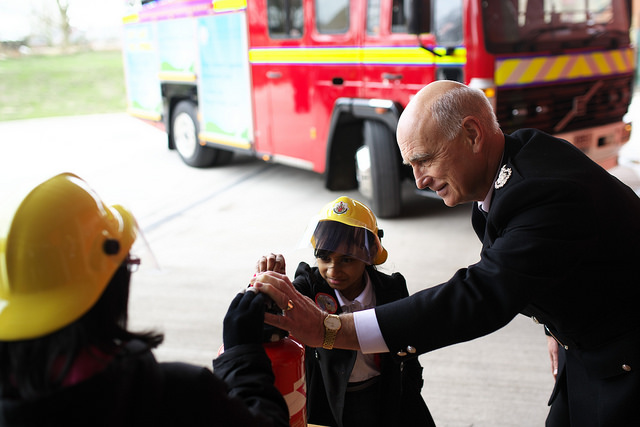
Given ongoing budget cuts and diminishing local capacity, one might be forgiven for thinking that soon public health practitioners will only be responding to emergencies, such as disease outbreaks and substance abuse epidemics. Fighting these public health fires would leave little time and resources for prevention and working with other public organisations. An event co-organised by Fuse, Durham County Council and Darlington Fire & Rescue Service recently proved quite the opposite: fire fighters and other public organisations are very capable of ‘doing’ public health.

Can public health researchers learn a trick or two from fire fighters?
The increasing focus of the Fire and Rescue Services on prevention over the last 10 years has seen the development of innovative approaches that support public health: from helping people with dementia, to tackling child obesity and getting people active (for some excellent examples, see the Local Government Association (LGA) report Beyond fighting fires).

In Durham, the Fire and Rescue Service implemented so-called Health and Wellbeing Visits. As part of home visits to check fire safety, fire fighters ask residents questions about their health and wellbeing (e.g. about falls, smoking and alcohol use, heating and loneliness and isolation) and provide them with advice or signpost residents to relevant services to address any health concerns.

Over the past year (Feb 2016 – Jan 2017), no less than 15,732 Health and Wellbeing Visits have taken place with over 1,800 referrals to various services in Durham and Darlington, accessing vulnerable residents that are often not on public health’s radar. Because of their trusted reputation, the Fire and Rescue Service can get behind the front doors of these people and help them access health services. Perhaps not surprisingly most referrals relate to loneliness and isolation, with an ageing population keen to live at home independently but with a social care system lacking resources to support these people in and outside their homes.

Even the police is getting in on the act of public health prevention with partnerships being established between health and the police across the UK to support, among others, suicide prevention and reduce alcohol-related harm, as was recently illustrated in a Public Health England paper.

In turn, public health practitioners are taking on new activities that were previously deemed outside of their scope. For instance, the Durham County Council’s public health team is actively supporting energy efficiency improvement schemes (such as Warm and Healthy Homes), in recognition of the link between excess winter death and cold houses. Poor quality housing, low incomes and high energy costs result in residents having to choose between food or fuel. To prevent residents from having to make that choice, council officers are providing tenants at high risk (e.g. people with cardiovascular and respiratory conditions) with new central heating, boiler repairs, home insulation and energy saving advice.

This blurring of boundaries between public professionals is not new, but public health moving back into local authorities has created opportunities for linking prevention activities across a wider range or organisations. The event provided many other examples of this, e.g. GPs prescribing boilers to patients with long-term conditions and Citizens Advice providing welfare rights advice to elderly residents.

This new boundary blurring builds on existing policy initiatives, such as Making Every Contact Count and Health in All Policies, which all involve the wider public health system. Participants at the event made it clear though that this is not a simple cost-saving exercise, allowing councils to pass the public health buck to other parts of the system. Instead, these new partnerships are characterised by a genuine exchange of knowledge and practices between public organisations at the front-line. It highlights a new way of working that recognised joint priorities and the values of other professions to achieve these priorities through the sharing of resources and by taking on new roles. As Professor David Hunter outlined in his presentation at the start of the event, these new partnerships require a different form of leadership, which is less hierarchical and formal, not so much concerned with Key Performance Indicators and commissioner-provider splits, but more focused on the value of relationship building, trust and 'soft' skills.

The event provided a platform for looking at these new partnerships and the evidence for their effectiveness. If anything, it highlighted a challenge for public health academics to research these new partnerships: how to make sense of the contribution of each partner in a system where boundaries are rapidly blurring? Maybe public health researchers can learn a trick or two from fire fighters.

Find out more about the event: Creating Healthy Places in the North East: the Role of Fire and Rescue Services and Fuel Poverty Partnerships

Photo attribution: "Rochdale Fire Station Opening Day" by Manchester Fire via Flickr.com, copyright © 2014: https://www.flickr.com/photos/manchesterfire/13288225965/

Friday, 24 March 2017

Beyond bricks and mortar: re-thinking home and health

Dr Philip Hodgson, Senior Research Assistant, Northumbria University

In a time of continued public spending cuts, policy drivers to age in place (to grow old in the home or in a non-institutional setting in the community) and an increasing ageing population, the challenge to ensure that people can live longer and healthier in their own homes is growing. Yet, solutions for this, when a host of other factors – the development of housing to meet commercial rather than health pressures, future generations with little equity in housing that can be used to fund future care, the prevalence of a belief in a “forever home” – are difficult to identify.

That was one of the core messages discussed at the first ‘Home and Health’ research group hosted by Northumbria University and Fuse (via the pump-priming research fund) last month. This brings together researchers, practitioners and policy makers interested in the impact of housing on health. The seminars aim to foster a core working group, culminating in the development of concrete plans for collaborating on further research in this area. Building on insights from previous Fuse Quarterly Research Meetings (‘Creating Healthy Places in the North East’ in October 2015 and ‘Reuniting Planning and Health’ in April 2016), the seminars aim to take stock of existing evidence on how housing conditions can promote or impede healthy ageing, and identify gaps for further research. Our first seminar explored priorities for research from a policy perspective and we were thrilled to welcome Gill Leng (National Home and Health Advisor to Public Health England) to present.

Gill Leng, Public Health England, presenting at the Fuse research meeting
Gill highlighted the need to think about ‘homes’ (a term which people identify with and encompasses emotional connections to a place of living) rather than just ‘housing’ (a term used when referring to the workforce and describing bricks and mortar). While evidence and action often focuses on the risks posed by unhealthy homes, little is done to address unsuitable or precarious housing. Although most older people own their homes, these are not necessarily healthy. The challenge we face is to identify an approach to housing which allows its support to develop and mirror our own changing health needs through the life course. This is not just a case of using adaptations and facilities, but reframing how we conceptualise the home as a physical location, a part of a wider social environment and a personal / psychological space.

The conceptual spaces of home illustration used in the seminars 
Group discussions focused on this issue (among others). At the personal level, a tension was found between the maintenance of private life and the role of external sources of support. Current policy relies on care delivered by family members, but this can in turn cause problems for individuals without these links. Also, how do we develop mechanisms that initiate people’s thoughts on the best accommodation for them before they reach a point when they’re in crisis / a change is urgently needed and driven by necessity rather than choice (e.g. when people with dementia still have capacity to make an informed choice)? At the level of buildings and services, these problems take on a more concrete form, where the permanence, inconvenience and cost of a housing adaptation to support health is seen more as an obstacle to avoid rather than an enabler in the future. Meanwhile, within social and environmental factors, the current focus of housing policy on volume, rather than quality of public space, and a decrease in social cohesion were both noted as linked factors that could influence health as the population ages. The depth of discussion at each of these levels highlighted the importance of issues of home and health. But to address it we need to move beyond the ideas of bricks and mortar, and consider how we think about and use our homes to facilitate our health and wellbeing as individuals and a wider society.


Our first seminar explored priorities for research from a policy perspective
All of these issues will be picked up in future sessions, which will focus on good practice, existing research in the field and funding opportunities. We’ll be continuing to blog about each of these events and their outcomes, so please check back for more information soon.

If you are interested in joining the group and attending future seminars, please contact Phil Hodgson philip2.hodgson@northumbria.ac.uk

From left: Peter van der Graaf, Monique Lhussier, Natalie Forster, Phil Hodgson
and Dominic Aitken; organising team for the home and health research interest group

Sunday, 2 October 2016

Giving Grandmothers a Voice

Guest post by Roz Rigby, a Health Improvement Practitioner at Newcastle City Council and Doctoral student in Public Health at Northumbria University

Today is Grandparents’ Day, a day which celebrates the contributions of grandparents to families and
society overall. Grandparents can have important roles in the health related decisions of families and my research is looking at the influence of grandmothers on introducing solid food. Much of the literature describes grandmothers in a negative light, suggesting they may advise their daughters to start solids before the recommended six months. I found that there was very little research that addressed this from the perspectives of grandmothers’ themselves, and therefore I set out on my research journey with the intention of finding out ‘how do grandmothers make sense of the role they play in introducing solid foods to their grandchildren?’

 I am using constructivist grounded theory methods based on the works of Charmaz (2014)1, and am still finding new meaning in my data, as I try to write up my findings. I am finding this an exciting time in the research, after the arduous task of trying to understand the terminology in qualitative methodology! I must admit that I expected to find grandmothers defending the older methods of introducing solids, which was generally started at around four months, but I actually found that they were open to change and generally accepted the new guidelines. I have also uncovered a complicated web of dynamic family interactions in which grandmothers can struggle to come to terms with competing values of the wider family that they find themselves in. Some grandmothers expressed how marginalised they feel, as they do not have access to the latest information, except through their daughters or daughters in law, and yet, they are often providing extensive childcare.

One of the issues that this research has highlighted for me, is the contested levels of responsibility that grandmothers face. On the one hand they are ‘proxy’ parents, making autonomous decisions about the food that they offer their grandchildren, whilst on the other hand, this can compete with the parents’ decisions and parenting styles (which may in turn be influenced by the other grandparents). Being able to switch this responsibility on and off can cause tension and conflict, particularly if there is a feeding issue. The problems of having a fussy eater can cause parents and grandparents immense distress, with issues of power and control coming to the fore. Grandmothers often worry about conflict within the family and are wary about raising their concerns, for fear of fracturing relationships and possibly losing contact with their children and grandchildren.

Of course it’s not all doom and gloom, as they all report feeling immense love for their grandchildren and a similar nurturing feeling that they had for their own children. They get tremendous satisfaction from these relationships, and I hope that my research will help practitioners to have a better understanding of the issues grandmothers face. I am looking forward to using the findings to develop an intervention that will help families navigate potential intergenerational conflicts and find ways of developing collaboration within families, as they all have the best interests of the children at the heart of what they do.

Reference:
  1. Charmaz, K. (2014) Constructing Grounded Theory (2nd Edition). Sage

Tuesday, 30 August 2016

Where you live can kill you

Posted by Clare Bambra, Associate Director of Fuse and Professor of Public Health Geography, Durham University

In 1842, the English social reformer Edwin Chadwick documented a 30-year discrepancy between the life expectancy of men in the poorest social classes and the gentry. He also found a North-South health divide with people from all social classes faring better in the rural South than in the industrial North.

Today, these inequalities persist. People in the most affluent areas of the United Kingdom, such as Kensington and Chelsea, can expect to live 14 years longer than those in the poorest areas, such as Glasgow or Blackpool. Men and women in the North of England will, on average die two years earlier than those in the South. Scottish people also suffer a health penalty with the highest mortality rates in Western Europe.

House for sale in New Orleans
Such geographical inequalities in health exist, to varying degrees, in all high-income countries. People living in more deprived areas fare particularly badly in the casino capitalism of the United States; where gaps in life expectancy between rich and poor areas of some cities, such as New Orleans, are as large as 25 years. Indeed, the US as a whole has a significant health disadvantage in comparison to other high-income countries with, for example, American men living on average three years less than their counterparts in France and five years less than Swiss men.

Understanding and reducing these health inequalities remains a major public-policy challenge worldwide and has garnered significant recent political attention. For example, in her opening speech on the steps of 10 Downing Street, the new British Prime Minister Theresa May highlighted the nine-year gap in life expectancy between the richest and the poorest boys in England. It is not only a moral issue though; health inequalities carry significant economic costs to individuals and society (e.g. NHS costs, lost productivity). But the causes of such inequalities are complex and the solutions contested.

Explaining health and place


Where you live affects how long you live and the health of different places is determined both by the population composition (who lives here) and the environmental context (where you live).

Who lives here? The demographic, health behaviours and socio-economic profile of the people within a place influences its health outcomes. Generally speaking, health deteriorates with age, women live longer than men, and health status also varies by ethnicity. Levels of smoking, alcohol, physical activity, diet, and drugs – all influence the health of populations significantly. The socio-economic status – or social class in “old money” – of people living in a country also matters as those with higher occupational status (e.g. professionals such as teachers or lawyers) have better health outcomes than non-professional workers (e.g. manual workers). So differences in the characteristics of people living in a country, city or neighbourhood will impact on the health of that place.

However, where you live matters. The economic environment of a country, such as poverty rates, unemployment rates, or wage levels can all influence public health. The social environment, including the services provided within a country to support people in their daily lives such as child care or health care and welfare, can also impact on population level health. The physical environment is also an important determinant with research suggesting that proximity to waste facilities and brownfield or contaminated land, as well as levels of air pollution can negatively affect health. So countries, cities or neighbourhoods with worse economic, social or physical environments will have worse health outcomes.

Reducing health inequalities


Even though both composition and context matter, and can be supported by scientific evidence, politics can matter more than science in determining which strategies policymakers pursue to reduce health divides – or if they even care about inequalities at all. After all, some potential solutions are politically easier to implement within existing systems than others.

For example, interventions aimed at changing individual health behaviours are far less challenging to prevailing power structures than those that demand extensive investment in improving the social economic environment. Indeed, by blaming people for their own health problems, such interventions let governments and businesses off the hook for the wider economic, social and environmental determinants of health inequalities.

Such “downstream” approaches only tackle one side of the coin and there is little evidence that lifestyle interventions are effective in reducing health inequalities: more comprehensive measures are needed. Most of the health gains over the nineteenth and twentieth centuries were brought about by far-reaching economic, political, and social reforms which improved the wider environment and also significantly improved the financial position of the poorest people.

It has been clearly demonstrated that more equal societies almost always do better in health terms and the poorest and most vulnerable groups, say in Sweden or Norway, are far healthier and live longer than the equivalent groups in the UK or the US. These countries have done so through the development of a stable, inclusive economy, a supportive welfare system and a high standard of living.

So, where you live matters for how long you live – and changing how we live could reduce health inequalties.


Professor Bambra’s book Health Divides: where you live can kill you is available now from Policy Press.

Clare Bambra
Professor of Public Health Geography, Department of Geography, Durham University, Associate Director of Fuse: the Centre for Translational Research in Public Health and lead of the Health Inequalities research programme
Twitter @ProfBambra


Photo attribution: “House for sale, New Orleans” by K.G. Schneider via Flickr.com, copyright © 2006: https://www.flickr.com/photos/kgs/177196564/in/

Thursday, 19 May 2016

Dementia: not drowning but waving

Posted by Mark Parkinson, Post Graduate Student at Northumbria University

It's Dementia Awareness Week in England as part of Alzheimer’s Society’s ongoing campaign to raise public awareness of this disease. It also affords us the opportunity to take stock of just how far we have progressed since the dark days of the 1980s. Back then a mood of extreme pessimism surrounded dementia amid stark warnings that this ‘rising tide’ represented an unstoppable tsunami-like force that would engulf the UK. Attempts to avert the coming disaster were seen as futile and hopeless, akin to King Canute holding back the sea. The prevailing mood of despondency was ‘justified’ by nine fallacies of dementia emanating from a general lack of knowledge and understanding about dementia.

The Great Wave off Kanagawa
  • Fallacy No.1: Dementia was commonly perceived to be part of ‘normal ageing’. Dementia is now widely acknowledged as a clinical condition characterised by neurobiological abnormalities that distinguish it from so-called ‘normal’ ageing. The public perception of dementia as a disease that is separate from ‘normal’ ageing is increasing in the UK but campaigns such as Dementia Awareness Week are still necessary.
  • Fallacy No.2: Dementia is unavoidable. Protective factors that help guard against vascular dementia in particular include our lifestyle choices, including smoking cessation, regular exercise, adherence to a healthy diet and avoiding becoming obese. The identification of potential triggers for dementia paves the way for future interventions that might mitigate the onset of dementia entirely, including monitoring for catalysts for dementia such as cardio-vascular disease, obesity, diabetes and depression. Intervention programs targeting at-risk groups have demonstrated success in preventing dementia, e.g. FINGER (a two-year programme that focuses on diet, exercise, cognitive retraining and monitoring and treating vascular risk). Latest research also highlights further candidate triggers for dementia such as interleukin 33 (IL-33) protein deficiency which may be remedied via injections to prevent dementia.
  • Fallacy No.3: Dementia is irreversible. Although this remains the case for now, the development of treatments such as Galantamine have been shown to at least moderate the effects of dementia.
  • Fallacy No.4: Dementia is untreatable. The search for a cure for dementia remains ongoing and we have moved into an era where the potential discovery of better treatments and an eventual cure has never been so high. For now though prevention via identification of key triggers remains the main option in the absence of a cure.
  • Fallacy No.5: Dementia is a diagnosis to mortality within seven years. Dementia related diseases such as Alzheimer’s now have a typical duration of 10 or more years and evidence suggests that, in general, people with dementia are living longer. The challenge continues to be ensuring they live as well as possible.
  • Fallacy No.6: Dementia is too varied and unpredictable to treat. Greater understanding of the different sub-types of dementia, their different causes and symptoms, combined with improved ability to detect them makes treatment for dementia a more viable possibility.
  • Fallacy No.7: Dementia is only detected when it is already too late to act. This remains a key issue; however, improved diagnostic tests and screening have improved early detection of the disease.
  • Fallacy No.8: Dementia is too expensive to treat. Recent interventions such as Cognitive Stimulation Therapy (CST) can be delivered to people living with dementia via just 14 hourly sessions. CST has demonstrated equivalent but more sustained effects compared to relatively expensive drug treatments.
  • Fallacy No.9: The number of those with dementia will increase exponentially in the future. Recent comparisons between CFAS1 (Cognitive Function and Ageing Studies) (1991) and CFAS2 (2015) conducted by Cambridge University reveal that dementia prevalence in the UK has actually declined by 22 per cent over this 24 year period. Those born in the latter part of the 20th century exhibit a lower risk factor for dementia than those born earlier. The tsunami warnings of the 1980s have been proven wrong.
Importantly, all this does not signal a time to relax. The need to raise awareness of dementia and the challenges associated with it remains as urgent as ever. In the 1980s a sense of urgency towards tackling dementia provided a much needed catalyst for change. Today a key difference is that this urgency is no longer fuelled by impotent fear but by renewed hope and optimism that galvanises fresh impetus to all our endeavours to beat the disease.

With acknowledgement to the inspired presentation on 25 April, 2016 at the first Gateshead Dementia Conference by Dr.Daniel Collerton (Clinical Psychologist associated with dementia care at The Queen Elizabeth Hospital, Gateshead).

Thursday, 26 November 2015

Housing and health: aligning stars or weathering a perfect storm?

Posted by Peter van der Graaf, AskFuse Research Manager

Last Wednesday I attended the annual conference of the Housing Learning and Improvement Network (LIN), which explored how the housing and health sectors can work more closely and effectively together.

The case for this partnership was well made by the keynote speakers: not only are there already strong historic roots but the present day challenges faced by both sectors make them obvious partners. With the recent move of Public Health to Local Authorities, the central message from the Marmot review - improving social determinants is central to improving population health and wellbeing - has taken on a new significance for public health commissioners faced with the needs of other local government departments.


Housing is one of the key social determinants and has received much attention in recent Government policies that seek to redefine the remit of health. For instance, the Care Act outlines an overarching vision for adult social care and emphasises various housing solutions that can help to support the integration of health and social care.

The NHS has also recognised the role of housing and has proposed a new care model around housing in its Five Year Forward View, such as the Healthy New Towns initiative. As Neil Revely from Sunderland City Council and Chair of the Association of Directors of Adult Social Services (ADASS), proclaimed: “the stars seem to align once more to bring housing and health together”. For this reason, ADASS has worked closely with NHS England to develop a Memorandum of Understanding on Housing and Health.

However, the same politics that bring both sectors together could be stumbling blocks for the partnership to take off. As members of the audience pointed out, prevention services have been hardest hit by austerity measures and many local authorities have decommissioned the services that are now most needed. With a growing and ageing population, demand is likely to increase while resources are more likely to decrease with continued budget cuts. Moreover, the ageing population means an increase in complex needs that cannot be addressed by a prevention agenda alone and in which (supported) housing is just one part of the solution.

In short, the current political and financial climate might provide a perfect storm, making it difficult for housing and health to work effectively together. The balance might be decided by the ability of the partnership to access new resources and powers, for instance, by claiming a stake in the North East devolution plans, mirrored on the success of the Greater Manchester Devolution Agreement that includes an MOU on Health and Social Care worth £6bn each year (see also the Fuse blog post by Patrick Vernon on this topic).

To make the business case for these claims, the partnership will need to build the evidence base around the impact of a joint housing and health programme in the North East. An abundance of data is available to highlight the problem areas and populations, supporting the call to arms, but limited evidence was presented at the conference on what housing providers, public health teams and care providers can effectively do to address these problems and populations. Much of the current evidence is anecdotal and in the format of case studies.

The need for more evidence of the impact of the home/housing on health and wellbeing was also reiterated by Gill Leng from Public Health England (PHE) and this is an area where Fuse could provide helpful support. What research evidence do we have available within our Centre to support the North East partnership between housing and heath? What support can we provide in developing the monitoring and evaluation framework for their programme? The recent Fuse Quarterly Research Meeting (QRM) and corresponding research brief on health and housing is a first step in this direction and the upcoming QRM in April 2016 on planning and health another, but more practical evidence is required to align the stars of local policy, practice and research and help the North East health and housing partnership to weather the current political and financial storm.

Photograph 'Incoming Storms No. 2' by Mike Lewinski via Flickr.com © 2013: https://www.flickr.com/photos/ikewinski/9448689046

Did you enjoy reading this post? If so, please vote for Fuse in the UK Blog Awards 2016 by clicking here

Monday, 21 September 2015

Shielding against the impact of the dementia time bomb

Guest post by Mark Parkinson, Postgraduate Researcher, Department of Public Health & Wellbeing, Northumbria University

Today (September 21) marks the anniversary of World Alzheimer’s Day which aims to raise public awareness about this most common form of dementia.

Dementia represents one of the main causes of disability in later life. Current estimates indicate that someone is diagnosed with the disease every 68 seconds. Alzheimer’s affects 44 million people globally with this figure predicted to triple over the next 35 years - a phenomenon aptly named 'The Dementia Time Bomb'. Advances in health mean many more people are surviving life-threatening diseases such as cancer, but susceptible to life limiting diseases such as dementia.

By 2030 more than 20 million people in the UK will be aged 60 or over. For people familiar with dementia it is one of the diseases most feared as they approach 60 years of age, a fear justified given the increased prevalence of the disease once we reach this milestone, a fear heightened by the fact that it is irreversible and terminal.

The impact of all this truly hit home during a recent conversation with my mother. Renowned for her ability to trounce all-comers at Scrabble, she struggled to recall the word ‘padlock’ prompting her to quip, with mock seriousness, that perhaps she was succumbing to the disease. My mother’s perception of Alzheimer’s still follows a traditional and mistaken one that Alzheimer’s disease is a typical and therefore ‘normal’ part of ageing. She is not alone: it is estimated that around 60% of people worldwide also incorrectly believe this, while 40% of people mistakenly think it is not fatal. I on the other hand stopped dead in my tracks. The sudden realisation that my mother’s uncharacteristic memory block might genuinely be a precursor to the more serious cerebral ‘padlocks’ associated with dementia. As a researcher involved in dementia I was only too well aware that Stage 2 of the disease is generally represented by very mild cognitive decline, including deficits to semantic memory that can include a sudden inability to recall everyday words. Much worse though was my knowledge that the later stage of Alzheimer’s can be marked by far more severe symptoms as part of a terminal degenerative process that can endure for 15 long years. A key question ran through my mind at this point: who would care for my mother if she did develop dementia?


In the vast majority of cases it is a family member who will elect to take on this role. One in eight of the UK adult population already provides such an unpaid but invaluable service. However, a central problem with our continued reliance on unpaid care is that, in general, family carers of people with dementia experience greater health inequalities due to the chronic stress commonly associated with long-term caregiving. This threatens carers' health whilst also undermining their ability to continue to provide care. A key question therefore is, ‘who will care for the carers?’ This question was the springboard for the research project I am presently engaged in which seeks to investigate, ‘What works to support family carers of people with dementia?’ While myriad resources exist that might potentially be made available, what is noticeably absent is any agreed ‘gold standard’ of support that might be put into place, tailored according to the different stages of Alzheimer’s. Unlocking this particular dementia challenge will not prevent the ‘time bomb,’ but it can offer families a much needed protective shield if and when that time does come. The need to raise awareness of dementia and the challenges associated with it has never been more urgent - the disease lies on all our doorsteps. 

Mark is currently engaged in a project concerned with several key questions related to Alzheimer’s disease: (i) which factors remain crucial to resilience-building for family carers of people with dementia (PWD) in order to maintain and sustain informal caregiving and which hinder it (ii) how can tailored support best be targeted to address the needs of specific carers? (iii) how can the inherent health inequalities faced by family carers of PWD be reduced? 

UK Dementia Awareness Week 2015 took place 17-23 May. If you wish to find out more about Alzheimer's please visit the Alzheimer's Society website.

Did you enjoy reading this post? If so, please vote for Fuse in the UK Blog Awards 2016 by clicking here