Showing posts with label takeaways. Show all posts

Friday, 26 September 2025

This time the hare might win: dark kitchens and the regulatory race

Posted by Helen Moore, Associate Professor (Research) & Fuse Associate, Teesside University 

Do you remember the fable of the tortoise and the hare? The one where the overconfident hare sprints ahead, but takes a nap, and lets the slow but steady tortoise win the race? Well, in today’s digital economy, that story’s getting a reboot, but this time, the hare isn’t napping.

In the world of food delivery and online ordering, the hare (the digital entrepreneurs) is wide awake and developing food purchasing opportunities at an incredible speed. Online delivery outlets, often functioning as dark kitchens, are agile, tech-savvy, and unburdened by the red tape of traditional business models. They’re using popular, well-known apps to reach huge numbers of people, launching new brands overnight, flooding menus with similar, but subtly different options and delivering meals faster than regulators can say “planning permission.” Low overheads, high levels of flexibility and choice have meant that rates of online food ordering are increasing, with the covid-19 pandemic accelerating this phenomenon.

Meanwhile, the tortoise (well-meaning but less agile local and national government) is still trying to understand the race in which it has been entered. Regulators are struggling to keep pace with a food industry that’s evolving in real time while the professionals working in local authorities hit ‘speed bumps’ which include outdated planning laws and limited evidence. For example, there is no clear use classification for dark kitchens, and some councils treat them as “industrial”, others as “sui generis” (unique), and there is inconsistent enforcement between local authorities. While some local authorities have implemented restrictions on takeaways opening close to schools, online food ordering apps mean that food can be delivered from places outside of the restricted areas. In addition, due to limitations with the recording of food outlet data, policymakers also find it hard to track spread or assess impact of dark kitchens which contribute significantly to this industry.

While innovation races ahead, regulation is not keeping pace, raising questions about public health, urban planning, and fairness. This isn’t just a story of speed, it’s also a story of systems, and unless the tortoise finds ways to modernise the traditional policy cycles to become proactive rather than reactive, and to reduce potential loopholes, the hare might just win this one, particularly as consumers like convenience and variety, which online ordering offers in abundance.

So, what can be done?

National and local authorities need to rethink how they engage with fast-moving digital industries - not to stifle innovation, but to ensure it serves the public good. We need clear national guidance on planning classifications, and health-focused planning laws that include digital-only food outlets. It isn’t all bad news though, there are some signs of progress with local authorities beginning to enforce planning permission requirements and with funded research projects examining various aspects of dark kitchens.

Free online training

To support local authorities and communities in using the planning system to promote healthier diets and reduce obesity, we have launched a new, free e-learning course called Planning for a Healthier Food Environment. The course was developed through a collaborative effort between Fuse (the Centre for Translational Research in Public Health), academic experts from Teesside University and Newcastle University, and the Office for Health Improvement and Disparities (OHID).

This one-hour online Fuse Research Event, held on 23 September, introduced the wider policy and planning context for the course, provided insights into its cross-disciplinary development, and outlined how the resource can be applied in practice to support healthier, more equitable environments.


Photo by Roman on Unsplash

Friday, 20 October 2023

Pulling the PINS on takeaways

Creating healthier food environments through the planning system

Posted by Callum Bradford and Claire O'Malley, Research Associates, Teesside University

Obesity continues to be significant health and social problem, especially due to its links with cardiovascular disease, diabetes, and certain cancers. One potential solution is to change our environment so we are better equipped to make healthier food choices, however, as you can imagine, this is easier said than done!


A tool that can be used to help shape the environment with help from Local Authorities is the Planning System. Many of our towns and cities are full of hot food takeaway outlets and unless you are made of stone (or perhaps a public health researcher?), there will come a day when your motivation is low and you don’t have time to cook a meal, making the local takeaway feel like the obvious solution. But, if we can limit the number of takeaways and improve access to healthier food, we can encourage individuals to make healthier choices.

Research has shown that just over half of Local Authorities in England use the planning system to limit the number of hot food takeaways in their area, with 34% doing so with public health in mind. The most well-known example of this policy is setting a minimum distance a new takeaway must be from local schools, usually set at 400-800m away.

However, when a newly proposed takeaway is rejected, the owner has the right to appeal the decision. This appeal moves the decision from the Local Authority to the Planning Inspectorate (PINS) on behalf of the Secretary of State.

Our research looked at the ins-and-outs of this process. Specifically:
  • What are the influences behind a decision by the Planning Inspectorate?
  • How is the Planning Inspectorate perceived by professionals involved in the process?
  • What barriers do Local Authorities need to overcome to win a case?
  • What factors make for a better chance of success?
To explore this, we spoke to local planners and public health professionals, including the Planning Inspectorate to get a greater insight into the process.

The main findings from our interviews were that:
  1. there was a discrepancy between what public health professionals, planners and the Planning Inspectorate considered to be public health evidence; and
  2. how public health professionals countered this with their enthusiasm to try and shape healthier environments.
The Planning Inspectorate was viewed by all as fair and neutral. However, public health professionals believed they had to go out of their way to ‘state the obvious’, in that new takeaway outlets would likely be harmful to local health. Conversely, planners and the PINS were keen to point out that public health is just one small aspect of planning policy.
“I think there seems to be an expectation from the public health side of things that planning will provide policy…like restricting take-aways will be the end of it from a health point of view, and of course planning is not actually designed to do that.”    
Planning Officer
This perceived constraint that health-based evidence was not given enough weight in decisions was offset by the enthusiasm of public health professionals to limit hot food takeaways in their area. They were often very proactive in defending appeal cases, stressing the importance of communication across a Local Authority, finding robust statistical evidence (as opposed to ‘anecdotal qualitative evidence’), and having good knowledge of their local area. Having this information in a Local Authority’s Local Plan (this guides decisions on future development proposals and addresses the needs and opportunities of the area) supported this activity and removed the need for re-researching the area for each application.
“It's all well and good having the policy but it needs the evidence as well to back it up. So, having access to the public health team and the public health evidence is a really, really relevant part of the appeals process” 
Public Health Professional
Planning policy can be used to successfully limit the number of takeaways within a local area. However, if such policies are to be used reliably to prevent their spread in our towns, public health professionals need adequate support to defend appeals, and planning needs to give greater consideration to public health evidence.

Friday, 12 August 2022

What impact did a blanket ban on new takeaways have in Gateshead?

Posted by Heather Brown, Professor of Health Inequalities at Lancaster University

At the end of a road I used to live on, there was a wonderful curry house that always smelled amazing every time you walked by, even if it was 8am in the morning and they were just starting to prepare the food for the day. Whilst I lived there, I ate more takeaway curries then I have in any of my other many houses which were not so conveniently located to delicious smelling food.

The food available to us in our environment is likely to influence what we eat and subsequently our health. The use of planning policy can be one way for both local and national government to help shape a healthy environment by limiting or restricting where certain types of food outlets can be located. About half of all local authorities in England have some type of planning guidelines to restrict new fast-food outlets. In England there are three main types of planning policy used to promote a healthy food environment:

1. restricting new fast-food outlets near schools.

2. restricting new fast-food outlets if the density of existing outlets has surpassed a certain threshold of all retail outlets (e.g. no more than 20% of all outlets can be fast-food).

3. restricting new fast-food outlets if childhood obesity rates are above a certain threshold (e.g. above 20% based upon data from National Childhood Measurement Programme for children aged 4-5 and 10-11).

What Gateshead did


Gateshead Council, like many local authorities in North East England, has childhood overweight and obesity rates that are higher than the national average. To try and reduce childhood overweight and obesity to less than 10% by 2025, Gateshead implemented all three types of planning guidance (a school exclusion zone, restricting new outlets by retail density, and restricting new outlets by childhood obesity rates). This is effectively a blanket ban on establishing a new premise for use as a fast-food outlet if the building was not already being used for that purpose. Buildings that were being used for fast-food could change ownership and continue to sell fast-food. This guidance was implemented in June 2015.

As part of an NIHR Applied Research Collaboration (ARC) North East and North Cumbria (NENC) funded project, we evaluated if Gateshead Council’s approach to planning had any significant impact on the density and proportion of fast-food outlets in Gateshead compared to other local authorities in the North East which did not have any type of planning guidance. Data on food outlets came from the Food Standards Agency Food Hygiene Rating Scheme Data. Our analysis covered 2012-2019 (we did not include data during the Covid-19 pandemic because planning guidance on what type of food outlets could provide takeaways was relaxed) - a subject covered earlier this week in the Fuse blog post How Covid-19 changed the takeaway landscape by Callum Bradford from Teesside University.

What we found


We found that compared to other local authorities in the North East, Gateshead’s planning policy reduced the density of fast-food outlets by around 13 per 100,000 people and the proportion of fast-food outlets by around 14%.

Next, we are going to look at if this change in the density and proportion of fast-food outlets has had any impact on childhood overweight and obesity between 2015 to 2019 and if this did anything to reduce inequalities in childhood weight.

If you would like to read our paper in Social Science and Medicine on the impact of Gateshead’s planning policy on the food environment you can find it here.

Tuesday, 9 August 2022

How Covid-19 changed the takeaway landscape

Posted by Callum Bradford, Research Associate, Teesside University

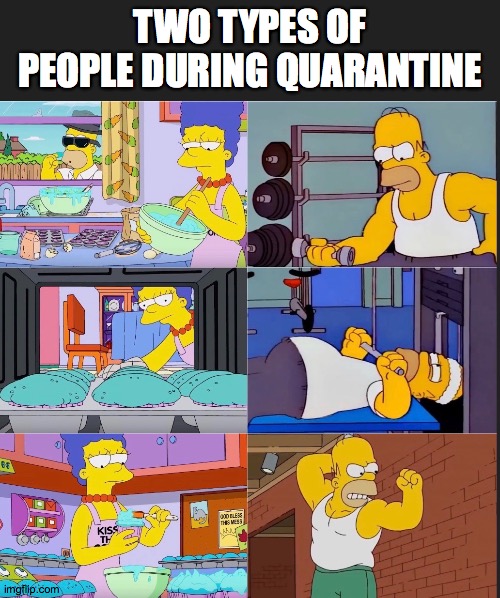
During the Covid pandemic, you may have seen the memes for how there are two types of people during lockdown. First there were those who used lockdown as an excuse to exercise more, eat well, and generally take care of themselves in a manner of which they had never had the time for previously. Then there were those who out of sheer boredom, decided to drink and order takeaway on more days than not as it was ‘something to do’.

As you can probably guess, I very much fell into the second category.

To my detriment, takeaways typically sell food which is relatively cheap, high in calories, low in nutritional value, and (annoyingly) very appetising; all delivered to your front door in a matter of minutes. Now I don’t want to come across as anti-takeaway, or anti-business, there is a place in our society for unhealthy food, nor do I blame anyone else for my questionable dietary choices. However, I’m sure most of us agree that we can have too much of a good thing at the impairment of not only our own health, but also the health of the high-street.

Apparently I’m not the only one who is too easily tempted by takeaways, with local governments implementing planning regulations to further prevent this takeover-of-takeaways, in the knowledge that our willpower is often lacking. You’re likely familiar with some of the rules already in place, such as no takeaways within 200m of a school, or that most restaurants and pubs can only provide takeaway food on an ‘ancillary’ basis.

However, with the Covid-19 lockdowns pubs and restaurants lost their ability to trade. In an attempt to combat the potential loss of business, the government introduced new temporary measures allowing these businesses to trade as takeaways, without needing to apply for planning permission. In other words, my options for takeaway just increased threefold, and by ordering-in I was ‘doing my bit’ to keep businesses open.

As we were now stuck indoors, every occasion was now an excuse for a takeaway; Birthday? Takeaway. Passed Uni? Takeaway. Anniversary? Slightly fancier takeaway with cocktails (highly recommend).

With these temporary regulations in mind, we consulted with various planners, public health leads, and environmental health officers from across the North East, to better understand how these regulations were impacting their roles, alongside any public health trepidations they may have (if my diet alone wasn’t enough cause for concern).

The main theme throughout our conversations was an overwhelming sense of uncertainty. Covid had an unprecedented impact on the priorities of local authorities. Because of this, they could not organise the infrastructure needed to identify how many businesses were choosing to trade as takeaways. Even today as we slowly return to a sense of normality, the role of collecting this data appears to be unassigned as authorities play catch-up on work lost to Covid. Therefore, as you can imagine, gauging the impact of these regulations became very challenging and speculative. There was also uncertainty around how and when these regulations would end, or what elected members planned to do (if anything) about the potential long-term consequences to health.

Surprisingly, the main finding from our research had little to do with the regulations themselves, but rather how Covid has accelerated change in the takeaway landscape. During Covid, we all developed new habits (for better or worse); one of which was the use of online delivery services such as Deliveroo and Uber Eats.

Despite the temp Covid regulations now ending, with these delivery services, many businesses that could not originally offer takeaway now can, and local authorities have limited ability to prevent them from doing so since they aren’t technically providing the deliveries themselves. A quick search on Deliveroo in Middlesbrough for example offers me delivery for Burger King, Starbucks, and Creams Cafe. None of these options are well-known as takeaways, but all now provide the delivery of unhealthy food. And although these services were technically available pre-Covid, the pandemic has led to a huge increase in their popularity, allowing for more unhealthy-food options and the changing of shopping habits. There are also traffic implications. Have you ever tried to walk through Liverpool city centre during lunch hour? Attempting to dodge Deliveroo riders on their bikes as you stroll through town is quite the experience.

To summarise, the Covid pandemic had an unparalleled impact on public health professionals, to the extent that the government implementing new regulations regarding takeaways was considered low priority. Ambiguity surrounding the impact of these regulations remains, with the ending of the regulations becoming somewhat nullified given the rise of online delivery.

In conclusion I offer some advice. if you’re trying to eat healthier, writing a blog post on takeaways whilst doing ‘research’ on Deliveroo, might not be the wisest of ideas – speaking from experience.

Friday, 22 July 2022

Going hybrid: The best of both worlds?

Posted by Helen Moore, Associate Professor (Research), Teesside University

Since 2012 my ability to attend in-person and participate in seminars, conferences and workshops has been significantly reduced. This was partially due to a change in my mobility while I was pregnant with twins twice (!) (2012, 2015), and then after my pregnancies, due to the challenges of arranging childcare for four small children. It has become easier as they have got older, but after my second maternity leave, I returned to work but remained the primary carer for four children under the age of four as their father (my husband), was (and still is) a Merchant Navy captain, which involves working away for half of every year.

Make an enquiry about getting professional technical help as soon as you conceive the idea
 – don’t assume it will be prohibitively expensive
During this time, I had always felt very grateful to any event organiser who took the time to release the slides after their events or, as time progressed and technology moved on, to run an additional online version as this enabled me to participate, albeit in a less than perfect fashion, but I viewed it as certainly being better than nothing. I hadn’t really appreciated how many other people were also often unable to attend events in-person, due to other factors in their lives, but this was brought into sharper focus for me with the Covid-19 pandemic when I started reading, and joining in with, conversations on social media around event accessibility that had never been on my radar.

I’m sure everyone remembers that when lockdowns were imposed, initially events were completely cancelled but as time progressed and it became clear this was not going to be a ‘flash in the pan’, the planning stages of events began to include considerations of how best to run them entirely online, with many people having to rapidly learn and develop skills around using technology to engage with the maximum number of participants possible.

Between January-April 2021, I was part of a team that worked on a project commissioned by the Office for Health Improvement and Disparities (OHID) which looked at the impact of Covid-19 on the hot food takeaway planning regulatory environment in North East England. As the project drew to a close the team thought that this, alongside other work we had been involved in, or were aware of, would make an excellent Fuse Research Event, and my colleague Professor Amelia Lake and I decided we would work together to make it happen.

I was keen to explore the possibilities of having a, in my view, truly hybrid event, where participants could choose to attend in person or via a real time remote video stream, and where presenters could choose to be in the room or present via a MS Teams link. I had previously worked with the team from Teesside University’s Aurora House on other projects, and Amelia had worked with them to create the live stream of her inaugural professorial lecture, so we were confident that they possessed the skills, the technology and the will to ensure this could happen.

It took a lot of organisation to get this to work, and having organised many events pre-Covid, it was definitely more work than if we had decided to run a traditional event with in-person attendance only. I spent significant amounts of time thinking about how we could include the remote audience and presenters in the discussion in the most effective way. The entire event was live streamed on the Fuse YouTube channel, with a technician ensuring that the virtual audience saw a mix of angles and information during the session. We used sli.do to allow the remote audience to submit questions during each presentation, and then one of the organising team asked the questions using the same microphone that was used for questions from the room so everyone could hear.


We only had one minor hiccup, in that we used my personal Teams account to allow the external speakers to present, and I forgot to decline meetings that were scheduled to run at the same time – and, of course, the other meeting used the chat function, which meant everyone could read their messages! We managed to get a message to the other meeting and they quickly stopped using the chat function!

As usual, we asked for feedback on the event, and the comments were extremely positive, including the fact it was hybrid, with “Ability to attend online”, mentioned in more than one response.

I would absolutely encourage people to think about making the effort to run hybrid events. it widens your audience and opens up different avenues for discussion – posing a question via an online function is, for most people, less scary than standing up and speaking into a microphone! 

My top tips for running a hybrid event

While I was writing this blog, I thought about what my top five tips would be for anyone considering running a hybrid event in the future:
  1. Make an enquiry about getting professional technical help as soon as you conceive the idea – don’t assume it will be prohibitively expensive;
  2. Ensure you communicate with the presenters and attendees, before and during the event, about how they can interact and engage during the event;
  3. Use interactive apps such as sli.do.
  4. Avoid using personal accounts for external events, such as Teams or Zoom (or make sure to decline any other meetings scheduled at the same time!)
  5. Always ask for feedback to improve future events.

Friday, 14 February 2020

Uniting planning and health to tackle obesity

Public Heath England (PHE) has just published practical guidance, informed by Fuse research, for local authorities wanting to use the planning system to improve public health. In this blog post Andy Netherton and Michael Chang, from PHE's Healthy Places Team, tell us how they hope the guidance will be used to tackle obesity.


Obesity is a modern day public health challenge that cannot be met by a traditional scientific approach alone. Tackling obesity levels in England requires action by national and local government, health and social care, non-governmental agencies, communities and individuals – a whole system approach.

Traditionally the vast majority of public discussion and state campaigns target individual level behaviour change and treatment. This does not address the environment in which we live, that influences the decisions and actions that we make; things such as what we eat, whether we exercise, how we travel to work, how we interact within the community and if we have access to and use open spaces.

These physical environmental factors can be influenced by national and local policy and action. State led interventions are difficult to put into place due to the need for evidence within complex social and environmental determinants. The difficulty to isolate evidence related to these interventions and local government capacity to balance competing demands results in an inconsistent approach to policy adoption.

The use of planning policy and development management is a clear example of an intervention to tackle obesity which is not yet consistently applied across the country. Practice across the country has shown a diverse range of approaches in local plans and planning appeal decisions which has taken over 10 years to develop, but is now accelerating.

Figure 1 – Charting the use of planning for healthy weight environments


This policy to implementation lag has to be seen in the context of an increasing obesity challenge, both in terms of prevalence and health inequalities.

Figure 2 – key obesity data and trends

Statistics on Obesity, Physical Activity and Diet, England, May 2019 - NHS Digital, Government Statistical Service


Is the reason down to the nature of local evidence provided or the knowledge of the individual local authority teams, planning inspectors or the wider planning regime?

This was recognised within the Childhood Obesity: a plan for action, Chapter 2. The challenges it identified, included the proliferation of fast food outlets, less active travel, limited access to green spaces and physical activity; and these factors create an environment that makes it harder for children and their families to make healthy choices, particularly in some of our most deprived areas.

The Childhood Obesity plan confirmed that local authorities have a key role in tackling this challenge and pledged support:
  • to make sure that all local authorities are empowered and confident in finding what works for them, and;
  • to develop resources that support local authorities who want to use their powers and provide up to date guidance and training for planning inspectors. 
In response Public Health England (PHE) has released guidance on using the planning system to promote healthy weight environments.

Previous research by PHE (Spatial Planning and Health: Getting Research into Practice (GRIP) study report) identified that local authorities would benefit from support that reduced the need for resource input, for example reduced duplication to create policy and practice. This publication is aimed at getting knowledge into action by providing guidance and a template supplementary planning document (SPD), one of many planning levers available to local authorities, that can be used by local authority planning and public health teams. It answers the following questions:
  • What is the current evidence base linking the built and natural environment and healthy weight? Specifically, can the local food environment influence diet and obesity?
  • How can the planning regime be used to promote healthy weight environments?
The publication identifies the background work necessary in order to comply with planning policy development, where the key is the use of local evidence and consultation. It specifically provides guidance on the use of the 400m exclusion zone for hot food takeaways, features of the built environment and building design that promotes physical activity, use of green space, allotments and neighbourhood design.

The provided supplementary planning document (SPD) is a starting point that requires local content and policy to be added. It can be used as a whole or parts selected on local need or to dovetail to existing local policies. Clearly this intervention is one intervention that must be used within a wider national and local obesity strategy.

There remain challenges to promoting a healthy food environment, for example the impact from the rise of industrial kitchens for food delivery must be monitored. Work must continue to influence the energy and compositional content of other food options and build our homes and neighbourhood to allow people to more active.

This publication provides guidance on a practical evidence based intervention that draws together several professional groups within a local authority. Gateshead Council have successfully adopted and defended on appeal, controls on hot food takeaways as part of a wider approach to tackling obesity and promoting healthy weight environments. It is hoped that for many areas working together to tackle obesity will provide confidence to further unite planning and health. It moves the debate from a deficit model of obesity to an asset based (salutatogenic*) approach to promoting healthy weight.


*Israeli-American sociologist Aaron Antonovsky coined the term "salutogenesis" to describe an approach which focuses on a positive view of wellbeing rather than a negative view of disease.

Friday, 14 June 2019

Battle planning to reduce childhood obesity

Michael Chang, Co-founder, Health and Wellbeing in Planning Network

Latest statistics show that obesity prevalence is highest in London, the West Midlands and the North East and there is a significant gap in children living in the most and least deprived areas. So I am supportive of Local Planning Authorities (LPAs) using relevant planning powers at their disposal to promote a healthier food environment to help reduce childhood obesity levels and close the inequalities health gap.

Here I want to reflect on efforts by councils to introduce planning policies and guidance to manage unhealthy food environments around schools and other educational settings. It follows on from a previous blog on whether councils have what they need to help tackle obesity?

The context of this blog is the recent session from the draft New London Plan examination on draft Policy E9 C which seeks to control proposals containing hot food takeaway uses (A5 class use in planning terminology) within 400 metres walking distance of an existing or proposed primary or secondary school. Many other local authorities are proposing similar policies and undergoing similar stages of the local plan in the North East and other parts of the country.

The London Plan is the Mayor of London's strategic planning document and sits above individual borough Local Plans. It sets out 'issues of strategic importance' (note terminology used) for all of London while individual borough issues are dealt with at borough level. It is a powerful and influential planning document for borough level planning policies and planning decisions across the 32 London Boroughs and the City of London. It is as upstream as you can get in terms of policy influence. Other areas with Combined Authorities or joint planning units will also be developing these strategic planning documents.

London Plan examination held at London City Hall
What is an examination?

Draft policies need to be tested through an ‘examination’ before they can be adopted by councils. Don't let the terminology put you off - essentially an independently qualified person(s) from the Planning Inspectorate carries out an inquisitorial process on whether to accept, suggest revisions or reject the proposed policies. Often policies on takeaways fall at this hurdle and are subsequently watered-down or deleted altogether.

Policy approaches to managing fast food takeaways

Fast food takeaways, in planning terms in England (Wales, Scotland and Northern Ireland will have their own variations of the use class classification), is a specific use class - A5 - for selling food to be consumed off the premises. Planning permission is needed for change of use to A5 from other uses such as a hairdressers. There are many 'planning' approaches to managing fast food takeaways and only recently have the approaches been influenced by a need to tackle public health issues such as obesity. Latest research by Keeble at al. found 50.5% of LPAs had a policy specifically targeting takeaways with 34.1% focused on health. Planning Practice Guidance, Health and Wellbeing Paragraph 6 sets out examples of approaches for consideration including over-concentration and proximity to certain activities.

Opposing arguments

There are opponents to takeaway policies who believe them to be overly restrictive. Their arguments have some merit, particularly against economic reasons in areas desperate for economic activity. I would suggest policies can be justified as part of a package of policies to tackle unhealthy environments as well as prosperous diverse local economies. Common themes from those opposing include:
  • "The policy does not meet National Planning Policy Framework (NPPF) soundness tests"
  • "There is no objective evidence for any link between the incidence of obesity and the proximity of hot food takeaways to schools" 
  • “Obesity is complex and you can’t narrow it down to just takeaways”. 
  • "The local area has the lowest percentage of overweight or obese children" 
  • "There are unintended consequences for local jobs and employment" 
  • "The policy would limit consumer choice and access to retail" 
  • "The policy would also ban healthy takeaways and does not address unhealthy food sold in other non-A5 outlets".

Hold your ground: defending a 'sound' takeaways policy

This singular policy issue or public health intervention of managing takeaways is deceptively complex, and battles are taking place up and down the country as councils defend the soundness of policies against objectors as well as the probing questions from inspectors. When defending a takeaway policy, there should be a combination of the following:
  • Valid consideration: Be confident that efforts to tackle obesity through the environment can be a material planning consideration.
  • Planning basis for obesity: Recognise that the NPPF requires planning to consider all three social, economic and environmental factors equally. But make sure there are priorities on tackling obesity through the environment in local health strategies. 
  • Local evidence: Do your research and build up a local evidence base, including the use of up to date data and mapping to demonstrate the scale and location of the problem. This should also include knowing the background of those who operate local businesses – independent or chain. 
  • Whole systems approach: Take a corporate approach by referring to programmes such as promoting healthier catering, food growing and education to demonstrate the action is part of a cross-council initiative. Also demonstrate you are planning for a healthy weight environment, and that the takeaways policy is an important part of the jigsaw. 
Researchers, local government and national agencies are aware of these practical challenges hindering local action to make it less easy for kids to become overweight. Concerted efforts and peer support are needed so let’s keep the conversations going.


References:
Image:

Friday, 7 June 2019

Take it away: a masterclass in healthy takeaways

Post by Scott Lloyd, Advanced Public Health Practitioner at Public Health South Tees and Karen Pearson, Catering Monitoring & Advisory Officer at Redcar & Cleveland Council

Whether it is the Golden Cod or the Taste of India, independent hot food takeaways get a bad rap in Public Health circles. They serve food and drink that is predominantly higher in fat, salt and sugar and may contribute to noise pollution and other environmental ills. Furthermore, they may not be the best option for our beleaguered high streets as they tend to be shuttered up during the daytime.

Up to March 2018, for a variety of reasons (including health), 164 out of 325 Local Authorities (50.5%) have introduced powers through Local Plans or Supplementary Planning Documents (SPD) that aim to restrict the proliferation of hot food takeaways (Keeble et al. 2019)[1].


Watch this video to find out more about how we worked with takeaway owners
(click here if the video doesn't appear above)

But let’s be honest – that horse has already bolted. Analysis by Public Health England has shown that there is an average of 96.1 hot food takeaways per 100,000 population in England (Public Health England, 2018)[2].

Where we work in Redcar and Cleveland, the Local Authority introduced a SPD in 2008 that restricted the percentage of hot food takeaways (A5 class use in planning terminology) in any commercial centre to no more than 5% - but even then, each commercial centre already had more than 5% hot food takeaways.

So we have to accept that hot food takeaways are here to stay – at least for the foreseeable future. Many Local Authorities have implemented interventions such as award schemes that engage these businesses to support them to improve the healthiness of their food offerings, but with limited evaluation (Hillier-Brown et al. 2017)[3]. Indeed, we have a Food4Health award in Redcar and Cleveland, which is open to all out-of-home caterers. We were doing OK in engaging hot food takeaways but we wanted to try something different.

In 2015, the Foodscape team organised a Fuse Quarterly Research Meeting on developing interventions with out-of-home caterers. One of the presentations was by Louise Muhammad from Kirklees Council on the healthy takeaway masterclass that they had developed and delivered to over 20% of the eligible businesses on their patch. The masterclass was described as a three-hour session in which hot food takeaway owners and managers learn about the small, sustainable changes they can make so their food is a little healthier without costing a huge amount or that will actually save them money/generate new custom.

A few months later, we travelled down to Huddersfield to watch a masterclass being delivered. It was clear from the start that this was something that engaged businesses and had potential. The decision to repeat it in Redcar and Cleveland was easy.

Takeaway owners and managers learning about small changes to make their food healthier
We worked with the teams from Kirklees and Foodscape to deliver our first masterclass in May 2016. In line with what Kirklees do, we invited hot food takeaways with a food hygiene rating of three or above – the feeling was that any outlets with less than this really needed to concentrate on food hygiene first. In total, 181 invitations were sent out and 18 attended, representing 10% of those eligible – a figure that we practitioners were happy with (if not all the academics!).

The Foodscape team conducted a mixed methods evaluation to explore the acceptability and feasibility of the masterclass intervention (Hillier-Brown et al. 2019)[4]. The takeaways businesses that attended made a variety of pledges – the ones that required less effort and cost (e.g. reducing salt and sugar in pizza dough) were implemented more so than other more potentially costly or difficult changes (e.g. stocking reduced sugar tomato ketchup).

Pledging to use healthier alternatives
Has this work made the hot food takeaways in Redcar and Cleveland healthy? No it hasn’t. Like the rest of us, businesses owners have a living to make and will cater to what their customers want. But as an example, Carol - the owner of a sandwich shop in Guisborough who stars in the film above - pledged to take 10% of the sugar out of her baking. Did her customers notice? No. Did, this make her flapjacks ‘healthy’? Of course not but they are now a little healthier. Hence, has the masterclass via all the pledges made their food offerings a little healthier? Probably.

We have since delivered a further six masterclasses, with the offer extended to other out-of-home caterers such as restaurants. About 30% of all eligible takeaways in Redcar and Cleveland have now attended a masterclass, with follow up support provided by the Food4Health award.

Engaging with hot food takeaways can be difficult. We are now struggling to attract new businesses onto the masterclass and may hit a saturation point at 35% or 40% of those who are eligible. Some owners have other priorities and some may not accept the healthy eating messages. Also, some hot food takeaway owners are not even resident to the UK so engaging them is nigh on impossible. But we have to continue to try.

Another key learning point is that we need to work more closely with suppliers. The majority of masterclass attendees pledged to start using healthier alternatives, such as reduced sugar tomato ketchup or reduced salt soy sauce but they were unable to source these items from suppliers at a reasonable cost or not at all. Hence, wider work is needed with suppliers which, as one of the other Foodscape projects showed, is possible (Goffe et al. 2019)[5].

But the masterclass is an acceptable and feasible intervention to engage a good proportion of hot food takeaways. We will continue to deliver it once or twice a year as long as there is sufficient demand. We’re hoping to run the next class in September, so lookout for that.

What the masterclass doesn’t do is engage the big operators such as McDonald’s and Just Eat, accepting that the latter works mainly through local independent takeaways (but what requirements can the national corporation specify on their local deliverers?). It’s likely that national work is needed with those corporations, continuing the good work of Public Health England and others.

We also need to be mindful of the potential impact of “dark kitchens” – potentially the “satanic mills of our era”. But I’ll save that for another time…


Read our handy Fuse research brief to find out more about the Foodscape study.


References:
  1. Keeble, M., Burgoine, T., White, M., Summerbell., C., Cummins. S., Adams, J. (2019). How does local government use the planning system to regulate hot food takeaway outlets? A census of current practice in England using document review. Health & Place, 57, 171 – 178. https://doi.org/10.1016/j.healthplace.2019.03.010
  2. Public Health England (2018). Fast Food Outlets: Density by Local Authority in England. Available at: https://www.gov.uk/government/publications/fast-food-outlets-density-by-local-authority-in-england [accessed 27 May 2019] 
  3. Hillier-Brown, F.C., Summerbell C.D., Moore, H.J., Wrieden, W.L., Adams, J., Abraham, C., Adamson, A., Araújo-Soares, V., White, M., Lake, A.A. (2017). A description of interventions promoting healthier ready-to-eat meals (to eat in, to take away, or to be delivered) sold by specific food outlets in England: a systematic mapping and evidence synthesis. BMC Public Health, 17 (1), 93. https://doi.org/10.1186/s12889-016-3980-2
  4. Hillier-Brown, F. C., Lloyd, S., Muhammad, L., Goffe, L., Summerbell, C., Hildred, N. J., ... Araújo-Soares, V. (2019). Feasibility and acceptability of a Takeaway Masterclass aimed at encouraging healthier cooking practices and menu options in takeaway food outlets. Public Health Nutrition. https://doi.org/10.1017/S1368980019000648
  5. Goffe, L. Hillier-Brown, F., Hildred, N., Worsnop, M., Adams, J., Araújo-Soares, V., Penn, L., Wrieden, W., Summerbell, C.D., Lake, A.A., White, M., Adamson, A.J. (2019). Feasibility of working with a wholesale supplier to co-design and test acceptability of an intervention to promote smaller portions: an uncontrolled before-and-after study in British Fish & Chip shops. BMJ Open, 9 (2), e023441. https://doi.org/10.1136/bmjopen-2018-023441

Friday, 15 March 2019

Have you haddock enough?

Posted by Louis Goffe, Research Associate, Newcastle University

That smell. That distinctive saline scent. Your subconscious has your saliva glands brimming before you’re cognisant of what you desire.


Fish & chips is arguably our most iconic contribution to the culinary arts. This most harmonious pairing of Jewish-style fried fish with chipped potatoes, first engaged in the 1860s and have been besotted with each other ever since. At their peak during the inter-war years, there was an estimated 35,000 shops around the country, while in today’s diverse and competitive fast-food market, there remains around 10,500 chippies.
Fish & chips Edwardian style

The interrelating factors that derive our weight are as unique as our fingerprint and untangling and finding solutions is a global challenge. There is no single determinant and competition for a slice of the obesity research funding pie, is as cutthroat as the local high street takeaway shop cluster.

Takeaways are not the prime suspect in unlocking the door to good health, but it’s clear that they do play a role. As such, we need to scope what aspects can change to help provide customers and communities with healthier options.

When it comes to food, there is no universally accepted metric for ‘health’. The term is open to interpretation and keenly fought over, see the fat Vs carbs debate. However, such considerations are rendered obsolete when considering the nutritional profile of independent takeaway food, where meals were found to be “excessive for portion size, energy, macronutrients and salt”. It is the sheer volume of food provided that is the intimidating/wondrous [delete as personally appropriate] factor.

Pizzas are the chart toppers when it comes to portion size, delivering a medium value over 1,800 calories, though fish & chips are not far behind on an excess of 1,600 calories. This is a hefty dollop of energy, given that an adult women is advised to consume 2,000 calories per day. Of course, just because a portion contains this amount of food, it doesn’t mean that one will consume it all. But the evidence is clear “people consistently consume more food and drink when offered larger-sized portions, packages or tableware than when offered smaller-sized versions”.

It was not our assertion that any particular cuisine type is to blame, but to find potential solutions to what has likely been an arms race by traders in response to their most vocal customers to provide the most calorific-kick per quid, as highlighted in this quote from a Scottish fast-food trader.
“They just want chips… they'll have a look and then go along have a look at their deals and then come back and they'll order… they like the value for money. The competition here is unbelievable.”
In our NIHR School of Public Health Research funded study based at Fuse in collaboration with The Centre for Diet and Activity Research at the University of Cambridge, we wanted to challenge the notion that quantity rules above all, to see if traders and their customers were accepting of promotion of smaller meals.

Louis throwing himself into the research
Fish & chips offered the ideal starting template. Their taste is as beholden to us, as espresso is to the Italians, therefore reformulation has limited potential. Despite their volume, they’re presented as a one-person meal, with smaller sizes mainly limited to children, pensioners or as lunchtime specials.

Engaging with traders is a huge challenge. Therefore, we asked Henry Colbeck Limited, an independent specialist fish & chip shops wholesaler, to give the project that foot-in-the-door via a trusted voice. We co-designed the intervention, but crucially, they led on delivery and we retained our independence as a research team for analysis and interpretation of the evaluation data.

We were operating in an intervention landscape reliant on traders’ voluntary participation. This meant an emphasis on the potential financial rewards of provision of smaller meals to traders’ businesses, through articulating the power of customers’ awareness and demand for healthier options.

Henry Colbeck were key to creating a meaningful dialog with and between traders and getting them on-board with the trial. We found both owners and their customers were broadly accepting of the prominent promotion of the lighter meals, with a reported increase in the proportion of smaller meals sales, however our sample size was too small to derive statistical inference.

Lite-BITE box developed by Henry Colbeck Ltd
Interestingly, during interviews with traders, one big question remained, ‘what constitutes a smaller meal?’ During the trial, it was left to traders to define and package accordingly. Concurrent to our independent evaluation, Henry Colbeck sensed an opportunity and developed a new product specific packaging, the ‘Lite-BITE’. They have subsequently sold, along with their partner suppliers across the UK, 12 million boxes in 2018, highlighting that there is the customer demand for a more modest and manageable portion.

Despite this success of raising the profile of smaller meals, how much of them we consume is still unknown and more work is required to better understand the health implications. Also, like the traders in our study, we the consumer, would also benefit from clearer, potentially standardised, portion sizes that could help support nutritionally informed choices.

Our study was formative in nature, but the Lite-BITE box sales show an appetite for smaller takeaway meals and the access to traders that Henry Colbeck provided far out numbers those we could have obtained through door-stepping as academic researchers. We should put all potential tools on the dinner table that could help create healthier environments, including harnessing customer power. So next time you’re in your favourite fish fryer, if it’s not on the menu, ask for a smaller meal and hopefully the owner will soon start to sniff out that saline scent of profit to be made from healthier options.

Louis stars in our video about the research


Image: 'Beamish offers Edwardian-style fish and chips' from BBC Wear 2011: http://news.bbc.co.uk/local/wear/hi/front_page/newsid_9386000/9386156.stm

Friday, 19 October 2018

What’s a night out without a takeaway?

Ingrained & intertwined risky drinking & eating habits

Posted by Stephanie Scott, Senior Lecturer in Criminology & Sociology, Teesside University

A recent Fuse blog post reflected on the ways in which alcohol and food come together in the lives of young adults (Cassey Muir and Alice Graye ‘the booze, the binge and the bulge’). For example, some young adults may eat a takeaway after a night of drinking and a fry-up the next day, some may choose not to eat prior to drinking and some may drink alcohol alongside a meal. Such reflections are based on findings from the recently completed FOrwaRD project, a study that I have had heavy involvement in as a project applicant and lead researcher.

Yet, whilst the reflections of those on the cusp of adulthood are extremely important, one of the key messages from this project and an abundance of public health research evidence is that behaviours such as risky drinking and associated eating patterns become ingrained and intertwined in our lives long before we turn 18. In other words, health behaviours cluster in adolescence and track to adulthood. Think back. How long have you associated a beer with a curry or white wine with fish or, more bluntly, that going for a takeaway at the end of a night of heavy drinking is the norm? And, are these messages instilled in us during adolescence or perhaps even earlier in childhood? We also know that an unhealthy approach towards food and alcohol is more likely for some young people than others, particularly for alcohol, where we have seen a steady decline in the overall percentages of those who drink alcohol juxtaposed against those who do drink doing so at extremely high levels.

My point here is that, not only do eating and drinking behaviours interact, but the influences on these behaviours, such as parents, peers, marketing, urban space, also overlap, and overlap from an early age. Frankly, we eat and drink certain products for pleasure, for popularity or to socialise. One way in which to tackle a growth in obesogenic and alcohol-related harm is to explore overlapping and distinct influences on these behaviours at the point in which they accelerate i.e. late childhood / early adolescence and use this knowledge in the design of interventions which link rather than separate out such behaviours.

With this in mind, we set out (using Fuse pump prime funding) to identify and synthesise qualitative research evidence into common underlying factors which influence alcohol use and unhealthy eating behaviours amongst young people aged 10–17. This involved bringing together two separate bodies of literature to enable analysis and comparison across two associated fields of study. Thus, our synthesis involves the interpretation of individual studies by identification of second-order constructs (interpretations offered by the original researchers) and third-order constructs (development of new interpretations beyond those offered in individual studies) by way of the development of a ‘model structure’ of shared influences upon both unhealthy eating behaviours and alcohol use amongst young people aged 10–17.

Of the 63 studies included in the review, 27 studies focused on alcohol whereas 36 focused on eating behaviours. Initial analysis of the data identified 16 themes, 14 of which demonstrate shared or overlapping influences on young people’s alcohol use and eating behaviours. For example, we found that both alcohol and food were used by adolescents to overcome personal problems such as to relieve stress, to push away negative feelings or emotions and in some cases to replace human interaction: “…it’s a way like any other to forget or to let off steam, it depends on the person.” (Petrilli et al., 2014).

Whilst these findings are at an exceptionally early stage, one thing is clear – there remains very little research linking young people’s eating behaviours and alcohol use together. Hopefully, emerging publications from this review and the FOrwaRD project will help to lead this change.

With thanks to the core project team Louisa Ells, Emma Giles, Frances Hillier-Brown and Wafa Elamin.


Reference:
  1. Enrico Petrilli, Franca Beccaria, Franco Prina & Sara Rolando (2014) Images of alcohol among Italian adolescents. Understanding their point of view, Drugs: Education, Prevention and Policy, 21:3, 211-220, DOI: 10.3109/09687637.2013.875128

Friday, 3 August 2018

The booze, the binge and the bulge

Guest post by Cassey Muir, Research Assistant, and Alice Graye, MRes Student, Newcastle University.

Drinking behaviours and eating behaviours in young adults have been widely studied separately, but our research - FOrwaRD; exploring FOod and Risky Drinking behaviours in young adults aged 18-25 - takes a novel perspective to try and understand how drinking and eating behaviours interact and the implications for interventions.

We hope that intervening in early adulthood, when these linked unhealthy patterns emerge and are prominent, may prove beneficial in reducing the risks associated with obesity and heavy drinking. From our formative research, there seems to be an unquestioned norm that drinking alcohol and eating unhealthy food link together in the lives of young adults. There are a number of ways in which drinking and eating behaviours may interact, for example, some young adults may eat a takeaway after a night of drinking and a fry-up the next day, some may choose not to eat prior to drinking and some may drink alcohol alongside a meal (look out for research on this soon to be published by Dr Stephanie Scott and colleagues). 

While the answer to how these behaviours link together may vary, it is clear that young adults are provided with a social benefit from their linked eating and drinking patterns. A benefit that seems to be the biggest barrier for intervening with these linked behaviours.

Alice and I recently organised a Fuse Quarterly Research Meeting. The event kicked off with three inspiring talks. Firstly, Sharon Hodgson the Shadow Minister for Public Health, gave her thoughts on young adult alcohol use and eating patterns from a policy perspective. This was followed by Fuse Associate Director Dr Amelia Lake, a Reader in Public Health Nutrition who delved into the obesogenic environments that today’s young people live in, with particular emphasis on the high rates of energy drink consumption in the UK. The current research findings of the FOrwaRD project were presented by Dr Stephanie Scott and the team. These findings led into the workshop activities for the day, with attendees giving their views on young adult associated eating and drinking habits and intervention strategies. The meeting was attended by over 50 delegates responsible for policy or service delivery for young adults; this included people from Local Authorities, voluntary sector organisations and Higher Education Institutions from across the North East, as well as three young adults involved in patient and public involvement. 
Sharon Hodgson, Shadow Minister for Public Health, at the
Fuse Quarterly Research Meeting
For the workshop activities, attendees visited ‘FOrwaRD’s Food and Alcohol Big Market’ in which there were tables representing ‘venues’ and everyone had time to socialise in two venues, one bar and one takeaway shop. At each venue there was a topic to be discussed, which were:
  1. Young adult eating and drinking patterns
  2. Current support for young adults
  3. Developing an intervention
  4. Recruiting young adults at risk
There was lots of energy and positive discussions throughout the workshop activities and a clear opinion voiced that young adults should be better supported when it comes to safer drinking and healthier eating and the link between the two. Ideas to support this focused on both individual and population based approaches. Firstly, young adults may benefit from a change in policy around the food and alcohol environment. This could include; reducing the amount of alcohol and food promotional offers, restricting development of fast food and alcohol venues (for example, on and around student campuses), or setting up activities that do not revolve around food or alcohol. While these discussions mainly focused on the environment in and around Higher Education campuses, this approach may be beneficial more widely.
“We need to have a shift in the way that we approach planning and licensing around universities or colleges. Obviously, it’s harder to do because there are a lot of people who don’t go to university and college who you wouldn’t reach with that.” Group 1
Indeed, in earlier interviews with young adults, it was also found that linked food and alcohol pricing, and the night-time environment could be target areas for change.

In addition, attendees also discussed the importance of targeting a young adult’s social network, tailoring the motivational hook and goals to the individual, whether that be to lose weight, save money, to improve their appearance or mental health awareness, and that we offer healthier - and just as social - alternative behaviours.
“Perhaps finding more avenues for socialising as well that don’t involve eating and drinking. There are plenty of other things to be doing.” Group 5
“The important thing is your hook and what motivates them, because if you don’t get that then you’re not going to.” Group 3
While student eating and drinking behaviours were seen as problematic, there was a view throughout discussions that these behaviours may change or improve upon graduating, and that going into employment may act as a buffer against these behaviours escalating. Whereas, young adults who do not go to university may benefit from an intervention in the long-term. One way of accessing young adults may be to start within the community setting and approach services that support them.

At the event we made fantastic connections to discuss our findings with other young adults within community settings such as the YMCA, Balance North East, Matrix, and the Young Health Commissioners.

Do you know of any organisations who work with and support young adults and who would like to find out more information or get involved with our research project? If so, then please contact me, Cassey Muir (cassey.muir@newcastle.ac.uk). We are aiming to run workshops over the summer with young adults to get their views on how we can support them to drink safe, eat well and be social.

#DrinkSafeEatWellBeSocial

Cassey and Alice are part of a multidisciplinary research team working on the FOrwaRD project. Cassey is an early career researcher running the day-to-day activities of the project and Alice is an MRes student working on the project, exploring students’ experiences.

Friday, 27 July 2018

Do councils have what they need to help tackle obesity?

Guest post by Michael Chang, Project and Policy Manager, Town & Country Planning Association

The new revised National Planning Policy Framework (NPPF) is published by the Ministry for Housing, Communities and Local Government this week (24 July). It now provides the policy basis for planning healthy communities (Section 8 Paragraphs 91 and 92). In this context, here I want to explore whether there are enough planning powers to successfully tackle fast food outlets. At a Fuse event earlier this year on ‘Planning for Healthier diets: restricting hot food takeaway proliferation’, I also highlighted interesting results of recent planning policy developments and planning appeal decisions.
 

Back to the future… again?

Firstly it should be stated that concerns about the physical built environment and food environment in relation to people’s health and wellbeing are not a new trend. There has long been an understanding (with increasing supporting academic evidence) of the negative implications of food deserts and extant planning policies to tackle the negative environmental impacts from food outlets such as smells, noise, opening hours, litter and traffic generation.

The Foresight Tackling Obesities report was published in 2007 which, in the context of addressing the issue through a whole system approach, suggested two actions in which urban planners can effect change in the living environment, one of which refers to food and drink access and availability[1]. But a year earlier, the Royal Commission on Environmental Pollution, an independent standing body established in 1970 to advise the Queen, the Government, Parliament and the public on environmental issues, had already highlighted availability and cost of healthy food as an environmental determinant to cardiovascular risk in its seminal 26th report on The Urban Environment[2].

Is there an enabling policy environment to tackle obesity?

Given the weight of evidence, research and high-level recommendations in the last decade, in 2018, do planning practitioners working in local authorities have the right policy tools to do something about it? The main indicator is whether local plans, which each local authority across England have created, have the right policies? Local plans are powerful because in addition to setting out the council’s long-term vision and pathway for creating sustainable local communities, they are the basis with which decisions on planning applications are made from extensions to your house, to opening new shops on the high street to the creation of a complete new neighbourhood.

CEDAR (Centre for Diet and Activity Research) will publish more extensive results on local plans and fast food outlet policies so I will focus on the wider issue of tackling obesity. As part of the Planning Healthy Weight Environment work in 2014[3], the Town & Country Planning Association (TCPA) undertook an extensive policy review of local plans in England. Forty-one percent (41%) did reference obesity but generally only in the introductory paragraphs where they identified that obesity was a problem in the area. Only 17% followed through to the policy sections, but always in the supporting text rather than in the policy text. In statutory Joint Health and Wellbeing Strategies, only 31% make specific links to the built environment as one of the wider determinants of obesity. 

There is no reason, if supported by evidence and needs assessment, for councils not to have relevant policies such as on active travel, open space and food environment with a specific objective to help reduce local obesity rates. Recent planning inspector reports on draft local plans, before they are approved by councils, indicate a growing positive picture of a more welcoming stance on restricting fast food outlet policies including greater acceptance of the exclusion zone approach.

Have planning appeal decisions been favourable?

How are councils actually faring when they apply these policies in defending their decisions to refuse planning permission for new fast food outlets? The picture is more mixed with some councils successfully defending their decisions while many others have their decisions overturned by planning inspectors. The justifications by planning inspectors are not as you might expect.

"...this is politics, it's not medicine..." - 24 TV series
To illustrate the way planning appeals have been decided for and against planning applications for new fast food takeaways, take for example a scene from the hit American drama ‘24’. President Palmer’s advisor Wayne Palmer said to the President’s doctor Anne Packard: “It’s he said, she said, you see this is politics, it’s not medicine, so do me a favour and stay out of it”. 

Most, if not all the recent judgements I have seen (but there would need to be a more systematic review), do reference national guidance and support the obesity crisis as a valid planning reason. The health and medical arguments appear to have been won, but other wider considerations including local ‘political’ issues come into play and only evidence presented on the day are valid. This scene underlies the tension in planning decisions, which is why in its three reports into the government’s Childhood Obesity Plan in the last three years, the Health and Social Care Select Committee[4] has consistently called for health to be a material planning consideration in an arena of competing considerations from economic to employment.

What does this all means?

There needs to be more research done in the area to better understand the implications of proliferation of fast food outlets on population health from the health inequalities lens. There also needs to be more applied research to understand why practitioners could not effectively implement policies and what the real barriers are. Evidence and aspiration can only go so far. It is time we all take a breather from pursuing perfect evidence to properly supporting practitioners at the coal-face.


Michael Chang is a Chartered Town Planner at the Town and Country Planning Association (TCPA), leads on TCPA’s Reuniting Health with Planning Initiative and currently undertaking a part time Master by Research at Leeds Beckett University on using planning powers to promote healthy weight environments.


References:
  1. Foresight, 2007, Tackling Obesities: Future Choices: https://www.gov.uk/government/publications/reducing-obesity-future-choices  
  2. Royal Commission on Environmental Pollution (RCEP), 2006, The Urban Environment: http://webarchive.nationalarchives.gov.uk/20110322144101/http://www.rcep.org.uk/reports/26-urban/documents/urban-environment.pdf
  3. Town & Country Planning Association (TCPA), 2014, Planning Healthy-weight environments: https://www.tcpa.org.uk/Handlers/Download.ashx?IDMF=7166d749-288a-4306-bb74-10b6c4ffd460
  4. Health and Social Care Select Committee, Childhood obesity inquiries reports 2015, 2017 and 2018: 

Images:
  1. "318-365 Year3 On Our Way Home" by John Garghan via Flickr.com, copyright © 2011: https://www.flickr.com/photos/johngarghan/6351566649
  2. By The original uploader was Tuxo at German Wikipedia. [Public domain], via Wikimedia Commons: https://commons.wikimedia.org/wiki/File:24-Logo.svg