Showing posts with label nutrition. Show all posts

Friday, 25 July 2025

What did you eat yesterday? The messy science of measuring what we eat

Posted by Dr Kath Roberts, Senior Lecturer in Public Health Nutrition, University of York

Ask anyone what they ate yesterday and you’ll likely get a pause, a guess, and maybe a laugh. That’s the reality nutritional epidemiologists (scientists who study how diet affects people’s health) work with every day. Measuring what people eat sounds straightforward but is surprisingly complex. And yet, understanding dietary intake is central to advancing nutrition science, improving public health, and shaping government dietary guidelines.

Increasingly, attention is turning not just to what people eat, but how well they eat overall. The concept of diet quality, looking at the overall balance, variety, and healthfulness of the diet has become a cornerstone of nutrition research. It also offers a way to bring together fragmented messages about nutrients, food groups, ultra-processed foods and national guidelines into one meaningful measure. But defining and measuring diet quality is just as tricky as tracking individual foods.

This blog reflects on the practical and scientific challenges of defining, collecting, analysing and interpreting dietary data and reflects on how improvements in methods and technology are shaping the future of dietary data.

Why measuring diet is so difficult

Capturing dietary intake data involves a tangle of practical and methodological problems. First, there’s the human element. People often don’t remember exactly what they ate or may selectively forget. This recall bias is especially tricky with foods eaten on the go or in small amounts. Then there’s social desirability bias. People want to give the “right” answers, especially if being questioned by an actual human (as opposed to filling out a diary or survey). So while a few honest folk might confess to having a chocolate bar for breakfast and a midweek takeaway, many prefer to report kale and quinoa - or at least a committed adherence to the holy ‘five-a-day’ grail. The result? A gap between what people say they eat and reality.

Then there’s the issue of burden. Some methods, like weighed food diaries, ask a lot of participants. Accurately weighing and logging every bite is time-consuming and often tedious. It may even change behaviour just to make recording easier. My own experience some years ago with logging foods through a free and widely used app was that it made me lean towards buying and consuming processed foods that I could just scan the barcode of, rather than cooking from scratch or shoving whatever was in the fridge onto a plate as I usually would. Other methods like food frequency questionnaires (FFQs) and 24-hour recalls try to reduce this burden but come with their own compromises.

Tools of the trade: strengths, weaknesses, and trade-offs

FFQs remain popular in large epidemiological studies because they’re cost-effective and can capture habitual intake over time. However, they rely on memory and a fixed list of foods that might not reflect cultural or personal variation, only capturing, by design, data on what they ask about. 24-hour recalls offer more flexibility and less reliance on long-term memory, especially when conducted with structured prompts like the USDA's multiple-pass method. But they only capture a snapshot in time and one day rarely reflects the whole story. Diaries, whether weighed or estimated, provide rich detail but at a cost. They demand motivation, literacy, and a willingness to record every meal, snack, and nibble without altering usual habits.

Brief screeners, like the US Healthy Eating Index or dietary diversity scores, offer pragmatic options for surveys or interventions. They’re easier to administer and analyse, but they tend to gloss over the nuance of full dietary patterns. And they still face questions of sensitivity and specificity - are they really measuring what matters most for health?

So what is a healthy diet anyway?


Amidst the tangle of dietary data collection challenges, there is the important question of ‘what is a healthy diet’? This is where the idea of diet quality comes in. Rather than counting single nutrients or fixating on particular foods or food groups, diet quality looks at the whole picture: how balanced, varied, and aligned with health guidelines someone’s overall eating pattern is. It’s become a cornerstone of nutrition science and epidemiology, but it’s surprisingly hard to pin down and turn into a clear, usable measure for research.

This also matters for public health messaging. People are bombarded with a range of different messages. We have the NHS Eatwell Guide, the High Fat Salt Sugar (HFSS) advertising restrictions, front-of-pack nutrition labelling, SACN Dietary Reference Values, rising concerns about ‘ultra-processed foods’ - and these don’t always line up. Each of these frameworks is based on different criteria and assumptions; food-based, nutrient-based, processing-based - which can send mixed messages and make public health advice feel inconsistent or overwhelming. Without a consistent definition of what a ‘healthy diet’ looks like, it’s easy to get confused.

That’s why the idea of diet quality is so powerful: it can provide a coherent construct that integrates these strands and translates complex nutritional science into something more intuitive and holistic. But the reality of defining and measuring diet quality is messy. Efforts like the UK-DQQ show promise, offering a simple, food-based screener aligned with national guidance, derived from empirical dietary patterns and validated against both biomarkers (e.g. blood and urine) and nutrient intakes. But even this needs updating as dietary trends evolve and must be validated in diverse population groups.

The trouble with comparing apples to oranges (or diet scores to diet scores)

No universal agreement on how to define a ‘healthy diet’ contributes to variation between studies, making it hard to compare results or synthesise evidence. Some researchers focus on diet quality scores (like HEI), others on dietary diversity, others on adherence to national guidelines or cultural patterns like the Mediterranean diet. These varied definitions mean that two studies can report on ‘diet quality’ but be talking about quite different things.

The Mediterranean Diet Index and its adaptations, such as the relative Mediterranean Diet Score or alternate Mediterranean Diet Score, are widely used in Europe. These scores capture core elements of Mediterranean dietary patterns: a lot of vegetables, pulses, fruits, nuts, olive oil and fish; moderate alcohol drinking; and low amount of red meat and dairy. In countries like Spain, Italy and Greece, these tools have helped characterise regional diets and assess traditional dietary patterns in relation to cardiovascular disease, cancer, and overall death rate.

European examples such as the EPIC cohort (European Prospective Investigation into Cancer and Nutrition) show how differing dietary patterns and assessment methods between countries can complicate analyses. EPIC responded by conducting extra studies to adjust for differences in how diets were measured across countries.

The cost of precision

Gold-standard methods like weighed food diaries or duplicate meals offer unmatched detail, but they’re expensive, burdensome, and often impractical for large groups. Even with trained coders and food composition databases, analysis is slow and complex. Participants may forget to record, misestimate, or change how they eat.

And food diaries only capture a few days raising the question: are those days typical? People might eat differently on weekends, holidays, or when they’re sick. So we need multiple days, and sometimes biomarkers or repeat measures, to estimate what is usual. That’s time and resource intensive. And even then, we must account for people who report eating less than they actually do.

In the UK, the National Diet and Nutrition Survey switched from 7-day weighed diaries to 4-day estimated ones, to computerised 24 hour recall methods. These changes reflect the challenge of balancing accuracy, rigour, realism and resource constraints.

From challenge to opportunity: smarter tools, better insight

The good news? We’re getting better. Digital tools like Intake24, MyFood24 and ASA24 allow self-administered, online 24 hour recalls with built-in prompts, portion images, and food databases. These tools reduce burden and standardise data collection. AI is also being explored for recognising foods from images, helping reduce reliance on memory and self-reporting.

Dietary pattern analysis is also on the rise. Rather than fixating on individual nutrients, researchers are looking at how foods cluster together using tools like principal component analysis. These approaches acknowledge that we eat meals, not molecules and that whole-diet patterns may offer a more stable and interpretable link to people’s health.

What now?

Dietary data collection isn’t perfect and may never be. But it’s getting better. By balancing scientific rigour with practical constraints, and by using emerging technologies and analytic strategies, researchers can produce meaningful insights. Whether it’s via smarter recalls, better biomarkers, or dietary pattern-based analysis, the goal is the same: to understand how what we eat affects our health and how we live. That journey starts with listening carefully, thoughtfully, and with an appreciation for just how tricky it is to answer the simple question: “What did you eat yesterday?”

So the next time you try to recall what you ate yesterday, remember you're not alone - even science is still figuring it out!

Friday, 7 March 2025

Bringing dietetics into Public Health

Posted by Alex O'Connor-Sherlock, MSc Dietetic student, Teesside University.
Introduction by Steph Sloan, Senior Lecturer in Dietetics and Course Leader MSc Dietetics at Teesside University.

Practice-based learning (PBL) is a key part of dietetic training, with students required to complete 1,000 hours of hands-on experience in a practice setting. Traditionally, this has mostly taken place in NHS settings, with students working one-on-one with supervisors. However, as healthcare demands grow, diversifying placement opportunities is becoming increasingly important - not just to support student learning, but also to strengthen public health initiatives.

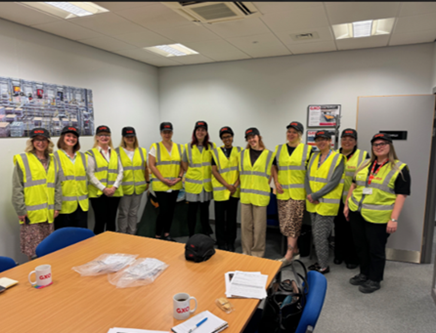
Suited and booted to present to a factory workforce
The Allied Health Professions (AHP) Strategy for England highlights the role of AHPs in disease prevention and health promotion, helping to reduce the burden on already stretched health and social care services. Diet-related diseases remain a major public health challenge, yet dietetic care is still largely focused on treatment rather than prevention. If the profession is to play a greater role in supporting population health, then equipping students with strong public health knowledge and skills is crucial.

To support this, Teesside University’s MSc Dietetics programme now includes public health placements alongside traditional NHS clinical placements. Here, Alex shares her experience of working in a Public Health practice-based learning setting. A must read in National Careers Week for anyone considering a future career as a dietitian!

------------------------------------------------------------------------------------------------------------------------------------------------------------------------------------------------------

What I worked on

During my placement, I was involved in three projects focused on health improvement and disease prevention. My work involved meeting with stakeholders, conducting research, presenting findings, and engaging with the public. The projects covered a wide range of population groups, including expectant mothers, school-age children, local workforces, and food bank users.

1. Supporting parents with child nutrition

A key part of my placement involved reviewing the nutrition education available to parents of children aged six months to four years.

What I did:
  • Conducted a literature and policy review
  • Spoke to parents, NHS staff, and school representatives
  • Attended a breastfeeding class to hear directly from parents
  • Presented my findings to several teams, including the Director of Public Health
Why it matters:
The insights from this work will help shape future research and improve nutrition support for families in the local area.

2. Linking oral health and nutrition


There is a strong connection between what we eat and oral health, but not everyone has access to clear, easy-to-understand information about this link.

What I created:
  • Infographics and presentations to educate local workforces
  • Materials designed in an easy-read format, avoiding jargon
Why it matters: 
My presentation was really well received, and I was even asked to record it for wider distribution, so it could be shared with professionals working with children and people with additional needs.

 
Infographics to educate local workforces

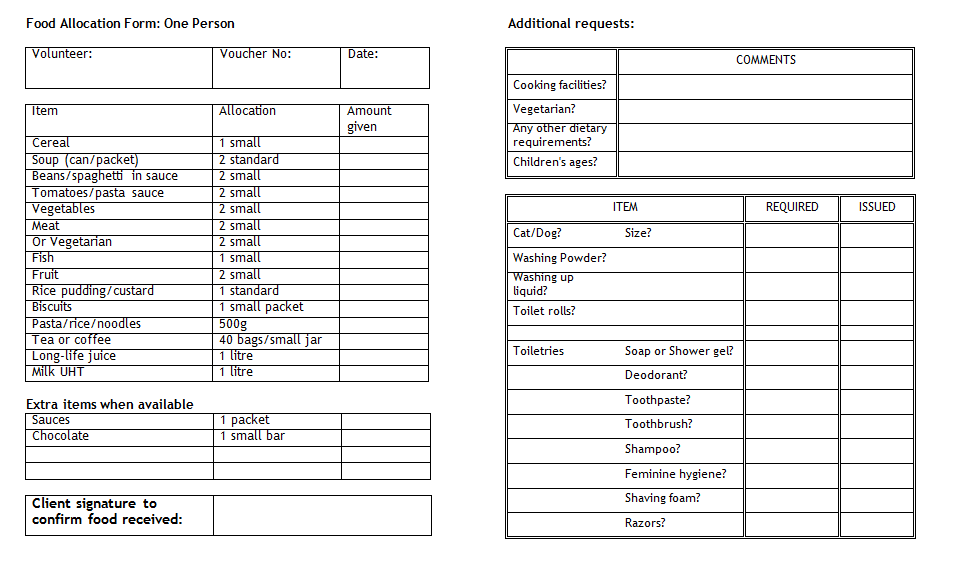
3. Reducing food waste in a local food pantry


Many food pantry users rely on short-dated products, and without clear guidance, a lot of good food can go to waste.

What I did:
  • Designed simple, visual signs with food storage and cooking tips (e.g. "Chop me then freeze me")
  • Introduced a ‘Freeze me’ sign for bread and monitored its impact
What happened?
Twice as much bread was sold the day after the sign was put up compared to the previous two weeks combined!


Signs made to reduce food waste

What I learned
  • Public health plays a key role in patient care - I saw first-hand how wider social factors impact people’s ability to manage their health and access services.
  • Being proactive is crucial - I reached out to stakeholders independently, which helped me build confidence and leadership skills.
  • Flexibility is a great learning experience - managing my own projects and working in a less structured environment improved my time management and adaptability.
  • Self-care matters - the flexibility of this placement meant I could work in different settings, including from the park on sunny days!
Final thoughts

Introducing dietetic placements into public health settings is a win-win. It helps students gain a broader skillset, supports NHS capacity, and brings dietetic expertise into community settings.

Of course, doing things differently comes with challenges. Expanding placements into public health settings has required commitment from everyone involved - academics, placement providers, and students. But we’re constantly learning and improving, and we’re proud to be making a real impact on the health of our local communities.

Wednesday, 11 September 2024

Food insecurity in pregnancy is putting women’s health at risk and babies at a health disadvantage. That is unfair and unjust

Posted by ZoĆ« Bell, Postdoctoral Research Fellow, King’s College London

In the three years since we started this project a lot has changed, and nothing has changed at the same time. Just as the pandemic was leaving a shadow behind us, we entered a new chapter of social and economic challenge; notably, the Russian invasion of Ukraine and Brexit fuelling a cost-of-living crisis with huge impacts on our food system and food prices. These events, in their own unique ways, have left households more vulnerable to experiencing poverty, and the topic of this blog, food insecurity.

During this time, we’ve witnessed food insecurity become a more prominent feature in the news with the help of celebrity advocates and mutual aid groups which brought communities together to support one another. Headline examples are Marcus Rashford’s campaign supporting the extension of free school meals over the summer holidays, and most recently, Taylor Swift’s donation to food banks in cities across the UK as part of her tour. Within the context of a decade long erosion of the social security safety net, the charitable sector has stepped in to provide food relief; but it’s clear this is just a sticking plaster.


While temporary economic, social and nutrition policies were put in place during the pandemic to support vulnerable families, long-term commitment has been lacking.

Time is ticking and it is the most vulnerable who are paying the price. Indeed, pregnancy is a time when the consequences of inadequate support come at a premium cost.

We know how important it is for pregnant women to eat a nutritious and well-balanced diet for their own health and for their developing baby. This is where our research fits in. We set out to pull together all the available evidence to explore whether there are differences in pregnancy risks for women and babies when they experience food insecurity.

Our two new reviews of the evidence around food insecurity in pregnancy and the links with maternal weight, diet, and pregnancy health show worrying results, including both physical and mental health risks. While we were expecting to see some health implications, the extent of the risk for poorer health was shocking. Pregnant women experiencing food insecurity were significantly more likely to have poor mental health, obesity, poor quality diets, develop Gestational Diabetes and dental problems.

Infographic to translate the review findings co-designed with experts by experience during an engagement workshop in Newcastle
Upon Tyne, North East England. Funded by Tilly Hale a Newcastle University Faculty Medical Sciences Engagement fund.


Noticeably, these reviews lacked studies from the UK with studies mainly from the USA. You might ask does this matter? Yes. Why? Because the USA has long-standing nutritional support for pregnant women, with evidence of having beneficial impacts on women's diet and health. This embedded support might have reduced or completely masked some of the associations that food insecurity has with pregnancy risks reported in these studies. Whereas in the UK nutritional programs are not as extensive and women lack support. This means we might find that the risks are worse and the need for support is greater than we currently think it is in the UK.

We acknowledge these reviews are based on observational data, exploring association rather than causation. Women experiencing food insecurity are likely living with multiple other causes of stress that could be contributing to food insecurity and pregnancy risks. Nevertheless, we see from the evidence to date that these women are at risk and need more support. Our ongoing work exploring experiences of food insecurity during pregnancy also suggests that current support initiatives are not doing enough, and further policy-related intervention is required, further emphasising the need for action now.

Our new reviews show that food insecurity during pregnancy contributes to health inequalities, putting women’s health at risk, and babies at a health disadvantage from before a they are born. For example, when babies are exposed to gestational diabetes or maternal obesity, they are more likely to develop type 2 diabetes or obesity themselves later in life. That is unfair. That is unjust. So, we ask, how much more evidence is needed before urgent policy action is taken to mitigate food insecurity?

Much more support from government is needed to make sure that women and babies are protected from food insecurity during pregnancy. Only time will tell if tides will turn under this new Labour government.

So, what do we suggest?

First, an uplift in the value of the Healthy Start scheme, a policy directly related to nutrition during pregnancy and early years. Second, greater integrated care across multiple sectors for women during the pregnancy period. Thirdly, considering the wider interlinked, structural barriers for families living in poverty (and based on our broader research program) removal of the two-child benefit cap, continued expansion of childcare support and of free school meals. These policies would relieve financial pressures on households with young families.

In the meantime, watch this space as our research team has two ongoing reviews exploring pregnant women and people's experiences of food insecurity and its relationship with breastfeeding and infant feeding. Some of our other ongoing studies are exploring the experiences, risks and support needs of women during pregnancy and in the postnatal period after birth, and their families across a diverse UK population in Gateshead, Coventry, Middlesbrough, Lambeth and Bradford.

If you are inspired to help add evidence and advocate for food security amongst mothers and children, then please consider becoming a member of our Nourishing Futures Network. This was established by Fuse members working with international colleagues. The network’s mission is to lead knowledge exchange and generate knowledge in this emerging field around food insecurity before and during pregnancy and in the first 2001 days of life.


Find out more

This research has been summarised in the following:

Thursday, 14 March 2024

Supporting people with Severe Mental Illness who face food insecurity to access a nourishing meal

Sally Smith, Peer Lead for Research, Tees, Esk and Wear Valleys NHS Foundation Trust (TEWV)

I have met many wonderful and interesting people on the inside of a psychiatric ward. The immediacy and depth of connection between peers in there was an unexpected comfort in the most challenging of environments.

Illustration by Sally Smith


I remember lots of the stories shared in the smoking corners of gardens. We often reflected on how misunderstood we felt in the ward and in the world.

One young woman was desperate to stay on the ward as she knew that was the only way she was certain of ongoing access to food. Her cupboards empty, her benefits paused, she was terrified about discharge. I was unsure how much Dialectical Behavioural Therapy or anti-depressants would help: wouldn’t anyone feel miserable with no food or money?

I remember physical health checks on the ward being introduced. Being weighed and measured, compared to the graphs…. and yet being given medication that makes you want to eat sugar out of the bag, being locked on a ward with no way to exercise, offered beige food four times a day and feeling so damn lousy and desperate that motivation to even clean your teeth was a challenge.

It felt cruel and shaming. It certainly never helped me to change anything.

In my mind it is no surprise that the mortality gap for people with severe mental illness (SMI) continues to rise, the challenges and barriers around nutrition that people living with SMI face continue to go unseen. No amount of lessons on what makes a healthy plate will make avocado cost less than crisps, and no knowledge of a healthy Body Mass Index (BMI) will reduce the intense effects of psychiatric medication.

And perhaps this is more of an issue than ever with austerity and the cost-of-living crisis exacerbating people’s struggles.


Increasing accessibility of affordable healthy food to adults living with SMI in Middlesbrough

With this perspective in mind, I was delighted to join the team working on this National Institute for Health and Care Research (NIHR) Communities study as a peer researcher. With co-production and the voice of lived experience running throughout the project, we are seeking to develop practical solutions for people living with SMI who face food insecurity in Middlesbrough.

The project is a collaboration, bringing together lived experience with the best bits of Tees, Esk and Wear Valleys NHS Foundation Trust (TEWV), Teesside University and Middlesbrough Environmental City, a charity dedicated to promoting healthy and sustainable living.

Over a period of 16 weeks, we plan to co-design and co-develop a nutritious meal with surplus fresh ingredients from local Eco shops (social supermarkets) that would otherwise go to waste.

With the support of the food scientists at Teesside University, this will then be turned into a healthy ready meal and distributed back to Eco shops in Middlesbrough. Aiming to be an appetising, nourishing and accessible meal for local people battling severe mental illness, who for whatever reason may struggle to cook the fresh ingredients themselves.

Through the design and delivery group we are hopeful that there may be additional benefits for all participants and the collaborating organisations, for example:
  • The opportunity to learn some cooking skills and explore recipes that are good to cook on a budget.
  • The opportunity to develop peer relationships amongst the delivery group that support connection and foster hope for change.
  • The opportunity for organisations to learn from one another’s strengths and take a fully bio-psycho-social lens on mental health difficulties.
We are currently in the recruitment phase for participants and a collaboration of this type has not been without substantial challenge. It is has not been easy to marry NHS language and expectations and academic protocols with how a community organisation runs. It has not always been easy to find middle ground between the clinical expertise and lived experience expertise. However, I look forward to sharing the progress we make as the delivery team becomes established.
 

Research published by the project team

This study published today explores food insecurity prevalence and the experiences of adults with Severe Mental Illness (SMI) living in Northern England.

This systematic review paper found that people with SMI are more likely to experience food insecurity.

Another recently published paper identified strategies to tackle food insecurity centred on making food banks more accessible and improving the quality of available food available.

Friday, 11 February 2022

Dressing as a tomato and meeting the CMO - all in a day's science

Elsie Widdowson, British nutritionist
Posted by Amelia Lake, Professor of Public Health Nutrition at Teesside University and Associate Director of Fuse

In this blog on International Women's Day, Amelia tells us about the pioneering female scientist who inspired her career in nutrition science.

When I was at University studying for my degree in Human Nutrition and Dietetics in the mid 1990s our ‘food tables’ were in books – actual books that you held.

We worked out nutritional content of food using books and calculators. Now-a-days this is all done by software without the need for the hard copy of the books. The book we all had was a copy of the ‘McCance and Widdowson’ Food Tables. I still have my well thumbed copy and the book is the the basis of the modern software systems that nutritionists and food scientists use.

Although as an undergraduate I didn’t really give the names McCance and Widdowson much thought it was later on in my career, thanks to the British Nutrition Foundation and my colleagues, that I really learned about Elsie Widdowson. She was born in 1906 and died in 2000 having spent a long and productive life as a pioneering female scientist. Along with her colleague Robert McCance, Elsie Widdowson was at the forefront of the Nutrition effort after World War II.

Elsie studied Chemistry at Imperial Collage London and in 1931 completed a PhD in Chemistry also at Imperial. Elsie met Robert McCance in the kitchens at Kings College Hospital in 1933, when she was studying to become a dietitian and he a junior doctor. Here, in the hospital kitchens, began a partnership that would last for 60 years!

It was at Cambridge, where they both worked, that the book I mentioned earlier was developed: a publication pivotal to nutritional science. But it wasn’t just for the development of this book that she has my respect - it was for the pioneering work around vitamin and mineral fortification, the rehabilitation of severely starved individuals and malnourishment around the world and important work on infant diets. This was an incredible female scientist who paved the way for nutrition scientists like me.

 
                           My inaugural Professorial lecture - challenging the food environment

I recently spoke about today’s nutrition challenges in my inaugural Professorial lecture. Preparing for this lecture I had to reflect on the work I have been doing in the field of nutrition research starting from 1998, looking at ‘the influence of Western Food on a Traditional Diet’ in Western Sumatra Indonesia for my first degree, through to my PhD studies on longitudinal dietary change and then finding my field around Obesogenic Environments and Food Environments. Similar to the ever changing Food Environment, which I study, the field of nutrition science is ever changing - in line with our changing diets and behaviours. There remain many challenges not least around food insecurity which, according to a new report by the Food Foundation, continues to increase. The current cost of living crisis puts food and eating into the spotlight. 

One of the challenges of Nutrition Research is around communicating. Doing this clearly around the noise of misinformation about food or food products is a challenging job! Throughout the twenty-three years that I have worked in nutrition, I have spent a significant amount of time communicating. Sometimes, that involves dressing as a tomato for a public lecture to children (see picture) and sometimes that involves meeting the chair of The House of Commons Science and Technology Committee (Sir Norman Lamb) or even the Chief Medical Officer (Professor Chris Whitty). But most of the time it is about exchanging knowledge between professionals and communicating to the public about the ‘latest’ nutrition fad or ‘superfood’ (spoiler - there is no such thing as a superfood).

Dialogue is important, food is important and nutrition science has much to do. I think I am going to be kept busy in my line of work for a few more years!

The other issue I reflected on during my inaugural lecture was my career breaks (3 in total) and the fact that I have worked part time (3-days per week) since having my second son Auden in 2012. My eldest son David died from a rare disease called Alveolar Capillary Dysplasia in 2011 and, along with my husband we run a charity called The David Ashwell Foundation raising money for research into this usually fatal lung condition affecting newborns. In 2020 I was recognised by TimeWise as a Power Part-Timer. Since doing my lecture, I have received a number of emails thanking me for talking about working part-time and for acknowledging the army of helpers it requires to be a working parent.

If you want to help make a difference in people’s lives I can recommend a career in nutrition science….

#InternationalWomensDay #IWD2022 #BreakTheBias


Friday, 12 February 2021

Placement, parcels and a pandemic: five weeks embedded in a public health team

Posted by Maisie Rowland, Research Assistant and Registered Nutritionist, Human Nutrition Research Centre (HNRC), Newcastle University

Newcastle Civic Centre
My research has taken me from primary schools in the West End of Newcastle to rural schools in the mountains of Moshi, Tanzania but I have always been curious about other job roles and what they involve. I have also been interested in how, as researchers, we can collaborate with those outside of academia to ensure that the research we do has the desired impact. So on seeing an advertisement for an embedded researcher placement in Newcastle City Council with the Public Health team, I put in an application. This felt like a great opportunity to expand my knowledge of other job sectors, while creating links outside the university and maintaining my work in the HNRC (working there one day a week). Before I knew it, I was walking to the city’s Civic Centre for the first day of my five-week placement.

I spent my first week learning about the wide variety of projects and roles the team were involved in, such as the redevelopment of Fenham library to include a drugs and alcohol recovery hub and the health education with schools and young people. I was able to sit-in on a number of interesting meetings and was able to contribute to the Wider Determinants of Health team meetings. I learned about how projects happen and was surprised at how much it differed from a university research setting, such as the different resources used for background research for projects and the differences in terms of ethical approvals. I was also given the opportunity to put forward my ideas and interests and, working alongside my colleagues Dr Annette Payne (Health Improvement Practitioner) and Lorna Smith (Speciality Registrar in Public Health), we developed an idea for a project working with food banks. As a nutritionist, I have a strong interest in this area. Through conducting online research, and visiting food banks and ‘pay as your feel’ supermarkets, we gained an insight into how these organisations and similar providers work. We also learned about the nutritional content of ‘standard’ emergency food parcels, the demographics of those who find themselves needing to use food banks, the situations these people might be in, and finally the shocking numbers of people finding themselves in need of using them. From this research, we developed a report which was presented at the Public Health Senior Management Team meeting for approval and feedback from other team members. Our project was well received, which was encouraging, and we were given the go-ahead to continue with our work.

Life Foodbank in Newcastle upon Tyne
From this background research, I learned that those who use food banks have usually been referred through care providers (such as through school or through social workers), and there is a limit on the number of times they are able to use the food bank. Help is given in the form of an emergency food parcel containing at least three days’ worth of food, and users are often offered help and advice which aims to resolve the issues that have led them there. Although there has been nutritional guidance on the food parcels, the reality is that a lot of the food comes from public donations. Therefore, as the donations vary, so will the food parcels. Within the team, we considered possible changes to the parcels that could be suggested, in order to benefit those who have to use food banks. It was quickly decided that any work we did would be with the food banks themselves, rather than those using the food bank. We devised a plan with three ‘phases’, including:
  • Phase one involved a consideration of how to suggest very small changes to the ‘food call outs’. For example, typical foods that are given in food parcels, and are regularly requested in the call outs, include breakfast cereals, soups, pasta and pasta sauces, rice, tins (beans, meat, vegetables, and fruit), tea or coffee, sugar, biscuits, snacks, jams, and fruit juice. Due to the variation in these particular food groups, and the variation in the foods that are donated to the banks, the nutrient content of the packages will also vary widely. Our suggested changes to the call outs will include requesting tinned fruit in juice rather than syrup, reduced sugar/salt baked beans and tinned pasta in sauce, tinned vegetables without added salt or sugar, and higher fibre/lower sugar breakfast cereals.
  • Phases two and three will involve creating some user-led resources for the food banks such as recipe cards, which will provide inspiration for different meals that could be made from the foods in the parcels. We also hope to include a ‘community access card’, which will provide information on nutrition, healthy weight ranges and local support available. The local support would involve signposting to free cooking classes, food banks and ‘pay as you feel’ supermarkets, community groups, and computer facilities at libraries.
Food parcel single person packing list from the Trussel Trust


As I approached the end of my placement (which felt like it was ending just as quickly as it started!), we made plans to keep in contact about the ongoing development of the resources. We planned meetings with a food poverty group and with those running the food banks, and felt that good progress was being made. However, during the last week of my placement Covid-19 put a halt to our work. The last meeting that I attended in the council was geared towards how it could help to mitigate the impacts of the inevitable poverty that the virus would induce, as schools and food banks began to close, and many people expected to lose their jobs. Current projects at the council are now on ‘pause’ and those working in Public Health are tasked with devising solutions to the increasing number of problems that are arising from the pandemic.

At a time in which increasing numbers of people may need to access food banks and services, projects in Public Health and nutrition seem particularly relevant. I hope to be able to continue the project that we started during my placement in the future, taking into account new factors that may develop through this pandemic.

Maisie has worked at Newcastle University for over five years, collaborating with colleagues and researchers in Public Health England, charities such as Coeliac UK, international nutrition research centres, and the media.


Images:

1. Bob Castle, CC BY-SA 3.0, via Wikimedia Common

Friday, 9 October 2020

Are COVID-19 school guidelines adversely impacting teenagers’ diets?

Posted by Kelly Rose, Graduate Tutor/PhD researcher at Teesside University

As a mum, a registered nutritionist and former schoolteacher, you may imagine where my focus has been in the past few months, during school closures and schools returning. Although, I felt blessed that my girls were home and safe, and we could enjoy time together, with enough food. My daily thoughts did include a darkness, thinking of those teenagers I knew who would not be having a nourishing, happy family life during the lockdown.


In the past two years of my PhD studies, I have discovered that political change, how well policy is implemented and willingness and capacity of headteachers to prioritise healthy food, all have a bearing on how successful school food is provided. In short: school food is a really important factor in the quality of a young person’s diet.

The pandemic is highlighting inequities and raising awareness of school lunches

Over the summer a coalition of organisations formed to tackle food poverty as part of the national food strategy [1,2]. Premier league footballer Marcus Rashford shared his own childhood experiences at the forefront of a campaign calling for free school meals to food insecure children. During the UK lockdown five million families were reported to be experiencing food scarcity, hunger and or issues with accessing enough food, with 3.2 million – that’s 11% of households! – suffering food insecurity.

Parents and young people in the UK have expressed their agreement that healthier diet is more important than ever and would like to see positive change as a result of the pandemic [3,4]. And a significant number of parents want their children to not only learn about nutrition and develop cooking skills in school, but also to have a healthy school lunch [2,3].

Back to school


As my daughter prepared to return to year 11, her school was providing regular updates on the changes they had made in adhering to the COVID-19 guidelines, it was clear that they were working hard to help pupils feel better about returning. Then, a menu came through – oh dear. My heart dropped as I saw three images on the page. A white bacon roll, a white bread sandwich and a pizza slice featured in colour… 

Many children are choosing to take in a packed lunch, but given the evidence over the past decade, the nutritional value may be even more of a concern [5,6]. However, it is also often socially unacceptable to bring in food from home for older teens in years 10 and 11. My school contacts have raised concerns about providing the same food services that they did before COVID, including the logistical challenge of keeping year groups separate in addition to the high levels of hygiene required. This has led some schools to significantly reduce the time that pupils have to eat. These changes may be hampering the ability of schools to serve healthy foods. 

Schools are absolutely an ideal environment to support and shape healthy habits for young people. But, are the expectations for schools to nourish young people, provide comprehensive health education, on top of the academic priorities too much especially in a global pandemic? With the restrictions of the COVID-19 regulations, how can nutrition remain a priority? And what about the existing national school food standards [7].

Is this a national issue?

I want to find out if my experience locally is mirrored nationally. As part of my PhD research I have developed a short questionnaire for students (16-18 year olds), parents of 11-18 year olds, and staff involved in education to complete.

Your help with this important investigation would be very much appreciated. Please complete the survey if you meet the criteria as below, or share with others.
  • A young person (aged 16-18 years) attending secondary school or post 16 education in UK
  • Parent of a young person (aged 11-18 years) who is attending secondary school or post 16 education in UK 
  • Staff employed in a secondary school or post 16 education in UK. 

COMPLETE THE SURVEY HERE


References:
  1. National food strategy part 1 – Recommendations in full: https://www.nationalfoodstrategy.org/wp-content/uploads/2020/08/8_NFS_Report_RecommedationsInFull.pdf
  2. Sustain website: https://www.sustainweb.org/news/sep20-freeschoolmeals/
  3. Covid-19 and Children’s Food: Parents’ Priorities for Building Back Better: https://www.sustainweb.org/resources/files/reports/Childrens_Food_Covid19_Briefing.pdf
  4. Bite Back 2030:https://biteback2030.com/sites/default/files/2020-06/BB2030%20Covid-19%20Report%20V2%5B1%5D.pdf 
  5. Spence, S., Delve, J., Stamp, E., Matthews, J.N., White, M. and Adamson, A.J., 2013. The impact of food and nutrient-based standards on primary school children’s lunch and total dietary intake: a natural experimental evaluation of government policy in England. PloS one, 8(10), p.e78298.
  6. Evans, C.E.L., Greenwood, D.C., Thomas, J.D. and Cade, J.E., 2010. A cross-sectional survey of children's packed lunches in the UK: food-and nutrient-based results. Journal of Epidemiology & Community Health, 64(11), pp.977-983.
  7. The Independent School Food Plan website: http://www.schoolfoodplan.com/

Thursday, 12 March 2020

A decade of school food policy inertia

To mark International School Meals Day, we asked former-schoolteacher turned school food researcher Kelly Rose from Teesside University to reflect back on the progress of school food over the last decade.


As a former schoolteacher, now researching the secondary school food environment and adolescent dietary habits, it seems fitting to mark school meals day 2020 by reflecting on a decade of secondary school food policy.

Of late, ‘other’ focuses you could say, have overshadowed the important fact that our young people’s diets are nutritionally poor in the UK. But that begs the question, why are the population of future parents and workforce not a priority at all times?

Currently more than 91 million school children around the world are reported to be living with obesity, with the UK being in the top 20 countries for childhood obesity levels, doubling during the primary school years and increasing further into secondary education. The majority of adolescents in the UK have nutrient deficient diets, high in processed foods and very low in fruit and vegetables. With only 4% of teenagers meeting UK public health fibre recommendations, a significant concern given that dietary fibre is linked to a decreased risk of heart disease, type 2 diabetes and cancers. Furthermore, the health inequalities gap is a devastating burden of poor health for our children living in more disadvantaged areas and minority communities, in comparison to those from more affluent areas.

"In my research I have noticed a level of inertia on the evaluation or policing of school food policy this decade"

In my research I have noticed a level of inertia on the evaluation or policing of school food policy this decade, impacting on school’s healthy food choice offerings. Only the other day my friends 11-year-old daughter explained to me the best thing about her new (secondary) school was the food; “I can eat pizza and cookies every day” - oh dear. Kind of explains why our young people are generally low in at least five micronutrients essential for growth, development mood, reproductive health, energy levels and immunity.

2009 – The Nutrient based standards (NBS)

In 2009 the NBS were rolled out to secondary schools in England, after first being introduced into primary schools. Not only were these food standards focused on meeting young people’s nutrient requirements, but also the mapping of 4 areas of influence provided a framework for which to apply the policy across the nation (Haroun et al 2011). These were considered ‘the most detailed and comprehensive in the world’ (Harper and Wells 2007; Evans and Harper 2009). Plus the Initial evaluations were encouraging (Adamson et al 2013; Stevens et al 2013). However, the NBS was for some a ‘complex task’ to implement (Rose et al 2019).

What happened in 2010?

A change in government (the introduction of the Coalition led by David Cameron) meant a change to school food. Firstly, any ‘newly established academies and free schools’ were not required to adhere to the NBS. A decision which some viewed as a deregulation of school food. Quite soon, school food standards were under review, and in 2013 the School Food plan (SPF) developed by Henry Dimbleby and John Vincent (Long, 2019) was introduced.

The School Food Plan

Over the next few years we see SFP replacing NBS as a legal requirement for ‘all food served in most schools’ (Rose et al 2019). Remember the decision in 2010 to release the new academies and free schools? Well, this means that these schools are still exempt from following the standards, however, some have signed up voluntarily. The aim of the SPF is to transform what children are eating in school and to support schools to create a ‘healthy school ethos’. The SFP is certainly visual, providing ease of use, and the comprehensive resources give schools checklists and guidance. But, here lies a problem, where is the school support system?

Part two of the decade

The first chapter of the UK childhood obesity strategy published in 2016 (DHSC, 2016) provided some recommendations and support for school health initiatives, for the most part within primary aged children. Then in 2017 two things of note happened. The School Food Trust integral to the systems mapping approach of the NBS had been an independent organisation since 2011 providing school resources and opportunities for research closed without funds to carry on. The second was an independent review (the Food Education and Learning Landscape review (FELL)) carried out by The Jamie Oliver Food Foundation. The researcher reported a vast difference in the approach to healthy eating and food education in secondary school environments, stating to be ‘alarmed’ at the state of the problems surrounding the “secondary school food environment”.

Chapter two of the Childhood Obesity strategy (DHSC, 2018) included a pledge to commit to support ‘all children with high quality nutrition’ by conducting consultations on nutrition within buying standards for school catering services and introducing ‘a healthy rating scheme’ allowing for ‘self-evaluation’, whilst also providing a more robust Ofsted framework. My issue as a former food and nutrition teacher/head of health education in a school with supportive leadership is that schools need support externally to evaluate and help develop menus and implement nutritious school meals. The capacity, knowledge and often willingness of school leads, along with the lack of monitoring of adherence to school food standards remain huge barriers to effective school food provision.

2020 current picture

This is where we find the current school food picture in England, no real change from 2018. Awaiting the healthy school’s framework and a priority to be placed on school food provision policy. And, in the meantime social norms of poor teen diets are becoming more and more acceptable, healthy food is so ‘uncool’ to a teenager’s street cred. With the myriad of fast food options on the ‘School fringe’ less expensive and more convenient, thus appealing to the innate biology and the impulsivity of teenagers. A plan to shift teen risk perception of unhealthy eating (i.e. behaviour change) as well as consistency in following the SFP is needed.

A big question

The big question here is why has there been no evaluation of the SFP? There is limited evidence of schools following the school food plan. School staff and leaders have in my mind the most strenuous roles in terms of juggling priorities and educating young people. To expect schools to take on the huge role of making sure food provision meet the nutrient requirements of the nations young people without support is to my mind crazy and as we see presently, will not work…


About Kelly:

Kelly is a registered nutritionist and a former school teacher, currently investigating ways to reduce the obesogenic environment with a secondary school food focus as part of her PhD. She is passionate about the impact of nutrition on adolescent health and has spoken locally, nationally and internationally on the topic of school interventions and the importance of social influence on food choice and the impact of nutrition on mood and behaviour. Kelly is registered with the Association for Nutrition (AFN), a member of Plant based health professionals UK, Nutrition Society, British Nutrition Foundation, Fuse: the Centre for Translational Research in Public Health and The Association for the Study of Obesity.


Adapted with thanks to Food Active


Image: 'primary school, lunch, break, school, activities' by Amanda Mills, USCDCP via PIXNIO (https://pixnio.com/people/children-kids/primary-school-taking-their-daily-lunch-break-during-their-school-day-activities) (Personal & commercial use (CC0).

Friday, 17 January 2020

School food research and teenage diets mean sleepless nights and a mountain to climb

Posted by Kelly Rose, Graduate Tutor/PhD researcher at Teesside University

In the spirit of the commencement of the New Year, I thought it the perfect timing to write a second Fuse blog post reflecting on my first year of PhD study. Also, driven by my waking at 2am, Monday of the first week back in a cold sweat, realising I am more baffled than ever!

In my first blog post, I described myself as feeling at the bottom of a mountain…

Now a year and a half in, I can report some relief at successfully passing my annual review, confirmation that I have the capability. This is definite progress, and a sure sign of having climbed at least a little higher towards the summit. A few days ago I also celebrated my 44th birthday, and I suppose the coinciding of a new decade brought a significantly reflective mood (in the most positive sense). This past year has tested me in so many ways that I had never expected. If you want to know yourself at a deeper level, I think a PhD certainly would be the recommendation. I started this journey with the attitude (that I was always telling my students and children) that anyone can do anything they set their mind to. This mantra has definitely helped in times of significant self-doubt.

Progress update

So far, I have completed a systematic review, had a paper of the political timeline of food policy published in the Nutrition Bulletin, shared my research in a conference, and was boosted by an article I contributed to the conversation.com being shared in the Independent online.

What have I learned?

I left secondary school teaching in July 2018 with a strong sense that more was needed to improve adolescent nutrition. Today, with more of a grasp on the research, I am even more incredulous as to why more is not being done by policymakers.

The evidence is clear, teenagers have the poorest diets of any other age group in the UK. The Lancet commission stated we can reap huge benefits from improved health policies, focusing on the global adolescent population, after all they are our future parents and workforce. As I found in the political timeline research and systematic review, there are many examples of good practice with regards to implementing and evaluation of school food standards, whole school policy and health interventions. But still no priority being placed on consistent evaluation and of policing school food provision in England.

Waking up at 2am questions
  • Why is our school food provision failing to improve adolescent nutrition?
  • Why does the Childhood obesity strategy (part 2) make the assumption that all schools in England are following the national school food standards when there is no evidence that most schools are? #pizzaandcookies. 
  • Why the inertia and lack of prioritising teen diets, when the evidence points to the impacts of diet on mental health and school performance? 
Of course, it’s just not that easy, because, this is a multilevel issue, and the problem is much more complex than just implementing a policy or three. There are significant barriers to challenge, as we see the commercial determinants to health as a major part (defined as “strategies and approaches used by the private sector to promote products and choices that are detrimental to health” (Kickbusch et al 2016)).

One of the factors I want to focus in on over the next two years, is the social aspect of teen diets. It is becoming more and more an accepted ‘norm’ that teenagers have a poor diet, and food choice is a major factor in fitting in with peers, with healthy food choices often ridiculed. A low risk perception of unhealthful food choice seems to be a barrier in improving the health of the next generation. I wonder how we can flip this influence.

With all the reflecting done, I am ready to move forward into 2020. This year the plan is to see my systematic review published, to plan and conduct research in building a picture of experiences, views and what is happening in a range of schools in the North East. And with this public declaration I aim to keep momentum and to contribute to the body of research moving forward.

Keep believing and achieving.


Image:
"Junk fast Food illustrations infographics editorial" by Svajune Garnyte is licensed under CC BY-NC 4.0

Thursday, 14 November 2019

A tale of two families: diabetes and rugby

Posted by Ruth Boocock, Senior Lecturer in Dietetics, Teesside University

The rain is coming in sideways, the mud is three inches and counting, a Sunday afternoon somewhere in the North of England. My rugby family. Amongst the rain, probably beneath four or five bodies, my seventeen year old daughter is having fun.


A whistle goes and a rain sodden, mud covered monstrosity jogs towards her family on the touch line. An upper arm extended, a mobile phone waved at a discreetly protected sensor and a blood glucose level read. Sometimes it’s an insulin pen to compensate for the adrenaline, other times a sports drink to refuel, such is the trial and error process of educating herself on what management routines work for training and matches. Blood glucose responses to physical activity for this recently diagnosed teenager with type 1 diabetes are highly variable based on activity type and timing and require different adjustments (Colberg et al, 2016)1. There are looks of course. Some parents are confused but a hurried whisper and the confusion is quickly replaced by respect. No mess, no fuss, just ordinary life. There are more important and more exciting things to do. Opponents to fell, tries to be scored. Rugby here, really has no barriers. A progressive, modern, attractive, dynamic and inclusive sport played by all (World Rugby, 2017-2025 vision)2.

Today is World Diabetes Day and the theme for 2019 is ‘The Family and Diabetes’. The aim, to raise awareness of the impact that diabetes has on the family and support network of those affected, as well as promoting the role of family in the management, care, prevention and education of diabetes.

On the rugby pitch my personal and professional life comes into sharp focus. I have spent the last twenty years as a dietitian sharing the journeys of people with diabetes. From the familiar insulin dose adjustment which offers greater freedom to eat and exercise while minimising glycaemic excursions (changes in blood glucose levels), to the battle of weight management and diabetes polypharmacy (the use of multiple medications). Weight loss for those with type 2 diabetes unlocking a future without diabetes or at least the ability to rationalise the use of diabetes medications.

Willowy wings take to the pitch alongside broader hardier oaks. At its best they complement each other wonderfully. From helping to prevent and manage medical conditions to reducing the risk of type 2 diabetes, the benefits of sport and activity on a person’s physical wellbeing are huge. But only 63% of adults are physically active for the recommended 150 minutes weekly, with figures lower still for children (Department of Health and Social Care, 2019; Sport England, 2019)3,4.

Rugby helps to maintain or improve aerobic capacity (the ability of the heart and lungs to get oxygen to the muscles), strength and balance and bone health and contributes to meeting the physical activity guidelines. Other benefits to exercise include reduced stress and improved self-esteem. Rugby reminds these girls that nobody’s self-worth comes from how they look or the perfect make-up or beautiful hair or high fashion clothes of online celebrities. There is a wonderful freedom here but also a challenge. Obesity. There is a fine line between giving girls and women confidence in their bodies and shape while also encouraging those patterns of healthy eating that will allow them to play at their best and get the most out of their training and their life. We do not always get the balance right. Push come to shove however they are out there two-to-three-times a week, come rain or shine working incredibly hard, growing as team mates and women, and reducing their risk of developing type 2 diabetes by 30-40%. That has to be an excellent beginning.

On the pitch there is just the team, on the side lines the wider rugby family. Sometimes also the diabetes family. Nicknames abound. Banter flows. Yet there are no labels. There are no diabetics, no 'fat girls', just a team and its friendships, its victories and losses, its celebrations and of course, lots and lots of mud.


Ruth’s current doctoral studies seek to identify barriers and enablers to the implementation of diabetes remission strategies for adults with type 2 diabetes recently diagnosed within general practice in one of the most deprived local authority districts in England.


References:
  1. Colberg et al. (2016). Physical Activity/Exercise and Diabetes: A Position Statement of the American Diabetes Association. Diabetes Care; 39(11): 2065-2079. https://doi.org/10.2337/dc16-1728
  2. Accelerating the global development of women in rugby 2017-25. https://www.world.rugby/womens-rugby/development-plan?lang=en 
  3. Department of Health and Social Care (2019). UK Chief Medical Officers' Physical Activity Guidelines. https://www.gov.uk/government/publications/physical-activity-guidelines-uk-chief-medical-officers-report
  4. Sport England (2019). Active Lives Adult Survey: May 18/19 report. https://www.sportengland.org/media/14239/active-lives-adult-may-18-19-report.pdf

Images:
  1. 'Logo for the World Diabetes Day' by International Diabetes Foundation via Wikimedia Commons: https://commons.wikimedia.org/wiki/File:World_Diabetes_Day_logo.svg
  2. Published by: West Park Leeds Girls Rugby ‘Meet your #innerwarrior’ event, with thanks to Kurt Nutchey

Friday, 7 June 2019

Take it away: a masterclass in healthy takeaways

Post by Scott Lloyd, Advanced Public Health Practitioner at Public Health South Tees and Karen Pearson, Catering Monitoring & Advisory Officer at Redcar & Cleveland Council

Whether it is the Golden Cod or the Taste of India, independent hot food takeaways get a bad rap in Public Health circles. They serve food and drink that is predominantly higher in fat, salt and sugar and may contribute to noise pollution and other environmental ills. Furthermore, they may not be the best option for our beleaguered high streets as they tend to be shuttered up during the daytime.

Up to March 2018, for a variety of reasons (including health), 164 out of 325 Local Authorities (50.5%) have introduced powers through Local Plans or Supplementary Planning Documents (SPD) that aim to restrict the proliferation of hot food takeaways (Keeble et al. 2019)[1].


Watch this video to find out more about how we worked with takeaway owners
(click here if the video doesn't appear above)

But let’s be honest – that horse has already bolted. Analysis by Public Health England has shown that there is an average of 96.1 hot food takeaways per 100,000 population in England (Public Health England, 2018)[2].

Where we work in Redcar and Cleveland, the Local Authority introduced a SPD in 2008 that restricted the percentage of hot food takeaways (A5 class use in planning terminology) in any commercial centre to no more than 5% - but even then, each commercial centre already had more than 5% hot food takeaways.

So we have to accept that hot food takeaways are here to stay – at least for the foreseeable future. Many Local Authorities have implemented interventions such as award schemes that engage these businesses to support them to improve the healthiness of their food offerings, but with limited evaluation (Hillier-Brown et al. 2017)[3]. Indeed, we have a Food4Health award in Redcar and Cleveland, which is open to all out-of-home caterers. We were doing OK in engaging hot food takeaways but we wanted to try something different.

In 2015, the Foodscape team organised a Fuse Quarterly Research Meeting on developing interventions with out-of-home caterers. One of the presentations was by Louise Muhammad from Kirklees Council on the healthy takeaway masterclass that they had developed and delivered to over 20% of the eligible businesses on their patch. The masterclass was described as a three-hour session in which hot food takeaway owners and managers learn about the small, sustainable changes they can make so their food is a little healthier without costing a huge amount or that will actually save them money/generate new custom.

A few months later, we travelled down to Huddersfield to watch a masterclass being delivered. It was clear from the start that this was something that engaged businesses and had potential. The decision to repeat it in Redcar and Cleveland was easy.

Takeaway owners and managers learning about small changes to make their food healthier
We worked with the teams from Kirklees and Foodscape to deliver our first masterclass in May 2016. In line with what Kirklees do, we invited hot food takeaways with a food hygiene rating of three or above – the feeling was that any outlets with less than this really needed to concentrate on food hygiene first. In total, 181 invitations were sent out and 18 attended, representing 10% of those eligible – a figure that we practitioners were happy with (if not all the academics!).

The Foodscape team conducted a mixed methods evaluation to explore the acceptability and feasibility of the masterclass intervention (Hillier-Brown et al. 2019)[4]. The takeaways businesses that attended made a variety of pledges – the ones that required less effort and cost (e.g. reducing salt and sugar in pizza dough) were implemented more so than other more potentially costly or difficult changes (e.g. stocking reduced sugar tomato ketchup).

Pledging to use healthier alternatives
Has this work made the hot food takeaways in Redcar and Cleveland healthy? No it hasn’t. Like the rest of us, businesses owners have a living to make and will cater to what their customers want. But as an example, Carol - the owner of a sandwich shop in Guisborough who stars in the film above - pledged to take 10% of the sugar out of her baking. Did her customers notice? No. Did, this make her flapjacks ‘healthy’? Of course not but they are now a little healthier. Hence, has the masterclass via all the pledges made their food offerings a little healthier? Probably.

We have since delivered a further six masterclasses, with the offer extended to other out-of-home caterers such as restaurants. About 30% of all eligible takeaways in Redcar and Cleveland have now attended a masterclass, with follow up support provided by the Food4Health award.

Engaging with hot food takeaways can be difficult. We are now struggling to attract new businesses onto the masterclass and may hit a saturation point at 35% or 40% of those who are eligible. Some owners have other priorities and some may not accept the healthy eating messages. Also, some hot food takeaway owners are not even resident to the UK so engaging them is nigh on impossible. But we have to continue to try.

Another key learning point is that we need to work more closely with suppliers. The majority of masterclass attendees pledged to start using healthier alternatives, such as reduced sugar tomato ketchup or reduced salt soy sauce but they were unable to source these items from suppliers at a reasonable cost or not at all. Hence, wider work is needed with suppliers which, as one of the other Foodscape projects showed, is possible (Goffe et al. 2019)[5].

But the masterclass is an acceptable and feasible intervention to engage a good proportion of hot food takeaways. We will continue to deliver it once or twice a year as long as there is sufficient demand. We’re hoping to run the next class in September, so lookout for that.

What the masterclass doesn’t do is engage the big operators such as McDonald’s and Just Eat, accepting that the latter works mainly through local independent takeaways (but what requirements can the national corporation specify on their local deliverers?). It’s likely that national work is needed with those corporations, continuing the good work of Public Health England and others.

We also need to be mindful of the potential impact of “dark kitchens” – potentially the “satanic mills of our era”. But I’ll save that for another time…


Read our handy Fuse research brief to find out more about the Foodscape study.


References:
  1. Keeble, M., Burgoine, T., White, M., Summerbell., C., Cummins. S., Adams, J. (2019). How does local government use the planning system to regulate hot food takeaway outlets? A census of current practice in England using document review. Health & Place, 57, 171 – 178. https://doi.org/10.1016/j.healthplace.2019.03.010
  2. Public Health England (2018). Fast Food Outlets: Density by Local Authority in England. Available at: https://www.gov.uk/government/publications/fast-food-outlets-density-by-local-authority-in-england [accessed 27 May 2019] 
  3. Hillier-Brown, F.C., Summerbell C.D., Moore, H.J., Wrieden, W.L., Adams, J., Abraham, C., Adamson, A., AraĆŗjo-Soares, V., White, M., Lake, A.A. (2017). A description of interventions promoting healthier ready-to-eat meals (to eat in, to take away, or to be delivered) sold by specific food outlets in England: a systematic mapping and evidence synthesis. BMC Public Health, 17 (1), 93. https://doi.org/10.1186/s12889-016-3980-2
  4. Hillier-Brown, F. C., Lloyd, S., Muhammad, L., Goffe, L., Summerbell, C., Hildred, N. J., ... AraĆŗjo-Soares, V. (2019). Feasibility and acceptability of a Takeaway Masterclass aimed at encouraging healthier cooking practices and menu options in takeaway food outlets. Public Health Nutrition. https://doi.org/10.1017/S1368980019000648
  5. Goffe, L. Hillier-Brown, F., Hildred, N., Worsnop, M., Adams, J., AraĆŗjo-Soares, V., Penn, L., Wrieden, W., Summerbell, C.D., Lake, A.A., White, M., Adamson, A.J. (2019). Feasibility of working with a wholesale supplier to co-design and test acceptability of an intervention to promote smaller portions: an uncontrolled before-and-after study in British Fish & Chip shops. BMJ Open, 9 (2), e023441. https://doi.org/10.1136/bmjopen-2018-023441