Showing posts with label local authorities. Show all posts

Thursday, 5 February 2026

More than quit rates - our smoking research was about complexity, trust, and real voices

Posted by Angela Rodrigues, Associate Professor at Northumbria University, and co-lead of the Fuse Behaviour Change Cluster, and Team

By the time we wrapped up our final interviews, we felt a mix of pride, exhaustion, and curiosity. Pride because we’d managed to complete a complex mixed-methods evaluation across four pilot sites. Exhaustion because, well, public health research never seems to run smoothly, and we had a few recruitment bumps along the way. And curiosity because we still weren’t sure how all the pieces would fit together. This was a mixed-methods evaluation of a 20-week smoking cessation service in the North East & North Cumbria.

The context: why this service mattered

When we first got involved, the idea was simple: evaluate an enhanced stop smoking service designed specifically for people living with severe mental illness (SMI). People with SMI experience stark health inequalities. On average, they die 15-20 years earlier than the general population, largely due to chronic physical health conditions rather than psychiatric causes. Smoking is a major reason for this health gap, and it is something that can be changed. Yet many tobacco dependence services do not adequately meet their needs.


The service offered more support than the standard provided by the local council, combining behavioural support with medication-assisted treatment over 20 weeks. It followed a ‘cut down to quit’ model, and aimed to be person-centred, flexible, and responsive.

Our approach: mixed methods and lived experience

We used a mixed-methods approach, including quantitative analysis of recruitment and outcomes, surveys with service providers, qualitative interviews with both staff and service users, and a review of Smokefree Taskforce documents. We started with a well-defined plan, but the process taught us to embrace flexibility. Recruitment was slow. Referral pathways shifted. Data systems didn’t always talk to each other. And finding service users willing to be interviewed was harder than we expected.

One of the most rewarding aspects was working with our Lived Experience Advisory Panel (LEAP). They helped shape our protocol, refine our interview questions, and interpret findings. Their input reminded us why we do this work. It’s easy to get lost in methodological frameworks, but the real insight often comes from lived experience. One LEAP member words stuck with us:
“You need to understand what it’s like to be told to quit smoking when smoking is the only thing that gets you through the day.”
What we found: complexity at every level

The Behaviour Change Wheel framework (figure 1) helped us make sense of what was happening on the ground. Service providers used a range of strategies, including medication, leaflets, nicotine e-cigarettes, planning, and social support. Most felt capable and motivated to deliver the service, but some found it more harder than expected. Complexity was a recurring theme, as illustrated in one advisor words:
“It’s not just about smoking, it’s about everything else going on in their lives.”
Figure 1: Visual map of key themes identified in our study

We also saw how broader systems shaped delivery. Some sites had strong links with primary care; others struggled. Data recording was patchy. Staff wanted more training, not just in smoking cessation, but in understanding mental health complexity more broadly. And while the service was designed to be flexible, that flexibility sometimes created confusion. Who was eligible? How long should support last? What counted as a successful quit?

For service users, the benefits were clear: 
  • better physical and mental health
  • financial savings
  • fewer unpleasant smells
  • and fewer side effects than expected.
But staying engaged was tough. Motivation fluctuated. Life got in the way. Participants reminded us regularly that behaviour change doesn’t happen in a vacuum:
“I wanted to quit, but then my meds changed and everything fell apart.”
The challenge and value of qualitative work

Personally, we found the qualitative interviews both the most challenging and the most illuminating part of the process. Some participants were open and reflective; others were more reserved and required extra support and reassurance to feel comfortable speaking openly, particularly service users. We learned to be flexible in our approach, arranging a casual phone call with service users to build a rapport prior to the interview.

Despite the difficulties recruiting service users, once they were engaged in the interviews, all were eager and willing to share their experiences. We learned that it is important to develop a level of trust with service users, and that patience and empathy can encourage openness and in-depth understanding.

There were challenges too. We had hoped for more interviews with service users, more consistent data, and deeper engagement with those delivering the service. In particular, connecting with service deliverers proved difficult, largely due to the time lag between service implementation and the research evaluation. By the time we began our research, staff had moved on, memories had faded, and priorities had shifted, making it harder to capture a full and accurate picture of delivery. But public health research rarely hands you a neatly packaged story. What it does offer is insight into systems, into people, and into the messy, unpredictable reality of trying to improve lives.

Why it worked: partnership and collaboration


Looking back, we think the study worked because it was grounded in genuine partnership. The Smokefree NHS strategic team were incredible, collaborative, responsive, and deeply committed to making the service work.

We built relationships with service providers who shared their experiences openly, with LEAP members who challenged our assumptions, and with service users who trusted us enough to talk. Within our research team, we supported each other through the inevitable ups and downs. That collective effort, across roles, organisations, and lived experiences, is what made the project feel meaningful.

This experience has already shaped how we’re approaching future projects. Next time, we’ll go in with clearer expectations, more flexible timelines, and a deeper appreciation for the emotional labour involved, not just for us as researchers, but for the people we’re working with.

Researching smoking cessation in people living with severe mental illness isn’t just about measuring quit rates or evaluating service models. It’s about recognising the complexity of their lives, earning trust, and ensuring their voices shape the research process. More than anything, this project reminded us that we, as researchers, must be more attuned, more patient, and more willing to adapt.


About the authors:

Dr Angela Rodrigues, Associate Professor, Northumbria University, and co-lead of the Fuse Behaviour Change Cluster

Dr Lauren Hoult, Associate Lecturer, Researcher in Behaviour Change & Public Health, Northumbria University

Prof Katie Haighton, Professor in Public Health and Wellbeing, Northumbria University

Friday, 26 September 2025

This time the hare might win: dark kitchens and the regulatory race

Posted by Helen Moore, Associate Professor (Research) & Fuse Associate, Teesside University 

Do you remember the fable of the tortoise and the hare? The one where the overconfident hare sprints ahead, but takes a nap, and lets the slow but steady tortoise win the race? Well, in today’s digital economy, that story’s getting a reboot, but this time, the hare isn’t napping.

In the world of food delivery and online ordering, the hare (the digital entrepreneurs) is wide awake and developing food purchasing opportunities at an incredible speed. Online delivery outlets, often functioning as dark kitchens, are agile, tech-savvy, and unburdened by the red tape of traditional business models. They’re using popular, well-known apps to reach huge numbers of people, launching new brands overnight, flooding menus with similar, but subtly different options and delivering meals faster than regulators can say “planning permission.” Low overheads, high levels of flexibility and choice have meant that rates of online food ordering are increasing, with the covid-19 pandemic accelerating this phenomenon.

Meanwhile, the tortoise (well-meaning but less agile local and national government) is still trying to understand the race in which it has been entered. Regulators are struggling to keep pace with a food industry that’s evolving in real time while the professionals working in local authorities hit ‘speed bumps’ which include outdated planning laws and limited evidence. For example, there is no clear use classification for dark kitchens, and some councils treat them as “industrial”, others as “sui generis” (unique), and there is inconsistent enforcement between local authorities. While some local authorities have implemented restrictions on takeaways opening close to schools, online food ordering apps mean that food can be delivered from places outside of the restricted areas. In addition, due to limitations with the recording of food outlet data, policymakers also find it hard to track spread or assess impact of dark kitchens which contribute significantly to this industry.

While innovation races ahead, regulation is not keeping pace, raising questions about public health, urban planning, and fairness. This isn’t just a story of speed, it’s also a story of systems, and unless the tortoise finds ways to modernise the traditional policy cycles to become proactive rather than reactive, and to reduce potential loopholes, the hare might just win this one, particularly as consumers like convenience and variety, which online ordering offers in abundance.

So, what can be done?

National and local authorities need to rethink how they engage with fast-moving digital industries - not to stifle innovation, but to ensure it serves the public good. We need clear national guidance on planning classifications, and health-focused planning laws that include digital-only food outlets. It isn’t all bad news though, there are some signs of progress with local authorities beginning to enforce planning permission requirements and with funded research projects examining various aspects of dark kitchens.

Free online training

To support local authorities and communities in using the planning system to promote healthier diets and reduce obesity, we have launched a new, free e-learning course called Planning for a Healthier Food Environment. The course was developed through a collaborative effort between Fuse (the Centre for Translational Research in Public Health), academic experts from Teesside University and Newcastle University, and the Office for Health Improvement and Disparities (OHID).

This one-hour online Fuse Research Event, held on 23 September, introduced the wider policy and planning context for the course, provided insights into its cross-disciplinary development, and outlined how the resource can be applied in practice to support healthier, more equitable environments.


Photo by Roman on Unsplash

Friday, 13 September 2024

How can Local Authorities help shape healthier food environments?

Posted by Amelia Lake, Claire O'Malley and Helen Moore, Fuse researchers from Teesside University

This week I joined other health professionals across the country in signing an open letter from the Obesity Health Alliance (OHA) to the Prime Minister, giving our support for new policy reforms, allowing the planning system to better support the creation of healthy, active local communities and reduce health inequalities. The letter was issued alongside the OHA's Local Government Position Statement: “Empowering Communities to Create Healthier Local Food Environments”, which contains a list of recommendations and a supporting package of evidence.

In support of the OHA statement paper and on the back of the news that the government plans to ban junk food TV adverts before 9pm next year, here we highlight the need to make it easier for local authorities to control their local food environments.


Why we need to act now

It’s essential to create healthier environments that make it easier for people to access nutritious food and engage in physical activity. With the cost of living rising, more people are facing food insecurity, and obesity remains a major health issue. Local authorities have a crucial role in shaping healthier communities, but they face challenges due to funding cuts. Despite these difficulties, professionals across the country are working hard, but they need clearer national policies to support their efforts.

The role of National Planning Guidance

Planning guidance should clearly prioritise public health. While policies often focus on individual responsibility, local governments can work with their communities to promote healthier lifestyles. Our research has shown how local authorities can shape healthier environments by collaborating with various stakeholders, from community members to policy makers.

Everyone’s responsibility


Creating healthy food environments requires collaboration among many professionals within local governments. When it comes to handling appeals for fast-food outlets, our research found that good communication between teams is key to defending decisions. It’s also important to understand how fast-food outlets affect communities and health over the long term. To improve the process, professionals should be trained in accessing relevant data and records.

Using regulations to improve the food landscape

Local authorities can use planning regulations to limit the number of fast-food outlets and promote healthier options. For example, in North East town Gateshead, limiting new fast-food outlets near schools, in areas with too many, or in places with high childhood obesity rates has reduced fast-food outlet numbers by 17.5% in just four years. This shows how strategic planning can make a real difference in promoting healthier food choices.

Working with the planning inspectorate

The National Planning Policy Framework supports the idea of “healthy communities,” and local governments can reject fast-food applications if they threaten local health goals. However, these decisions are often appealed, and the Planning Inspectorate makes the final decision. Our Fuse research shows that having a Local Plan in place helps local authorities reject such applications, but even with additional planning documents, success isn’t guaranteed. It's important for new planning guidelines to support public health and ensure that the Planning Inspectorate works with local authorities to meet health priorities.

Regulating outdoor food advertising

We support extending regulations on unhealthy food and drink ads beyond TV and online to outdoor spaces like bus stops. After London banned junk food ads on public transport, local governments began reviewing their advertising policies with the help of Sustain: the alliance for better food and farming. Our research in the North East found that almost half of bus shelter ads were for food, and 35% of those were for unhealthy options. Many of these ads appeal to children, which is concerning. Although local governments face challenges due to complex contracts with advertisers - and research has explored the advertising of unhealthy commodities (e.g. tobacco, alcohol, less healthy foods and gambling) - more work is needed to reduce the impact of unhealthy advertising.

The changing food landscape

A recent study in North East England showed that after a new fast-food outlet opened, visits by 11- to 16-year-olds increased significantly within the first nine months. The young people said they were attracted by the taste, low prices, socialising and free Wi-Fi. While this isn’t covered by current fast-food restrictions, it shows the need to look at the entire food system and where outlets are located. Policies that prevent students from leaving school during lunch could also help reduce fast-food consumption.

Another growing trend is "dark kitchens," which only prepare food for delivery services like Deliveroo and Uber Eats. While these kitchens bring economic benefits, they raise public health concerns, especially in low-income areas. Local authorities need to stay informed about this trend and address the challenges it presents, such as the increase in unhealthy food options. Some professionals worry that current regulations for fast-food outlets don’t work well for dark kitchens, so there’s a need to adapt the system to ensure public health is protected.

Monitoring and evaluation

It's important for local authorities to regularly review the food environment and assess how well their policies are working. By collecting and analysing data, they can identify areas for improvement and make sure their strategies are effective and responsive to community needs.

Focusing on these areas will help local governments create environments that support healthy choices and improve the overall wellbeing of their communities. With thoughtful planning and strong community involvement, they can significantly impact public health. To do this effectively, local authorities need clear understanding of planning policies, support from senior management, adequate staff, and the right resources to handle cases efficiently.


Amelia Lake is Professor of Public Health Nutrition at Teesside University, Associate Director of Fuse, the Centre for Translational Research in Public Health, a dietitian and public health nutritionist.

Dr Claire O'Malley is a Research Associate at Teesside University and a Fuse Associate member

Helen Moore is an Associate Professor at Teesside University and a Fuse Associate member


Photo by Erik Mclean on Unsplash

Friday, 16 February 2024

Beyond stats and diseases: my summer internship in Public Health

Posted by Bethany Henshaw, NIHR School for Public Health Research (SPHR) Intern in Fuse, undergraduate at Newcastle University

The NIHR School for Public Health Research (SPHR) recently asked its members (including Fuse) if we would like to host an internship this summer. The summer internships are aimed at undergraduate students with an interest in a career in public health research. The internships offer support for 6-8-week projects supervised by SPHR Early Career Researcher (ECRs), Fellows and PhD students. 

In this post, Beth (pictured right) tells us about her internship experience last year at Gateshead Council. 


When you think of the term ‘public health’ what comes to mind? According to the World Health Organization, it is:
“the art and science of preventing disease, prolonging life and promoting health through the organised efforts of society.” 
If you had asked me this question in early 2023, I would probably have given a very general, slightly muddled answer which was focused on the disease aspect of the field. What my answer would have highlighted was that I had very little understanding of just how broad and wide ranging the field of public health is.

Last year I undertook a NIHR School for Public Health Research (SPHR) summer internship in Fuse, looking at the perspectives of social prescriber link workers (who connect people to community-based support) on the promotion of active travel. Active travel refers to modes of travel that involve a level of physical activity such as walking and cycling. I was interested in understanding how social prescriber link workers felt the prescription of this to their patients would impact them.

The findings will be used to inform the development of an active travel pilot in Gateshead. The internship was a fantastic experience in many ways: it enabled me to develop my qualitative research skills, for example, I developed a topic guide for the social prescriber link worker focus group, and gave me valuable insight into professional working life. However, my biggest take-away was the insight it gave me into career options within public health.

Behind the stats are real people with their own unique story
As a biomedical science undergraduate, I spent two years studying topics like physiology, pharmacology, and immunology largely at the molecular level. I understand how many different diseases invade the body and make a patient ill. However, for a while now I have been interested in understanding disease at a population level. Rather than the cellular mechanisms of disease, I have grown more interested in why some people are more susceptible, and how we can reduce this disparity and prevent further people from becoming ill in the future. Before my internship, I mainly considered public health from a disease related perspective and thought that health protection covered the vast majority of the field. However, by speaking to both researchers and members of the Public Health team at Gateshead Council, it became clear to me that it covers significantly more than this! Issues such as environmental health, health services and health improvement are all things I previously wouldn’t have thought about when trying to define what I considered public health to be.

Something that surprised me during my internship was just how central recognising the individuality of each patient’s situation is in public health. I came to the realisation that when I had read research papers on disease outbreaks or rates of chronic disease as part of my degree, I had been overlooking this important detail: that behind the stats are real people with their own unique story. Talking to members of the active travel social prescribing team at the Council, made me realise just how individual and unique the journey is for each patient. Summarising, for example, how many patients continued to regularly use active travel for the time period they were prescribed it as a percentage does not reflect the reality of what these patients go through, something that will only be understood by talking to the patients to understand their experience. I found this outlook on viewing patients as people and not just statistics to be incredibly refreshing, and it has provided me with a new perspective to take into my final year of university and beyond.

My internship offered me a view of what life could be like working within public health research and the broader field. My understanding of what public health is, has been challenged and has been significantly changed from the disease focused perspective I had before. However, one of the main things I will take away is that behind all the statistics we see in the news and read in research papers regarding rates of disease, it is vital to remember that each statistic is a patient whose own unique experience should not be undermined.

Friday, 20 October 2023

Pulling the PINS on takeaways

Creating healthier food environments through the planning system

Posted by Callum Bradford and Claire O'Malley, Research Associates, Teesside University

Obesity continues to be significant health and social problem, especially due to its links with cardiovascular disease, diabetes, and certain cancers. One potential solution is to change our environment so we are better equipped to make healthier food choices, however, as you can imagine, this is easier said than done!


A tool that can be used to help shape the environment with help from Local Authorities is the Planning System. Many of our towns and cities are full of hot food takeaway outlets and unless you are made of stone (or perhaps a public health researcher?), there will come a day when your motivation is low and you don’t have time to cook a meal, making the local takeaway feel like the obvious solution. But, if we can limit the number of takeaways and improve access to healthier food, we can encourage individuals to make healthier choices.

Research has shown that just over half of Local Authorities in England use the planning system to limit the number of hot food takeaways in their area, with 34% doing so with public health in mind. The most well-known example of this policy is setting a minimum distance a new takeaway must be from local schools, usually set at 400-800m away.

However, when a newly proposed takeaway is rejected, the owner has the right to appeal the decision. This appeal moves the decision from the Local Authority to the Planning Inspectorate (PINS) on behalf of the Secretary of State.

Our research looked at the ins-and-outs of this process. Specifically:
  • What are the influences behind a decision by the Planning Inspectorate?
  • How is the Planning Inspectorate perceived by professionals involved in the process?
  • What barriers do Local Authorities need to overcome to win a case?
  • What factors make for a better chance of success?
To explore this, we spoke to local planners and public health professionals, including the Planning Inspectorate to get a greater insight into the process.

The main findings from our interviews were that:
  1. there was a discrepancy between what public health professionals, planners and the Planning Inspectorate considered to be public health evidence; and
  2. how public health professionals countered this with their enthusiasm to try and shape healthier environments.
The Planning Inspectorate was viewed by all as fair and neutral. However, public health professionals believed they had to go out of their way to ‘state the obvious’, in that new takeaway outlets would likely be harmful to local health. Conversely, planners and the PINS were keen to point out that public health is just one small aspect of planning policy.
“I think there seems to be an expectation from the public health side of things that planning will provide policy…like restricting take-aways will be the end of it from a health point of view, and of course planning is not actually designed to do that.”    
Planning Officer
This perceived constraint that health-based evidence was not given enough weight in decisions was offset by the enthusiasm of public health professionals to limit hot food takeaways in their area. They were often very proactive in defending appeal cases, stressing the importance of communication across a Local Authority, finding robust statistical evidence (as opposed to ‘anecdotal qualitative evidence’), and having good knowledge of their local area. Having this information in a Local Authority’s Local Plan (this guides decisions on future development proposals and addresses the needs and opportunities of the area) supported this activity and removed the need for re-researching the area for each application.
“It's all well and good having the policy but it needs the evidence as well to back it up. So, having access to the public health team and the public health evidence is a really, really relevant part of the appeals process” 
Public Health Professional
Planning policy can be used to successfully limit the number of takeaways within a local area. However, if such policies are to be used reliably to prevent their spread in our towns, public health professionals need adequate support to defend appeals, and planning needs to give greater consideration to public health evidence.

Friday, 25 November 2022

How can we give our communities the Best Start in Life?

Posted by Liam Spencer, ARC North East & North Cumbria Mental Health Fellow, Newcastle University

Having had a background in youth and community work within a local authority, the question contained in the title of this blog is one close to my heart.

It is also the name that South Tyneside Council gave to one of their projects - the Best Start in Life (BSIL) Alliance - which really struck a chord with me, especially as my research interests focus on children and young people’s mental health.

I first learned about the project back in May 2019, when I attended an AskFuse brokering event for the Public Health Practice Evaluation Scheme (PHPES) of the NIHR School for Public Health Research. At this event Anna Christie, the Public Health Knowledge and Intelligence Lead for South Tyneside Council, presented on the BSIL Alliance, focussing on three initiatives: Locality Hubs; Mental Health Champions; and Young Health Ambassadors.

This was the beginning of a partnership between Fuse researchers and South Tyneside Council, and after successfully being shortlisted and then submitting a full-length application, in October 2019 we were delighted to learn that our proposal had been accepted – out of 91 registrations of interest for the 2019 PHPES funding call, ours was one of only 10 proposals that were successfully funded!

Best-laid plans

By the time the project started in April 2020, we were living in very different times to when we planned the evaluation, due to the Covid-19 pandemic.

We had hoped as researchers to be embedded within South Tyneside Council; this was not possible.

We had planned to include the Locality Hubs within our evaluation; these were not able to be launched.

Routine data we had planned to include in a cost consequence analysis (a form of economic evaluation where separate costs and a range of outcomes are presented to allow readers to form their own opinion on the relevance and relative importance of interventions) were either not collected or were severely impacted.

Moving from Plan A, to Plan B, to Plan C is commonplace in research, however, throw a global pandemic into the mix and you can find yourself quickly wheeling through all the letters of the alphabet whilst trying to stick to the original plan for your research! Despite the hurdles we had to overcome – the dedication and commitment from our colleagues at South Tyneside Council, and the Fuse team endured, and we were all determined to deliver on the project.

Insightful discussions at the Fuse Research Event in South Tyneside
Fast-forward to the present day and we have completed our evaluation. Thankfully, only being able to meet virtually is a thing of the past and on Wednesday 12 October we were joined by practitioners from local authority and third sector organisations, researchers, and students from across the region, for a Fuse Research Event at The Customs House in South Shields, to finally share learning from our evaluation! The event included academic contributions from myself, Ruth McGovern (study lead), and Sam Redgate, along with Anna Christie, Tom Hall (Director of Public Health), and Chrissy Hardy (Public Health Practitioner, Children & Young People) from South Tyneside Council.

Supporting young people’s mental health

Our findings showed that the successful implementation of Alliances in public health and social care related services within Local Government is dependent upon achieving a system level approach, whereby thinking, methods, and practice are applied to better understand public health challenges and identify collective actions across services. Placing local people at the heart of the system, and creating a cultural shift is also key to a successful Alliancing approach. Mental Health Champions and Young Health Ambassadors were found to influence system change by generating mental health awareness and facilitating more inclusive and supportive environments for children and young people.

As well as sharing findings from the evaluation, we wanted this in-person event to be interactive and collaborative, and asked those who attended to think about the similarities and differences between the Mental Health Champion and Young Health Ambassador initiatives. I thought it was really interesting that people recognised that these initiatives share a similar ethos, with commonality of goals and outcomes – to support young people’s mental health, in both proactive and reactive ways. Attendees felt it was important that both approaches are organic, with ideas emerging ‘from the bottom-up’. Volunteers can utilise the Alliance in a productive way, by accessing training and events, and securing buy-in from senior stakeholders, with support from Chrissy, the facilitator of both initiatives. I was so grateful for all the meaningful and insightful contributions provided, which are proving to be very useful in guiding the write-up of our findings – ensuring that they are as relevant to practice as possible.

We are very thankful to our colleagues at South Tyneside Council for collaborating with us on this project (despite the barriers we faced along the way!) – and we really hope that the findings from this work will help shape their future policies and practices. Personally, this evaluation provided me with an opportunity to learn more about current local initiatives, engage with passionate practitioners and young people, and build some really fantastic relationships with colleagues at South Tyneside Council. I thought that the event was a wonderful way to bring people together from across the region, to share our findings, and to draw the project to the close. A big thanks to the Fuse team for making it happen!

Find out more:


Friday, 12 August 2022

What impact did a blanket ban on new takeaways have in Gateshead?

Posted by Heather Brown, Professor of Health Inequalities at Lancaster University

At the end of a road I used to live on, there was a wonderful curry house that always smelled amazing every time you walked by, even if it was 8am in the morning and they were just starting to prepare the food for the day. Whilst I lived there, I ate more takeaway curries then I have in any of my other many houses which were not so conveniently located to delicious smelling food.

The food available to us in our environment is likely to influence what we eat and subsequently our health. The use of planning policy can be one way for both local and national government to help shape a healthy environment by limiting or restricting where certain types of food outlets can be located. About half of all local authorities in England have some type of planning guidelines to restrict new fast-food outlets. In England there are three main types of planning policy used to promote a healthy food environment:

1. restricting new fast-food outlets near schools.

2. restricting new fast-food outlets if the density of existing outlets has surpassed a certain threshold of all retail outlets (e.g. no more than 20% of all outlets can be fast-food).

3. restricting new fast-food outlets if childhood obesity rates are above a certain threshold (e.g. above 20% based upon data from National Childhood Measurement Programme for children aged 4-5 and 10-11).

What Gateshead did


Gateshead Council, like many local authorities in North East England, has childhood overweight and obesity rates that are higher than the national average. To try and reduce childhood overweight and obesity to less than 10% by 2025, Gateshead implemented all three types of planning guidance (a school exclusion zone, restricting new outlets by retail density, and restricting new outlets by childhood obesity rates). This is effectively a blanket ban on establishing a new premise for use as a fast-food outlet if the building was not already being used for that purpose. Buildings that were being used for fast-food could change ownership and continue to sell fast-food. This guidance was implemented in June 2015.

As part of an NIHR Applied Research Collaboration (ARC) North East and North Cumbria (NENC) funded project, we evaluated if Gateshead Council’s approach to planning had any significant impact on the density and proportion of fast-food outlets in Gateshead compared to other local authorities in the North East which did not have any type of planning guidance. Data on food outlets came from the Food Standards Agency Food Hygiene Rating Scheme Data. Our analysis covered 2012-2019 (we did not include data during the Covid-19 pandemic because planning guidance on what type of food outlets could provide takeaways was relaxed) - a subject covered earlier this week in the Fuse blog post How Covid-19 changed the takeaway landscape by Callum Bradford from Teesside University.

What we found


We found that compared to other local authorities in the North East, Gateshead’s planning policy reduced the density of fast-food outlets by around 13 per 100,000 people and the proportion of fast-food outlets by around 14%.

Next, we are going to look at if this change in the density and proportion of fast-food outlets has had any impact on childhood overweight and obesity between 2015 to 2019 and if this did anything to reduce inequalities in childhood weight.

If you would like to read our paper in Social Science and Medicine on the impact of Gateshead’s planning policy on the food environment you can find it here.

Tuesday, 9 August 2022

How Covid-19 changed the takeaway landscape

Posted by Callum Bradford, Research Associate, Teesside University

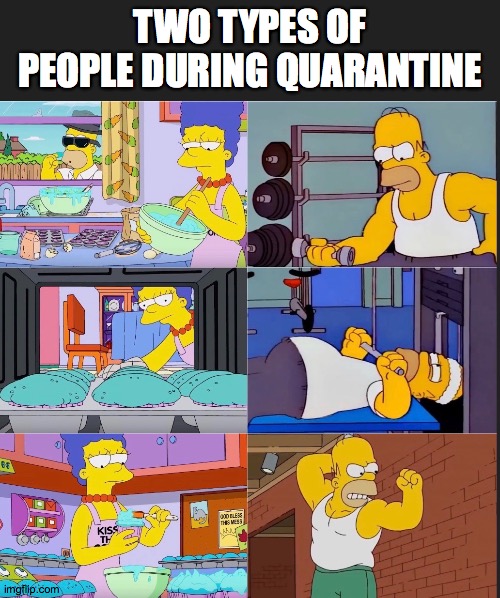
During the Covid pandemic, you may have seen the memes for how there are two types of people during lockdown. First there were those who used lockdown as an excuse to exercise more, eat well, and generally take care of themselves in a manner of which they had never had the time for previously. Then there were those who out of sheer boredom, decided to drink and order takeaway on more days than not as it was ‘something to do’.

As you can probably guess, I very much fell into the second category.

To my detriment, takeaways typically sell food which is relatively cheap, high in calories, low in nutritional value, and (annoyingly) very appetising; all delivered to your front door in a matter of minutes. Now I don’t want to come across as anti-takeaway, or anti-business, there is a place in our society for unhealthy food, nor do I blame anyone else for my questionable dietary choices. However, I’m sure most of us agree that we can have too much of a good thing at the impairment of not only our own health, but also the health of the high-street.

Apparently I’m not the only one who is too easily tempted by takeaways, with local governments implementing planning regulations to further prevent this takeover-of-takeaways, in the knowledge that our willpower is often lacking. You’re likely familiar with some of the rules already in place, such as no takeaways within 200m of a school, or that most restaurants and pubs can only provide takeaway food on an ‘ancillary’ basis.

However, with the Covid-19 lockdowns pubs and restaurants lost their ability to trade. In an attempt to combat the potential loss of business, the government introduced new temporary measures allowing these businesses to trade as takeaways, without needing to apply for planning permission. In other words, my options for takeaway just increased threefold, and by ordering-in I was ‘doing my bit’ to keep businesses open.

As we were now stuck indoors, every occasion was now an excuse for a takeaway; Birthday? Takeaway. Passed Uni? Takeaway. Anniversary? Slightly fancier takeaway with cocktails (highly recommend).

With these temporary regulations in mind, we consulted with various planners, public health leads, and environmental health officers from across the North East, to better understand how these regulations were impacting their roles, alongside any public health trepidations they may have (if my diet alone wasn’t enough cause for concern).

The main theme throughout our conversations was an overwhelming sense of uncertainty. Covid had an unprecedented impact on the priorities of local authorities. Because of this, they could not organise the infrastructure needed to identify how many businesses were choosing to trade as takeaways. Even today as we slowly return to a sense of normality, the role of collecting this data appears to be unassigned as authorities play catch-up on work lost to Covid. Therefore, as you can imagine, gauging the impact of these regulations became very challenging and speculative. There was also uncertainty around how and when these regulations would end, or what elected members planned to do (if anything) about the potential long-term consequences to health.

Surprisingly, the main finding from our research had little to do with the regulations themselves, but rather how Covid has accelerated change in the takeaway landscape. During Covid, we all developed new habits (for better or worse); one of which was the use of online delivery services such as Deliveroo and Uber Eats.

Despite the temp Covid regulations now ending, with these delivery services, many businesses that could not originally offer takeaway now can, and local authorities have limited ability to prevent them from doing so since they aren’t technically providing the deliveries themselves. A quick search on Deliveroo in Middlesbrough for example offers me delivery for Burger King, Starbucks, and Creams Cafe. None of these options are well-known as takeaways, but all now provide the delivery of unhealthy food. And although these services were technically available pre-Covid, the pandemic has led to a huge increase in their popularity, allowing for more unhealthy-food options and the changing of shopping habits. There are also traffic implications. Have you ever tried to walk through Liverpool city centre during lunch hour? Attempting to dodge Deliveroo riders on their bikes as you stroll through town is quite the experience.

To summarise, the Covid pandemic had an unparalleled impact on public health professionals, to the extent that the government implementing new regulations regarding takeaways was considered low priority. Ambiguity surrounding the impact of these regulations remains, with the ending of the regulations becoming somewhat nullified given the rise of online delivery.

In conclusion I offer some advice. if you’re trying to eat healthier, writing a blog post on takeaways whilst doing ‘research’ on Deliveroo, might not be the wisest of ideas – speaking from experience.

Friday, 23 July 2021

Find the gap: where is the healthy, enjoyable human body in policy?

Posted by Rachel Kurtz, PhD researcher at Durham University

Balancing varied and sometimes conflicting priorities within a large geographical area and between multiple departments is not a job to be envied. Ensuring the detail is suitably deliberated while also holding in mind how a policy affects other interests must be attempted but cannot possibly be achieved to perfection. My role on behalf of County Durham Sport was much easier. Over three weeks in June, I reviewed Durham County Council documents and the priorities of the Area Action Partnerships (AAPs) to identify areas of local strategy that did (or did not) address the issues of physical inactivity and the climate emergency. As an environmentally-informed, lifelong dancer-turned-researcher, I simply had to view the documents from two perspectives in which I am already personally invested and consider possible changes. Some interesting things emerged.

As you might expect, topics are viewed through whatever lens highlights policy concerns in that area. For example, the County Durham Plan understands physical activity functionally, through land use, waste, and movement of people, advocating for active travel (walking, cycling etc.) and providing and improving recreational areas. Meanwhile, the Joint Health and Wellbeing Strategy considers the environment as either beneficial or detrimental to public health, e.g. air quality. Thinking that is limited by departmental divisions can make it difficult to link overlapping policy areas. Consequently, councils are attempting to increase communication and collaboration by forming multi-disciplinary teams to create joint policy and consider issues from multiple perspectives. The County Durham Health and Wellbeing Board (author of the previously mentioned strategy) is one such team. This ongoing shift towards a collaborative approach is already countering siloed thinking and Durham County Council is taking a systems perspective through its work in Mental Health, from its strategic partnership both within and outside the council to delivery vehicles like the AAPs (which give local people and organisations a say on how services are provided). Nonetheless, a change of perspective inevitably exposes assumptions and raises new challenges, and this was no exception.

Encouragingly, some of the documents reviewed, such as the 2018 Open Space Needs Assessment, comprehensively address both focus areas, however in most cases the environment features more prominently than physical activity. A Physical Activity Strategy is still being developed, therefore gaps in this area might be expected and indeed in many cases the human body was entirely absent from policy. However, what was most noticeable was the underlying attitude where physicality was mentioned. Almost none of the policy documents feature the healthy, enjoyable human body. To cite a specific example: while addressing a rising mental health crisis, the Health and Wellbeing Strategy implicitly regards bodies as problems to be solved. This is particularly noticeable in the section on older people who are seen as frail and in need of preventative and remedial support. The framing of the strategy is already being addressed in this case but overall, any focus on the impact of health and wealth inequalities on the body tends to see physical inactivity as a problem rather than an opportunity. There were exceptions at delivery level (e.g. the Healthy Weight Action Plan and some AAP interventions, both of which are very much about enrichment) but at the strategic level, bodies are overwhelmingly framed as problematic. This is true even where you might expect an enrichment perspective such as the Children and Young People’s Strategy and Strategic Walking and Cycling Delivery Plan.

As a dancer and embodiment researcher this outlook is all too familiar, and I understand it as cultural rather than a failing of the council. In the main bodies are accommodated, objectified and treated as problems to be solved, while the sensual, experiencing body is largely ignored. Unfortunately, when we take this deficit perspective, we lose important, humanising opportunities for productive fun. Policy could be very influential in this respect. If we choose instead the underpinning belief that bodies are an incredible gift through which we explore and enjoy an endlessly engaging world, we automatically find more playful and interesting solutions. Suddenly new possibilities abound, like generating power from playground equipment or a dancefloor made with kinetic tiles. When we remember our sense of fun, urban environments become play spaces for curious bodies. Street furniture is for parkour, roller blading or skateboarding as well as resting. Outdoor games and gyms spill out of parks and line the route of our walking commute. Community growing spaces (already a popular solution to poor diet, food miles, climate change preparedness, physical inactivity, social isolation and low income) are no longer confined to small allotment plots but proliferate around the city alongside the begonias, encouraging healthy eating and a pedestrian habit.

Negotiating such varied needs and uses does of course require extensive consultation and consideration, which again highlights the importance of a partnership approach through which all voices are heard, but as I said at the outset, policy making is inevitably a difficult job. The bonus of reframing in this way is that by using strategies that are intentionally enjoyable rather than those that feel worthy or obligatory, uptake is likely to be far higher and as a result there is a better chance of achieving positive outcomes. Surrounded by the richness of creative human expression and snacking on free, community-grown fruit as we walk, jog, cycle or even dance our way to work and school, why would we choose to drive? 


Images:
1. Photo by Anthony Fomin on Unsplash
2. Photograph 'Exercise Machines' (2103264189_e26de7ba22_z) by Catherine via Flickr © 2007: https://www.flickr.com/photos/30325243@N00/2103264189 (CC BY 2.0) Adapted (cropped)
3. Photo by markusspiske on Pixabay

Friday, 18 June 2021

When, what and how to engage and disseminate research evidence during a pandemic?

Posted by Peter van der Graaf, Teesside University, Jenni Lynch, University of Hertfordshire, and Liz Such, University of Sheffield, three NIHR Knowledge Mobilisation Research Fellows

In this blog, we share lessons from working with local authorities on the development of action learning sets (bringing people together to reflect on research evidence) when they are faced with the many challenges of COVID-19.

Why do we need action learning? 
(Best-laid plans)

We know that local authorities value research evidence to improve their decision-making about public services in times of austerity; however, making evidence fit for purpose and getting it actively used in local government remains challenging.

So, we decided to test a potential new approach to knowledge mobilisation by convening and supporting action learning sets (ALS) across three local authorities (Hertfordshire, Gateshead and Doncaster Councils). This was supported by the NIHR Centre for Engagement and Dissemination (NCED), which not only aims to share knowledge and outputs from NIHR-funded research, but to develop the evidence base about “what works” in knowledge mobilisation.

The ALS would bring together a group of approximately 15 stakeholders in each local authority, including public health and social care commissioners, front-line practitioners, third-sector representatives, service users and local academics to reflect on research related to a priority topic of their choice. Using deliberative dialogue, including structured questioning and reflection, participants explored different types of knowledge and relationships between knowledge producers, users and mobilisers. By applying this approach, the ALS aimed to help mobilise research and other forms of knowledge on wellbeing and equity in local government into collectively agreed action plans.

As we started discussions with our local authority partners in Spring 2020, the full implications of the COVID-19 pandemic hit. Despite various attempts to start the ALS we regrettably had to decide to abandon the project in its current form. In this blog, we share our lessons from working with the local authorities on the development of ALS during a pandemic and what this means for future knowledge mobilisation activities from NCED when engaging with public health and social care. Our reflections focus on the when, what and how of knowledge mobilisation with local authorities.

Research capacity during a pandemic: unethical conversations? (When)

What the pandemic taught us is that when public health and social care research is most needed (e.g. to inform the response to COVID-19), capacity for using this research is very limited. With local authority staff being spread thin and reassigned to other parts of their councils, it was not feasible and even borderline unethical to ask them to join and prepare for action learning set (ALS) meetings. In particular senior staff within local government, who are key participants for the ALS, were in some cases absent from our early conversations. A serious question was posed: 
"How could we mobilise research evidence to help local government in their response to COVID-19, when they hadn’t got the time or mind space to even look at a one-page summary brief?"
We tried to make the process more accessible by moving the ALS meetings online, involving smaller groups to optimise interaction (five instead of 15 participants) and shorter sessions, with individual activities and reflection time between sessions. This helped to some extent to engage with local authority partners, but the capacity problem remained and even short online meetings where often not feasible for senior staff. However, it illustrated the value of a blended approach to ALS with a potential combination of online and face-to-face sessions to allow stakeholders to engage differently at various times in the process. We also urged them to consider topics that were immediately relevant to their current situation, e.g. working virtually through the pandemic.

The need for relevant evidence (What)


The Hertfordshire County Council Social Work team chose to reflect on how to interpret the Mental Capacity Act and apply strengths-based approaches when discharging patients from hospitals into the care of local authorities (discharge to assess pathways). Strengths-based approaches are a collaborative process between service users and providers to determine an outcome that draws on the person’s strengths and assets. We found a small number of NIHR funded studies but also identified useful knowledge from other sources, such as a Health Services and Delivery Research (HS&DR) Evidence Synthesis Centre Topic Report, which provided a systematic review of evidence on different strengths-based approaches within adult social work, and guidance documents produced by a law firm.

Knowledge Mobilisers Assemble!
Similarly, Gateshead Council selected the topic of community-based approaches to public health, focusing on how to implement these approaches with staff within the Council across different departments by applying a whole system approach. We were able to identify relevant work through our network of NIHR-funded Knowledge Mobilisation Research Fellows. For example, researchers at the University of Hertfordshire had teamed up with Hertfordshire County Council to set up a whole systems programme team and developed a joint masterclass on the topic that summarised the latest evidence.

This illustrated a need to tap into a wide range of databases that included studies and evidence from sectors beyond health and links to a network of knowledge mobilisers to access ongoing work and publications that were not routinely published on scientific databases. We plan to support this in the development of our own website as Knowledge Mobilisation Research Fellows united in the Knowledge Mobilisation Alliance.

Localising and tailoring of evidence: the value of dialogue (How)

Thirdly, our conversations with partners about the planning of the action learning sets (ALS) demonstrated that local authority staff value conversations with academic researchers about the meaning of research and how-to tailor evidence to their local needs. Evidence is made fit for local commissioning and planning purposes by localising it (relating evidence to local context and needs) and tailoring it (presenting actionable messages). ALS provide a mechanism for this translational activity and a collaborative space for local authority staff to take time out from their busy jobs and reflect on research evidence (and other types of knowledge).

Constructive dialogue was seen as most useful in supporting decision
 making, instead of researchers parachuting in with findings   
Various staff members in local government who we talked to were already research active, engaging with research through conferences and some by undertaking PhD studies themselves. They were already mobilising local intelligence, national data and tacit knowledge in their decision making. Instead of academic researchers parachuting in with their research findings, constructive dialogue about the meaning of different types of knowledge - and where researchers and practitioners worked together as equal partners - was seen as most useful for supporting local government decision making. Facilitated conversations over a series of meetings would enable them to effectively blend different types of knowledge together to inform the commissioning of health and social care services.

Being humble and open to challenge and dialogue are key components of any knowledge mobilisation strategy for engaging with local authorities and dissemination of health research findings.


More commentary on action learning sets and engaging with local authorities in knowledge mobilisation below:
  • Van der Graaf P, Cheetham M, Redgate S, Clare H, Adamson A. Co-production in local government: process, codification and capacity building of new knowledge in collective reflection spaces. Workshops findings from a UK mixed methods study. Health Research Policy and Systems. 2021 Jan;19(12). https://rdcu.be/cesKm
  • Van der Graaf P, Blank L, Holding E, Goyder E. What makes a ‘successful’ collaborative research project between public health practitioners and academics? A mixed-methods review of funding applications submitted to a local intervention evaluation scheme. Health Research Policy and Systems. 2021 Jan;19(1):1-3. https://rdcu.be/cdWGC

Images:
  1. "… of Mice And Men …" by Kristian Bjornard via Flickr.com, copyright © 2010: https://www.flickr.com/photos/bjornmeansbear/4294131461 (CC BY-SA 2.0)
  2. Pat Loika, CC BY 2.0, via Wikimedia Commons

Friday, 30 April 2021

Can putting distinct services under one roof prevent mental illness? We (cold) called in the experts to find out

In today's Fuse blog post, Fiona Duncan, Postdoctoral Research Associate from Durham University, writes about co-locating services to improve mental health and the perils of pulling together an expert panel during a pandemic. 

'Cold Calling' by Darren Tennant
This past year has been tough for many of us.  Financial worries, feeling socially isolated and lonely, facing unemployment, and missing opportunities for physical activity are just some of the things that have impacted on mental health and wellbeing during the pandemic.  This means that finding ways to improve mental health and prevent mental illness in our communities is more important than ever.

Over the past few months, I have been working on a NIHR School for Public Health Research (SPHR) project which aims to investigate how “co-located” services based in the community can be used to promote wellbeing.  A co-located service is where two or more distinct services are in the same physical space and the staff of each service interact with each other, either formally or informally.  Co-located services are often found within traditional health services like GP practices when welfare, legal and/or mental health services are delivered in the same building.  The project will investigate the benefits and disadvantages of co-locating in community spaces, rather than within traditional health services.  For example, a debt service within a faith institution, a welfare service in a library, a mental health support service in a sports centre, or a money advice service within a foodbank.  We are interested in finding out exactly how co-location helps to improve mental health and whether they work for all people in all circumstances, or just some people in certain circumstances. For instance, does co-location increase access, reduce stigma, or encourage a higher quality of service by allowing professionals to work together better?

To start this research, I was given the task of setting up and facilitating an expert panel workshop. The idea being that if we want to gain a deep understanding of how co-located services may or may not work then we should ask the people who actually design, fund or deliver these services in the real world.  We hoped that this workshop would consist of service practitioners, policy-makers, and commissioners at local authorities and people who work for organisations that provide funding for community projects. 

My first challenge in setting up the workshop was getting people to take part.  Where was I going to find these experts and would they be able to give up two hours of their time in the middle of a pandemic?  I was planning on the workshop being small (5-8 people) but, in the circumstances, I realised that I was probably going to have to ask a lot of experts to even hit this target!

I used a variety of approaches to find my experts.  I asked members of the wider research team to email any suitable contacts, we approached the other NIHR Schools and we advertised the study on twitter.  I also personally contacted some people that had participated in a previous research project and my colleague, Dr Emily Oliver from Durham University, mentioned the workshop during a webinar at which she was presenting. Through these methods, three experts signed up.  To get a few more people, I then started to ‘cold call’ potentially suitable people and organisations, including almost 40 local authority Directors of Public Health in England.  Despite the pressures that this group of people are currently under due to COVID, this ‘cold calling’ led to three more people agreeing to attend.

Having six people confirmed still felt like a very precarious position to be in, and it turned out that I was right to be nervous, as one person unfortunately had to pull out on the morning of the workshop. However, luck was on my side as at the last minute another expert who had found out about the workshop from a colleague at one of the organisations I had contacted, asked if they could come along.  Panic over!

Selfridges
The nerves kicked in again at the start of the event, as I had never facilitated a Zoom workshop before and it was clear that some of our experts were feeling nervous too.  This could have been a problem as we wanted them to freely and openly talk about the benefits and disadvantages of co-located services.  Luckily, Gillian Samuel, a member of our research team from the McPin Foundation, was able to facilitate a brilliant icebreaker exercise.  She asked everyone to talk about something that we all had in common, specifically, what we are looking forward to most when lockdown ends?  Everyone had some great answers to this question (the re-opening of Selfridges was my personal favourite answer) and this made for a more relaxed atmosphere.

This almost certainly helped the workshop discussions flow as our experts provided rich and detailed information about co-located services.  However, in some ways the workshop did not go as I had expected.  I thought the experts would talk about the benefits of their co-located services and the mechanisms involved in how these services work. I had prepared a long list of questions to prompt such a conversation, but it soon became clear that the panel had a lot to say about how co-located services quite often don’t work.  They were all clearly very passionate about what they do but expressed frustrations surrounding service delivery.  One theme to emerge was that co-located services are dependent on different types of professional working together, but the reality is that they often don’t communicate well with each other at all.

Although I wasn’t expecting the panel to say these things, I’m glad they did.  It helps us to understand how co-located services are working, or not, and is very important if we want to improve services and therefore improve mental health and prevent mental illness in our communities. This information will also be very helpful in the next part of our study where we will be interviewing people who work at and use selected co-located services.


Fiona works on the NIHR School for Public Health Research (SPHR) Public mental health programme through Fuse's membership of the School.


Images:

1. 'Cold Calling' by Darren Tennant via Flickr.com, copyright © 2014 (Attribution-NonCommercial-NoDerivs 2.0 Generic (CC BY-NC-ND 2.0)): https://www.flickr.com/photos/10678076@N03/16001016758