Showing posts with label disease. Show all posts

Friday, 7 March 2025

Bringing dietetics into Public Health

Posted by Alex O'Connor-Sherlock, MSc Dietetic student, Teesside University.
Introduction by Steph Sloan, Senior Lecturer in Dietetics and Course Leader MSc Dietetics at Teesside University.
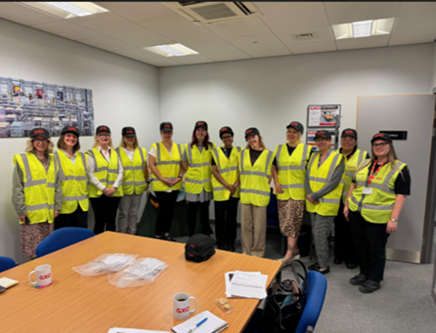
Practice-based learning (PBL) is a key part of dietetic training, with students required to complete 1,000 hours of hands-on experience in a practice setting. Traditionally, this has mostly taken place in NHS settings, with students working one-on-one with supervisors. However, as healthcare demands grow, diversifying placement opportunities is becoming increasingly important - not just to support student learning, but also to strengthen public health initiatives.

Suited and booted to present to a factory workforce
The Allied Health Professions (AHP) Strategy for England highlights the role of AHPs in disease prevention and health promotion, helping to reduce the burden on already stretched health and social care services. Diet-related diseases remain a major public health challenge, yet dietetic care is still largely focused on treatment rather than prevention. If the profession is to play a greater role in supporting population health, then equipping students with strong public health knowledge and skills is crucial.

To support this, Teesside University’s MSc Dietetics programme now includes public health placements alongside traditional NHS clinical placements. Here, Alex shares her experience of working in a Public Health practice-based learning setting. A must read in National Careers Week for anyone considering a future career as a dietitian!

------------------------------------------------------------------------------------------------------------------------------------------------------------------------------------------------------

What I worked on

During my placement, I was involved in three projects focused on health improvement and disease prevention. My work involved meeting with stakeholders, conducting research, presenting findings, and engaging with the public. The projects covered a wide range of population groups, including expectant mothers, school-age children, local workforces, and food bank users.

1. Supporting parents with child nutrition

A key part of my placement involved reviewing the nutrition education available to parents of children aged six months to four years.

What I did:
  • Conducted a literature and policy review
  • Spoke to parents, NHS staff, and school representatives
  • Attended a breastfeeding class to hear directly from parents
  • Presented my findings to several teams, including the Director of Public Health
Why it matters:
The insights from this work will help shape future research and improve nutrition support for families in the local area.

2. Linking oral health and nutrition


There is a strong connection between what we eat and oral health, but not everyone has access to clear, easy-to-understand information about this link.

What I created:
  • Infographics and presentations to educate local workforces
  • Materials designed in an easy-read format, avoiding jargon
Why it matters: 
My presentation was really well received, and I was even asked to record it for wider distribution, so it could be shared with professionals working with children and people with additional needs.

 
Infographics to educate local workforces

3. Reducing food waste in a local food pantry


Many food pantry users rely on short-dated products, and without clear guidance, a lot of good food can go to waste.

What I did:
  • Designed simple, visual signs with food storage and cooking tips (e.g. "Chop me then freeze me")
  • Introduced a ‘Freeze me’ sign for bread and monitored its impact
What happened?
Twice as much bread was sold the day after the sign was put up compared to the previous two weeks combined!


Signs made to reduce food waste

What I learned
  • Public health plays a key role in patient care - I saw first-hand how wider social factors impact people’s ability to manage their health and access services.
  • Being proactive is crucial - I reached out to stakeholders independently, which helped me build confidence and leadership skills.
  • Flexibility is a great learning experience - managing my own projects and working in a less structured environment improved my time management and adaptability.
  • Self-care matters - the flexibility of this placement meant I could work in different settings, including from the park on sunny days!
Final thoughts

Introducing dietetic placements into public health settings is a win-win. It helps students gain a broader skillset, supports NHS capacity, and brings dietetic expertise into community settings.

Of course, doing things differently comes with challenges. Expanding placements into public health settings has required commitment from everyone involved - academics, placement providers, and students. But we’re constantly learning and improving, and we’re proud to be making a real impact on the health of our local communities.

Friday, 16 February 2024

Beyond stats and diseases: my summer internship in Public Health

Posted by Bethany Henshaw, NIHR School for Public Health Research (SPHR) Intern in Fuse, undergraduate at Newcastle University

The NIHR School for Public Health Research (SPHR) recently asked its members (including Fuse) if we would like to host an internship this summer. The summer internships are aimed at undergraduate students with an interest in a career in public health research. The internships offer support for 6-8-week projects supervised by SPHR Early Career Researcher (ECRs), Fellows and PhD students. 

In this post, Beth (pictured right) tells us about her internship experience last year at Gateshead Council. 


When you think of the term ‘public health’ what comes to mind? According to the World Health Organization, it is:
“the art and science of preventing disease, prolonging life and promoting health through the organised efforts of society.” 
If you had asked me this question in early 2023, I would probably have given a very general, slightly muddled answer which was focused on the disease aspect of the field. What my answer would have highlighted was that I had very little understanding of just how broad and wide ranging the field of public health is.

Last year I undertook a NIHR School for Public Health Research (SPHR) summer internship in Fuse, looking at the perspectives of social prescriber link workers (who connect people to community-based support) on the promotion of active travel. Active travel refers to modes of travel that involve a level of physical activity such as walking and cycling. I was interested in understanding how social prescriber link workers felt the prescription of this to their patients would impact them.

The findings will be used to inform the development of an active travel pilot in Gateshead. The internship was a fantastic experience in many ways: it enabled me to develop my qualitative research skills, for example, I developed a topic guide for the social prescriber link worker focus group, and gave me valuable insight into professional working life. However, my biggest take-away was the insight it gave me into career options within public health.

Behind the stats are real people with their own unique story
As a biomedical science undergraduate, I spent two years studying topics like physiology, pharmacology, and immunology largely at the molecular level. I understand how many different diseases invade the body and make a patient ill. However, for a while now I have been interested in understanding disease at a population level. Rather than the cellular mechanisms of disease, I have grown more interested in why some people are more susceptible, and how we can reduce this disparity and prevent further people from becoming ill in the future. Before my internship, I mainly considered public health from a disease related perspective and thought that health protection covered the vast majority of the field. However, by speaking to both researchers and members of the Public Health team at Gateshead Council, it became clear to me that it covers significantly more than this! Issues such as environmental health, health services and health improvement are all things I previously wouldn’t have thought about when trying to define what I considered public health to be.

Something that surprised me during my internship was just how central recognising the individuality of each patient’s situation is in public health. I came to the realisation that when I had read research papers on disease outbreaks or rates of chronic disease as part of my degree, I had been overlooking this important detail: that behind the stats are real people with their own unique story. Talking to members of the active travel social prescribing team at the Council, made me realise just how individual and unique the journey is for each patient. Summarising, for example, how many patients continued to regularly use active travel for the time period they were prescribed it as a percentage does not reflect the reality of what these patients go through, something that will only be understood by talking to the patients to understand their experience. I found this outlook on viewing patients as people and not just statistics to be incredibly refreshing, and it has provided me with a new perspective to take into my final year of university and beyond.

My internship offered me a view of what life could be like working within public health research and the broader field. My understanding of what public health is, has been challenged and has been significantly changed from the disease focused perspective I had before. However, one of the main things I will take away is that behind all the statistics we see in the news and read in research papers regarding rates of disease, it is vital to remember that each statistic is a patient whose own unique experience should not be undermined.

Friday, 10 November 2023

What is the best way to reduce the amount of meat we eat?

Posted by Jack Hughes, PhD Candidate in Behavioural Science; Mario Weick, Professor of Behavioural Science; and Fuse Associate Milica Vasiljevic, Associate Professor of Behavioural Science, from Durham University

The science is clear that eating meat can be bad for our health; eating meat has been linked to an increase in cardiovascular risks, diabetes, stroke, cancers, and even dementia. Meat is also bad for the planet, with the livestock industry being estimated to be responsible for up to 15% of greenhouse gas emissions. Eating meat is also surprisingly closely connected to the risk of pandemics, with zoonotic diseases (caused by harmful germs that spread between animals and people) much more easily spread from eating animals.


Governmental policy and legislative choices play an important role in our excessive meat consumption. The Committee on Climate Change has recommended a 20% reduction in UK meat consumption by 2030 if we want to hit our net zero targets. Additionally, the Department of Health and Social Care recommends eating no more than 70g of meat a day, but average meat consumption in the UK is closer to 90g. So, what is the best approach? Do we advocate for a ‘nanny state’ that bans meat or imposes hefty taxes? Or do we advocate for a removal of all subsidies for meat farming and just let the market and people decide how much meat we consume under the hopes that awareness of the dangers of meat will drive down consumption?

There are of course significant problems with both approaches, but maybe there is a third option. One that can be applied not just to meat but to all society’s destructive large-scale behaviours, from alcohol to tobacco to ultra-processed foods to sedentary lifestyles.

In 2003 Richard Thaler and Cass Sunstein coined the phrase Libertarian Paternalism. Essentially arguing that the best way to produce policy is to design interventions that change behaviour without affecting people’s right to choose. So, you can still eat as many steaks as you like but policy will build an environment that unconsciously discourages eating an excessive amount. This idea could be argued to balance individual and government responsibilities, the government is nudging people to healthier choices, but the individual still gets to make the final decision.

For example, in a recent study of ours we found that sticking a graphic warning label (similar to those you see on cigarettes) onto meals could reduce the amount of meat chosen. Not only were the labels effective, leading to between a seven and 10 percent reduction in meat meals chosen, but the idea of introducing them as policy received fairly neutral responses. Which, let’s be honest, makes it more popular than most policy proposals!

When we look at recent research we can see that a variety of interventions have shown promising effectiveness on reducing meat consumption. Whether changing the ratio of meat to non-meat meals on offer, making meat meals less appealing by using less flattering descriptions, changing which meals appear at the top of the menu, or adding eco and warning labels to discourage the selection of meat meals, there are many ways of changing the environment without reducing the freedom of choice consumers ask for.

The question is though: is this approach the best or the worst of both arguments? Does Libertarian Paternalism thread the needle between governmental and personal responsibility? Others might say the approach is too hands off, or too hands on. If we accept that as a society we would benefit from eating less meat, which policy strategy do you support? The ‘nanny state’, the free market, or the libertarian paternalist approach?

The paper described in this blog-post can be accessed here:

Hughes, J. P., Weick, M., & Vasiljevic, M. (2023). Impact of pictorial warning labels on meat meal selection: A randomised experimental study with UK meat consumers. Appetite, 190, 107026. https://www.sciencedirect.com/science/article/pii/S0195666323024881

Friday, 13 May 2022

Planning for a healthier future?

Posted by Tim Townshend, Professor of Urban Design for Health, Newcastle University

Can we plan for a healthier future by intervening in the built environment? You may be surprised to find out this is not a new idea! Indeed, the very concept of Town Planning emerged in the last quarter of the 19th Century out of a concern for public health and to help prevent the spread of infectious diseases such as cholera.

Ebeneezer Howard - ‘slumless, smokeless’ garden cities

The resulting Victorian terraces, with fresh water supplies and internal toilets may seem unimaginative, but they were a huge improvement on what went before - and did indeed prove a boon to public health. What’s more many still provide decent homes today.

Early planning thinking was also dominated by a vision that the physical health attributes of the countryside – access to open space, clean air and fresh food could be combined with social and economic (mental health) benefits of the city – including opportunities for education, access to culture and wider social contacts. Such thinking is typified by the Garden City Movement associated with Ebenezer Howard and realised - at least in part - in towns such as Letchworth in, Hertfordshire.

Health was at the core of planning for much of the 20th century, however, in the post-war period it became eclipsed by other issues - particularly the need for economic regeneration. Consequently, the health and well-being impacts of the way our towns and cities were developing was not considered carefully enough.

“...primarily designing around the needs of the private car - rather than humans - has been a disaster.”

In retrospect, primarily designing around the needs of the private car - rather than humans - has been a disaster.  Busy roads now cut noisy polluted swathes through communities; poorer neighbourhoods find themselves served by ‘toxic high streets’ – a deadly mix of nutritionally poor food, subprime financial services, betting shops and other potentially harmful outlets; and vast tracts of poor-quality new build housing - devoid of adequate open space, or local services - have been constructed in the suburbs.  At the same time rates of obesity (and associated health/well-being consequences), respiratory and so-called ‘lifestyle’ diseases have all soared. Moreover, these impacts are not felt equally across all neighbourhoods, and health inequalities unjustly burden the poorest in society.   

 Interlinked themes explored in Healthy Cities? Design for Well-being
It does not have to be this way, however. We can plan for a healthier future and create places that support individuals and communities to take healthier lifestyle choices. In ‘Healthy Cities? Design for Well-being’ I explore five inter-related topics and the ways in which the goal of a healthier future can be achieved.

There is for example a large and robust evidence base around our need for urban greenspace (as was highlighted so graphically during the COVID-19 lockdown period). Green (and blue) spaces in our cities not only facilitate physical activity and socialisation (positive for physical health and mental well-being) but can mitigate against issues such as, air and noise pollution, ‘heat islands’ (the significant heat increases in urban areas as compared to their surroundings) and alleviate flood risk. Crucially, however, greenspaces have also been shown to reduce stress levels and help restore cognitive capabilities - for example concentration levels - just by being there.  

Planning policies can also be used in conjunction with public health goals to tackle specific health issues. A great example of this, is the development of planning guidance and regulation to tackle the further spread of hot food takeaways – a key component of my ‘toxic high street’ concept, which I explore in more detail in the book.  While planning cannot tackle existing businesses it can limit further spread, especially in sensitive areas – for example near schools, as research has proven the link between hot food availability and overweight/obesity in older children. Issues we will explore at the Fuse Research Programme Meeting “Planning for a healthier future: Priorities and Practicalities” on May 18, 2022, at Teesside University (and available online).

Therefore by encouraging those aspects of the built environment that support healthy lifestyle choices, while constraining those aspects we know are linked with less healthy lives, healthier places are within our grasp – but this can only be achieved if we collaborate across disciplines and garner the political support required to make it happen!


Healthy Cities? Design for Well-being is available to order now


Image:

1. Howard, Ebenezer. "Diagram of a group of slumless smokeless cities.". 1898. From Ebenezer Howard, "To-morrow: A Peaceful Path to Real Reform" [London, 1898]. https://www.aaeportal.com?id=40518. Web. 12 May. 2022.

Friday, 4 December 2020

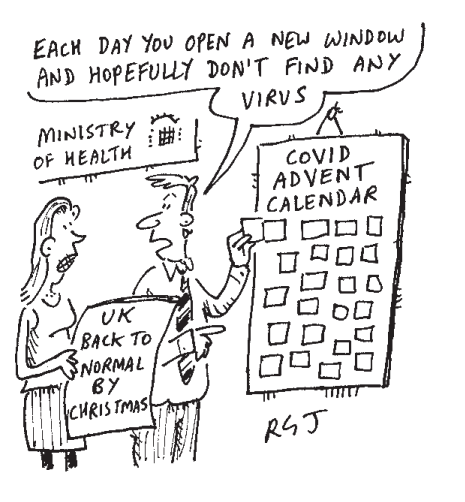
Long Covid’s Advent Calendar of Symptoms

Posted by John Mooney FFPH, Locum Consultant in Public Health, NHS Highland @StandupforPHlth

I should really start this piece with both a declaration of personal interest and a confession. Firstly, I can unfortunately count myself among the many thousands of people affected by what is being referred to as ‘long covid’. Secondly, I have shamelessly borrowed my title analogy from a fellow sufferer and infectious disease academic, Professor Paul Garner whose highly engaging and informative BMJ blogs(1,2) on the subject have helped many to realise that they are not alone or imagining things. With another prominent ‘patient-advocate’ for the disease being the University of Southampton’s Dr Nisreen Alwan, (associate professor and consultant in public health), you might be forgiven for thinking that this is a virus with a special affinity for public health professionals! Now that would be clever but regrettably it is clearly far less discerning.

Image credit: The Spectator magazine and the illustrator Richard Jolley

In keeping with the spirit of the season, my own advent calendar of symptoms has popped open several new windows this week, most notably ‘pins and needles’ and joint pains. Both have arrived on top of the commonly experienced and more worrying long-term chest pains (eight months in my case) and irregular erratic heart rate (managing over 200bpm at rest on one occasion (the normal range for healthy adults is between 60 and 100 bpm). This combined with a rogue ECG readout (Electrocardiograms test the heart's rhythm and electrical activity) in a local A&E department earned me an unscheduled two-night stay in hospital six weeks ago. Seemingly intractable tinnitus has become another constant ‘companion’.

Resting heart rate over 200 bpm &
 oxygen saturation below optimal 

Thanks to my local NHS Hospital, my symptoms were comprehensively investigated and I continue on the ‘recovery’ journey - if recovery is not too optimistic a label. Recent findings from several studies on the longer term complications of the disease have however made for uncomfortable reading, all the more so for being carried out in people whose symptoms had generally not been particularly severe.

In the first of these, a Frankfurt based cardiac MRI study(3) recruited 100 cases of non-hospitalised patients in whom 78% were found to have disruption to heart muscle function and 60% ongoing heart tissue inflammation. Given that the number of ‘milder’ cases will always inevitably far outweigh the numbers hospitalised or who tragically do not survive, the sheer scale of the potential public health disease and premature death burden (if heart health is undermined), begins to look very concerning(4).

Receiving supplemental oxygen in A&E 6 months after
 initial symptoms (mask displaced to drink)


Perhaps more worrying still, ‘long covid’ does not seem to restrict its attentions to the heart and lungs, with another study finding evidence of multiple organ damage in 201 people with a largely mild course of disease, 70% of whom had damage in one or more organs, including kidneys (12%), liver (10%), pancreas (17%) and spleen (6%), as well as heart (32%) and lungs (33%) four months after initial symptoms(5). 

Adding further to this complex picture was a news release about a study this week of ten patients at Oxford University in which a novel scanning technique was used to successfully identify damage not picked up by conventional scans(6). Eight of the ten patients still experiencing shortness of breath three months after infection (none severe enough to be hospitalised), had evidence of hidden lung damage. The new technique will now be repeated with a much larger sample.

These worrying findings about potential long-term damage are already prompting some big-picture questions: What proportion of people who only had very mild disease will go on to develop organ damage? Proportions like 60% and 70% could potentially translate into a staggering public health disease burden with very substantial implications for health services. Devastating though the considerable loss of life has been, the eventual population impact clearly has the potential to be far greater(4). 

As always with such matters however, it is never especially helpful or productive to dwell too long on ‘worst case scenarios’. For my own part, I am fortunate to be in a non-physically demanding job with an understanding employer. The prospect of accommodating such an unwelcome guest as long covid in a physically strenuous job or on a zero hours contract (or both) does not bear thinking about. Long covid clearly has the potential to further exacerbate the substantial inequalities in health and social outcomes that have so clearly characterised the current pandemic.

Significant unanswered questions also remain around which population groups are most likely to be affected by long covid: do they correspond for instance to those most at risk of not surviving? Early indications are that this might not be the case, at least as far as age or gender is concerned: while there has been no systematic population prevalence study, long covid seems to disproportionately affect younger and middle-aged adults, and females over males. For some this latter observation lends credence to long covid being ‘auto-immune’ in origin since women tend to be at higher risk of such diseases (lupus and rheumatoid arthritis being two prominent examples).

Would vaccination be helpful for those affected? Or might it be dangerous given the likely involvement of a misdirected immune response as the basis for the condition? In these respects it’s extremely encouraging that long covid is receiving high level research attention that seems to be already helping to unravel its impact, causes and effects. Such efforts may ultimately be at least as valuable as the impressive progress with vaccine development.

Returning to the advent calendar of the title, the wonderful thing about advent is that there is a season of joy and festivity at the end of a dark midwinter month. Here’s hoping that there is an end in sight also for the many afflicted by long covid.


References:
  1. Paul Garner on long haul covid-19—Don’t try to dominate this virus, accommodate it - The BMJ September 4, 2020. https://blogs.bmj.com/bmj/2020/09/04/paul-garner-on-long-haul-covid-19-dont-try-and-dominate-this-virus-accommodate-it/
  2. Paul Garner: Covid-19 and fatigue—a game of snakes and ladders - The BMJ May 19 2020. https://blogs.bmj.com/bmj/2020/05/19/paul-garner-covid-19-and-fatigue-a-game-of-snakes-and-ladders/
  3. Puntmann VO, Carerj ML, Wieters I, et al. Outcomes of cardiovascular magnetic resonance imaging in patients recently recovered from coronavirus disease 2019 (COVID-19). JAMA Cardiol. Published online July 27, 2020. doi:10.1001/jamacardio.2020.3557
  4. Mooney, JD, Ling J. Long covid: a potential longer term morbidity time bomb?: Rapid response to: BMJ 2020; 371. doi.org/10.1136/bmj.m4470
  5. Dennis A, Wamil M, Kapur S, Alberts J, Badley AD. Multi-organ impairment in low-risk individuals with long COVID. https://www.medrxiv.org/content/10.1101/2020.10.14.20212555v1.full.pdf
  6. BBC News: Covid-19: Lung damage 'identified' in study: 1st Dec 2020 https://www.bbc.co.uk/news/health-55017301

Acknowledgement to high profile fellow awareness raisers of #LongCovid:

Professor Paul Garner: Liverpool School of Tropical Medicine: @PaulGarnerWoof

Dr Nisreen Alwan: University of Southampton @Dr2NisreenAlwan

Friday, 10 July 2020

Not an equal opportunity disease: Covid-19 and health inequalities

Posted by Clare Bambra, Professor of Public Health, Newcastle University and Ryan Riordan, 5th Year Medical Student, University of Cambridge

Spanish Flu of 1918 was experienced unequally, with higher rates
  of infection and mortality among the most disadvantaged
As Covid-19 began to spread rapidly across the UK in early March, politicians and the media were keen to tell us that we were ‘all in it together’ and that the virus ‘does not discriminate’. As time passed, it became apparent that this wasn’t the case.

We now know that Covid-19 is far from a socially neutral disease, with clear clusters of more severe impact amongst our most deprived and marginalised communities.

We now know that people living in more socio-economically disadvantaged neighbourhoods and minority ethnic groups have suffered more with higher infections and death rates.

Historically, this has also been the case - evidence has shown that previous pandemics including the Spanish Flu of 1918 and the H1N1 pandemic of 2009 have also been experienced unequally, with higher rates of infection and mortality among the most disadvantaged parts of the country – both in the UK and internationally. 

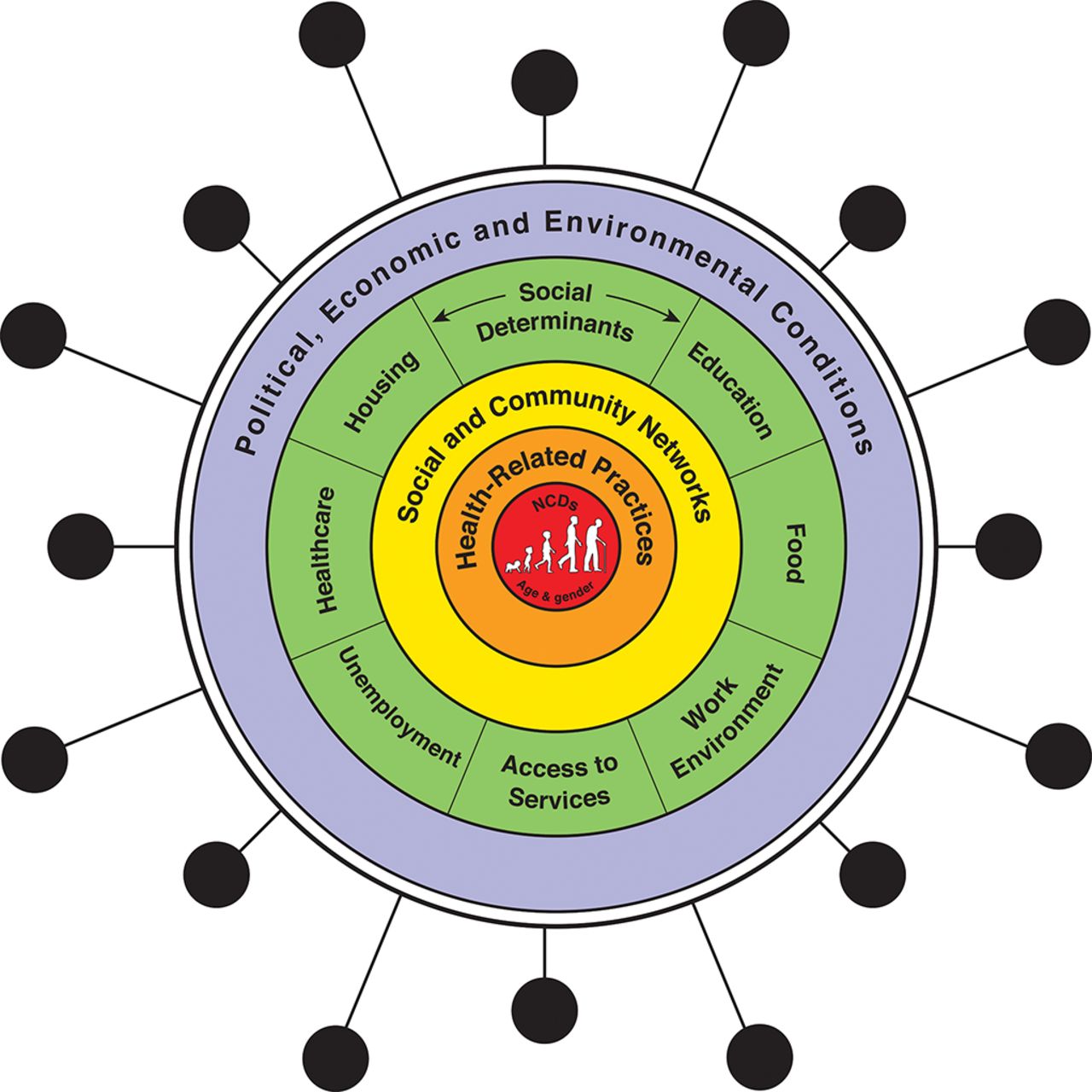
Emerging evidence from a variety of countries suggests that these inequalities are being mirrored today in the Covid-19 pandemic. Both then and now, these inequalities have emerged through the syndemic nature of Covid-19, as it interacts with and exacerbates existing social inequalities in chronic disease and the social determinants of health.

The syndemic of COVID-19, non-communicable diseases (NCDs)
 and the social determinants of health
This is down to a number of factors – not least unequal exposures to the social determinants of health (the conditions in which we are born, grow, live, work and age) leading to higher rates of almost all of the known underlying clinical risk factors that increase the severity and mortality of Covid-19 (e.g. high blood pressure, diabetes, cardiovascular disease).

We may have been living under the same regulations, but across the country, our experiences of ‘lockdown’ were widely different. We knew this. We weren’t ‘all in the same boat’ - we were in the same ocean in the middle of the same storm - but some were on luxury liners and others on rapidly-deflating dinghies.

We saw lower-paid care workers, shop workers, transport workers, factory workers continuing to work face-to-face with the public, while others worked from home on full pay or were furloughed with some semblance of job security.

There were families trying to stay sane in small flats without outdoor space and with empty cupboards, whilst others in more fortunate circumstances trebled their flower delivery order to ensure their homes looked good during Zoom meetings.

The divide in our society is stark on many levels, and as we go forward, who will pay the price of the multi-billion pound interventions that the government has put in place to see us through this period, and bear the brunt of the post-Covid-19 global economic slump? 

Covid-19 has laid bare our longstanding social, economic and political inequalities. Even before the pandemic, life expectancy amongst the poorest groups was already declining in the UK and the USA and health inequalities in some European countries have been increasing over the last decade.

I know that this all makes for grim reading for researchers, practitioners and policymakers concerned with health inequalities. So what can we do?

It is vital that this time, the right public policy responses, such as expanding social protection and public services and pursuing green inclusive growth strategies, are undertaken so that the Covid-19 pandemic does not increase health inequalities for future generations. Public health must ‘win the peace’ as well as the ‘war’. It is our job to make that case.

As we start to shape our ‘new normal’ and as the government unveils its post-Covid-19 recovery plans for the UK, public health policy must be a priority.

We need to act now if we want to avoid deepening the health inequality divide even further for generations to come.

Read the full essay: The Covid-19 pandemic and health inequalities


With thanks to the NIHR Applied Research Collaboration North East & North Cumbria 


Image attribution:
  1. Otis Historical Archives, National Museum of Health and Medicine / Public domain. https://commons.wikimedia.org/wiki/File:Emergency_hospital_during_Influenza_epidemic,_Camp_Funston,_Kansas_-_NCP_1603.jpg
  2. The syndemic of COVID-19, non-communicable diseases (NCDs) and the social determinants of health (adapted from Singer and Dahlgren and Whitehead). With acknowledgement to Chris Orton from the Cartographic Unit, Department of Geography, Durham University, for his assistance with the graphics. https://jech.bmj.com/content/early/2020/06/13/jech-2020-214401.full?ijkey=haFkUOyJurtabHz&keytype=ref#F1
  3. Screenshot taken from the Financial Times website: https://www.ft.com/content/8ea1c992-89f8-11ea-a109-483c62d17528 09/07/2020

Friday, 22 May 2020

Covid-19 and the legacy of Edward Jenner: a tale of two pathogens

Posted by Lesley Haley, AskFuse Research Associate, Teesside University 

2020 is going to be a momentous year in world history as the year that the Covid-19 pandemic changed all our lives.

Edward Jenner, English physician who discovered the smallpox vaccine
Coincidentally, this year also marks the 40th anniversary of a significant historic milestone for another deadly disease, but in this case, one which maimed, killed and shaped global history for the past three thousand years (Flight 2011). That disease was smallpox.

On the surface, there is nothing in common between a dead disease and a newly emerging one. But there are some aspects of the history of smallpox that resonate with the unfolding story of the Covid-19 pandemic.

Smallpox was still a killer when I was vaccinated against it in 1967 as part of a routine public health intervention, although it was no longer endemic in the UK. For my mother’s generation, the reality of smallpox was very stark. She experienced the panic of an outbreak in her home town of Glasgow during the war when she was only 10, and again when she was 16, when smallpox killed front-line staff treating infected patients at the local hospital.

Although in 1967 outbreaks in the UK of smallpox were getting rarer, the worldwide picture was very different. Smallpox was still endemic in many countries, maiming and killing an estimated 10-15 million people a year (Baxby 1999). This was despite the fact that Edward Jenner had first introduced a prototype inoculation against smallpox in 1798, had translated his theories and ideas into practice, and had a huge impact during his lifetime (the academic dream!).

One aspect of Jenner’s life and work bears closer scrutiny in light of the current Covid-19 pandemic, and particularly on the emerging debate surrounding the development of a new vaccine. During his lifetime, Jenner made his research, his ideas and his smallpox inoculations freely available to everyone, irrespective of who they were (Baxby 1999). Jenner and his contemporaries appreciated the commercial opportunities of his discovery, but he continued to give free inoculations to everyone who approached him at his surgery, despite the detrimental financial impact this had on his personal and professional life (Britannica 2020). He understood exactly what the implications of his discovery meant for the common good.

So if Jenner’s work was freely available, (and although certainly not perfect), why was smallpox still endemic in some countries in the world in 1967? Millward (2019) proposed that one of the main issues had been the lack of global “joined up thinking” in the approach towards smallpox eradication. It took until 1967 for countries where smallpox was not endemic to realise that they would always be at risk of continual and increasing numbers of smallpox outbreaks, if the disease was still endemic in other parts of the world. Wherever in the world there was smallpox outbreaks, it caused mass panic, strained public health systems to the limit, maimed and killed, and even had economic impacts on national and international trade and travel (Millward 2019). It therefore became in every countries' interest to support a systematic, unified and global approach to smallpox eradication. Under the auspices of the World Health Organisation (WHO), the global strategy of surveillance, containment and vaccination free at the point of delivery and irrespective of ability to pay, worked. In 1980, the WHO declared the world free from smallpox (Baxby 1999) and it became the “first disease to be controlled by immunisation, the first to be eradicated” (Baxby 1999).

So what will historians say about the story of Covid-19? What will be the role of the global community in tackling the Covid-19 pandemic? Will Jenner’s altruistic example of free and accessible vaccinations be consigned to the history books in the 2020 global race to develop a lifesaving Covid-19 vaccine?

On the global front, 4 May 2020 saw world leaders, the UN, research institutions and philanthropic organisations pledge resources to find a vaccine for Covid-19 (albeit with the ominous absence of two major world powers) (BBC 2020). And the race for a vaccine has sparked debates on who, where, and how people would access a Covid-19 vaccine, with speculation for example, that pharmaceutical companies may have to change their business practices (Chu 2020). In the history of smallpox in the UK, vaccine stockpiles were held by private businesses, highlighting “that public health resources were not always in public hands” (Millward 2019, p. 64).

Global businesses have also contributed to an “Open Covid Pledge, “to make intellectual property available free of charge for use in ending Covid-19 pandemic and minimising the impact of the disease” (Open Covid Pledge 2020).

When global powers pulled together for the common good, it took just 13 years to rid the world of a disease that had killed millions across the continents of Africa, America, Australia, Asia and Europe in its 3000 year reign of terror. Prior to that, without global unity and treatment free at the point of delivery, it took 169 years. I wonder what Edward Jenner would have thought?

So as our Covid-19 story unfolds in 2020 and beyond, I wonder how future generations will judge the actions and decisions of our current global leaders and businesses?


References:
  1. Flight, C (2011) Smallpox : Eradicating the scourge. BBC History. Last updated 17 Feb 2011. Available: https://www.bbc.co.uk/history/british/empire_seapower/smallpox_01.shtml Accessed: 05 May 2020.
  2. Baxby, D (1999) The End of Smallpox. History Today Vol 49 Issue 3. Available: https://www.historytoday.com/archive/end-smallpox
  3. Britannica (2020) Edward Jenner. Available: https://www.britannica.com/biography/Edward-Jenner Accessed: 6 May 2020. 
  4. Millward G (2019) “Smallpox” Vaccinating Britain: Mass vaccination and the public since the Second World War, Chapter 2. [Internet]. Manchester (UK): Manchester University Press; 2019. Chapter 2. Available: https://www.ncbi.nlm.nih.gov/books/NBK545998/#!po=98.8688 Accessed: 5 May 2020. 
  5. BBC News (2020) Coronavirus: World Leaders pledge billions for vaccine fight. Available: https://www.bbc.co.uk/news/world-europe-52525387 Accessed: 5 May 2020. 
  6. Chu, B(2020) “To find a vaccine for coronavirus, pharmaceutical companies will have to Adamson the race for profit”. The Independent. Available at: https://www.independent.co.uk/voices/coronavirus-vaccine-uk-pharmaceutical-companies-patent-monopoly-a9467381.html Accessed: 16 April 2020. 
  7. The Open Covid Pledge (2020) Available: https://opencovidpledge.org. Accessed: 5 May 2020. 

Acknowledgements:
  • Mrs Patricia Hoyland (pers comm)
  • BBC Today programme. Thought for the day. David Wilkinson 4 May 2020.

Image: 
  1. “Edwar Jenner” by Pan American Health Organization PAHO via Flickr.com, copyright © 2010: https://www.flickr.com/photos/pahowho/9525240640. Attribution-NoDerivs 2.0 Generic (CC BY-ND 2.0)
  2. The logo of Open COVID Pledge project, 27 August 2020. Creative Commons, CC BY-SA 4.0 <https://creativecommons.org/licenses/by-sa/4.0>, via Wikimedia Commons (https://commons.wikimedia.org/wiki/File:Open_Covid_Pledge_Logo.jpg).

Friday, 1 March 2019

Is public health ready for complexity?

Guest post by Brian Castellani, Professor of Sociology at Durham University

Public health, presently, is at a difficult crossroads. Its massive success in making the world a healthier place has led to a global embrace of its incredible insights; but still, the challenges currently faced have not given in so easily, as they are deeply entrenched complex problems - or, alternatively, what are more generally referred to as wicked problems!  The global spread of infectious disease; an exponentially growing (or, alternatively, greying) population throughout many parts of the world; the negative impact ecological upset is having on climate and health; urbanisation and the development of mega cities and metropolitan regions; the increasing costs of health and healthcare; air pollution; the opioid epidemic; and so forth.

Still, despite this increasing complexity, public health has been rather resistant to making the shift, falling back on tried-and-true ways of thinking about and modelling public health issues. This is particularly true when it comes to the harsh realities of getting funded or published!  This needs to change! The challenge, however, is how?

Here are, in my mind, six things that public health researchers and practitioners can do to make more effective use of the complexity sciences and advance the use of these ideas across the field:

Six ways to advance the study of complexity in public health


1. Public health is in a difficult position: it realises its work is more complex, but it is struggling to embrace the tools and concepts of complexity science and computational modelling, as it means doing things differently.
  • This is particularly problematic in terms of funding streams and publishing in journals.
  • The only way forward, then, is to get on with it and actually start funding and publishing such work. High risk can lead to high reward! 
2. Related, the best way forward is for public health to employ a mixed-methods approach, as most public health issues require more than one method, including computational modelling.
  • This includes embracing the old and the new, particularly in terms of complex networks, machine intelligence, participatory systems mapping, qualitative comparative analysis (QCA), and agent-based modelling.
3. Public health needs to adopt a critical approach to complexity, as not all methods or theories are equally useful. In other words, the advance of complexity thinking in public health has to be more than the simple application of hard science methods.
  • For example, while complex network analysis is powerful, it has significant limits.
4. Public health also needs to develop its theoretical and conceptual understanding of public health topics as complex. This is also true in terms of policy evaluation.
5. Public health needs to recognise the important role it plays - both in terms of theory and practical experience - in the development of the complexity sciences, as most of these scholars are trained in other fields. Practitioner expertise, combined with the latest advances in computational methods, will go a long way to improving health. It cannot, however, just be one or the other.

6. Finally, public health needs to adopt a case-based approach to modelling its various complex topics, as health (be it an individual or population) is about cases.
  • In turn, it needs to move away from the strict study of variables and variable-based statistics.
  • Statistics remains very important for complexity modelling; but variables need to be attached to context and cases and their various path-dependent trajectories.
  • Related, the field needs to shift to modelling multiple case-based trajectories, rather than designing a single model.

I want to thank Fuse for the opportunity to present a brief overview of the value of the complexity sciences for public health (and, in turn the value of public health for complexity science!) on 14 February 2019 at Newcastle University.  For those interested, here is a link to the presentation.

Friday, 22 September 2017

The impact of advice services on health: moving from gut feeling to concrete evidence

Introduced by Sonia Dalkin


Guest post by Alison Dunn, CEO of Citizens Advice Gateshead

Citizens Advice Gateshead provides independent, impartial, confidential and free advice to people who work or live in Gateshead about their rights and responsibilities. Gateshead is an area of high deprivation. Overall, Gateshead is the 73rd most deprived local authority in England, out of 326 local authorities. Nearly 23,600 (12%) people in Gateshead live in one of the 10% most deprived areas of England. Nearly 49,800 (25%) live in the 20% most deprived areas (Department for Communities and Local Government, 2015).

As a result, our work is predominantly around social welfare issues to include housing, money advice, welfare benefits, relationship and family issues, employment and consumer. In 2016/17 we helped 10,820 people with 71,487 advice issues. We estimate our work has a value to the wider governmental system of £11.5m.

Physical health and mental health are inextricably linked. People with a mental illness have higher rates of physical illness and tend to die 10 – 20 years earlier than the general population, largely from treatable conditions associated with modifiable risk factors such as smoking, obesity, substance abuse, and inadequate medical care (Mykletun et al. (2009). Poor mental health is associated with an increased risk of diseases such as cardiovascular disease (Dimsdale, 2008), cancer (Moreno-Smith et al., 2010) and diabetes (Faulenbach et al., 2012), while good mental health is a known protective factor. Poor physical health also increases the risk of people developing mental health problems.

For us, the link between our advice and health and wellbeing is obvious but persuading commissioners, policy makers and decision makers requires more than a gut feeling. So we feel very privileged indeed for the opportunity to work with Fuse and the research team at Northumbria University to investigate what we have always thought to be true, that our advice reduces stress and anxiety and improves wellbeing for our clients. 

The research constituted of a realist evaluation (the protocol of which is detailed here) of three of our more intensive services – one for those with enduring mental health conditions, one for young people, and one for those referred through their GP. The research indicated that stress was decreased and wellbeing increased as a result of accessing the service, using the Perceived Stress Scale and Warwick Edinburgh Mental Wellbeing Scale. The research also tells us that our intensive advice services increase the options available to our clients, allowing them to be able to participate in more activities to promote wellbeing and reduce isolation. The service also creates trusting relationships with our clients, which was essential in maintaining relationships in order to help clients with their issues. Finally, the service works as a buffer between the client and state organisations such as the job centre and the Department of Work and Pensions, allowing the two to interact more efficiently. 

We plan to maintain our relationship with the research team and we are starting to talk to them about how we can build on this work to learn even more about the link between advice services and the wellbeing of our beneficiaries.

If you would like more information related to Citizens Advice Gateshead, please visit our website: https://www.citizensadvicegateshead.org.uk/ 


References: 
  • DEPARTMENT FOR COMMUNITIES AND LOCAL GOVERNMENT. 2015. English indices of deprivation 2015 [Online]. Available: https://www.gov.uk/government/uploads/system/uploads/attachment_data/file/465791/English_Indices_of_Deprivation_2015_-_Statistical_Release.pdf [Accessed].
  • DIMSDALE, J. 2008. Psychological Stress and Cardiovascular Disease. Journal of the American College of Cardiology, 51, 1237-1246.
  • FAULENBACH, M., UTHOFF, H., SCHWEGLER, K., SPINAS, G., SCHMID, C. & WIESLI, P. 2012. Effect of psychological stress on glucose control in patients with Type 2 diabetes. Diabetic Medicine 29.
  • MORENO-SMITH, M., LUTGENDORF, S. & SOOD, A. 2010. Impact of stress on cancer metastasis. Future Oncology, 6, 1863-1881.
  • MYKLETUN, A., BJERKESET, O., OVERLAND, S., PRINCE, M., DEWEY, M. & STEWART, R. 2009. Levels of anxiety and depression as predictors of mortality: the HUNT study. British Journal of Psychiatry, 195, 118-125.
The research was funded by NIHR School for Public Health Research (SPHR) and is supported by Fuse (The Centre for Translational Research in Public Health). The views expressed are those of the research team and not necessarily those of the NHS, the NIHR or the Department of Health.

Friday, 12 May 2017

Alcohol use in retirement: A silent epidemic?

Posted by Roxanne Armstrong-Moore, Fuse PhD student, University of Sunderland

I was on a course recently and someone mentioned that her parents, since retiring were all about the “three Gs – Gardening, Grandchildren and the Grape”. Laughter ensued from other colleagues, then a sadness dawned on me – she explained that the drinking had gone beyond a social drink with friends and was ingrained in their lives, the glass of wine was getting earlier and earlier and functioning was getting less. It made me think, why is this acceptable once someone has left work? Of course, individuals have worked hard all their lives and they deserve some respite – but should this come at a cost of lessened functioning, higher chance of diseases, premature death and breakdowns in the relationships that have been nurtured over a lifetime?

My PhD aims to develop a strategy for those in, or about to enter retirement, to avoid what seems to be a downward spiral into ill health.

In what is a relatively scarce area of literature, myself and my supervisory team have begun this task by conducting a systematic review of current literature. This is to investigate what we currently know about current interventions and how they can help older individuals to reduce negative effects of alcohol. Six papers were included, all of which were in the United States. Individuals in this age group appear to respond well to interventions, with all interventions showing improvements (a reduction in drinking or, in one case study, improvements in quality of life) in at least one area of alcohol consumption or frequency of consumption. These findings were presented at the European Health Psychology Conference in Aberdeen (2016).

This scarce amount of literature available on interventions shows that older people are currently being neglected in our field. Healthcare professionals may feel it is not their duty to step in and “ruin the fun” but - with predictions that by 2050, 22% of the world population will be aged 60 and over, and that a significant amount of these older individuals will have a “pattern or level of drinking which places them at harm” (Wadd & Galvani, 2014, p. 656)1 - something needs to be done.

But what can be done? Don’t they deserve to have a drink? Are we spoiling their fun? Would they even want an intervention and how would this work? This is where the hard work begins…

Older people are more susceptible to the detrimental effects of alcohol, as tolerance to alcohol lowers with age. Drinking more than five standard drinks per week has been found to quadruple the risk of developing psychiatric problems including depression and memory loss (Stevenson, 2005)2. Cognitive impairment as a result of alcohol use can lead to an increased likelihood of falls, and because older people often have weaker bones, this can lead to hip fractures - one of the highest causes of death in the older population (Mukamal et al., 2004; Merrick et al., 2008)3.4.

While much research has focused on students and younger adults, little has explored the drinking of older individuals. The evidence in this field is growing, however it is still not adequate to inform an intervention in the area.

So, why retirement? Evidence suggests that those who have recently entered retirement are statistically and significantly more likely to drink almost every day compared to those who are still in work, or those who have been retired for a longer time. At the moment, there is limited support and guidance offered by employers, government and the third sector to those who are retiring in the future. The “Easing the Transition” report from the Drink Wise - Age Well project (Holley-Moore & Beach, 2016)5 suggests that for some individuals, this can be a negative time marred with a loss of purpose, periods of ill health or financial difficulties.

So this is where my PhD comes in, at the moment very little qualitative data exists in this area. We are hoping to interview individuals – not only those who have retired recently and those who are due to retire, but also their employers. This data will then be analysed to establish core themes using a framework approach and fitted to an intervention map to really find a tool that could be used to help people going through this (at times) difficult transition.

From data collection, we will use the findings to begin to develop an intervention that can be implemented in the workplace, or after leaving work. This will be the first protocol of its type that uses the information gathered from those who are going through this transition and will hopefully ease the transition between working and retirement and reduce the growing burden on public health.


References:
  1. Wadd, S., & Galvani, S. (2014). Working with Older People with Alcohol Problems: Insight from Specialist Substance Misuse Professionals and their Service Users. Social Work Education, 33(5), 656–669. http://doi.org/10.1080/02615479.2014.919076
  2. Stevenson, J. S. (2005). Alcohol use, misuse, abuse, and dependence in later adulthood. Annual Review of Nursing Research, 23, 245–80. Retrieved from http://www.ncbi.nlm.nih.gov/pubmed/16350768
  3. Mukamal, K. J., Cushman, M., Mittleman, M. A., Tracy, R. P., & Siscovick, D. S. (2004). Alcohol consumption and inflammatory markers in older adults: the Cardiovascular Health Study. Atherosclerosis, 173(1), 79–87. http://doi.org/10.1016/j.atherosclerosis.2003.10.011
  4. Merrick, E. L., Horgan, C. M., Hodgkin, D., Garnick, D. W., Houghton, S. F., Panas, L., … Blow, F. C. (2008). Unhealthy Drinking Patterns in Older Adults: Prevalence and Associated Characteristics. Journal of the American Geriatrics Society, 56(2), 214–223. http://doi.org/10.1111/j.1532-5415.2007.01539.x
  5. Holley-Moore, G., & Beach, B. (n.d.). Drink Wise, Age Well: Alcohol Use and the Over 50s in the UK. Retrieved from www.drinkwiseagewell.org.uk

Photo attribution: