Showing posts with label planning. Show all posts

Friday, 12 December 2025

Nourishing our tomorrow needs to start today

Posted by Professor Amelia Lake, Fuse Deputy Director, and Professor of Public Health Nutrition at Teesside University

How do we create a future where every child has access to healthy, affordable food?

That question took centre stage at the British Nutrition Foundation annual conference, which brought together academics, policymakers, and practitioners to tackle one of the most pressing public health challenges of our time: improving the diets of children and young people.

The event was given a special highlight with the attendance of Her Royal Highness The Princess Royal, Patron of the British Nutrition Foundation, who delivered a powerful address on the importance of food in society and education.

Professor Amelia Lake and collegues meeting Her Royal Highness The Princess Royal
Children’s health and children’s diets are hugely important. Yet, rising rates of obesity, food insecurity, and exposure to unhealthy food environments challenge the ability to have affordable and healthy food.

This conference explored both the challenges and solutions, offering evidence-based insights and practical strategies.

I spoke in the morning session alongside my Fuse colleague Professor Greta Defeyter (Northumbria University) and 
Professor Maria Bryant (University of York). A great representation of Northern University academics!

Profs Maria Bryant, Greta Defeyter, Amelia Lake (L-R) 
Our morning session had a very special guest in the audience, Patron of the British Nutrition Foundation, Her Royal Highness The Princess Royal. Earlier the speakers were invited to meet The Princess Royal and individually talk to her about our work. A good ear for accents, Her Royal Highness. quickly recognised I wasn’t a Teesside native. Those who know me will be aware that I am from Northern Ireland, and I very much sound like I am.

My talk was titled: “Unpacking the Food Environment: Implications for Children and Families” and I discussed Healthy Planning and was able to introduce the audience not just to our academic evidence but also our evidence informed free online training on the topic aimed both at public health and planning teams in local authorities.

I presented our recent ‘Dark Kitchens’ research. The rise of online meal delivery and “dark kitchens” is reshaping how families access food, increasing exposure to calorie-dense options at the click of a button and increasing the availability of accessibility of less-healthy food choices.

While planning allows us to shape our food environment there is much we can do around food retail to create healthier food environments. I discussed some findings from our Fuse Foodscape study funded by the NIHR School for Public Health Research.

We cannot describe the food environment without acknowledging that many households face significant barriers to accessing affordable, healthy food, with direct consequences for children’s health and wellbeing. Food insecurity is real and affects families across the UK. At Teesside, we have worked with communities and organisations using innovative methods to produce healthy food within local social supermarkets such as our healthy ready meal.

Amelia speaking at the event
I called for stronger planning policies and interventions to create healthier food environments, emphasising the importance of collaboration between communities, professionals within local authorities, government and industry.

Improving dietary health isn’t simply about individual choice - it’s about transforming the food environments in which those choices are made.

Her Royal Highness The Princess Royal has been patron of the British Nutrition Foundation since 1988 and delivered a powerful speech at the conference, emphasising the importance of food in society and within education. Her remarks reinforced the British Nutrition Foundation’s mission to ensure every family can access a healthy, sustainable diets.

The conference showcased many impactful speakers and left us with the key message that Nourishing our tomorrow, needs to start today.


The British Nutrition Foundation hosted its annual conference, Nourishing Tomorrow: Equipping Children and Young People for Better Dietary Health in the Future took place on Tuesday 25 November 2025.

Friday, 26 September 2025

This time the hare might win: dark kitchens and the regulatory race

Posted by Helen Moore, Associate Professor (Research) & Fuse Associate, Teesside University 

Do you remember the fable of the tortoise and the hare? The one where the overconfident hare sprints ahead, but takes a nap, and lets the slow but steady tortoise win the race? Well, in today’s digital economy, that story’s getting a reboot, but this time, the hare isn’t napping.

In the world of food delivery and online ordering, the hare (the digital entrepreneurs) is wide awake and developing food purchasing opportunities at an incredible speed. Online delivery outlets, often functioning as dark kitchens, are agile, tech-savvy, and unburdened by the red tape of traditional business models. They’re using popular, well-known apps to reach huge numbers of people, launching new brands overnight, flooding menus with similar, but subtly different options and delivering meals faster than regulators can say “planning permission.” Low overheads, high levels of flexibility and choice have meant that rates of online food ordering are increasing, with the covid-19 pandemic accelerating this phenomenon.

Meanwhile, the tortoise (well-meaning but less agile local and national government) is still trying to understand the race in which it has been entered. Regulators are struggling to keep pace with a food industry that’s evolving in real time while the professionals working in local authorities hit ‘speed bumps’ which include outdated planning laws and limited evidence. For example, there is no clear use classification for dark kitchens, and some councils treat them as “industrial”, others as “sui generis” (unique), and there is inconsistent enforcement between local authorities. While some local authorities have implemented restrictions on takeaways opening close to schools, online food ordering apps mean that food can be delivered from places outside of the restricted areas. In addition, due to limitations with the recording of food outlet data, policymakers also find it hard to track spread or assess impact of dark kitchens which contribute significantly to this industry.

While innovation races ahead, regulation is not keeping pace, raising questions about public health, urban planning, and fairness. This isn’t just a story of speed, it’s also a story of systems, and unless the tortoise finds ways to modernise the traditional policy cycles to become proactive rather than reactive, and to reduce potential loopholes, the hare might just win this one, particularly as consumers like convenience and variety, which online ordering offers in abundance.

So, what can be done?

National and local authorities need to rethink how they engage with fast-moving digital industries - not to stifle innovation, but to ensure it serves the public good. We need clear national guidance on planning classifications, and health-focused planning laws that include digital-only food outlets. It isn’t all bad news though, there are some signs of progress with local authorities beginning to enforce planning permission requirements and with funded research projects examining various aspects of dark kitchens.

Free online training

To support local authorities and communities in using the planning system to promote healthier diets and reduce obesity, we have launched a new, free e-learning course called Planning for a Healthier Food Environment. The course was developed through a collaborative effort between Fuse (the Centre for Translational Research in Public Health), academic experts from Teesside University and Newcastle University, and the Office for Health Improvement and Disparities (OHID).

This one-hour online Fuse Research Event, held on 23 September, introduced the wider policy and planning context for the course, provided insights into its cross-disciplinary development, and outlined how the resource can be applied in practice to support healthier, more equitable environments.


Photo by Roman on Unsplash

Monday, 15 September 2025

Not just what’s on the menu - the hidden forces behind food choice

Posted by Helen Moore, Associate Professor (Research) & Fuse Associate, Teesside University 

On Saturday, I had one of those incredibly energising moments that remind you why you do the work you do. I was invited to present at the Right To Food UK Conference at the University of Westminster. It was a powerful event led by Ian Byrne, Labour MP for Liverpool West Derby. The event represented a crucial moment for shaping policy and driving action to realise the right to food in the UK. The room was full of policymakers, researchers, and advocates, all engaged and working together talking about the issues.

Fuse Associate Helen Moore pictured third from the left

The invitation to speak followed my attendance at the launch of the Hungry for Change report by the Child of the North All Party Parliamentary Group (APPG) earlier in July. It’s been a privilege to be part of this journey, co-authoring the Environments chapter with Andrea Burrows, Amelia Lake and Claire O'Malley from Teesside University and Fuse (the Centre for Translational Research in Public Health), and Mark Green and Emma Boyland from the University of Liverpool.

Our chapter of the report looks at how the places and systems around us shape what we eat, often without us even realising it. We looked at everything from fast food outlets to social supermarkets, to advertising, to digital delivery platforms and planning policy. The big takeaway message? Food environments matter. And crucially they’re not the same for everyone.

So, what’s a food environment?

It’s not just about what’s in your fridge. It’s about what’s available in your local shop, what’s advertised to you on billboards and on your phone or computer screen, what your school or work canteen serves, how far you live from a supermarket, and even what your friends and family eat. It’s shaped by everything from planning and transport networks to cultural norms, pricing strategies, and national policies. Have you ever wondered why your local shops have two pizza places but no greengrocer? That’s a food environment in action. It is shaped by planning decisions, business models, and economic pressures, not just personal choice.

And here’s the kicker: these environments aren’t the same for everyone... If you live in a more deprived area, you’re more likely to be surrounded by cheap, high-calorie options, adverts for these types of foods and are less likely to have access to fresh, affordable food. That’s not a personal failing; it’s structural inequality.

What did our chapter of the report say?

Advertising
We explored how advertising aimed at children overwhelmingly promotes unhealthy foods. Even short exposure to adverts for fast food or sugary drinks can increase kids’ energy intake and influence their choices. And children in more deprived households tend to watch more commercial screen media, making them more vulnerable to this kind of marketing.

Community Food Organisations

We also discussed community food organisations, which are an innovative and alternative food relief model to food banks. They exist to try and tackle both food insecurity and food waste simultaneously. They utilise surplus from mainstream food retailers and sell via the usual supermarket format (adding items to a basket and paying at a checkout) but at greatly reduced prices. With lower costs than a traditional supermarket, and less stigmatising than using free emergency food aid, this model shows promise. Some of these organisations operate beyond a supermarket model, and offer additional social support, such as employment training, guidance with benefit claims, or community-building activities, but this differs across organisations. While these differences demonstrate the adaptability of the model, it also makes it difficult to establish a universal definition of community food organisations.

Fast food, screens, and the rise of dark kitchens
One of the most striking findings of our chapter was the increase in fast food outlet accessibility in the North, with an 84% rise in people living within 1km of a fast-food outlet between 2016 and 2025. However, we now must consider that access to food, including fast food, has moved to the digital space. We’re seeing a shift from people going to their local fast-food outlet to order, to using technology on a variety of screens to order food. In a recent piece of work, we found that one business (a delivery only kitchen, also known as a dark kitchen) could appear as eight different restaurant options on a food delivery app. What looks like more options for consumers, means more visibility for businesses, but all the food will be coming from the same place. It’s clever marketing, but it also widens the gap between consumers and the food they’re eating.

So, is this a problem?

I think it is something that needs looking at, particularly as another aspect of this is that planning regulations as they currently stand, (like preventing takeaways from opening near schools) don’t really apply to these virtual kitchens. They can deliver further, run more cheaply, and bypass traditional oversight. It’s a whole new frontier (this digital food environment), and one we urgently need to understand better.

Why does this matter?

At the conference on Saturday, I had the chance to present some of our report findings and speak directly with people who were interested in making changes in this area and improving food access for all. Seeing their genuine interest, being able to answer questions and provide context, was incredibly rewarding. These are the moments that remind me why this work matters, not just in theory, but in practice.

We need to stop thinking of food environments as neutral. They’re shaped by policy, economics, advertising, culture, marketing and technology. Food environments have been shaped and moulded to encourage us to eat less healthy food. The good news is that they can be reshaped. That means investing in healthier options, regulating advertising and marketing, supporting community food initiatives, and making sure digital platforms don’t become the new food deserts and swamps.

Food is more than just fuel. It’s about dignity, culture, and care. And we all deserve a food environment that supports our health and potential no matter where we’re born. To borrow a line from the report’s foreword: “Food insecurity is not about poor choices – it is about a lack of choices.”

Everyone deserves access to good food. Whether you're a policymaker, a researcher, or someone who just wants better options in your community, there’s a role for you in reshaping the food environment.


🔗 Read the full report here - Hungry for Change: Tackling Obesity and Food Insecurity in the North of England

Friday, 13 September 2024

How can Local Authorities help shape healthier food environments?

Posted by Amelia Lake, Claire O'Malley and Helen Moore, Fuse researchers from Teesside University

This week I joined other health professionals across the country in signing an open letter from the Obesity Health Alliance (OHA) to the Prime Minister, giving our support for new policy reforms, allowing the planning system to better support the creation of healthy, active local communities and reduce health inequalities. The letter was issued alongside the OHA's Local Government Position Statement: “Empowering Communities to Create Healthier Local Food Environments”, which contains a list of recommendations and a supporting package of evidence.

In support of the OHA statement paper and on the back of the news that the government plans to ban junk food TV adverts before 9pm next year, here we highlight the need to make it easier for local authorities to control their local food environments.


Why we need to act now

It’s essential to create healthier environments that make it easier for people to access nutritious food and engage in physical activity. With the cost of living rising, more people are facing food insecurity, and obesity remains a major health issue. Local authorities have a crucial role in shaping healthier communities, but they face challenges due to funding cuts. Despite these difficulties, professionals across the country are working hard, but they need clearer national policies to support their efforts.

The role of National Planning Guidance

Planning guidance should clearly prioritise public health. While policies often focus on individual responsibility, local governments can work with their communities to promote healthier lifestyles. Our research has shown how local authorities can shape healthier environments by collaborating with various stakeholders, from community members to policy makers.

Everyone’s responsibility


Creating healthy food environments requires collaboration among many professionals within local governments. When it comes to handling appeals for fast-food outlets, our research found that good communication between teams is key to defending decisions. It’s also important to understand how fast-food outlets affect communities and health over the long term. To improve the process, professionals should be trained in accessing relevant data and records.

Using regulations to improve the food landscape

Local authorities can use planning regulations to limit the number of fast-food outlets and promote healthier options. For example, in North East town Gateshead, limiting new fast-food outlets near schools, in areas with too many, or in places with high childhood obesity rates has reduced fast-food outlet numbers by 17.5% in just four years. This shows how strategic planning can make a real difference in promoting healthier food choices.

Working with the planning inspectorate

The National Planning Policy Framework supports the idea of “healthy communities,” and local governments can reject fast-food applications if they threaten local health goals. However, these decisions are often appealed, and the Planning Inspectorate makes the final decision. Our Fuse research shows that having a Local Plan in place helps local authorities reject such applications, but even with additional planning documents, success isn’t guaranteed. It's important for new planning guidelines to support public health and ensure that the Planning Inspectorate works with local authorities to meet health priorities.

Regulating outdoor food advertising

We support extending regulations on unhealthy food and drink ads beyond TV and online to outdoor spaces like bus stops. After London banned junk food ads on public transport, local governments began reviewing their advertising policies with the help of Sustain: the alliance for better food and farming. Our research in the North East found that almost half of bus shelter ads were for food, and 35% of those were for unhealthy options. Many of these ads appeal to children, which is concerning. Although local governments face challenges due to complex contracts with advertisers - and research has explored the advertising of unhealthy commodities (e.g. tobacco, alcohol, less healthy foods and gambling) - more work is needed to reduce the impact of unhealthy advertising.

The changing food landscape

A recent study in North East England showed that after a new fast-food outlet opened, visits by 11- to 16-year-olds increased significantly within the first nine months. The young people said they were attracted by the taste, low prices, socialising and free Wi-Fi. While this isn’t covered by current fast-food restrictions, it shows the need to look at the entire food system and where outlets are located. Policies that prevent students from leaving school during lunch could also help reduce fast-food consumption.

Another growing trend is "dark kitchens," which only prepare food for delivery services like Deliveroo and Uber Eats. While these kitchens bring economic benefits, they raise public health concerns, especially in low-income areas. Local authorities need to stay informed about this trend and address the challenges it presents, such as the increase in unhealthy food options. Some professionals worry that current regulations for fast-food outlets don’t work well for dark kitchens, so there’s a need to adapt the system to ensure public health is protected.

Monitoring and evaluation

It's important for local authorities to regularly review the food environment and assess how well their policies are working. By collecting and analysing data, they can identify areas for improvement and make sure their strategies are effective and responsive to community needs.

Focusing on these areas will help local governments create environments that support healthy choices and improve the overall wellbeing of their communities. With thoughtful planning and strong community involvement, they can significantly impact public health. To do this effectively, local authorities need clear understanding of planning policies, support from senior management, adequate staff, and the right resources to handle cases efficiently.


Amelia Lake is Professor of Public Health Nutrition at Teesside University, Associate Director of Fuse, the Centre for Translational Research in Public Health, a dietitian and public health nutritionist.

Dr Claire O'Malley is a Research Associate at Teesside University and a Fuse Associate member

Helen Moore is an Associate Professor at Teesside University and a Fuse Associate member


Photo by Erik Mclean on Unsplash

Friday, 20 October 2023

Pulling the PINS on takeaways

Creating healthier food environments through the planning system

Posted by Callum Bradford and Claire O'Malley, Research Associates, Teesside University

Obesity continues to be significant health and social problem, especially due to its links with cardiovascular disease, diabetes, and certain cancers. One potential solution is to change our environment so we are better equipped to make healthier food choices, however, as you can imagine, this is easier said than done!


A tool that can be used to help shape the environment with help from Local Authorities is the Planning System. Many of our towns and cities are full of hot food takeaway outlets and unless you are made of stone (or perhaps a public health researcher?), there will come a day when your motivation is low and you don’t have time to cook a meal, making the local takeaway feel like the obvious solution. But, if we can limit the number of takeaways and improve access to healthier food, we can encourage individuals to make healthier choices.

Research has shown that just over half of Local Authorities in England use the planning system to limit the number of hot food takeaways in their area, with 34% doing so with public health in mind. The most well-known example of this policy is setting a minimum distance a new takeaway must be from local schools, usually set at 400-800m away.

However, when a newly proposed takeaway is rejected, the owner has the right to appeal the decision. This appeal moves the decision from the Local Authority to the Planning Inspectorate (PINS) on behalf of the Secretary of State.

Our research looked at the ins-and-outs of this process. Specifically:
  • What are the influences behind a decision by the Planning Inspectorate?
  • How is the Planning Inspectorate perceived by professionals involved in the process?
  • What barriers do Local Authorities need to overcome to win a case?
  • What factors make for a better chance of success?
To explore this, we spoke to local planners and public health professionals, including the Planning Inspectorate to get a greater insight into the process.

The main findings from our interviews were that:
  1. there was a discrepancy between what public health professionals, planners and the Planning Inspectorate considered to be public health evidence; and
  2. how public health professionals countered this with their enthusiasm to try and shape healthier environments.
The Planning Inspectorate was viewed by all as fair and neutral. However, public health professionals believed they had to go out of their way to ‘state the obvious’, in that new takeaway outlets would likely be harmful to local health. Conversely, planners and the PINS were keen to point out that public health is just one small aspect of planning policy.
“I think there seems to be an expectation from the public health side of things that planning will provide policy…like restricting take-aways will be the end of it from a health point of view, and of course planning is not actually designed to do that.”    
Planning Officer
This perceived constraint that health-based evidence was not given enough weight in decisions was offset by the enthusiasm of public health professionals to limit hot food takeaways in their area. They were often very proactive in defending appeal cases, stressing the importance of communication across a Local Authority, finding robust statistical evidence (as opposed to ‘anecdotal qualitative evidence’), and having good knowledge of their local area. Having this information in a Local Authority’s Local Plan (this guides decisions on future development proposals and addresses the needs and opportunities of the area) supported this activity and removed the need for re-researching the area for each application.
“It's all well and good having the policy but it needs the evidence as well to back it up. So, having access to the public health team and the public health evidence is a really, really relevant part of the appeals process” 
Public Health Professional
Planning policy can be used to successfully limit the number of takeaways within a local area. However, if such policies are to be used reliably to prevent their spread in our towns, public health professionals need adequate support to defend appeals, and planning needs to give greater consideration to public health evidence.

Friday, 12 August 2022

What impact did a blanket ban on new takeaways have in Gateshead?

Posted by Heather Brown, Professor of Health Inequalities at Lancaster University

At the end of a road I used to live on, there was a wonderful curry house that always smelled amazing every time you walked by, even if it was 8am in the morning and they were just starting to prepare the food for the day. Whilst I lived there, I ate more takeaway curries then I have in any of my other many houses which were not so conveniently located to delicious smelling food.

The food available to us in our environment is likely to influence what we eat and subsequently our health. The use of planning policy can be one way for both local and national government to help shape a healthy environment by limiting or restricting where certain types of food outlets can be located. About half of all local authorities in England have some type of planning guidelines to restrict new fast-food outlets. In England there are three main types of planning policy used to promote a healthy food environment:

1. restricting new fast-food outlets near schools.

2. restricting new fast-food outlets if the density of existing outlets has surpassed a certain threshold of all retail outlets (e.g. no more than 20% of all outlets can be fast-food).

3. restricting new fast-food outlets if childhood obesity rates are above a certain threshold (e.g. above 20% based upon data from National Childhood Measurement Programme for children aged 4-5 and 10-11).

What Gateshead did


Gateshead Council, like many local authorities in North East England, has childhood overweight and obesity rates that are higher than the national average. To try and reduce childhood overweight and obesity to less than 10% by 2025, Gateshead implemented all three types of planning guidance (a school exclusion zone, restricting new outlets by retail density, and restricting new outlets by childhood obesity rates). This is effectively a blanket ban on establishing a new premise for use as a fast-food outlet if the building was not already being used for that purpose. Buildings that were being used for fast-food could change ownership and continue to sell fast-food. This guidance was implemented in June 2015.

As part of an NIHR Applied Research Collaboration (ARC) North East and North Cumbria (NENC) funded project, we evaluated if Gateshead Council’s approach to planning had any significant impact on the density and proportion of fast-food outlets in Gateshead compared to other local authorities in the North East which did not have any type of planning guidance. Data on food outlets came from the Food Standards Agency Food Hygiene Rating Scheme Data. Our analysis covered 2012-2019 (we did not include data during the Covid-19 pandemic because planning guidance on what type of food outlets could provide takeaways was relaxed) - a subject covered earlier this week in the Fuse blog post How Covid-19 changed the takeaway landscape by Callum Bradford from Teesside University.

What we found


We found that compared to other local authorities in the North East, Gateshead’s planning policy reduced the density of fast-food outlets by around 13 per 100,000 people and the proportion of fast-food outlets by around 14%.

Next, we are going to look at if this change in the density and proportion of fast-food outlets has had any impact on childhood overweight and obesity between 2015 to 2019 and if this did anything to reduce inequalities in childhood weight.

If you would like to read our paper in Social Science and Medicine on the impact of Gateshead’s planning policy on the food environment you can find it here.

Tuesday, 9 August 2022

How Covid-19 changed the takeaway landscape

Posted by Callum Bradford, Research Associate, Teesside University

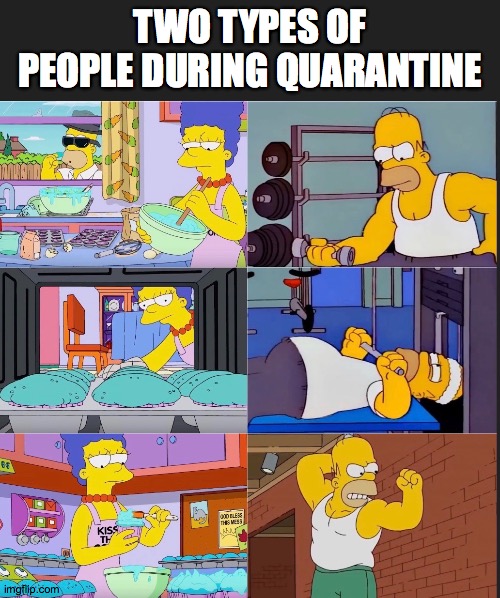
During the Covid pandemic, you may have seen the memes for how there are two types of people during lockdown. First there were those who used lockdown as an excuse to exercise more, eat well, and generally take care of themselves in a manner of which they had never had the time for previously. Then there were those who out of sheer boredom, decided to drink and order takeaway on more days than not as it was ‘something to do’.

As you can probably guess, I very much fell into the second category.

To my detriment, takeaways typically sell food which is relatively cheap, high in calories, low in nutritional value, and (annoyingly) very appetising; all delivered to your front door in a matter of minutes. Now I don’t want to come across as anti-takeaway, or anti-business, there is a place in our society for unhealthy food, nor do I blame anyone else for my questionable dietary choices. However, I’m sure most of us agree that we can have too much of a good thing at the impairment of not only our own health, but also the health of the high-street.

Apparently I’m not the only one who is too easily tempted by takeaways, with local governments implementing planning regulations to further prevent this takeover-of-takeaways, in the knowledge that our willpower is often lacking. You’re likely familiar with some of the rules already in place, such as no takeaways within 200m of a school, or that most restaurants and pubs can only provide takeaway food on an ‘ancillary’ basis.

However, with the Covid-19 lockdowns pubs and restaurants lost their ability to trade. In an attempt to combat the potential loss of business, the government introduced new temporary measures allowing these businesses to trade as takeaways, without needing to apply for planning permission. In other words, my options for takeaway just increased threefold, and by ordering-in I was ‘doing my bit’ to keep businesses open.

As we were now stuck indoors, every occasion was now an excuse for a takeaway; Birthday? Takeaway. Passed Uni? Takeaway. Anniversary? Slightly fancier takeaway with cocktails (highly recommend).

With these temporary regulations in mind, we consulted with various planners, public health leads, and environmental health officers from across the North East, to better understand how these regulations were impacting their roles, alongside any public health trepidations they may have (if my diet alone wasn’t enough cause for concern).

The main theme throughout our conversations was an overwhelming sense of uncertainty. Covid had an unprecedented impact on the priorities of local authorities. Because of this, they could not organise the infrastructure needed to identify how many businesses were choosing to trade as takeaways. Even today as we slowly return to a sense of normality, the role of collecting this data appears to be unassigned as authorities play catch-up on work lost to Covid. Therefore, as you can imagine, gauging the impact of these regulations became very challenging and speculative. There was also uncertainty around how and when these regulations would end, or what elected members planned to do (if anything) about the potential long-term consequences to health.

Surprisingly, the main finding from our research had little to do with the regulations themselves, but rather how Covid has accelerated change in the takeaway landscape. During Covid, we all developed new habits (for better or worse); one of which was the use of online delivery services such as Deliveroo and Uber Eats.

Despite the temp Covid regulations now ending, with these delivery services, many businesses that could not originally offer takeaway now can, and local authorities have limited ability to prevent them from doing so since they aren’t technically providing the deliveries themselves. A quick search on Deliveroo in Middlesbrough for example offers me delivery for Burger King, Starbucks, and Creams Cafe. None of these options are well-known as takeaways, but all now provide the delivery of unhealthy food. And although these services were technically available pre-Covid, the pandemic has led to a huge increase in their popularity, allowing for more unhealthy-food options and the changing of shopping habits. There are also traffic implications. Have you ever tried to walk through Liverpool city centre during lunch hour? Attempting to dodge Deliveroo riders on their bikes as you stroll through town is quite the experience.

To summarise, the Covid pandemic had an unparalleled impact on public health professionals, to the extent that the government implementing new regulations regarding takeaways was considered low priority. Ambiguity surrounding the impact of these regulations remains, with the ending of the regulations becoming somewhat nullified given the rise of online delivery.

In conclusion I offer some advice. if you’re trying to eat healthier, writing a blog post on takeaways whilst doing ‘research’ on Deliveroo, might not be the wisest of ideas – speaking from experience.

Friday, 13 May 2022

Planning for a healthier future?

Posted by Tim Townshend, Professor of Urban Design for Health, Newcastle University

Can we plan for a healthier future by intervening in the built environment? You may be surprised to find out this is not a new idea! Indeed, the very concept of Town Planning emerged in the last quarter of the 19th Century out of a concern for public health and to help prevent the spread of infectious diseases such as cholera.

Ebeneezer Howard - ‘slumless, smokeless’ garden cities

The resulting Victorian terraces, with fresh water supplies and internal toilets may seem unimaginative, but they were a huge improvement on what went before - and did indeed prove a boon to public health. What’s more many still provide decent homes today.

Early planning thinking was also dominated by a vision that the physical health attributes of the countryside – access to open space, clean air and fresh food could be combined with social and economic (mental health) benefits of the city – including opportunities for education, access to culture and wider social contacts. Such thinking is typified by the Garden City Movement associated with Ebenezer Howard and realised - at least in part - in towns such as Letchworth in, Hertfordshire.

Health was at the core of planning for much of the 20th century, however, in the post-war period it became eclipsed by other issues - particularly the need for economic regeneration. Consequently, the health and well-being impacts of the way our towns and cities were developing was not considered carefully enough.

“...primarily designing around the needs of the private car - rather than humans - has been a disaster.”

In retrospect, primarily designing around the needs of the private car - rather than humans - has been a disaster.  Busy roads now cut noisy polluted swathes through communities; poorer neighbourhoods find themselves served by ‘toxic high streets’ – a deadly mix of nutritionally poor food, subprime financial services, betting shops and other potentially harmful outlets; and vast tracts of poor-quality new build housing - devoid of adequate open space, or local services - have been constructed in the suburbs.  At the same time rates of obesity (and associated health/well-being consequences), respiratory and so-called ‘lifestyle’ diseases have all soared. Moreover, these impacts are not felt equally across all neighbourhoods, and health inequalities unjustly burden the poorest in society.   

 Interlinked themes explored in Healthy Cities? Design for Well-being
It does not have to be this way, however. We can plan for a healthier future and create places that support individuals and communities to take healthier lifestyle choices. In ‘Healthy Cities? Design for Well-being’ I explore five inter-related topics and the ways in which the goal of a healthier future can be achieved.

There is for example a large and robust evidence base around our need for urban greenspace (as was highlighted so graphically during the COVID-19 lockdown period). Green (and blue) spaces in our cities not only facilitate physical activity and socialisation (positive for physical health and mental well-being) but can mitigate against issues such as, air and noise pollution, ‘heat islands’ (the significant heat increases in urban areas as compared to their surroundings) and alleviate flood risk. Crucially, however, greenspaces have also been shown to reduce stress levels and help restore cognitive capabilities - for example concentration levels - just by being there.  

Planning policies can also be used in conjunction with public health goals to tackle specific health issues. A great example of this, is the development of planning guidance and regulation to tackle the further spread of hot food takeaways – a key component of my ‘toxic high street’ concept, which I explore in more detail in the book.  While planning cannot tackle existing businesses it can limit further spread, especially in sensitive areas – for example near schools, as research has proven the link between hot food availability and overweight/obesity in older children. Issues we will explore at the Fuse Research Programme Meeting “Planning for a healthier future: Priorities and Practicalities” on May 18, 2022, at Teesside University (and available online).

Therefore by encouraging those aspects of the built environment that support healthy lifestyle choices, while constraining those aspects we know are linked with less healthy lives, healthier places are within our grasp – but this can only be achieved if we collaborate across disciplines and garner the political support required to make it happen!


Healthy Cities? Design for Well-being is available to order now


Image:

1. Howard, Ebenezer. "Diagram of a group of slumless smokeless cities.". 1898. From Ebenezer Howard, "To-morrow: A Peaceful Path to Real Reform" [London, 1898]. https://www.aaeportal.com?id=40518. Web. 12 May. 2022.

Friday, 17 April 2020

What is the recipe for a happy retirement?

Independence, identity, planning and staying socially connected says Anastasiia Fedeeva, Postgraduate Researcher, from Northumbria University


For the last two and a half years, I have been working on a PhD that aims to promote wellbeing and physical activity in retirement. Over this time some people have asked me whether I ever felt too young to understand what retired people might need to live their lives better. I must admit that is a fair question but not just because of the potential age difference with my target population.
 
First, before designing and implementing any initiatives to promote wellbeing or physical activity, it is recommended that you have a good knowledge of the people that you want to help; their needs, preferences, and feelings (Laverack, 2017). Furthermore, retirement itself is a unique and complex phenomena. Retirement experiences vary considerably between individuals and are influenced by a variety of contextual factors, for example the characteristics of a job, personal health, social networks, or whether a spouse is working (Wang, 2007). Therefore, it is important to understand the gaps in what can predict positive retirement (Amabile, 2019; Van Der Zwaan et al., 2019). One way to explore retirement more comprehensively is by conducting qualitative research to find out about the experiences of retirees, as this allows us to identify the key ways in which people adapt to a successful retirement in connection with individual and contextual factors. That’s why I spent several months last year conducting focus groups and individual interviews in order to better understand psychological predictors of retirement adjustment such as people’s attitudes, feelings, and behaviours.
 
To understand what is so good and bad about retirement, it is important to recognise what people leave behind after quitting their jobs. Work brings a lot of positives to our lives and this is not only limited to our finances. Among the most common benefit is the feeling of belongingness and connectedness with our colleagues. Retired people can be very concerned about losing valuable connections from their previous employment. For some, work may be the main source of social interaction, and those people might feel particularly vulnerable in retirement. 
 
Another positive aspect of work is in giving us an identity. If you ask people: “Who are they?”, very often the first answer would be related to the person’s work role. As people leave employment, they can no longer define themselves by their professions, and it brings the question: “Who are they now?” Although work identity can be substituted with other roles, such as those that are family or hobby-related, this process might take some time and individual effort. For those with a particularly strong attachment to work, such identity transition can be very challenging. 
 
However, one benefit associated with retirement that many look forward to, is increased freedom and independence. Most are excited to have the opportunity to finally live in accordance with their own preferences and choices, free from work-associated obligations and routines. This desire for independence seems to develop beyond just freedom from work commitments. Retired people value independence in other areas of life as well, and sometimes this even takes precedence over the importance of social connections. One reason can be that people of retirement age have already had all variety of commitments, including work and family responsibilities, and retirement is viewed as a relief from that. Another possible reason is that retirement is seen by many as the beginning of ‘old age’. As individuals acknowledge age-related health decline, they start appreciating physical and mental independence more than ever.
 
Additionally, some recently retired people see creating a new routine as another restriction to their freedom but planning day-to-day activities can be beneficial for wellbeing in the long-run. Planning seems to enable a better use of this increased freedom by helping retirees to participate in different activities of their choice. Thus, establishing new routines can be remarkably empowering as they foster feelings of control, sense of purpose and self-value, that “I’ve got my life back!”. 
 
As such, regardless of the differences in experiences and expectations, social connectedness, independence, successful identity transition, and planning activities in retirement appeared to be important for the vast majority of my participants. These findings supported and added to our ideas on how to promote healthy retirement. 
 
Personally, I feel privileged to have shared in the stories of retired adults. This has made me feel much closer to them – they aren’t ‘just participants’ anymore but real people who have gone through life’s joys and struggles. I have realised even more that despite the generational, cultural, and life experience gaps, we might just be looking for the same things that contribute to our happiness and wellbeing after all.
 
  
References:
  1. Laverack, G. (2017). The challenge of behaviour change and health promotion. Challenges, 8(2), 25. Retrieved from: https://www.mdpi.com/2078-1547/8/2/25
  2. Wang, M. (2007). Profiling retirees in the retirement transition and adjustment process: Examining the longitudinal change patterns of retirees’ psychological well-being. Journal of Applied Psychology, 92, 455-474. Retrieved from: https://www.ncbi.nlm.nih.gov/pubmed/17371091 
  3. Amabile, T. M. (2019). Understanding Retirement Requires Getting Inside People’s Stories: A Call for More Qualitative Research. Work, Aging and Retirement. Retrieved from: https://academic.oup.com/workar/article/5/3/207/5521007
  4. Van der Zwaan, G. L., Hengel, K. M. O., Sewdas, R., de Wind, A., Steenbeek, R., van der Beek, A. J., & Boot, C. R. (2019). The role of personal characteristics, work environment and context in working beyond retirement: a mixed-methods study. International archives of occupational and environmental health, 92(4), 535-549. Retrieved from: https://link.springer.com/article/10.1007/s00420-018-1387-3

Image:
  1. "Your father's opted out of a dignified retirement." by Grizelda Grizlingham via University of Kent, British Cartoon Archive (Reference number: GGD1456, Published by: Spectator, 02 Mar 2018, with thanks to Copyright holder: Grizelda Grizlingham): https://archive.cartoons.ac.uk/Record.aspx?src=CalmView.Catalog&id=GGD1456&pos=23

Thursday, 12 March 2020

A decade of school food policy inertia

To mark International School Meals Day, we asked former-schoolteacher turned school food researcher Kelly Rose from Teesside University to reflect back on the progress of school food over the last decade.


As a former schoolteacher, now researching the secondary school food environment and adolescent dietary habits, it seems fitting to mark school meals day 2020 by reflecting on a decade of secondary school food policy.

Of late, ‘other’ focuses you could say, have overshadowed the important fact that our young people’s diets are nutritionally poor in the UK. But that begs the question, why are the population of future parents and workforce not a priority at all times?

Currently more than 91 million school children around the world are reported to be living with obesity, with the UK being in the top 20 countries for childhood obesity levels, doubling during the primary school years and increasing further into secondary education. The majority of adolescents in the UK have nutrient deficient diets, high in processed foods and very low in fruit and vegetables. With only 4% of teenagers meeting UK public health fibre recommendations, a significant concern given that dietary fibre is linked to a decreased risk of heart disease, type 2 diabetes and cancers. Furthermore, the health inequalities gap is a devastating burden of poor health for our children living in more disadvantaged areas and minority communities, in comparison to those from more affluent areas.

"In my research I have noticed a level of inertia on the evaluation or policing of school food policy this decade"

In my research I have noticed a level of inertia on the evaluation or policing of school food policy this decade, impacting on school’s healthy food choice offerings. Only the other day my friends 11-year-old daughter explained to me the best thing about her new (secondary) school was the food; “I can eat pizza and cookies every day” - oh dear. Kind of explains why our young people are generally low in at least five micronutrients essential for growth, development mood, reproductive health, energy levels and immunity.

2009 – The Nutrient based standards (NBS)

In 2009 the NBS were rolled out to secondary schools in England, after first being introduced into primary schools. Not only were these food standards focused on meeting young people’s nutrient requirements, but also the mapping of 4 areas of influence provided a framework for which to apply the policy across the nation (Haroun et al 2011). These were considered ‘the most detailed and comprehensive in the world’ (Harper and Wells 2007; Evans and Harper 2009). Plus the Initial evaluations were encouraging (Adamson et al 2013; Stevens et al 2013). However, the NBS was for some a ‘complex task’ to implement (Rose et al 2019).

What happened in 2010?

A change in government (the introduction of the Coalition led by David Cameron) meant a change to school food. Firstly, any ‘newly established academies and free schools’ were not required to adhere to the NBS. A decision which some viewed as a deregulation of school food. Quite soon, school food standards were under review, and in 2013 the School Food plan (SPF) developed by Henry Dimbleby and John Vincent (Long, 2019) was introduced.

The School Food Plan

Over the next few years we see SFP replacing NBS as a legal requirement for ‘all food served in most schools’ (Rose et al 2019). Remember the decision in 2010 to release the new academies and free schools? Well, this means that these schools are still exempt from following the standards, however, some have signed up voluntarily. The aim of the SPF is to transform what children are eating in school and to support schools to create a ‘healthy school ethos’. The SFP is certainly visual, providing ease of use, and the comprehensive resources give schools checklists and guidance. But, here lies a problem, where is the school support system?

Part two of the decade

The first chapter of the UK childhood obesity strategy published in 2016 (DHSC, 2016) provided some recommendations and support for school health initiatives, for the most part within primary aged children. Then in 2017 two things of note happened. The School Food Trust integral to the systems mapping approach of the NBS had been an independent organisation since 2011 providing school resources and opportunities for research closed without funds to carry on. The second was an independent review (the Food Education and Learning Landscape review (FELL)) carried out by The Jamie Oliver Food Foundation. The researcher reported a vast difference in the approach to healthy eating and food education in secondary school environments, stating to be ‘alarmed’ at the state of the problems surrounding the “secondary school food environment”.

Chapter two of the Childhood Obesity strategy (DHSC, 2018) included a pledge to commit to support ‘all children with high quality nutrition’ by conducting consultations on nutrition within buying standards for school catering services and introducing ‘a healthy rating scheme’ allowing for ‘self-evaluation’, whilst also providing a more robust Ofsted framework. My issue as a former food and nutrition teacher/head of health education in a school with supportive leadership is that schools need support externally to evaluate and help develop menus and implement nutritious school meals. The capacity, knowledge and often willingness of school leads, along with the lack of monitoring of adherence to school food standards remain huge barriers to effective school food provision.

2020 current picture

This is where we find the current school food picture in England, no real change from 2018. Awaiting the healthy school’s framework and a priority to be placed on school food provision policy. And, in the meantime social norms of poor teen diets are becoming more and more acceptable, healthy food is so ‘uncool’ to a teenager’s street cred. With the myriad of fast food options on the ‘School fringe’ less expensive and more convenient, thus appealing to the innate biology and the impulsivity of teenagers. A plan to shift teen risk perception of unhealthy eating (i.e. behaviour change) as well as consistency in following the SFP is needed.

A big question

The big question here is why has there been no evaluation of the SFP? There is limited evidence of schools following the school food plan. School staff and leaders have in my mind the most strenuous roles in terms of juggling priorities and educating young people. To expect schools to take on the huge role of making sure food provision meet the nutrient requirements of the nations young people without support is to my mind crazy and as we see presently, will not work…


About Kelly:

Kelly is a registered nutritionist and a former school teacher, currently investigating ways to reduce the obesogenic environment with a secondary school food focus as part of her PhD. She is passionate about the impact of nutrition on adolescent health and has spoken locally, nationally and internationally on the topic of school interventions and the importance of social influence on food choice and the impact of nutrition on mood and behaviour. Kelly is registered with the Association for Nutrition (AFN), a member of Plant based health professionals UK, Nutrition Society, British Nutrition Foundation, Fuse: the Centre for Translational Research in Public Health and The Association for the Study of Obesity.


Adapted with thanks to Food Active


Image: 'primary school, lunch, break, school, activities' by Amanda Mills, USCDCP via PIXNIO (https://pixnio.com/people/children-kids/primary-school-taking-their-daily-lunch-break-during-their-school-day-activities) (Personal & commercial use (CC0).

Friday, 14 February 2020

Uniting planning and health to tackle obesity

Public Heath England (PHE) has just published practical guidance, informed by Fuse research, for local authorities wanting to use the planning system to improve public health. In this blog post Andy Netherton and Michael Chang, from PHE's Healthy Places Team, tell us how they hope the guidance will be used to tackle obesity.


Obesity is a modern day public health challenge that cannot be met by a traditional scientific approach alone. Tackling obesity levels in England requires action by national and local government, health and social care, non-governmental agencies, communities and individuals – a whole system approach.

Traditionally the vast majority of public discussion and state campaigns target individual level behaviour change and treatment. This does not address the environment in which we live, that influences the decisions and actions that we make; things such as what we eat, whether we exercise, how we travel to work, how we interact within the community and if we have access to and use open spaces.

These physical environmental factors can be influenced by national and local policy and action. State led interventions are difficult to put into place due to the need for evidence within complex social and environmental determinants. The difficulty to isolate evidence related to these interventions and local government capacity to balance competing demands results in an inconsistent approach to policy adoption.

The use of planning policy and development management is a clear example of an intervention to tackle obesity which is not yet consistently applied across the country. Practice across the country has shown a diverse range of approaches in local plans and planning appeal decisions which has taken over 10 years to develop, but is now accelerating.

Figure 1 – Charting the use of planning for healthy weight environments


This policy to implementation lag has to be seen in the context of an increasing obesity challenge, both in terms of prevalence and health inequalities.

Figure 2 – key obesity data and trends

Statistics on Obesity, Physical Activity and Diet, England, May 2019 - NHS Digital, Government Statistical Service


Is the reason down to the nature of local evidence provided or the knowledge of the individual local authority teams, planning inspectors or the wider planning regime?

This was recognised within the Childhood Obesity: a plan for action, Chapter 2. The challenges it identified, included the proliferation of fast food outlets, less active travel, limited access to green spaces and physical activity; and these factors create an environment that makes it harder for children and their families to make healthy choices, particularly in some of our most deprived areas.

The Childhood Obesity plan confirmed that local authorities have a key role in tackling this challenge and pledged support:
  • to make sure that all local authorities are empowered and confident in finding what works for them, and;
  • to develop resources that support local authorities who want to use their powers and provide up to date guidance and training for planning inspectors. 
In response Public Health England (PHE) has released guidance on using the planning system to promote healthy weight environments.

Previous research by PHE (Spatial Planning and Health: Getting Research into Practice (GRIP) study report) identified that local authorities would benefit from support that reduced the need for resource input, for example reduced duplication to create policy and practice. This publication is aimed at getting knowledge into action by providing guidance and a template supplementary planning document (SPD), one of many planning levers available to local authorities, that can be used by local authority planning and public health teams. It answers the following questions:
  • What is the current evidence base linking the built and natural environment and healthy weight? Specifically, can the local food environment influence diet and obesity?
  • How can the planning regime be used to promote healthy weight environments?
The publication identifies the background work necessary in order to comply with planning policy development, where the key is the use of local evidence and consultation. It specifically provides guidance on the use of the 400m exclusion zone for hot food takeaways, features of the built environment and building design that promotes physical activity, use of green space, allotments and neighbourhood design.

The provided supplementary planning document (SPD) is a starting point that requires local content and policy to be added. It can be used as a whole or parts selected on local need or to dovetail to existing local policies. Clearly this intervention is one intervention that must be used within a wider national and local obesity strategy.

There remain challenges to promoting a healthy food environment, for example the impact from the rise of industrial kitchens for food delivery must be monitored. Work must continue to influence the energy and compositional content of other food options and build our homes and neighbourhood to allow people to more active.

This publication provides guidance on a practical evidence based intervention that draws together several professional groups within a local authority. Gateshead Council have successfully adopted and defended on appeal, controls on hot food takeaways as part of a wider approach to tackling obesity and promoting healthy weight environments. It is hoped that for many areas working together to tackle obesity will provide confidence to further unite planning and health. It moves the debate from a deficit model of obesity to an asset based (salutatogenic*) approach to promoting healthy weight.


*Israeli-American sociologist Aaron Antonovsky coined the term "salutogenesis" to describe an approach which focuses on a positive view of wellbeing rather than a negative view of disease.

Friday, 14 June 2019

Battle planning to reduce childhood obesity

Michael Chang, Co-founder, Health and Wellbeing in Planning Network

Latest statistics show that obesity prevalence is highest in London, the West Midlands and the North East and there is a significant gap in children living in the most and least deprived areas. So I am supportive of Local Planning Authorities (LPAs) using relevant planning powers at their disposal to promote a healthier food environment to help reduce childhood obesity levels and close the inequalities health gap.

Here I want to reflect on efforts by councils to introduce planning policies and guidance to manage unhealthy food environments around schools and other educational settings. It follows on from a previous blog on whether councils have what they need to help tackle obesity?

The context of this blog is the recent session from the draft New London Plan examination on draft Policy E9 C which seeks to control proposals containing hot food takeaway uses (A5 class use in planning terminology) within 400 metres walking distance of an existing or proposed primary or secondary school. Many other local authorities are proposing similar policies and undergoing similar stages of the local plan in the North East and other parts of the country.

The London Plan is the Mayor of London's strategic planning document and sits above individual borough Local Plans. It sets out 'issues of strategic importance' (note terminology used) for all of London while individual borough issues are dealt with at borough level. It is a powerful and influential planning document for borough level planning policies and planning decisions across the 32 London Boroughs and the City of London. It is as upstream as you can get in terms of policy influence. Other areas with Combined Authorities or joint planning units will also be developing these strategic planning documents.

London Plan examination held at London City Hall
What is an examination?

Draft policies need to be tested through an ‘examination’ before they can be adopted by councils. Don't let the terminology put you off - essentially an independently qualified person(s) from the Planning Inspectorate carries out an inquisitorial process on whether to accept, suggest revisions or reject the proposed policies. Often policies on takeaways fall at this hurdle and are subsequently watered-down or deleted altogether.

Policy approaches to managing fast food takeaways

Fast food takeaways, in planning terms in England (Wales, Scotland and Northern Ireland will have their own variations of the use class classification), is a specific use class - A5 - for selling food to be consumed off the premises. Planning permission is needed for change of use to A5 from other uses such as a hairdressers. There are many 'planning' approaches to managing fast food takeaways and only recently have the approaches been influenced by a need to tackle public health issues such as obesity. Latest research by Keeble at al. found 50.5% of LPAs had a policy specifically targeting takeaways with 34.1% focused on health. Planning Practice Guidance, Health and Wellbeing Paragraph 6 sets out examples of approaches for consideration including over-concentration and proximity to certain activities.

Opposing arguments

There are opponents to takeaway policies who believe them to be overly restrictive. Their arguments have some merit, particularly against economic reasons in areas desperate for economic activity. I would suggest policies can be justified as part of a package of policies to tackle unhealthy environments as well as prosperous diverse local economies. Common themes from those opposing include:
  • "The policy does not meet National Planning Policy Framework (NPPF) soundness tests"
  • "There is no objective evidence for any link between the incidence of obesity and the proximity of hot food takeaways to schools" 
  • “Obesity is complex and you can’t narrow it down to just takeaways”. 
  • "The local area has the lowest percentage of overweight or obese children" 
  • "There are unintended consequences for local jobs and employment" 
  • "The policy would limit consumer choice and access to retail" 
  • "The policy would also ban healthy takeaways and does not address unhealthy food sold in other non-A5 outlets".

Hold your ground: defending a 'sound' takeaways policy

This singular policy issue or public health intervention of managing takeaways is deceptively complex, and battles are taking place up and down the country as councils defend the soundness of policies against objectors as well as the probing questions from inspectors. When defending a takeaway policy, there should be a combination of the following:
  • Valid consideration: Be confident that efforts to tackle obesity through the environment can be a material planning consideration.
  • Planning basis for obesity: Recognise that the NPPF requires planning to consider all three social, economic and environmental factors equally. But make sure there are priorities on tackling obesity through the environment in local health strategies. 
  • Local evidence: Do your research and build up a local evidence base, including the use of up to date data and mapping to demonstrate the scale and location of the problem. This should also include knowing the background of those who operate local businesses – independent or chain. 
  • Whole systems approach: Take a corporate approach by referring to programmes such as promoting healthier catering, food growing and education to demonstrate the action is part of a cross-council initiative. Also demonstrate you are planning for a healthy weight environment, and that the takeaways policy is an important part of the jigsaw. 
Researchers, local government and national agencies are aware of these practical challenges hindering local action to make it less easy for kids to become overweight. Concerted efforts and peer support are needed so let’s keep the conversations going.


References:
Image: