Showing posts with label vulnerable groups. Show all posts

Friday, 17 May 2024

Animating practitioners to take action on stigma

Matty Starforth, Public Health Practitioner-Harm Reduction and Social Inclusion Portfolio, Newcastle City Council

“Stigma, stated simply, is a set of negative and often unfair beliefs. Stigma can be experienced on a societal, structural and personal level. It is employed largely unconsciously but at times also consciously”. 
Anti Stigma Network


Stigma is often a word that is associated with harm but it is important to recognise that stigma can have a huge impact on individuals and groups in society. From my own professional experiences, I am aware, like many of my colleagues and partner services are, that the harms of stigma can include and are associated with inequality, disadvantage, discrimination. Stigma increases stress, shame, depression, isolation, and can lead to the avoidance of healthcare and decreases treatment engagement and retention for individuals and groups.


It’s clear that there is a need to address stigma and embed an ‘anti stigma approach’ as part of the work we do to tackle inequalities, but doing so can be challenging. While people tend to be generally aware of the term stigma and how this can affect individuals, there is often less understanding of the depths that people go through to avoid and overcome the stigma they experience, such as not attending appointments or seeking the help or support they deserve. There is also less awareness of the steps that we can all take as individuals to not only avoid stigmatising people through our language and practices, but also actively speak out and promote an anti-stigma approach more widely.

What we are doing about it

To address this, we have had several areas of work in Newcastle upon Tyne looking to raise awareness and address some of the harms of stigma on others. This started with the publication of Drugs, Identity and Stigma and ongoing discussions about changing how we focus on people who use drugs or alcohol and the language we use for those facing multiple disadvantage and exploitation. Academics, policy makers, public health and key stakeholders, from working together on various research, came together to deliver a practitioner conference, improve practitioner training, development and networking and production of a practice briefing, stigma animation and a planned education package. All of this has been informed by lived experience.

In May 2023 we worked with partners to hold a conference to over 320 practitioners, service providers and community members from across the region. The Stigma, Trauma, Substance Use and Domestic Violence Conference involved a range of international, national and regional researchers and academics including a keynote talk from international anti-stigma lead, Professor Carla Treloar. The Conference was designed to promote knowledge exchange and good practice of Anti-Stigma work from across the region. A practice briefing that was developed from the event can be found here. A key theme in the discussions has been around vulnerability and exploitation, and partners have worked together, from research developed by the University, to produce animations around exploitation and home takeover. Research into practice improvement. Two artists were employed to capture the key themes and discussions of the conference as a visual (see below) which could then be shared with services.

Visual capturing the key themes and discussions of the conference

Developing the stigma animation

From this work, we explored how we can explain the ongoing theme of stigma and its impact. A recent project that I have coordinated, in collaboration with university colleagues, is the production of a stigma animation which you can see above. Aimed at practitioners and volunteers, this will help raise awareness and become a key resource to support the work and objectives we have within Newcastle Public health, and also the wider local authority. The animation has involved consultation and input from a range practitioners, service users and individuals with lived experience of stigma. At each stage of the animation production, I have attended the Newcastle Service User and Carer forum. Inclusion of those with lived experience of stigma was essential in these discussions and has been key in helping to shape the direction and design of the animation, particularly in relation to service needs and solutions.

A key challenge during this work has been ensuring we produce an animation which doesn’t unintentionally stereotype or stigmatise individuals through the imagery used. There has been a lot of thought-provoking conversations and discussions which have led to both personal and professional reflections. For example, figures in early storyboard drafts of the animation which were uniformly male and able bodied were subsequently changed to be more inclusive and represent a diverse range of bodies. Throughout the process there have also been a lot of discussion in relation to the language that we use to support the imagery. Some key insight was gained from the Newcastle Service User and Carer forum where participants identified examples of where they had felt stigmatised through language and how potential changes could have changed outcomes. These examples have been included within the animation to highlight the impact of language.

We plan to share the animation across a range of practitioners working within fields such as drug and alcohol, mental health and wider health and social care roles. This will support the drive to encourage sign up to the Anti-stigma network and prompt organisations to develop an anti-stigma strategy for their workplace. Alongside this we wish to support practice improvement by developing a stigma education package, which the academics are leading on, and which we hope to eventually deliver through an educators by experience model.

Addressing stigma will require individual and collective action from all of us, and so we urge you to please watch and share the animation, use the resources available, sign up to the Anti-Stigma Network and help us to spread an anti-stigma approach.

Background and context

Addressing stigma is a key priority in Newcastle upon Tyne. In 2022 the Director of Public Health report stipulated that policy and practice should ensure health improvement is free from stigma. This issue is also gaining National traction, with the Office for Health Improvement and Disparities (OHID) recently announcing the project ADDER stigma indicator programme and currently adapting Professor Carla Treloar’s (University of New South Wales) Australian stigma indicator and monitoring model for the UK. The NHS Alliance Stigma Kills campaign has recently been rolled out, with the North East and North Cumbria Integrated Care System (ICS) backing this campaign for our region. The Anti Stigma Network has also recently formed to raise the profile and awareness of stigma, especially the impact on people who use or have issues with drugs and/alcohol.

Friday, 21 October 2022

Stigma: Where’s the Harm?

Posted by Dr Michelle Addison, Assistant Professor, Durham University

Stigma is a knotty, ugly problem we have in society: it marks out (often painfully) what is considered shameful, abject or contra to social norms, and impacts vulnerable and marginalised people the most. It seems intuitive to say it is unfair and unjust, but why then does it persist? 

Discussions of stigma are not new; we are all generally aware that stigma is something to be avoided and we could all very likely give some examples of it in action – benefit claimants, people who use drugs and ex-offenders are often easy targets and regularly feature in news headlines because stigma continues to be sensational – it elicits a voyeuristic feeling that is both intoxicating and a warning to us too. The use of stigma is further exacerbated by the ‘Cost of Living Crisis’, ‘Rising Interest Rates’, Fuel and Food poverty, and the withholding of the Government White Paper on Health Inequalities. We understand then that stigma is harmful, and yet we recognise it is powerful to those who can wield it.  

Erving Goffman discussed stigma using the concept of the ‘spoiled identity’ whereby certain aspects of who you are become discredited and devalued in his now infamous work Stigma: Notes on the Management of Spoiled Identity (1963/1990). This notion of a spoiled identity is also implicit in his observations of patients residing in ‘asylums’, the conditions impacting these people, and the roles of those working there (1961). Indeed, Goffman was acutely interested in the medicalisation and performance of roles in these settings and how behaviour was shaped by social expectations of ‘in-mates’, ‘guards’ and ‘medical staff’. The treatment of patients, he noted, was complexly bound up with expectations of socially acceptable roles and the reinforcement of discredited behaviours and identity.

What we learnt from this is that stigma matters in the social organisation and hierarchies of people and places in medicalised and wider social settings. But what tends to fly under the radar in early stigma research is the question of ‘in whose interests’ does stigma serve?  Professor Imogen Tyler later critiques Goffman’s work (2020) in her book ‘Stigma: The Machinery of Inequality’ for overlooking the power relations that are integral to how we understand stigma, and why indeed, stigma continues to persist. Tyler shows us that there is a ‘craft’ to how mechanisms of stigma operate and function to maintain political power and a social order that hinges on systemic and structural inequalities around class, race, gender (and not limited to) to reproduce privilege for the dominant factions. This is a hugely important step in stigma research because it draws attention upstream to how and why stigma is weaponised (Scambler, 2018) and the social harms that impact marginalised and minoritised individuals and communities in society – which is the subject of my forthcoming article (Addison, 2023). This is further evident in the recent Stigma Kills (2021, 2022) campaign launched by the NHS Addictions Provider-Alliance which gives credence in particular to the impact that stigma has on the health and wellbeing of those communities that are most harmed through health and social inequality.

This growing concern about the effects of stigma on health and wellbeing, arising out of social harm, led to our recent Fuse event Inequalities, Social Harm and Weaponised Stigma: Emerging Research and future priorities which brought together academics, practitioners and the public to discuss these key issues. I presented work from my Wellcome Trust research looking at stigma and how this relates to health inequalities amongst people who use drugs. In this study I highlight how the weaponisation of stigma is harmful, negatively impacts physical and mental health, and inhibits health seeking behaviours for fear of being judged and marginalised by service providers and the wider public.

Joanne McGrath discussed her NIHR funded research into women living with multiple disadvantage and complex needs and how they access services. In this talk she highlighted how escalating problems around homelessness, stigma and deteriorating physical and mental health have a cumulative impact in women’s lives.

Our ‘expert by experience’, Margaret Ogden, shared moving insights into the effects of stigma on her own life and how her mental health was harmed as a result.

Later, Mark Adley discussed his Doctoral work (which is funded by the NIHR Applied Research Collaboration (ARC) North East and North Cumbria (NENC)) and his recently published paper which explores stigma within-groups towards people who use the drug Spice. In this talk, Mark showed how intersections of identity mattered and how increased contact with people who used Spice helped to reduce levels of stigma. He highlighted the role of education programmes within service provision to help draw attention to the harms arising out of stigma and how practitioners might mitigate these effects.

This event was also an opportunity to launch our new Palgrave edited collection Drugs, Identity and Stigma (Addison, McGovern and McGovern, 2022). Our book calls attention to the impact of stigma experienced by people who use illicit drugs, and through this we show that stigma is powerful: it can do untold harm to a person and place with longstanding effects. Through an exploration of themes of inequality, power, and feeling ‘out of place’ in neoliberal times, this collection focuses on how stigma is negotiated, resisted and absorbed by people who use drugs. Dr Kelly Stockdale, a contributor to the book, spoke at our Fuse event and shared insights from our research into the challenges of navigating a custodial environments (prison and police) and the impacts of stigma from the point of view of people who use novel psychoactive substances (NPS). Collectively, our work in this area brings together a range of frameworks and data and draws attention to the damaging effects stigma can have on health inequalities, recovery, mental health, recidivism, and social inclusion.

Our knowledge and understanding of the harms that stigma does to health and wellbeing is still growing – as such, it is critical that developing stigma research becomes a priority in future inequalities research agendas, against a backdrop of political and economic crises. Whilst the social determinants of health are often tangible and measurable, providing the much-needed evidence base to tackle widening health inequalities, it is imperative that we think differently and critically about how stigma operates. In my own research I have tried to show that stigma operates at a symbolic level meaning it is not possible to treat stigma as something which is material and objective, to say ‘here is stigma’ – we must think more deeply about stigma as inscribed with meaning that becomes apparent through its effect on and between people (see also Addison, McGovern and McGovern, 2022).

I called this blog ‘Stigma: Where’s the harm?’ to be a little provocative to you, reader – on the one hand, stigma is so normalised in our society that we forget to see it, so I encourage you to pause and reflect on where the harm resides – like a million little paper cuts, stigma is painful and gets under the skin doing very real harm. On the other hand, my question is also a call to action to understand how and why stigma is weaponised, and how it leads to social harm amongst under-heard and underserved people. It is my strong belief that this is vital work if we are to tackle and reduce widening health and social inequalities right now.  


References:

Addison, M. (forthcoming, March 2023) ‘Framing Stigma as an Avoidable Social Harm that Widens Inequality’ in Emery, J., Powell, R., and Crookes, L. (eds.) The Sociological Review Special Issue

ADDISON, M., MCGOVERN, W. & MCGOVERN, R. E. (eds.) (2022) Drugs, Identity and Stigma, Houndsmill, Basingstoke and Hampshire, Palgrave Macmillan.

ADLEY, M., ATKINSON, A. M. & SUMNALL, H. R. (2022). Including the multiply excluded: a mixed methods study exploring intragroup stigma towards people who use synthetic cannabinoid receptor agonists. Drugs: Education, Prevention and Policy. DOI: 10.1080/09687637.2022.2025766

GOFFMAN, E. (1990) Stigma: Notes on theManagement of Spoiled Identity, London, Penguin Books

GOFFMAN, E. (1961) Asylums: Essays on the Condition of the Social Situation of Mental Patients and Other Inmates, London, Penguin Books

SCAMBLER, G. (2018). ‘Heaping blame of shame: 'Weaponising stigma' for neoliberal times’. The Sociological Review Monograph, 66, 766 - 782.

SINGH, S. (2019) available at: https://samiasingh.com/

TYLER, I. (2020). Stigma, The Machinery of Inequality, London, Zed Books.


Images:

1) Artwork by Samia Singh, https://samiasingh.com @samiasingh_art

2) Book: Drugs, Identity and Stigma, © 2022 Springer Nature Switzerland AG. Part of Springer Nature, ISBN : 978-3-030-98285-0, https://link.springer.com/book/10.1007/978-3-030-98286-7#about-this-book

Friday, 28 May 2021

What came first, food insecurity or severe mental illness?

Posted by Heidi Stevens, Research Associate, Teesside University, and Jo Smith, Consultant Dietitian and Clinical Academic, Tees, Esk and Wear Valleys NHS Foundation Trust 

Well before the current COVID-19 pandemic hit our shores, it was already apparent that food insecurity was an emerging issue in the UK. In 2014, the Children’s Society presented evidence to an All-Party Parliamentary Group (APPG) to raise awareness of the issue. Four years later after a visit to the UK, Special UN Rapporteur Sir Phillip Alston highlighted the increase of people depending on foodbanks across the UK. Despite these high-profile reviews of the evidence, it has taken a pandemic and the persistent efforts of a professional footballer to thrust the circumstances of food insecurity in children firmly into the spotlight. 

Marcus Rashford has led campaigns to end child food poverty over the course of the pandemic


While the issues around food insecurity and the longer-term detrimental implications of this for children are now well documented, the implications of food insecurity in other vulnerable groups have been seldom considered. Research has documented the effects of food insecurity on mental health, but less is known about the impact of food insecurity specifically on those with existing severe mental illnesses (SMI) (ie. bipolar disorder and schizoaffective disorders). For example, research has shown that people with a mental health diagnosis face an income gap as high as £8,400 per year compared to the general population. Additionally, almost 25% of food banks have reported an increase in the number of people with mental health conditions accessing them. However, this does not distinguish between mental health conditions and severe mental illness which can be complex to manage often impacting every aspect of a person’s daily life.

Public health guidelines encourage a balanced diet, for a healthy lifestyle. But when faced with financial constraints, food purchases are often restricted to poorer quality foods which are more accessible on lower budgets. Research by Jones et al. (2014) found an average price disparity of £2.50 per 1000kcal of less healthy food products versus £7.49 for more healthy food products. The study classified food products in their data set (basket of food) according to the Eatwell Guide to include carbohydrates (bread, pasta), fruit and vegetables, dairy, protein (meat, beans) and high fat/sugary foods.

Cheaper foods may often be high in salt, saturated fat and/or sugar, the effects of which on long-term health are well documented. However, for people with SMI there are also additional health risks because they may already be at risk of weight gain due to psychiatric medication. Additionally, for those taking prescribed lithium for bipolar disorder, too much salt in a diet can be very dangerous.

UN Sustainable Development Goal 2.1 ‘Zero Hunger’ challenges us to ensure access to nutritious and sufficient food for everyone but in particular poorer people and those in vulnerable positions. This certainly will not happen until we take a “Marcus Rashford approach” and use the current impetus from the COVID crisis to highlight the issue of food insecurity in other vulnerable groups of people, such as those with SMI. The syndemic nature of having severe mental illness in conjunction with food insecurity means these two factors may interact to further marginalise and disempower people with SMI and yet this remains an under-researched area worldwide. This potentially leads to food insecurity in those with severe mental illness being under-managed and under-supported in mental health practice. In order to achieve parity of esteem between physical and mental health it is essential that we understand the issues relating to food insecurity in this population group.

To this end, we are currently working on research aiming to assess the prevalence of food insecurity in adults with a diagnosis of SMI and explore their experiences for better understanding and increased exposure to the issues they face. Preliminary findings of our review of the available research on this topic (a systematic review) show a lack of targeted measurement for this group of people who are sometimes included as part of wider studies. The issue of cause and effect (or causality) is also often referred to; what came first, food insecurity or SMI? We hope our overall findings later this year will provide an overall picture of food insecurity in people with severe mental illness and potentially a basis for affirmative action.


Supporting authors: Lauren Bussey, Emma Giles and Amelia Lake from the School of Health and Life Science, Teesside University.


Image: 'Rashford Mural' by Rathfelder via Wikipedia, copyright © 2020: https://en.wikipedia.org/wiki/File:Rashford_Mural.jpg (CC0 1.0)

Friday, 15 January 2021

Tackling malnutrition during the pandemic and beyond

Posted by Megan McGuire, MSc Dietetics student, Teesside University

Part of our Fuse blog Student Series
The Fuse blog Student Series showcases posts by students who have been challenged to write a blog as part of their studies at one of the universities in the Fuse collaboration, the NIHR School for Public Health Research, or perhaps further afield. The authors may be new to blogging and we hope to provide a 'safe space' for the students to explore their subject and find their voice in the world of public health research.

As a dietetic student looking into public health and nutrition, it can often feel that the majority of policy focuses on the issue of obesity and ‘over-nutrition’. However, undernutrition, or malnutrition as it is more commonly referred to, remains a significant issue which is often overlooked in terms of policy.

Malnutrition is a term generally used to describe when your body is not getting the nutrients it needs to function properly. Good nutrition is important for every organ in our body, and therefore the consequences of malnutrition can be vast. This can include, increasing our risk to infections due to a weakened immune system and compromising our ability to regulate temperature, leading to hypothermia and potential organ failure of the heart and lungs (BAPEN, 2018a). Malnutrition can also make worse some of the things that cause it, such as social isolation, through its impact on mental health, including depression, anxiety and self-neglect (Public Health England, 2017). 

Malnutrition is unfortunately a common problem, particularly in those aged over 65, and is thought to affect over three million people in the UK at a cost of nearly £20 billion (Elia, 2015). In light of this, it is crucial that it can be easily detected within vulnerable groups, so that the devastating downstream consequences can be prevented.

Unfortunately, Covid-19 has made this all the more challenging. I know, from my personal experiences of remote dietetic placement working in the NHS, that one of the hardest things to find out via an online or telephone consultation is accurate height or weight information from the person on the other end of the line. This is not only pivotal for the majority of dietetic care, but also to the Malnutrition Universal Screening Tool (MUST), which can be used by any healthcare professional to determine someone’s risk of malnutrition (BAPEN, 2018b).

Current policy focusing on older adults, the people most vulnerable to malnutrition, tends to focus on strategies to promote ‘healthy ageing’, enabling wellbeing into later life (Age UK, 2011; WHO, 2012). There is, however, a lack of policy addressing malnutrition, specifically for those living in the community. Guidelines from the National Institute for Clinical Excellence (NICE) recommend screening for those within care homes and inpatient settings (NICE, 2012).

I feel that if more effort was put into community screening and early intervention, there would be fewer people admitted to hospital as a result of malnutrition, and therefore this is where public health efforts should be focused.

Whilst it may feel that Covid-19 is all anyone can talk about right now; I think we need to consider the impact it may be having on levels of malnutrition. Before the pandemic hit, there were already vulnerable people within the community who may have struggled to get out and about to do their shopping and care for themselves. The threat of a potentially deadly infection, for many, has driven them further indoors and into isolation. Alongside the direct effects of reduced access to food, due to venturing out less frequently and people ‘stockpiling’, there are also the psychological effects of the pandemic to consider. I know at times I have found lockdown challenging, so I can’t imagine how difficult it must have been for those living alone and feeling extremely isolated and vulnerable. Alongside issues of digital poverty too. Another point to consider is that these individuals may be less inclined to visit their GP or be seen by other healthcare professionals at these times, meaning that malnutrition is less likely than ever to be picked up.

The Patients Association Nutrition Checklist
So, what is the solution? We need to find a way to access the most vulnerable within society, at a time when staying indoors and away from others feels most safe. Public health policy needs to look at GP surgeries and ways in which they can target those who fall within the ‘at risk’ category. This could involve the use of digital technology, which has been shown to be successful in identifying malnutrition but may not be the best fit for those who can already feel isolated by a technology-driven world (Peek, Sujan & Scott, 2020). Another suggestion could be the rollout of the Patients Association Nutrition Checklist (2018), a less clinical, simple and easy to use tool which has been validated against MUST as a reliable method to detect malnutrition.

Whatever the approach, this is something I feel is underrepresented in the media and requires more public health attention in light of the pandemic. While I make sure to keep an eye on those around me who may be vulnerable to malnutrition, not everyone has that support network to fall back on and as a society, we ought to do more.


References:

Images:

2. 'The Patients Association Nutrition Checklist' courtesy of The Patients Association: https://www.patients-association.org.uk/blog/patients-association-nutrition-checklist

Friday, 13 November 2020

Supporting family carers of people living with dementia in a pandemic

Posted by Mark Parkinson, PhD in Health Psychology, Northumbria University

Social coping: offering family carers a lifeline in turbulent times
Despite our enduring efforts to battle COVID-19 and the headlines and attention the pandemic rightly warrants it is important not to lose sight of some of the separate public health issues which not only continue to grow apace in the background but may also be made worse by the social impact of the virus. Among the issues in danger of being overlooked is how the UK will respond to the growing number of people living with dementia which is set to reach one million by 2025.1

Presently, family carers provide the bulk of care and reliance on family care is becoming even more essential given the lack of formal care available2 and the Europe-wide shift away from reliance on formal care and towards ‘ageing in place’/ care in the community.3 However, a key issue is the high level of long-term stress family carers have to endure4 as a result of dealing with a combination of financial, social, mental and physical challenges over long periods of time and how this often leads to family care becoming unsustainable with reliance on formal care the only option. Family carers currently face a vicious cycle that threatens to derail family care itself-despite the wishes of carers and carees:


A key question is how this cycle can be avoided. Crucially, it is not the stress that threatens to derail family care, but how well family carers can COPE with stress. A critical coping strategy is carers’ capacity to seek out and receive effective emotional and practical support, particularly at times when they are most in need of it. This kind of coping strategy is called social coping (SC) and has been found to be effective in safeguarding mental health5 due to the positive interactions, support and assistance it can deliver.6

However, there is a pressing need to better understand what works to promote social coping. This calls for a deeper understanding of what helps or hinders SC and how this knowledge can be applied by providers of formal health and social services, together with the voluntary and charity sectors to promote social coping to make the family care of people living with dementia sustainable.

What we did

Our research, based on work carried out as part of a Fuse sponsored studentship, investigated ‘What works to support family carers of people living with dementia’. Coping7 and more specifically social coping8 was identified as important to ‘what works’ and this prompted follow-up post-doctoral research to investigate SC further. The findings (so far) can be found in our recently published article8 which highlights the need for formal providers to be aware of six key hindrances to family carers’ use of this important coping strategy:


Achieving a better balance between what helps and hinders the adoption of social coping is critical to promoting it and also pivotal to ensuring the long term sustainability of family care of people with dementia. The full report8 (briefly outlined here) was presented by the Chairman of Dementia UK to Helen Whately, the Minister for Care at Department of Health & Social Care, on 3 November. This is a work in progress and follow-up is already underway to reveal further insights into social coping theory. For example, how social coping might be used alongside other helpful coping strategies, the pinpointing of carer coping strategies that could be unhelpful in the long term, and the deeper exploration of how providers (health & social care, allied health care services and voluntary organisations) can put social coping into practice, including improving opportunities for carers and carees to socialise.

In the current climate it has never been more important to deepen our knowledge of coping and to separate carer coping strategies which are helpful, and lend themselves to making family care sustainable, from those that are unhelpful. Providing long-term family care for people living with dementia has never been easy, but the arrival of COVID-19 means family carers now need the additional lifeline of improved external support and the right incentives to accept this support9 if they are expected to navigate especially turbulent waters.


References
  1. Prince, M., Knapp, M., Guerchet, M., McCrone, P., Prina, M., Comas-Herrera, A. & Rehill, A. (2014). Dementia UK: Update Second Edition. Report produced by King’s College London and the London School of Economics for the Alzheimer’s Society. Retrieved from: http://eprints.lse.ac.uk/59437/1/Dementia_UK_Second_edition_-_Overview.pdf 
  2. Alzheimer’s Society. (2020). Facts for the media. Retrieved from: https://www.alzheimers.org.uk/about-us/news-and-media/facts-media
  3. Glasby, J., & Thomas, S. (2018). Understanding and responding to the needs of the carers of people with dementia in the U.K., U.S. and beyond. Birmingham: University of Birmingham Press.
  4. Fonareva, I., & Oken, B. S. (2014). Physiological and functional consequences of caregiving for relatives with dementia. International psychogeriatrics/IPA, 26(5): 725.
  5. Norris, F. H., & Stevens, S. P. (2007). Community resilience and the principles of mass trauma intervention. Psychiatry: Interpersonal and Biological Processes, 70(4): 320-328.
  6. Lee, C. Y. S., Anderson, J. R., Horowitz, J. L., & August, G. J. (2009). Family income and parenting: The role of parental depression and social support. Family Relations, 58(4): 417-430.
  7. Parkinson, M., Carr, S. M., Rushmer, R., & Abley, C. (2016). Investigating what works to support family carers of people with dementia: a rapid realist review. Journal of Public Health. DOI:10.1093/pubmed/fdw100.
  8. Parkinson, M., Carr, S.M. & Abley, C. (in press). Facilitating social coping-‘seeking emotional and practical support from others’-as a critical strategy in maintaining the family care of people with dementia. Journal of Health & Social Care, 00:1-12. http://dx.doi.org/10.1111/hsc.13159 
  9. Egan, K. (in press). Digital technology, health and wellbeing and the COVID-19 pandemic: it's time to call forward informal carers from the back of the queue. In Seminars in Oncology Nursing. https://doi.org/10.1016/j.soncn.2020.151088

Thursday, 24 November 2016

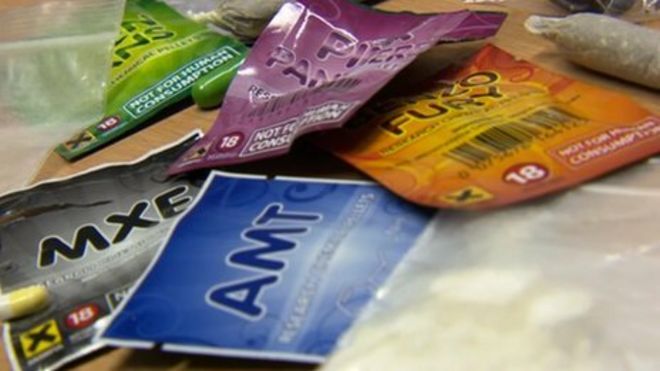
Novel Psychoactive Substances: “Cheap drug, better buzz for your money”

Posted by Fuse Associate Dr Michelle Addison, Institute of Health and Society, Newcastle University

At the beginning of November practice partners, police, health professionals, academics and service users came together at ‘The Core’ in Newcastle to discuss the impact and consequences of Novel Psychoactive Substances (NPS) – commonly known as ‘legal highs’. Before anything had even begun we had the BBC on the phone, asking if they could come and film us and interview people about NPS for their forthcoming Panorama show, airing in 2017. NPS is certainly newsworthy. It has captured the public imagination in a myriad of ways, sparking fears of an epidemic, concerns over the impact it is having on resources, and headlines from The Independent declaring Newcastle to be ‘Britain’s most addicted city’. How much truth is there in these claims and how much of this is just hyperbole? What impact are NPS having on North East England, and what are the consequences? We tackled these questions during the event, generating lively debate. These discussions were grounded in the most up-to-date research, as well as city-wide strategies to tackle NPS, and personal accounts of NPS use.

Image courtesy of the bbc website
But what are NPS I hear you ask? They’ve been around a while – they are a group of synthetic or plant based substances that mimic the effects of other more well know illicit drugs like cannabis, ecstasy and heroin – to name a few. They have become increasingly popular across most of the United Kingdom, but particularly in the North East. The law recently changed in the UK (26 May 2016) making it an offence to produce, supply, offer to supply, possess with intent to supply, import or export (including over the internet) any psychoactive substances. However, possession of NPS is not an offence except in a custodial institution. The debates during our event showed that the speed of change in this drug market and an increase in the reported associated harms of NPS have meant that they are a growing concern to local, regional and national bodies.

Professor Eugene Milne, the Director for Public Health in Newcastle Local Authority, opened the discussions by highlighting that NPS use is continuing to put pressure on available resources across emergency responders in the local area, that service providers are working hard to develop pathways to treatment, and that there are unknown long-term health consequences for this group of people. He spoke about the local and city-wide strategies that are currently being developed through a collaborative process within the ‘Task and Finish’ group focused on tackling issues around NPS use, distribution and management.

Dr Michelle Addison (that’s me!) and Dr Kelly Stockdale were up next to discuss our research, funded by N8 Policing Partnership, about the impact and consequences that NPS are having on police practitioners and substance users in the North East. We showed that NPS users are perceived to be extremely volatile in custody and the staff were concerned with managing risk – both to themselves and this vulnerable group of people. The custody nurse was viewed to be a great asset but users were still frequently transferred to A&E – creating a further resourcing challenge. NPS users felt that the substances were be highly addictive and linked to poor health outcomes. They were keen on getting help and treatment but were unsure about where to access this.

We were joined by Kieran Platts, Project Officer at Youth Homeless North East (YHNE). He gave a lively account of the really valuable work he has undertaken exploring young people’s views on NPS. This work was prompted by concerns raised through the housing and youth homeless sector who report finding it increasingly difficult to manage the impact of NPS on their resources and service users. Kieran added to the debate, saying that NPS are undermining the operational delivery of services for homeless young people and adversely effecting young people’s ability to address their individual housing and associated needs.

Professor Simon Thomas, from Newcastle University, talked about the toxicology of NPS – an elegant and accessible insight into their chemistry and toxic effects. He presented interim data from the Identification of Novel psychoActive Substances (IONA) study which is collating information about the range and prevalence of NPS that are present in patients who have ingested acutely toxic substances in the UK. He talked everyone through the emerging trends of NPS use in different areas of the UK, as well as changes over time, and differences in clinical effect.

Lorna Smith, (Public Health Registrar) and Rachael Hope (Community Safety Specialist - Drugs) Newcastle City Council, delivered important key messages about the evidence led approach underway to address NPS across Newcastle. Leading on the Task and Finish group, they have developed a detailed city-wide plan focused on understanding the circumstances of the NPS user, improving practice, and ways of protecting vulnerable groups of people. They highlighted the importance of tackling supply in the city and across the force area, but described this as an iterative process of action and learning in a relatively unknown context.

Chris Strachan, who is currently a volunteer at Positive Response to Overcoming Problems of Substance misuse (PROPS) North East, talked us through his personal account of NPS from a user perspective – offering bold and challenging insights into how users are perceived. Not all users are vulnerable and some would prefer to self-identify as psychonauts (Davey et al., 2012) – people who purposely experiment with drugs and establish detailed technical knowledge. His feelings were that practitioners should not be fearful about engaging with NPS users, adding that they are often incredibly knowledgeable about the chemical structures of these substances.

We couldn’t permit the BBC to film us for ethical reasons, but many of our speakers have been in communication with them since and will appear on Panorama in 2017. After a lot of rich debate however, Chief Inspector Lisa Hogan, Northumbria Police, brought it all together by emphasising that there are ongoing strategies and research underway to expand the evidence base around NPS – but this needs to be further developed. These discussions helped to provide in depth insight into where we are at with NPS, and what we currently know – but of course, there is more to be done. Future directions at the moment are focused on developing meaningful therapeutic interventions to help support users and understand the long-term health outcomes from NPS use.

The event Novel Psychoactive Substance (NPS) use and its consequences was delivered in partnership with Public Health England (John Liddell) and Fuse.

Join the discussion on Twitter using: #NPSimpact