“When you point a finger, three point back,” a member of our Lived Experience panel said while discussing stigma. Stigma is often invisible, yet it shapes how people perceive themselves and are perceived by others. This saying reminds us that before we judge others, we should first reflect on our own behaviours, actions, and beliefs.
The Changing Futures Lancashire Programme and taking a trauma-informed approach
The Changing Futures Lancashire (CFL) programme was one of 15 areas in England chosen to receive funding to test and learn approaches to supporting adults experiencing multiple disadvantage. Anyone experiencing three of the following five conditions were able to access our services:
- substance misuse
- homelessness
- criminal justice involvement
- poor mental health
- domestic violence
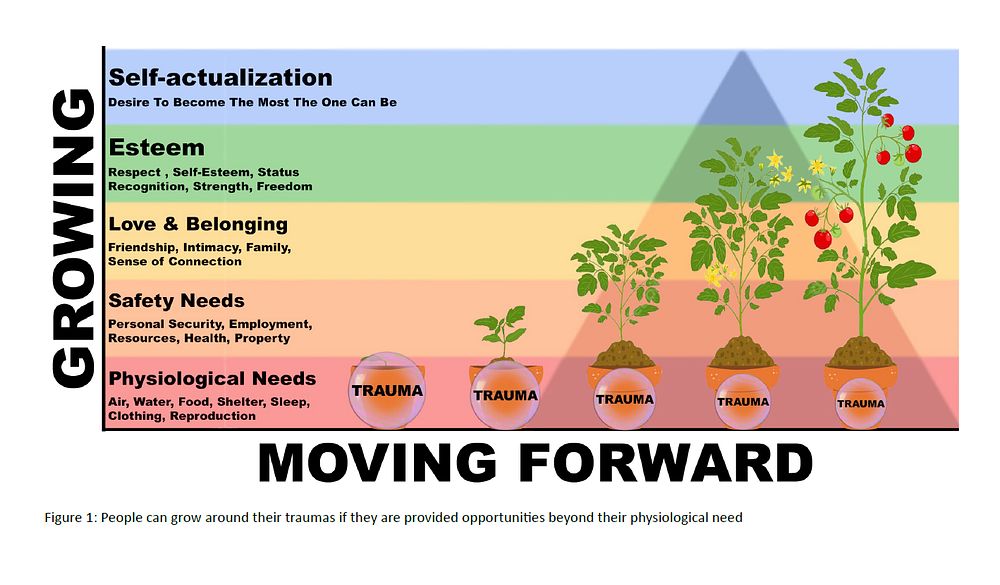
Nationally, we focused on measuring improvements for the people we support, how well services work together, and how decisions are made at a higher level. The aim was to create significant changes in the system so that people with complex needs can access the support they need more easily. We adopted a trauma informed approach in the way we offer and provide support. For example, we understand that individuals who may appear aggressive could actually be scared, confused, or reliving past trauma. This non-judgmental approach not only shapes how our providers assist individuals with complex needs but also affects how the adults we support view themselves.
The majority of beneficiaries (90%+) in the Changing Futures programme face poly-substance use (using more than one substance at a time) as the main condition that developed into multiple disadvantage. Many have shared how chronic drug use often leads to involvement with the criminal justice system, poor mental health, and eventually homelessness. Alongside these challenges, many individuals have experienced parental abuse or neglect. Their negative school experiences, often tied to undiagnosed learning disabilities or other barriers, have also shaped their struggles. Over time, our beneficiaries have developed coping strategies to survive—tools they rely on to navigate a world that often feels unsupportive.
Shining a light on stigma
The CFL Programme has made significant strides in supporting individuals facing multiple disadvantage. However, as we delved deeper into the challenges faced by our beneficiaries, we uncovered an invisible yet pervasive barrier: stigma. This insight shifted our focus and prompted us to ask:
People with lived experience helped shape the CFL model, ensuring that it addresses the needs of those who understand these challenges best. During conversations with our beneficiaries, we found that many initially hesitated to seek help because of the trauma and judgment they felt during comprehensive assessments. We responded by removing this entry barrier, focusing instead on the sharing of information between services followed by a more conversational approach that helps build trust without the fear of interrogation. This small change proved to be a key turning point for many individuals, making them feel more comfortable returning for support.how can we tackle the stigma that often prevents people from seeking the help they need?
Across Lancashire we also have started to shed light on the issue of stigma. We created the powerful and thought-provoking film above featuring people with lived experience and other professionals sharing their stories, which has been viewed thousands of times. One case study highlighted a single mum afraid to visit the pharmacy near her child’s school for fear of being seen picking up methadone by another parent, and the stigma she faces as a result. Another featured a man who is street homeless, sleeping in a public toilet, only to be kicked out by the cleaner in font of commuters. These are painful reminders of some people’s situations and how different they feel from everyone else. It became clear that it wasn’t enough for us to only think about how we tackle stigma across our services, we also had to ask ourselves: what else can be done to prevent stigma and to reduce its impact on individuals?
The CFL board agreed that we should do some credible research into the topic. We sent out an enquiry of interest form and Fuse researchers responded.
Reducing stigma: research findings and key recommendations
The project between the CFL programme and Fuse was to conduct a review of the research into what can be done to reduce stigma for adults who experience multiple disadvantage.
At the heart of our work are the people with lived experience who have been instrumental in shaping our approach. Their first-hand insights have been invaluable not only in designing effective services but also in guiding our research on stigma. Many panel members shared how they overcame their own stigma through achievements like gaining employment, while others still face the stigma of past criminal convictions – something that remains a barrier to moving forward. Their voices are central to the research and the recommendations we’ve developed.
We brought together 51 review papers and found that most focused on reducing mental health stigma. Fewer studies addressed stigma related to drug and alcohol use. There was limited research on stigma linked to domestic violence, homelessness, criminal justice involvement, and poverty. Our panel felt that the findings would be relevant across various forms of disadvantage, reflecting that poor mental health or alcohol and drug use often serve as the primary ways people come into contact with services.
The research we reviewed found that stigma reduction approaches typically focused on:
The CFL board agreed that we should do some credible research into the topic. We sent out an enquiry of interest form and Fuse researchers responded.
Reducing stigma: research findings and key recommendations
The project between the CFL programme and Fuse was to conduct a review of the research into what can be done to reduce stigma for adults who experience multiple disadvantage.
At the heart of our work are the people with lived experience who have been instrumental in shaping our approach. Their first-hand insights have been invaluable not only in designing effective services but also in guiding our research on stigma. Many panel members shared how they overcame their own stigma through achievements like gaining employment, while others still face the stigma of past criminal convictions – something that remains a barrier to moving forward. Their voices are central to the research and the recommendations we’ve developed.
We brought together 51 review papers and found that most focused on reducing mental health stigma. Fewer studies addressed stigma related to drug and alcohol use. There was limited research on stigma linked to domestic violence, homelessness, criminal justice involvement, and poverty. Our panel felt that the findings would be relevant across various forms of disadvantage, reflecting that poor mental health or alcohol and drug use often serve as the primary ways people come into contact with services.
The research we reviewed found that stigma reduction approaches typically focused on:
- individuals experiencing disadvantage and stigma
- practitioners who provide support
- the public
There was little research on system-level changes, such as policy changes, that could address stigma more broadly.
We found that social support, particularly through peer-led or group-based approaches, was highly effective in reducing self-stigma among people facing multiple disadvantage. Peer connections helped individuals build stronger and more positive identities and gain confidence, breaking down feelings of isolation.
Additionally, we discovered that combining educational strategies with contact-based training was a powerful way to reduce stigma amongst practitioners and the public. Educational efforts - such as presentations or information addressing misconceptions about disadvantages - were most effective when paired with opportunities for practitioners and the public to meet and learn from people with lived experience. This combination allowed for a deeper understanding of the challenges faced by those with multiple disadvantages and proved more effective than using either method alone.
We engaged with our Lived Experience panel to discuss and explore recommendations. They came up with eight key recommendations to advance this work into practice:
The insights from the Changing Futures programme and our research are clear: tackling stigma requires a holistic, multi-level approach. By prioritising peer support, lived experience, and trauma-informed practices, we can make real, lasting change. Now, we need your help. Join us in challenging stigma, watch and share our videos, and support this movement. Together, we can create a more inclusive, empathetic society where everyone has the chance to thrive.
Take the next step (useful resources):
We found that social support, particularly through peer-led or group-based approaches, was highly effective in reducing self-stigma among people facing multiple disadvantage. Peer connections helped individuals build stronger and more positive identities and gain confidence, breaking down feelings of isolation.
Additionally, we discovered that combining educational strategies with contact-based training was a powerful way to reduce stigma amongst practitioners and the public. Educational efforts - such as presentations or information addressing misconceptions about disadvantages - were most effective when paired with opportunities for practitioners and the public to meet and learn from people with lived experience. This combination allowed for a deeper understanding of the challenges faced by those with multiple disadvantages and proved more effective than using either method alone.
We engaged with our Lived Experience panel to discuss and explore recommendations. They came up with eight key recommendations to advance this work into practice:
- Facilitate peer connections: Provide opportunities for individuals experiencing disadvantage to connect with others who share similar lived experiences. This can help reduce isolation, foster mutual support, and reduce feelings of shame and embarrassment.
- Promote peer leadership and advocacy: Encourage individuals with lived experience to take on leadership roles or act as advocates within services. This could help challenge stigma and provide role models for others facing similar challenges.
- Incorporate lived experience in service design and delivery: Actively involve individuals with lived experience in the design, development, and delivery of services to ensure they are relevant, responsive, and inclusive.
- Embed trauma and stigma informed practices throughout the organisation: Apply both a trauma and stigma informed approach across all levels of the workplace. Training should not only be limited to frontline staff but also extend to managers, supervisors, and directors to ensure everyone is stigma-aware.
- Ensure long-term commitment to anti-stigma efforts: Integrate anti-stigma interventions into ongoing practice, ensuring they are not one-off sessions. Offer regular refresher courses to reinforce learning and maintain long-term impact.
- Foster collaboration across services: Promote collaboration between all services to ensure they adopt stigma-aware practices. This includes working together across sectors, such as housing, mental health, and other support services, to create a cohesive approach to addressing stigma.
- Engage the community: Work on community outreach to raise awareness about stigma and its effects, helping to foster a more inclusive and empathetic environment in the wider community.
- Implement system-wide change: Advocate for policy changes that address the root causes of stigma, such as social inequalities, and promote fair access to services for all individuals, regardless of their background or circumstances. System-level changes are crucial because stigma isn’t just about individual attitudes; it’s embedded in our systems, policies, and institutions.
The insights from the Changing Futures programme and our research are clear: tackling stigma requires a holistic, multi-level approach. By prioritising peer support, lived experience, and trauma-informed practices, we can make real, lasting change. Now, we need your help. Join us in challenging stigma, watch and share our videos, and support this movement. Together, we can create a more inclusive, empathetic society where everyone has the chance to thrive.
Take the next step (useful resources):
- Join the anti-stigma network
- See the presentations from the recent Fuse and Changing Futures Lancashire event - Understanding the impact of stigma and multiple disadvantage, A call to action
- Watch the Changing Futures Lancashire video on stigma
- Watch an animation by Newcastle City Council Adults Safeguarding and Fuse Researchers - Stigma, A Call for Action
- Find out more about Changing Futures Lancashire