Showing posts with label stress. Show all posts

Friday, 10 October 2025

Changing the narrative on gambling harms in the North East

Posted by Dr Andrew Richardson - Research Associate (Gambling Harms), Newcastle University; Alice Beadle, Public Health Specialist - Gambling Harms, Middlesbrough Council; and Laura Sheridan, Public Health Officer – Gambling Harms, Middlesbrough Council


Gambling is staking money, or something of value, on the outcome of something involving chance. Gambling activities can include arcades, esports and video games, betting shops, online betting, gaming machines, lotteries, bingo, casinos and other common types of gambling. Gambling harms affect thousands of people across England but the North East faces the greatest risk. National estimates suggest that 3.8% of people are at elevated risk from gambling. In the North East, that figure rises to nearly 5% of people aged 16 and over - the highest rate of at-risk gambling in the country. These people experience a range of negative consequences, from financial hardship to serious mental health challenges.

To explore the scale and impact of gambling harms in the region, read the Regional Health Needs Assessment for Gambling.

What are gambling harms?

Gambling harms are any negative consequence or side effect experienced because of gambling. They may be felt by the person who is gambling or may be experienced by those close to them, such as a family member, friend or colleague, known as ‘affected others’. For each person who experiences gambling harm, on average six others are affected - often partners and children.

Whilst anyone can be harmed by gambling, it does not affect everyone equally. The harms from gambling are varied and may also be interconnected. They include:
  • Increased stress and poor mental health (such as anxiety, depression and suicide risk).
  • Financial hardship, debt, asset loss and bankruptcy.
  • Relationship breakdowns due to increased conflict, issues with trust and stress associated with harmful gambling. There are also links between gambling and domestic violence.
  • Reduced performance and absenteeism in education and in the workplace.
  • Stigma and shame associated with gambling behaviour.
  • Threatening behaviour, damage to property, fraud and theft.
For many, gambling harms leave a legacy and may be experienced for many years after the event.

A public health approach


The Association of Directors of Public Health in the North East (ADPH NE) Gambling Harms Programme aims to tackle the harm caused by gambling in the North East with a coordinated regional approach. The Programme received funding that originally came from a gambling operators’ penalty but was redirected by the Gambling Commission - called a ‘regulatory settlement’.

Gambling harms are complex, and prevention approaches need to move away from ‘personal responsibility’ to population-wide social, economic and environmental interventions. Messaging from the gambling industry often sets the narrative by placing responsibility onto the individual to address harmful gambling, despite the many ways gambling products are designed to be addictive. This can lead to increased stigma and shame and create additional barriers to help-seeking behaviour.

The Regional Office, a team hosted by Middlesbrough Council, supports the 12 Local Authorities in the North East to pilot prevention approaches to help reduce gambling harms. The Programme has developed resources which include awareness raising materials and evidence summaries to support practitioners in local authority settings.

Eight key priority areas have been established under the Regional Office:

1. Support and Partnerships – Responding to requests from local authorities and wider stakeholders to support understanding of gambling harms and embed prevention activity.

2. Advocacy – Contributing to the shaping of policy at a local, regional and national level by promoting a public health approach to support those impacted by gambling harms and to build an environment that prevents future harm.

3. Media, Communications and Education – Raising awareness of gambling harms and aiming to reduce stigma.

4. Treatment – Promoting regional treatment services and referral routes for residents and professionals across the North East of England.

5. Data, Research and Evaluation – Develop and create evidence bespoke to the North East and contribute literature to the national evidence base regarding gambling harms.

6. Licensing – Supporting planning and licensing colleagues to create environments that prevent future gambling harms.

7. Protecting Young People – Recognising the risks of gambling to children and young people, and developing resources to support caregivers to reduce risks of gambling harms.

8. Lived Experience – Co-producing all outputs with the Lived Experience Forum, made up of members from across the Region. This ensures all outputs reflect real-world experiences and have maximum impact.

To learn more about gambling and gambling harms, please use the ADPH NE Gambling Harms slide deck or access free Making Every Contact Count (MECC) and Gambling Harms training here.

You may also be interested in these national resources:

Learning from others

The North East Programme was inspired by the Greater Manchester Combined Authority and ADPH Yorkshire and the Humber to share findings and best practice. The three regional programmes collaborated on a Language Guide to promote language choices that reduces the stigma associated with gambling.

Building the evidence

The Programme will be evaluated and this will contribute to the evidence base on actions to reduce gambling harms, which is currently dominated by gambling industry narratives. The team is working with local partners to explore the wide range of healthcare services and practitioners who may be in contact with gamblers or people affected by gambling and educational toolkits for schools and communities etc. To learn more, see this academic paper co-authored by Fuse researchers or view a free slide deck that summarises the latest research on gambling harms.

Lived experience

The Programme also facilitates a Lived Experience Forum to help shape work happening across the region. If you have experienced gambling harms, either directly or as an ‘affected other’ and are based in or from the North East, this is open to you. If you would like to influence the work being done to tackle gambling harms in the region, please email GHR@middlesbrough.gov.uk.

Stay in the loop

The ADPH NE Gambling Harms newsletter includes news about events, new research, resources like podcasts and documentaries, and ways to get involved. Join the newsletter mailing list by contacting GHR@middlesbrough.gov.uk or complete the sign-up form here. New resources can also be found on the ADPH NE Gambling Harms website.

Treatment and support

Visit the Gambling Harms MECC page to find treatment, support and blocking tools. For some people in recovery from gambling harms, treatment may be the best option, whereas peer support groups may be better for others. Professionals can refer directly into these services. This may make it easier for those needing treatment and support to take the first step on their recovery journey.


Photo by Michele Lana on Unsplash

Wednesday, 11 September 2024

Food insecurity in pregnancy is putting women’s health at risk and babies at a health disadvantage. That is unfair and unjust

Posted by Zoë Bell, Postdoctoral Research Fellow, King’s College London

In the three years since we started this project a lot has changed, and nothing has changed at the same time. Just as the pandemic was leaving a shadow behind us, we entered a new chapter of social and economic challenge; notably, the Russian invasion of Ukraine and Brexit fuelling a cost-of-living crisis with huge impacts on our food system and food prices. These events, in their own unique ways, have left households more vulnerable to experiencing poverty, and the topic of this blog, food insecurity.

During this time, we’ve witnessed food insecurity become a more prominent feature in the news with the help of celebrity advocates and mutual aid groups which brought communities together to support one another. Headline examples are Marcus Rashford’s campaign supporting the extension of free school meals over the summer holidays, and most recently, Taylor Swift’s donation to food banks in cities across the UK as part of her tour. Within the context of a decade long erosion of the social security safety net, the charitable sector has stepped in to provide food relief; but it’s clear this is just a sticking plaster.


While temporary economic, social and nutrition policies were put in place during the pandemic to support vulnerable families, long-term commitment has been lacking.

Time is ticking and it is the most vulnerable who are paying the price. Indeed, pregnancy is a time when the consequences of inadequate support come at a premium cost.

We know how important it is for pregnant women to eat a nutritious and well-balanced diet for their own health and for their developing baby. This is where our research fits in. We set out to pull together all the available evidence to explore whether there are differences in pregnancy risks for women and babies when they experience food insecurity.

Our two new reviews of the evidence around food insecurity in pregnancy and the links with maternal weight, diet, and pregnancy health show worrying results, including both physical and mental health risks. While we were expecting to see some health implications, the extent of the risk for poorer health was shocking. Pregnant women experiencing food insecurity were significantly more likely to have poor mental health, obesity, poor quality diets, develop Gestational Diabetes and dental problems.

Infographic to translate the review findings co-designed with experts by experience during an engagement workshop in Newcastle
Upon Tyne, North East England. Funded by Tilly Hale a Newcastle University Faculty Medical Sciences Engagement fund.


Noticeably, these reviews lacked studies from the UK with studies mainly from the USA. You might ask does this matter? Yes. Why? Because the USA has long-standing nutritional support for pregnant women, with evidence of having beneficial impacts on women's diet and health. This embedded support might have reduced or completely masked some of the associations that food insecurity has with pregnancy risks reported in these studies. Whereas in the UK nutritional programs are not as extensive and women lack support. This means we might find that the risks are worse and the need for support is greater than we currently think it is in the UK.

We acknowledge these reviews are based on observational data, exploring association rather than causation. Women experiencing food insecurity are likely living with multiple other causes of stress that could be contributing to food insecurity and pregnancy risks. Nevertheless, we see from the evidence to date that these women are at risk and need more support. Our ongoing work exploring experiences of food insecurity during pregnancy also suggests that current support initiatives are not doing enough, and further policy-related intervention is required, further emphasising the need for action now.

Our new reviews show that food insecurity during pregnancy contributes to health inequalities, putting women’s health at risk, and babies at a health disadvantage from before a they are born. For example, when babies are exposed to gestational diabetes or maternal obesity, they are more likely to develop type 2 diabetes or obesity themselves later in life. That is unfair. That is unjust. So, we ask, how much more evidence is needed before urgent policy action is taken to mitigate food insecurity?

Much more support from government is needed to make sure that women and babies are protected from food insecurity during pregnancy. Only time will tell if tides will turn under this new Labour government.

So, what do we suggest?

First, an uplift in the value of the Healthy Start scheme, a policy directly related to nutrition during pregnancy and early years. Second, greater integrated care across multiple sectors for women during the pregnancy period. Thirdly, considering the wider interlinked, structural barriers for families living in poverty (and based on our broader research program) removal of the two-child benefit cap, continued expansion of childcare support and of free school meals. These policies would relieve financial pressures on households with young families.

In the meantime, watch this space as our research team has two ongoing reviews exploring pregnant women and people's experiences of food insecurity and its relationship with breastfeeding and infant feeding. Some of our other ongoing studies are exploring the experiences, risks and support needs of women during pregnancy and in the postnatal period after birth, and their families across a diverse UK population in Gateshead, Coventry, Middlesbrough, Lambeth and Bradford.

If you are inspired to help add evidence and advocate for food security amongst mothers and children, then please consider becoming a member of our Nourishing Futures Network. This was established by Fuse members working with international colleagues. The network’s mission is to lead knowledge exchange and generate knowledge in this emerging field around food insecurity before and during pregnancy and in the first 2001 days of life.


Find out more

This research has been summarised in the following:

Friday, 13 November 2020

Supporting family carers of people living with dementia in a pandemic

Posted by Mark Parkinson, PhD in Health Psychology, Northumbria University

Social coping: offering family carers a lifeline in turbulent times
Despite our enduring efforts to battle COVID-19 and the headlines and attention the pandemic rightly warrants it is important not to lose sight of some of the separate public health issues which not only continue to grow apace in the background but may also be made worse by the social impact of the virus. Among the issues in danger of being overlooked is how the UK will respond to the growing number of people living with dementia which is set to reach one million by 2025.1

Presently, family carers provide the bulk of care and reliance on family care is becoming even more essential given the lack of formal care available2 and the Europe-wide shift away from reliance on formal care and towards ‘ageing in place’/ care in the community.3 However, a key issue is the high level of long-term stress family carers have to endure4 as a result of dealing with a combination of financial, social, mental and physical challenges over long periods of time and how this often leads to family care becoming unsustainable with reliance on formal care the only option. Family carers currently face a vicious cycle that threatens to derail family care itself-despite the wishes of carers and carees:


A key question is how this cycle can be avoided. Crucially, it is not the stress that threatens to derail family care, but how well family carers can COPE with stress. A critical coping strategy is carers’ capacity to seek out and receive effective emotional and practical support, particularly at times when they are most in need of it. This kind of coping strategy is called social coping (SC) and has been found to be effective in safeguarding mental health5 due to the positive interactions, support and assistance it can deliver.6

However, there is a pressing need to better understand what works to promote social coping. This calls for a deeper understanding of what helps or hinders SC and how this knowledge can be applied by providers of formal health and social services, together with the voluntary and charity sectors to promote social coping to make the family care of people living with dementia sustainable.

What we did

Our research, based on work carried out as part of a Fuse sponsored studentship, investigated ‘What works to support family carers of people living with dementia’. Coping7 and more specifically social coping8 was identified as important to ‘what works’ and this prompted follow-up post-doctoral research to investigate SC further. The findings (so far) can be found in our recently published article8 which highlights the need for formal providers to be aware of six key hindrances to family carers’ use of this important coping strategy:


Achieving a better balance between what helps and hinders the adoption of social coping is critical to promoting it and also pivotal to ensuring the long term sustainability of family care of people with dementia. The full report8 (briefly outlined here) was presented by the Chairman of Dementia UK to Helen Whately, the Minister for Care at Department of Health & Social Care, on 3 November. This is a work in progress and follow-up is already underway to reveal further insights into social coping theory. For example, how social coping might be used alongside other helpful coping strategies, the pinpointing of carer coping strategies that could be unhelpful in the long term, and the deeper exploration of how providers (health & social care, allied health care services and voluntary organisations) can put social coping into practice, including improving opportunities for carers and carees to socialise.

In the current climate it has never been more important to deepen our knowledge of coping and to separate carer coping strategies which are helpful, and lend themselves to making family care sustainable, from those that are unhelpful. Providing long-term family care for people living with dementia has never been easy, but the arrival of COVID-19 means family carers now need the additional lifeline of improved external support and the right incentives to accept this support9 if they are expected to navigate especially turbulent waters.


References
  1. Prince, M., Knapp, M., Guerchet, M., McCrone, P., Prina, M., Comas-Herrera, A. & Rehill, A. (2014). Dementia UK: Update Second Edition. Report produced by King’s College London and the London School of Economics for the Alzheimer’s Society. Retrieved from: http://eprints.lse.ac.uk/59437/1/Dementia_UK_Second_edition_-_Overview.pdf 
  2. Alzheimer’s Society. (2020). Facts for the media. Retrieved from: https://www.alzheimers.org.uk/about-us/news-and-media/facts-media
  3. Glasby, J., & Thomas, S. (2018). Understanding and responding to the needs of the carers of people with dementia in the U.K., U.S. and beyond. Birmingham: University of Birmingham Press.
  4. Fonareva, I., & Oken, B. S. (2014). Physiological and functional consequences of caregiving for relatives with dementia. International psychogeriatrics/IPA, 26(5): 725.
  5. Norris, F. H., & Stevens, S. P. (2007). Community resilience and the principles of mass trauma intervention. Psychiatry: Interpersonal and Biological Processes, 70(4): 320-328.
  6. Lee, C. Y. S., Anderson, J. R., Horowitz, J. L., & August, G. J. (2009). Family income and parenting: The role of parental depression and social support. Family Relations, 58(4): 417-430.
  7. Parkinson, M., Carr, S. M., Rushmer, R., & Abley, C. (2016). Investigating what works to support family carers of people with dementia: a rapid realist review. Journal of Public Health. DOI:10.1093/pubmed/fdw100.
  8. Parkinson, M., Carr, S.M. & Abley, C. (in press). Facilitating social coping-‘seeking emotional and practical support from others’-as a critical strategy in maintaining the family care of people with dementia. Journal of Health & Social Care, 00:1-12. http://dx.doi.org/10.1111/hsc.13159 
  9. Egan, K. (in press). Digital technology, health and wellbeing and the COVID-19 pandemic: it's time to call forward informal carers from the back of the queue. In Seminars in Oncology Nursing. https://doi.org/10.1016/j.soncn.2020.151088

Friday, 6 November 2020

Changing the habit(s) of a lifetime: an intense body and mind affair

Posted by Fiona Ling, Senior Lecturer in Sport & Exercise Psychology, and Gavin Tempest, Senior Lecturer in Exercise Neuropsychology, Northumbria University

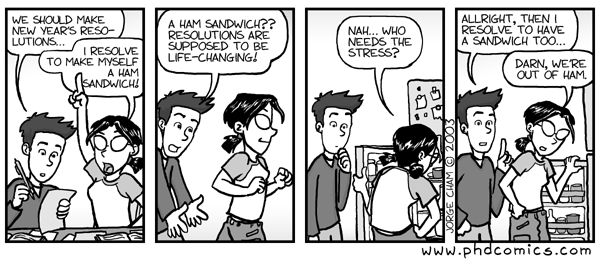
Many of us will be soon be thinking about making New Year’s resolutions, whether it’s to do with eating more healthily or doing more exercise. However, how many of us have actually managed to stick to our resolutions even though we know they are good for us? The question is – why is it so difficult to change our health habits?

While it’s well recognised that our environment does not help in encouraging a healthy lifestyle - from food and drink marketing to electronic devices promoting inactivity - could there be other reasons why we find it hard to change behaviour?

"Piled Higher and Deeper" by Jorge Cham www.phdcomics.com

What actually drives our behaviour?

Currently there exists many theories that try to explain why we do what we do, however, explanations are still lacking in regards to how our body and brain works together to directly drive our behaviour. When it comes to changing our habits, a key point to remember is that this involves stopping ourselves from doing things we consider pleasurable. For example, if you’re on a diet, every time you see an unhealthy snack, you have to tell yourself to STOP. Or, if you’re not a fan of exercising, why would you get off the sofa and slip on your running shoes? Making ourselves do things that don’t provide us with an instant reward can be stressful. These examples suggest that changing our habits can be stressful, that is, (the thought of) diet or exercise can become a source of stress (a stressor), and this makes our brain’s impulse control system work harder in order to adopt a new habit. Researchers have found that some of us can become stressed when seeing images of food, and are also not as good at controlling our impulses.1 Food craving, especially from seeing foods that we like, is a known stressor and the stress experienced from having to control our cravings is likely to tire out the impulse control system that can lead us to give in to temptations.

We might be able to change our habits for a short time as we become vigilant towards our goals, that is, the need to stick to our diet or exercise. However, we all have our limits and if stress from restricting our behaviour continues it will sap our ability to control our impulses, and our behaviour will return to what we are used to (or our ‘normal’). We saw another example of short-term success in behaviour change during our research. When monitoring children’s physical activity, some showed a burst of activity level at the start, but before long, it quickly dropped.2 These children were characterised by being hyper-vigilant towards stressors and they were generally more inactive than other children. We speculated that it was our monitoring of the activity that increased stress as the children felt that they had to show us they were more active which might spur on the initial activity spike, but as the children’s impulses for inactivity built up, it resulted in a considerable drop later on.

What’s next - how can we possibly take up, and keep up with, good health habits?

To influence health behaviour, it is crucial to understand the stress-impulse control mechanisms that DIRECTLY drive the behaviour. To use an analogy, if a person has a fractured arm, a direct treatment would be fixing the bone, rather than taking painkillers which would help to relieve the pain but not fix the problem. Similarly, if it is the stress from behaviour change and its influence on impulse control that directly causes us to succumb to temptations, we ought to target psychological interventions that reduce stress, or the brain’s impulse control system. Being able to manage our stress-impulse control system is particularly vital in the current environment where we are constantly exposed to temptations that lead to an unhealthy lifestyle. It is important to note that other factors, such as motivation and intentions, are also influential in changing our behaviour, however, this stress-impulse control process may more directly dictate the way we behave within split seconds and without our conscious awareness.

A possible psychological intervention is mindfulness training which can increase awareness of the stress cues, so that self-control can be executed before the brain’s impulse mechanism takes over. So next time we have a craving for an unhealthy snack or we are getting worked up about going for a run, we can potentially cope by containing and managing stress and impulses.

We believe that more research needs to be invested in the stress-impulse control mechanisms as it can potentially enhance the effectiveness of future individual health behaviour interventions and public health messages in getting us live a healthier lifestyle, and crucially, it can revolutionise the way we think about health behaviour change.


References
  1. Spitoni, G.F., Ottaviani, C., Petta, A.M., Zingaretti, P., Aragona, M., Sarnicola, A.,. & Antonucci, G. (2017). Obesity is associated with lack of inhibitory control and impaired heart rate variability reactivity and recovery in response to food stimuli. International Journal of Psychophysiology, 116, 77-84. https://www.sciencedirect.com/science/article/abs/pii/S0167876016307310?via%3Dihub
  2. Ling, F.C.M., Masters, R.S.W., & McManus, A.M. (2011). Rehearsal and pedometer reactivity in children. Journal of Clinical Psychology, 67, 261-266. https://onlinelibrary.wiley.com/doi/abs/10.1002/jclp.20745

The views expressed here are those of the authors and do not necessarily reflect those of Fuse (the Centre for Translational Research in Public Health) or the author's employer or organisation.

Thursday, 9 April 2020

Working from home isn’t for everyone - here’s how to cope if you’re struggling

Posted by Annabel van Griethuysen, Floating Dietetic Clinical Specialist, Tees, Esk and Wear Valleys NHS Foundation Trust (TEWV)

You may find yourself, as I have, being asked to work from home during the COVID-19 crisis. Although my work as a dietitian is vital to the NHS and to the care of patients, it is something which can be done remotely. Whilst those working from home may feel relieved in some ways to be able to socially distance, unlike our colleagues in front line services, this still comes with its own challenges.


Being isolated at home can be hard; it is easy to feel cut off from friends and co-workers, to feel out of the loop when it comes to work decisions and to feel stressed with how best to work when at home. Some people may find it frustrating that they cannot work as they did, and find performance dropping; others have told me that they are working over and beyond to almost prove that they are still being productive.

Working from home works for some people, and not for others. So what should we do if we are asked to work from home, and are struggling?

One thing which is key is to ensure that you keep a routine as much as possible. It is tempting to roll out of bed and turn on the laptop; no hair brushing, in pyjamas, no makeup. However, getting up and keeping a routine is very helpful to maintain mental health and structure. Getting up with enough time to relax before turning on the computer, to get dressed and to have breakfast, will help to separate relaxing time at home from work time at home. This also goes for the rest of the day - make time to do enjoyable activities, make sure you are getting enough sleep, and schedule breaks into your working day.

Ensuring you are eating and drinking well is also extremely important. Having time away from the computer for lunch and sitting in a different place to eat can help to break up the day and give you a much needed break. Generally, the British Dietetic Association has advised to continue to eat and drink normally throughout this pandemic, focussing on a balance of food groups. If we are struggling to shop regularly, they advise using fresh foods first, but also frozen, dried and tinned produce, for example vegetables, are still a valuable sources of nutrition. It is tempting to snack more when working from home; I know personally the lure of the biscuit tin is strong, but instead of reaching for a biscuit, try getting a hot drink, or having a wander to a different room for a 5 minute break. I’m lucky enough to have a garden to use to get a quick bit of exercise.

One thing to potentially consider is a supplement of vitamin D. This is usually the sunshine vitamin which, in the spring, we would be able to get from sunlight, but with limited exposure to the sun at the moment, a 10microgram supplement may be beneficial.

Having a completely separate space to work which is tidied or hidden away at the end of the day can help to establish structure and boundaries, and resist the temptation to work on into the night. Try to make sure that this space is appropriate as well, with a desk, supportive chair, and enough natural light and ventilation. It can also help to keep two or four legged ‘helpers’ at bay!

But finally, it is normal and understandable to feel anxious and stressed, especially at this time. So make sure you are talking if this is the case. Reach out to your social circles (I have somehow managed to teach my mother to use WhatsApp video calling!) and keep connected. Together we will be strong.

Some sources of support and information:

Annabel is a Floating Dietetic Clinical Specialist at Tees, Esk and Wear Valleys NHS Foundation Trust (TEWV). Practitioner of Public Health, Faculty of Public Health, Trade Union Representative for the BDA (Association of UK Dietitians) and Staff and Dietetic Wellness Champion.

Photo attribution: 

Thursday, 14 November 2019

A tale of two families: diabetes and rugby

Posted by Ruth Boocock, Senior Lecturer in Dietetics, Teesside University

The rain is coming in sideways, the mud is three inches and counting, a Sunday afternoon somewhere in the North of England. My rugby family. Amongst the rain, probably beneath four or five bodies, my seventeen year old daughter is having fun.


A whistle goes and a rain sodden, mud covered monstrosity jogs towards her family on the touch line. An upper arm extended, a mobile phone waved at a discreetly protected sensor and a blood glucose level read. Sometimes it’s an insulin pen to compensate for the adrenaline, other times a sports drink to refuel, such is the trial and error process of educating herself on what management routines work for training and matches. Blood glucose responses to physical activity for this recently diagnosed teenager with type 1 diabetes are highly variable based on activity type and timing and require different adjustments (Colberg et al, 2016)1. There are looks of course. Some parents are confused but a hurried whisper and the confusion is quickly replaced by respect. No mess, no fuss, just ordinary life. There are more important and more exciting things to do. Opponents to fell, tries to be scored. Rugby here, really has no barriers. A progressive, modern, attractive, dynamic and inclusive sport played by all (World Rugby, 2017-2025 vision)2.

Today is World Diabetes Day and the theme for 2019 is ‘The Family and Diabetes’. The aim, to raise awareness of the impact that diabetes has on the family and support network of those affected, as well as promoting the role of family in the management, care, prevention and education of diabetes.

On the rugby pitch my personal and professional life comes into sharp focus. I have spent the last twenty years as a dietitian sharing the journeys of people with diabetes. From the familiar insulin dose adjustment which offers greater freedom to eat and exercise while minimising glycaemic excursions (changes in blood glucose levels), to the battle of weight management and diabetes polypharmacy (the use of multiple medications). Weight loss for those with type 2 diabetes unlocking a future without diabetes or at least the ability to rationalise the use of diabetes medications.

Willowy wings take to the pitch alongside broader hardier oaks. At its best they complement each other wonderfully. From helping to prevent and manage medical conditions to reducing the risk of type 2 diabetes, the benefits of sport and activity on a person’s physical wellbeing are huge. But only 63% of adults are physically active for the recommended 150 minutes weekly, with figures lower still for children (Department of Health and Social Care, 2019; Sport England, 2019)3,4.

Rugby helps to maintain or improve aerobic capacity (the ability of the heart and lungs to get oxygen to the muscles), strength and balance and bone health and contributes to meeting the physical activity guidelines. Other benefits to exercise include reduced stress and improved self-esteem. Rugby reminds these girls that nobody’s self-worth comes from how they look or the perfect make-up or beautiful hair or high fashion clothes of online celebrities. There is a wonderful freedom here but also a challenge. Obesity. There is a fine line between giving girls and women confidence in their bodies and shape while also encouraging those patterns of healthy eating that will allow them to play at their best and get the most out of their training and their life. We do not always get the balance right. Push come to shove however they are out there two-to-three-times a week, come rain or shine working incredibly hard, growing as team mates and women, and reducing their risk of developing type 2 diabetes by 30-40%. That has to be an excellent beginning.

On the pitch there is just the team, on the side lines the wider rugby family. Sometimes also the diabetes family. Nicknames abound. Banter flows. Yet there are no labels. There are no diabetics, no 'fat girls', just a team and its friendships, its victories and losses, its celebrations and of course, lots and lots of mud.


Ruth’s current doctoral studies seek to identify barriers and enablers to the implementation of diabetes remission strategies for adults with type 2 diabetes recently diagnosed within general practice in one of the most deprived local authority districts in England.


References:
  1. Colberg et al. (2016). Physical Activity/Exercise and Diabetes: A Position Statement of the American Diabetes Association. Diabetes Care; 39(11): 2065-2079. https://doi.org/10.2337/dc16-1728
  2. Accelerating the global development of women in rugby 2017-25. https://www.world.rugby/womens-rugby/development-plan?lang=en 
  3. Department of Health and Social Care (2019). UK Chief Medical Officers' Physical Activity Guidelines. https://www.gov.uk/government/publications/physical-activity-guidelines-uk-chief-medical-officers-report
  4. Sport England (2019). Active Lives Adult Survey: May 18/19 report. https://www.sportengland.org/media/14239/active-lives-adult-may-18-19-report.pdf

Images:
  1. 'Logo for the World Diabetes Day' by International Diabetes Foundation via Wikimedia Commons: https://commons.wikimedia.org/wiki/File:World_Diabetes_Day_logo.svg
  2. Published by: West Park Leeds Girls Rugby ‘Meet your #innerwarrior’ event, with thanks to Kurt Nutchey

Friday, 8 November 2019

The hardest thing was admitting that I was stressed at work...

To coincide with International Stress Awareness Week Annabel Gipp writes about workplace stress and shares her personal experience of working in the NHS.


Stress is something we all experience at some point in our working life, academic studies and at home. It’s almost become a standard for measuring how our day has been. I can recall many a time when I have exclaimed ‘That day was pretty unstressful!’, where this has really been code for ‘I’ve had a really great day’.

Being in employment has been found to have a beneficial impact on the health and wellbeing of a person, and helps to reduce workplace inequalities. Sadly however, being in low paid, insecure employment can actually contribute more to stress than being unemployed according to the National Institute for Health & Care Excellence. In non-manual workers, the most common cause of workplace absence was stress.

Workplace stress in defined as a harmful reaction people have to undue pressures and demands placed on them at work. Stress can manifest in a variety of mental and physical symptoms. Mentally, this includes:

  • Trouble concentrating
  • Negative feelings towards yourself, others and situation 
  • Difficulty processing information or thinking logically 
  • Constantly worrying something awful might happen 
  • Forgetfulness 
This can also manifest in physical symptoms:
  • Dizziness/ hyperventilating
  • Trouble sleeping 
  • High blood pressure 
  • Chest pains 
  • Tension and muscle pains 
  • Fatigue 
  • Digestive problems 

All of these can make it very difficult to focus on work or study, or even just keeping your home and socialising. This can result in a vicious circle which can worsen stress: 

A paper written by the Health and Safety Executive in October 2019 estimated that there were 602,000 workers across the UK suffering from work related stress, depression and anxiety. This resulted in 12.8 million working days lost and 54% of all working days lost to ill health were as a result of stress, anxiety and depression. The biggest cause of a build-up of stress was due to increasing workload, tight deadlines, too much responsibility and lack of managerial support.

It is also acknowledged that stress, depression and anxiety are more prevalent in public sector industries such as education, health and social care and public administration. Sadly, trends of reported workplace stress seem to be increasing slowly year-on-year, with 1,800 per 100,000 workers reporting work place stress in 2018/2019.

Stress has been linked with increased risk of many chronic health conditions, including heart disease, high blood pressure and depression. It has also shown to have links with immune system suppression, including in the progression of cancers, gastrointestinal disorders such as irritable bowel syndrome, skin conditions, neurological and emotional disorders.

So, stress is a very serious condition that needs to be reduced wherever possible, and organisations have a part to play to help manage it as much as possible.

Sadly it is not always possible to remove stress completely. I work in the NHS, and the nature of working in this organisation can potentially increase stress. Using this as one example, workers within the NHS are often faced with increasingly large workloads, stretched budgets, emotionally distressing situations or challenging patients - which can all increase stress.

I have had to take some time off work due to workplace stress. For me this was caused by a number of factors but what helped me return was a very supportive manager and team, and adjustments at work to help manage my caseload.

For me, the hardest thing was admitting that I was stressed at work. I felt guilty for letting the team down and that I should be able to manage. However, reducing the stigma around workplace stress is essential, as seeking support allowed me to return more quickly and stay in work.

So what can we do? The NHS Employers Website has a great tool to assess how you are feeling today, and it’s essential to check in on yourself. Having space to reflect and allowing yourself to voice worries or anxieties can help and give you time away from the stressful environment.

Trying to connect with people around you and with meaningful activities can all be helpful as well. But the key message is to seek support when you need it, from whoever you feel able to seek this from. Be it a colleague, friend, GP or charitable service, talking is essential and no-one is an island.


Annabel is a Floating Dietetic Clinical Specialist at Tees, Esk and Wear Valleys NHS Foundation Trust (TEWV). Practitioner of Public Health, Faculty of Public Health, Trade Union Representative for the BDA (Association of UK Dietitians) and Staff and Dietetic Wellness Champion.


Good sources of information:

Image:
  1. "According to HR you haven't had any stress-related illnesses yet." by Grizelda Grizlingham via University of Kent, British Cartoon Archive (Reference number: GGD1406, Published by: Prospect, Sep 2017, with thanks to Copyright holder: Grizelda Grizlingham): https://archive.cartoons.ac.uk/Record.aspx?src=CalmView.Catalog&id=GGD1406&pos=11

Friday, 1 February 2019

Universal Credit and the perspectives of ex-Jobcentre Plus staff

In last week's blog post, Mandy Cheetham wrote about the impact that Universal Credit is having on health and wellbeing in Gateshead.  In today's guest post, Kayleigh Garthwaite, Jo Ingold, and Mark Monaghan present their findings from preliminary research with former personnel from Jobcentre Plus.


Universal Credit has attracted considerable criticism from experts and politicians. Yet could it be that it has also caused civil servants associated with the policy to leave their jobs?

Throughout 2018, Universal Credit (UC) has been a prominent feature of political discussion, second only to Brexit. UC is an attempt to simplify the benefits system through the introduction of one single working age benefit and to improve incentives to work through the radical restructuring of the benefits and Tax Credits systems. The design and implementation of UC have been defined by austerity and large-scale expenditure cuts to central government departments and drives for greater efficiency following the (2007-8) financial crash. Consequently, the roll out of the policy has been beset with difficulties, magnified by a turbulent political environment (two General Elections, the Brexit Referendum and changes in Ministerial Portfolios).

Since the introduction of UC, which has consolidated both conditionality and punitive benefit sanctioning, there has been an accruing evidence base highlighting the detrimental impact of UC and social security reform more broadly, particularly for those living on low incomes and in poverty. Unfortunately, there is no clear sign of this research being incorporated into policy and so far, no sign that UC will be amended or abandoned.

Between us we have spent the last few years looking at various aspects and impacts of changes to social security policy in the UK, ranging from accounts of the social consequences of austerity, exacerbated by UC, which has led to rising levels of foodbank use; the role of evidence in the policy discussions within the Department for Work and Pensions (DWP) at the time of UC design; and the role of employers in active labour market policies. It became apparent that little work had been conducted with practitioners responsible for the rollout of the policy. This seems a significant gap bearing in mind the amount of negative publicity that has accompanied the rollout of UC, which sat alongside public statements that despite the difficulties, staff morale within the DWP remains the highest in Whitehall.

Despite a slight increase from 2017 to 2018, from around 2010 there has been a significant reduction in the number of civil servants which coincides with the design and development of UC. Little is known of the reasons for staff departures and whether the demands of working on a controversial policy such as UC played a role. Over the summer of 2018 we conducted preliminary research in the form of in-depth interviews (n=8) with former personnel from Jobcentre Plus in the North of England. We initially hypothesised that reasons for departure would include: financial packages on offer; timing; age; ill health; other opportunities in the labour market or career change; dissatisfaction with current role or manager; and a lack of opportunities in the Department or wider civil service. We were particularly interested in whether objections to policy were also part of the equation.

Amongst our respondents, dissatisfaction with their current role was perhaps the clearest theme to emerge as to why they departed the DWP. This wasn’t always linked to UC per se, but was part of the broader austerity landscape in which UC emerged and was linked to longer term ideological developments within both social policy and public administration, which coalesced around increasing use of managerialist forms of governance and austerity. As has been documented, the movements towards activation in welfare policies foregrounded as a means of reducing the deficit has required specific forms of governance to the extent that welfare-to-work organisations find themselves in almost permanent processes of reorganisation. For our respondents, it was this experience that produced the most consternation.

In terms of top down management targets, our respondents told us of the impact of initiatives within the DWP and how targets and objectives were impossible to hit as meetings with clients had become so truncated, but also because of inconsistency in targets:

… they changed the goalposts all the time. One Monday when I went in it would be all about getting so many people into work experience that week. The next Monday morning it would be getting so many people into sector based work academies.

This impacted most of the vulnerable who would fall through the system when the initiatives didn’t match their needs. This frequently ended in a sanction, leaving the staff feeling bereft and stressed from the predicament of their clients, but also their own working environment:

I just thought “this is awful”. I went home and I was really stressed, my jaw was stressed. And I just thought, “oh my god”. I just felt terrible. And I was annoyed with myself for letting her get to me like that. But it was just an unnatural situation really.

These issues were confounded by a key development in DWP: ‘digital by default’ service delivery. The target culture not only fed into individual appraisal where managers would closely, physically monitor the working practices of front-line staff; staff performance was also measured through digital monitoring. This contributed to staff feelings of dehumanisation. Our respondents reported that the move towards a fully digitized service not only led to feelings of de-skilling and autonomy, but also took away the public service motivation and ethos that drew our respondents into working in the civil service in the first instance. Staff described being permanently on the ‘back foot’, in that digital services were rolled out without staff being given the relevant training. There was also a profound shift in their own views of the public service ethos, which had changed to such an extent that staff reported to us that it was now ‘embarrassing’ to be associated with Jobcentre Plus and that their actions were making ‘vulnerable people more vulnerable’.

I wanted to do a good job, but at the same time my heart wasn’t in it, I was part of something that didn’t sit very comfortably with me. It was becoming embarrassing to say where I worked.

We are not suggesting that UC was solely or directly responsible for the findings we report here. Many of these issues reported to us predated the rollout of UC. But what we found seems to be a product of the direction of policy travel, as well as continuous reorganisation of the delivery of social security and public employment services are in the UK. What was apparent from our discussions with ex-Jobcentre Plus personnel is that under UC these factors were only getting worse. Time will tell whether this continues to be the case.

-------------------

About the authors:

Kayleigh Garthwaite is a Birmingham Fellow in the Department of Social Policy, Sociology and Criminology at the University of Birmingham.

Jo Ingold is Associate Professor of Human Resource Management and Public Policy at the University of Leeds.

Mark Monaghan is Lecturer in Criminology and Sociology at the University of Birmingham. 

With thanks to LSE British Politics and Policy, and the London School of Economics and Political Science.

All articles posted on this blog give the views of the author(s), and not the position of Fuse, the Centre for Translational Research in Public Health; the five North East Universites in the Fuse collaboration, or funders.

Featured image: J J Ellison [CC BY-SA 3.0], from Wikimedia Commons

Thursday, 8 September 2016

Stress is a universal experience, but is it unequally distributed across society?

Posted by Dr Joanne-Marie Cairns and Dr Emily Henderson, Durham University and Fuse.

How are you feeling today? Stressed at all?! If so, you are in good company.

Stress is so pervasive in our society that it contributed to a shocking 9.9 million working days lost in 2014/15(1), which equates to an average of 23 days per person. From an evolutionary perspective, stress is useful to animals such as humans to help us react to physical and social threats, commonly known as the ‘fight or flight’ response. According to Danielsson(2) and colleagues, stress can simply be defined as an imbalance between demands placed on us and our ability to cope with them. But if stress continues over a long period of time then a permanent imbalance may arise between the body’s degenerative (reduced growth) and regenerative (regrowth) functions. Stress can also lead to everyday problems including poor performance at work, low mood, lack of motivation, fatigue, sleep disturbance and chest and muscular pain as well as major life-limiting health problems such as high blood pressure, depression and chronic pain.


In light of these concerns, we organised a Health Summit on inequalities-related stress, with colleagues from the Local Area Research & Intelligence Association (LARIA), the Wolfson Research Institute for Health and Wellbeing, and Fuse - the Centre for Translational Research in Public Health. This event was hugely popular and brought together a wonderful mix of delegates and speakers from policy, practice and academia, from the North East and across the UK. The programme, which includes a list of speakers and a description of the talks, can be found here.

While stress can be a universal experience, it doesn’t manifest equally amongst certain population groups. For instance, Thoits(3) conducted a review which highlighted how unequally high exposure to stress by women and people in lower socioeconomic and minority groups lead to inequalities in health outcomes. Moreover, we see health inequalities accumulate over the life course as a result of this unequal distribution of disadvantage, for example Thoits refers to a study conducted by Turner and colleagues(4) that examined the effect of cumulative stressors in adults. These stressors that accumulated over time, explained a significant 50 per cent of the Socioeconomic status (SES) gap in depressive symptoms.

What are health inequalities then? These are differences in health status or determinants of health between different population groups. There are also intersecting inequalities, for example, if you are a lone parent but also on a low income, living in a disadvantaged area. Moreover, coping mechanisms sometimes adopted to mitigate stress can be health-damaging and lead to other forms of health problems, such as smoking or alcohol misuse. John Watson (Deputy Chief Executive, Action on Smoking & Health (ASH) Scotland) quite rightly argues that smoking IS NOT A LIFESTYLE ISSUE; rather in his words it is a form of medication to society’s maladies. Just think of the current global economic downturn as a societal issue that can be at the root cause of individual depression. As well, unequal access to jobs (at least good jobs that aren’t precarious in nature or that might lack autonomy) or good schools, which already limit an individual’s future prospects and may as a result contribute to psychosocial stress and poorer health highlighting the structural factors that are beyond the individual. Furthermore, stress at the population-level can manifest into geographical health inequalities. Data published by the Health and Social Care Information Centre (HSCIC) shows that the North East Strategic Health Authority (SHA) had the highest admission rate due to anxiety of any of England's 10 SHAs (just under 24 per 100,000 of the population), while South Central SHA had the lowest (at nearly 11 per 100,000), mirroring other health outcomes and shows the stark North-South health divide in England.

‘Lifestyle’ is used ubiquitously in current public discourse, and can be understood as a set of factors that describe a person’s daily living. Obesity-related lifestyle often refers to people’s behaviours and apparent food choices(5). These so-called behaviours are ways in which individuals respond to challenging circumstances. They are not choices in the purest sense of the word. Rather, an individual may be experiencing financial difficulties and, feeling the demands in their life which outweigh their ability to cope, may respond to the situation by smoking, drinking or comfort eating. But what is actually causing the financial difficulty in the first place? Are individuals to blame for reacting to the bleak reality of poverty and the social gradient they find themselves in? The seminal work by Sir Michael Marmot tells us that we instead need to consider the “causes of the causes” of inequality, not just the symptoms. Politics is also important, as we have seen in the government’s release of the new obesity strategy which continues to support healthy choices, and maintains the voluntary efforts by industry by suggesting a 5 per cent sugar reduction in children’s food and drink. The chairwoman of the Health Select Committee, Dr Wollaston, told BBC Radio 5 live that “it does show the hand of big industry lobbyists and that’s really disappointing”(6). A key political talking point relates to the fact that what was a 50-page document was shortened to a mere 10 pages which does not do something as complex as obesity justice – it was “weak and watered down”.

To sum up, the discussions from our Health Summit supported the principle of moving away from individualised and stigmatising conceptions of unhealthy behaviours; after all it is not just poor people that behave poorly!


References:
  1. Figures obtained from: http://www.hse.gov.uk/statistics/causdis/stress/ [last accessed 17/08/16]
  2. Danielsson M, Heimerson I, Lundberg U, Perski A, Stefansson C-G, Ákerstedt T. 2012. Psychosocial stress and health problems. Scandinavian Journal of Public Health, 40(9):121-134.
  3. Thoits PA. 2010. Stress and Health: Major finding and policy implications. Journal of Health and Social Behavior, 51(s):41-53.
  4. Turner R, Jay and William R. Avison. 2003. Status Variations in Stress Exposure: Implications for the Interpretation of Research on Race, Socioeconomic Status, and Gender. Journal of Health and Social Behavior,44:488–505.
  5. Nettleton S. Lay health beliefs, lifestyles and risk. The sociology of health and illness. 2nd ed. Cambridge: Polity Press; 2006. p. 33-70.
  6. http://www.bbc.co.uk/news/health-37108767 [last accessed 19/08/16]

Thursday, 7 April 2016

It's April: happy stress awareness month everyone!

Guest post by Dr Emily Henderson, Lecturer in Knowledge Exchange in Public Health and Research Fellow in Complex Systems at Durham University

April is stress awareness month. Why, you may ask? Maybe because it’s tax season. Or because parents have to look after their children during the Easter holidays. Or perhaps it’s to help recover from all the April Fools’ Day jokes, like the poor guy in Canada this year who reportedly collapsed from heart palpitations after his work colleagues convinced him he had to cut his holiday short to meet a deadline that had been moved forward.

 
Whatever the reason, it is happening this month. The Health Resource Network has deemed it so. And we at Fuse think it is a good opportunity to raise awareness about stress.

But I am already aware that I’m stressed
, I can virtually hear you reply. Fair enough. Nearly half of UK adults report feeling stressed every day or every few days, according to the Mental Health Foundation. With budget cuts, job insecurity and global crises, just to begin with, we all are stressed.
  
So what am I to do about it? We all have our coping strategies, which are biologically understood responses that humans and animals alike have evolved. Chimpanzees are known to groom each other to cope with threats and re-establish bonds. Stress and suffering are human universals. We can measure stress via stress hormones like cortisol, and there are physiological and some behavioural responses we can predict, like the ‘fight or flight’ response. But some behaviours are not predictable, and do not always make (immediate) sense. For example, Hilary Graham’s ethnographies of low-income single mothers showed us that, paradoxically, smoking was used to cope with suffering and thus improve wellbeing.

You, dear reader, have asked so many good questions up to this point, I have one for you: Considering the ‘causes of the causes’ of ill health, is the actual problem that these women smoked or is it the disadvantage they experienced? We have no choice but to cope in our own ways with stress. After trial and error, I know better now what I need to get perspective and find stillness inside. I am addicted to the oxygen highs I get through practicing yoga, and require connection with nature and people. But as a native to San Francisco, I am under cultural obligations to indulge in wine. Nobody is perfect. And nor should we ever aspire to this elusive ideal. Indeed, evidence for the health benefits of practicing compassion - either compassion for ourselves or for others - is growing. Beyond changing our behaviours, we must change the structures and systems that generate stress.

Spring is actually not about chocolate bunnies, but about renewal. So this April, in addition to trying new ways to cope with stress (see the Huffington Posts compilation of articles for Stress Awareness month, or NHS Choices mindfulness article), maybe get involved in a cause that seeks to alleviate suffering.

Please check out the Stress, Health and Wellbeing special interest group that I run through the Wolfson Research Institute for Health and Wellbeing at Durham University.

Photo credits
1. http://slstpaso.com/wp-content/uploads/2015/03/April-for-email.png
2. http://missinghumanmanual.com/wp-content/uploads/2011/05/grooming-chimps.jpg
3. https://thimesblog.files.wordpress.com/2014/02/keep-calm-make-your-voice-heard.png?w=600

Wednesday, 4 November 2015

Too stressed for words? Involving those experiencing stress in research

Post by Fuse members Natalie Forster, Senior Research Assistant, Northumbria University and Sonia Dalkin, Lecturer in Public Health at Northumbria University

On this National stress awareness day, we wanted to take the opportunity to reflect on the ethics of involving those experiencing stress in research.

Fuse researchers are currently undertaking a realist evaluation to understand how, when and for whom, Citizens Advice Bureau (CAB) interventions improve people's health. CAB provide independent, impartial, confidential, and free advice to everyone on their rights and responsibilities. This includes advice on debt, benefits, employment, housing and discrimination.

Changes to physical health take a long time to show, and are therefore difficult to capture in the evaluation timescale. The impact of CAB on stress therefore forms a core focus of the study. As we know already that stress is linked to many mental and physical health outcomes, determining if and how CAB services reduce stress should enable us to project the potential health impact of CAB.

At the point when people approach CAB, they are often under considerable strain. Two in three people accessing CAB services report feeling stressed, depressed or anxious as a result of the problem or problems that they are experiencing, more than one in five people have had to move home or are worried about losing their home, and almost one in five are experiencing difficulties in relationships with other people.
We have had much discussion as a research team, together with CAB staff, around how to design the research in a way that generates sufficient data to assess the impact of the service, but which remains sensitive to what clients are experiencing. Imagine a scenario for example, whereby you approach a service for help already under significant stress, you are anxious to resolve a financial problem, yet before you can start to address the issue you're asked to fill in a lengthy questionnaire about your health. Furthermore, CAB have projects specifically designed to support those diagnosed with cancer. In the case of CAB clients who are currently undergoing treatment for, or supporting a family member with cancer, stress is likely to remain in spite of addressing financial concerns, and to ask if their health has improved would be inappropriate.

These are just some of the issues we've been grappling with and which have informed our decisions about which client groups we invite to participate, when we contact potential participants, and what they can reasonably be asked to take part in. A decision was made for instance, not to include a project for patients and families with cancer among those being evaluated. Baseline questionnaires will not be delivered before, but rather during or just after clients’ initial appointments. The number of questionnaires clients will be asked to complete has been carefully considered and where possible, shorter versions of questionnaires have been used in order to avoid over-burdening participants.

That said, we're also conscious of the risk of excluding people from taking part by making too many presumptions about participant preferences. We have often reflected during involvement with previous research on how generously people have shared their time and experiences even when undergoing difficult circumstances. We therefore continue to consider the balance between participant protection and autonomy when recruiting potentially stressed participants. In research with people experiencing difficult circumstances, involving potential participants and organisations working with them in designing data collection strategies is key to ensuring their appropriateness.

Photo attribution: Photograph ‘Anxious 1’ (File ID #1431663) by Joana Croft via freeimages.com, copyright © 2007: http://www.freeimages.com/photo/anxious-1-1431663

Did you enjoy reading this post? If so, please vote for Fuse in the UK Blog Awards 2016 by clicking here