Friday, 13 January 2017

A prescription for tackling riskier drinking?

Guest post by John Mooney, Fuse associate and Senior Lecturer in Public Health, University of Sunderland.

In keeping with the ‘Dry-January’ season, John Mooney reflects on a current initiative to assess the feasibility of alcohol brief interventions in high street pharmacies…

“A man walks into a high street chemist – and asks for a paracetamol and an Alka-Seltzer…” could be the start of a very unpromising joke or sketch outline… Thankfully, it’s neither, as it more accurately depicts a very common scenario, which might represent the basis of a potentially effective setting (namely pharmacy / high street chemist shops) for health promotion messages around the health risks from alcohol misuse and / or overconsumption.

AUDIT score card collection box, with prize incentive to participate
Alcohol unit indicator diagram


Unsurprisingly perhaps, it is by now fairly well established that “alcohol brief interventions” (ABIs) - in which short well-validated questionnaires about habitual drinking patterns and consequences are linked to tailored advice and feedback - can be an effective intervention in primary care based consultations / GP practices as evidenced in the SIPS trial. Evidence for the effectiveness of such interventions however is less convincing in other settings, even those where, as in a GP consultation, health is the primary focus of the interaction. Pharmacy outlets for example might be considered an obvious parallel candidate ‘setting’ where, as in the scenario above, there may clearly have been an alcohol related context surrounding the primary reason for the person’s visit.

Indeed, in addition to over-the-counter ‘remedies’ which might be sought out after alcohol over-indulgence, there are a number of ‘indicator-prescriptions’ which could be suggestive of a more chronic / long-term damaging level of alcohol consumption (such as stomach acid suppressants or high blood pressure medications). High street chemists therefore, by virtue of their community embedded location, specialist knowledge and windows of opportunity for engagement, could theoretically present a very promising setting for ABIs. The lack of evidence of effectiveness in studies where this has been rigorously evaluated, has prompted questions as to why this might be the case. Investigators have speculated on the explanation being attributable to anything from the variable attitudes of pharmacy staff to the additional time and resource constraints associated with modern pharmacy practice. A recent Master of Pharmacy dissertation at the University of Sunderland(1) – which explored possible reasons in interviews with pharmacy staff, provided some local corroboration for these potential explanations. Interviews with participating pilot sites had also however noted the value of the awareness raising aspect of the process:

“Some patients had been drinking a bottle of wine a night and didn’t realise that it could contain 9-10 units and they were really shocked when they realised”

Other potential strengths of pharmacies as a setting for ABIs might be the now well established practice of providing support to pharmacies looking to embrace a wider health promotion role. As part of NHS England’s current ‘Promotion of Healthy Lifestyles’ programme, pharmacies are now required to participate in up to six health promotion campaigns per year(2). This generally involves the display and distribution of leaflets provided by NHS England or other collaborating institutions or stakeholders. As a result, there are usually highly visible and engaging ‘health promoting and awareness raising materials’ adorning the display areas of high street pharmacies and messages around alcohol health risks and reducing them are often a focus of such displays.

Given that the brief questionnaires and tailored advice of alcohol brief interventions is a more pro-active approach than the passive display of information, a current UK pilot feasibility study for pharmacies in several UK regions funded by Drinkaware UK, involves participants self-completing a score card that is the basis of most ABI interventions. Abbreviated as AUDIT, the Alcohol Use Disorder Identification Test, developed by the World Health Organisation(3), involves a series of questions about drinking habits and the extent to which drinking might have impacted on daily activities. Not quite ‘shock tactics’, the revelation of a score that flags up concern – can give respondents some cause for reflection – especially after the season of excess! Of course the score cards themselves have information on where respondents can seek further help and participating outlets receive training in responding to questions that might arise. Essentially the pilot aims to examine how best to integrate ABIs, as unobtrusively as possible into the day-to-day working of the pharmacy.

Not a programme lacking in ambition, the same score cards are also being distributed by trained advisors in selected participating supermarkets and other community settings across the UK, the evaluation of which is set to be complex and challenging. Ultimately the organisers hope to be able to make best practice recommendations about the most effective way to implement ABIs in pharmacies and other settings, where traditionally ‘hard to reach groups’ including working age men (a key high risk group for developing alcohol related health problems) can be more easily targeted.

AUDIT score cards with information leaflets
Indeed the current Drinkaware national campaign (‘Have a little less’) of which the above initiative is a part, will be run to coincide with 'Dry-January'. With a particular focus on working age men aged between 45-60, the message is that ‘Having a little less’ alcohol can have significant health benefits. This is in line with an emerging expert consensus around some of the potential drawbacks of an over-emphasis on one month of the year(4) and that it would be more beneficial for example to achieve three drinking free days for every week of the year. With long term trends in UK consumption still on the rise and a 44 per cent increase since 2009 in those aged 50 and over accessing alcohol treatment, all initiatives exploring innovative ways of getting the message across are to be welcomed. Don’t be too surprised therefore if you are asked about alcohol consumption the next time you collect a prescription!


Note: The Sunderland University Team who are evaluating the Drinkaware community ABI pilot comprises: Prof Jonathan Ling, Mr John Mooney (PI), Dr Zeibeda Sattar and Dr Nicola Hall. Please address any correspondence to john.mooney@sunderland.ac.uk

References:
  1. Asghar S. Assessing the Feasibility and Practicality of delivering Alcohol Brief Interventions in Pharmacy Settings. MPharm Dissertation, University of Sunderland 2015/16.
  2. PSNC page on promoting healthy lifestyles: http://psnc.org.uk/services-commissioning/essential-services/public-health/ 
  3. PHE Guide to WHO AUDIT: https://www.alcohollearningcentre.org.uk/Topics/Latest/AUDIT-Alcohol-Use-Disorders-Identification-Test/ 
  4. http://theconversation.com/dry-january-is-it-worth-giving-up-alcohol-for-a-month-51956
Photography by Eileen Robinson Art ©

Thursday, 5 January 2017

Engaging ‘harder-to-reach’ service users - Food as a Lifestyle Motivator

Guest post by Dr Clare Pettinger, Registered Dietitian, Registered Nutritionist (Public Health) and Lecturer in Public Health Dietetics, Plymouth University

My research (the Food as a Lifestyle Motivator (FLM) project) has explored the use of creative methods to engage with homeless individuals in discussions about their wellbeing. The project demonstrates that food, as well as being central to many health concerns, may also be a powerful ‘lifestyle motivator’ for those on the edges of society. During the project, powerful visual and narrative food themed data have been generated that provided a ‘voice’ for homeless individuals, challenging traditional research paradigms and identifying innovative approaches for engaging and empowering community groups that are traditionally ‘harder-to-reach’.

FLM was based on local evaluation work showing that, by engaging in food projects, unemployed and homeless individuals showed improvements in eating, self-esteem, and social skills (Pettinger and Whitelaw, 2012)1. I saw, first hand, socially excluded individuals being so moved and empowered by food activities that something really shifted in them. This was a ‘light bulb’ moment for me in my (early) research career!

The stark realities of extreme poverty (homelessness) are well documented, including food-related chronic/acute health problems and drug/alcohol addictions. Such transient communities have multiple and complex needs that present challenges for researchers, therefore, a democratic and creative approach can be beneficial.

The FLM pilot used ‘Photo-Elicitation’, which involved participants being issued with disposable cameras, given brief instructions on their use, then taking photos of their food activities over a ten-day period. Photos were then developed and focus groups run for them to discuss their images. In this context, the photograph is seen as a neutral third party (Schulze, 2007)2 and particularly useful when discussing issues with ‘vulnerable’ people (Liamputtong, 2009)3. Our findings illustrate how self-captured food photos (see selected examples) can both facilitate the process of food research itself, but also generate important ‘in-roads’ for lifestyle and wellbeing enhancements. Our small sample of nine homeless service users provided powerful narratives, showing that for them, food holds meaning, elicits emotion and exerts power; and that the food environment can be a critical social place: food preparation can provide companionship and occupation. Thus revealing the highly individualised perspectives of those who are doing the best they can in light of multiple deprivations.

"…I can’t eat in the dining room, because I am scared of crowds and large groups of people…" (Nemo)
"Food has become a major part of my life. I really enjoy cooking actually it beat the demons in my head……look how far I have come…" (Ross)
These creative methods have had their challenges. As an evidence based practitioner, I am trained to assess the hierarchy of evidence to ensure rigour and transferability of research design. Yet such highly structured and often sterile/impersonal research designs are far from appealing to the participant group I am interested in. With public engagement currently a key priority for research impact, the need to make methods more accessible to participants is crucial. Understanding the diversity of ‘harder-to-reach’ community groups, giving them a ‘seat at the table’ and listening to their voices is crucial to their engagement.

With hunger a topic of national debate, there is an urgent need to consider how to engage better with socially excluded individuals and communities. Creative approaches, such as Photo Elicitation, offer great potential and as such should be endorsed by public health directorates across the country.

This project has gained a lot of local (and regional) interest because it ‘ticks the box’ for innovative commissioning practices. Not only can this approach be used as a means to enhance health and wellbeing in a diverse range of service users, it can also be used for public consultation on service (re)design. Other than publishing the work (currently underway), current FLM data collection with service providers across the city is mapping food related assets and using ‘appreciative inquiry’ interviews to establish key priorities. Thus aiming for these approaches to be embedded into the local inequalities strategy, to inform food/nutrition policies - recommending the use of participatory socially inclusive food activities as part of service provision.

"Getting involved in food can be a starting point to address other things that are ‘broken’ and lead to progress in other ways" (quote from homeless shelter keyworker). Creative food methods can offer meaningful occupation, thus generating a virtuous circle where food promotes engagement and engagement promotes interest in self-care. Food, therefore, becomes an expression of empowerment, with the potential to enhance health, wellbeing and social justice.

References:
  1. Pettinger C and Whitelaw E (2012) Food Cultures: Growing, cooking, eating: “An exploration of improving food practices in young men and older adults in Plymouth” Report written for DH funded project. Unpublished - available at http://www.foodplymouth.org/wordpress/wp-content/uploads/2013/01/Food-Cultures-FINAL.pdf 
  2. Schulze, S (2007) The usefulness of reflexive photography for qualitative research: a case study in higher education. South African Journal of Higher Education 21 (5) 536-553
  3. Liamputtong P (2009) Researching the vulnerable. A guide to sensitive research methods. London Sage. p112

Friday, 16 December 2016

Understanding the health benefits of the ‘sugar tax’: how will the soft drinks industry respond?

Guest post by Oliver Mytton, Centre for Diet and Activity Research (CEDAR) & MRC Epidemiology Unit, University of Cambridge
Today our paper, a health impact assessment of the government’s proposed ‘sugar tax’ was published in the Lancet Public Health. The government’s proposal, announced in April of this year, took health campaigners by surprise. Not only was it unexpected, but the government’s proposal was unusual.


Other countries, notably Mexico, have introduced a sales or excise tax on sugary drinks. However, the UK government proposed a levy on soft drinks manufacturers or importers based on the volume of sugary drinks sold. There will be two levels of tax, a higher level on drinks with more than 8g per 100ml, and a lower level on drinks with 5g to 8g per 100ml.

With others, I have previously modelled the potential health benefits of a ‘simple’ excise tax on sugary drinks, but the industry levy is more complicated.

Industry levy – how it might work  


The levy might lead to a reduction in sugary drinks consumption through a number of pathways, and from listening to industry experts and reviewing statements made by soft drinks manufacturers, it was apparent that nobody knew quite how the industry would respond.

The nature and magnitude of these responses might lead to very different health outcomes, which is what we describe in our paper. For our health impact assessment, we identified three broad responses that the industry might make:
  1. reformulation (reducing sugar content); 
  2. price rises that pass the cost on to consumers; and
  3. changes in marketing practices to ‘shift’ consumer preferences, e.g. away from high sugar drinks to diet drinks.
For each response, we then identified a ‘best case’ and ‘worst case’ scenario.

Modelled health benefits


From these six scenarios, we were able to estimate changes in consumption of sugary drinks. We then estimated changes in health, using data describing the relationship between sugary drinks consumption and three outcomes (dental caries, type 2 diabetes and obesity).

The most beneficial modelled scenario for health was reformulation (reduction of sugar content by 15% for ‘mid-sugar’ drinks and 30% for ‘high-sugar’ drinks), with an estimate of 140,000 fewer adults and children with obesity; 19,000 fewer incident cases of diabetes each year, and 270,000 fewer decayed, missing, or filled teeth annually in the UK. Important reductions in disease were also associated with the maximum expected price increase (equivalent to half the levy cost being passed onto consumers) and changes in marketing share.

The least beneficial modelled scenario for health was a change in market share that resulted in consumers switching not only from high-sugar drinks, but also from diet drinks, to low sugar drinks. This might result in an (small) increase in consumption of sugary drinks and consequent (small) increase in disease (using the measures we looked at). If the price is passed on to all soft drinks (rather than just sugary drinks) the health benefits were also substantially reduced.

Across the scenarios the most striking finding was the concentration of the health benefits in terms of obesity and dental caries amongst children and younger adults. They are the major consumers of sugary drinks. Diabetes follows a different pattern with many more cases likely to be prevented amongst adults than children, because there are relatively few incident cases of type 2 diabetes among children and young adults.

In doing this, we have not made an overall estimate of the health benefits of the new levy, rather we have identified the benefits attributable to different industry responses to the levy and put upper and lower bounds on those responses.

Policy implications

Consumers appear to be turning away from sugary drinks


Our assessment shows that the health benefits of the levy will be greatly affected by how the industry responds. We have identified scenarios where the health benefit is minimal (or conceivably negative). However, we think this is unlikely: there are strong signs from industry that there will be significant reformulation, consumers appear to be turning away from sugary drinks and most of the scenarios we modelled were beneficial for health.

While we are not as optimistic about reformulation as others, our work does further suggest that reformulation of sugary drinks has potential to mitigate some of the health risks associated with regular consumption of sugary drinks. Reformulation of soft drinks probably has more scope than I previously thought. The government levy may, particularly by using two tiers, be a relatively effective tool to incentivise reformulation.

It also suggests that the industry levy may not be a ‘simple’ intervention. Whilst we have described discrete responses, it is possible that the levy may stimulate several changes. Not just the changes described in our study but others, e.g. changes in consumer attitudes, reductions in portion sizes and introduction of new low sugar products. If it does do this, the government’s approach may be very effective, perhaps more effective than a ‘simple’ excise tax.

On the flipside, it may also be more uncertain or risky as its success depends on how industry responds. This creates a potential role for government and health organisations to apply pressure on industry to respond in ways that improve health. This uncertainty also underscores the need for a careful evaluation that can capture the important industry responses.

Finally, whilst there are reasons to be optimistic and the government should be applauded for this initiative, it does underscore the need for ‘brave and bold’ action across a variety of areas concerned with food and physical activity (which the recent Childhood Obesity Plan failed to deliver) to markedly reduce obesity. As I have written before, this measure alone will not ‘solve’ obesity, but it can be an important step towards improving population health.

Thursday, 8 December 2016

The one where we ask you to vote...

Posted by Mark Welford, Fuse Communications Officer, Teesside University

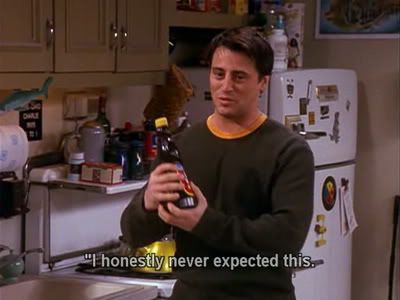
This post is a little like those episodes of Friends in which one of the cast says: “Do you remember the time when [cue wobbly vertical lines]…” and the rest of the 22-23mins is made up of clips from previous shows.

Courtesy of photobucket.com/user/xuyu79/media/blog/s7/s07e18 / Warner Bros.
Let me take you back to a post on Thursday 7 January in which we made a shameless plea to ask for your votes in the UK Blog Awards 2016.  In that post we told you how the blog’s 334 posts had received just over 167,000 views.  Eleven months on and 40 additional blog posts later, the page views have risen to nearly 325,000 - a fantastic achievement I hope you’ll agree!  I discovered this when an ambitious academic asked me if I could provide them with some killer stats about the blog to support their bid for a promotion. The power this blog wields!

This year we have had posts covering everything from Dry January, the ‘nanny state’, animation, Jamie Oliver's school dinner and sugar tax campaigns, to ‘fat shaming’, indigenous Australians, Baywatch, energy drinks, Grandmothers, e-cigarettes, and 'legal highs'.

Five years on from the blog's inception and we have reached the point where people are actively approaching us and generously giving up their time to write posts, rather than having to send in our crack team (the fear inducing) ‘blog working group’ to chase, harry and cajole*.  Could this - and the increased viewing figures - have something to do with the little matter of winning a UK Blog Award last year?  I'd like to think so.

And now, we come to the crux of this post.  It is you, our dear readers and contributors that make the blog a success and it is thanks to you that we won a national award.  So we've decided to go for it again in the UK Blog Awards 2017!

Here comes the shameless plug

The blog has again been entered into two categories: 'Health and Social Care', and 'Education'.  You can vote for us in either category but of course we would really appreciate it if you voted for us in both.

Vote now by following this link

The above link takes you to our profile page on the UK Blog Awards website in which we have chosen two of our favourite posts from 2016:
Voting closes at 10am on Monday 19 December.  One vote per email address.

Hopefully it won't be a maple syrup bottle we'll be holding aloft in celebration come April 2017!

Thank you for your support.

*We do still need your posts!  Please contact me (m.welford@tees.ac.uk) if you would like to write a post for the Fuse blog. Here’s how to take part.

Thursday, 1 December 2016

The biology of inequality and the role of the generalist

Guest post by Tony Robertson, Lecturer in Public Health, University of Stirling

My research focuses on trying to better understand how our cultural, social and economic circumstances ‘get under the skin’ to impact on our physiological systems and influence our health and the development of disease. The emergence of this field investigating the social-to-biological transition has grown over the last twenty years with the increased availability of biological measures biomarkers in many of the large, population-based health and social surveys such as Understanding Society and the English and Scottish Health Surveys. This growth in collecting simultaneous biological and social data, longitudinally (repeatedly over a period of time from the same individuals) and across the life course, is key if we are to continue to advance our knowledge of the biological and health impacts of our environments and society. So far, much of the evidence is based on cross-sectional data (data collected at only one point in time, rather than repeatedly) or where we have biomarkers measured once, but with repeat social data for the same individuals over a number of years. However, studies such as Understanding Society are beginning to provide us with biological measures from the same individuals measured over several years. This type of longitudinal data will help us to better understand how our bodies change over time and the relative importance of different stages of our lives (for example, childhood versus young adulthood).

The increase in data linkage to routinely collected data records (e.g. education surveys linked to health records) is also allowing us to research the long-term health consequences of social and economic circumstances, even after studies and surveys have stopped running. It may also be possible in the future to carry out such linkage between health and social data with biomarker data, collected when visiting your doctor for example. There are obviously many ethical, financial and practical challenges and questions linked to these types of data linkage ideas, but they offer possibilities to broaden our knowledge of the social determinants of health. It is also becoming slightly more common to see intervention studies including biomarker measures that will allow us to see the physiological effects that will be occurring long before we ‘feel’ or see changes in health, perhaps changing how we can demonstrate ‘effectiveness’.

Public health and social epidemiology are often multidisciplinary pursuits, or at least many of us arrive working in these fields from multiple academic and professional backgrounds. However, there remains a need for greater cross-discipline collaborations to help us better study the links between our social, cultural, environmental and political circumstances and our wellbeing, health and physiology. I am keen to see more biologists, epidemiologists, social scientists, statisticians etc. work together on these projects. I trained as a biologist up to and including PhD-level before moving into public health and social epidemiology. One of the key roles I now fulfil (and enjoy) is acting like a match-maker, and sometimes a translator, for lab scientists and social and public health scientists to come together to work on research projects. This type of role is becoming ever more common, especially in public health where we need a mix of specialists and more of these generalists, with expertise across a range of disciplines. This is by no means an easy role to play as it can mean being the conduit to link specialist researchers and/or practitioners together without then being able to play a leading role in the development and implementation of these research studies. It’s the ‘jack of all trades, master of none’ issue. However, without these generalists with interests and expertise that span multiple disciplines we continue to risk limiting innovation and interaction to help impact on areas like health inequalities. Perhaps the saying ‘a jack of all trades is a master of none, but oftentimes better than a master of one’ is a better representation of what I’m aiming for. I hope.

If you’re interested in finding out more, please visit Tony’s website www.BiologyOfInequality.com and you can also find him on Twitter @tonyrobertson82 

Photo attribution: 
  1. “jack-of-all-trades” by shai aharony via Flickr.com, copyright © 2016: https://www.flickr.com/photos/139807035@N05/25607414481 
  2. “match_maker_love_machine” by Capes Treasures via Flickr.com, copyright © 2012: https://www.flickr.com/photos/26652069@N07/8390808924

Thursday, 24 November 2016

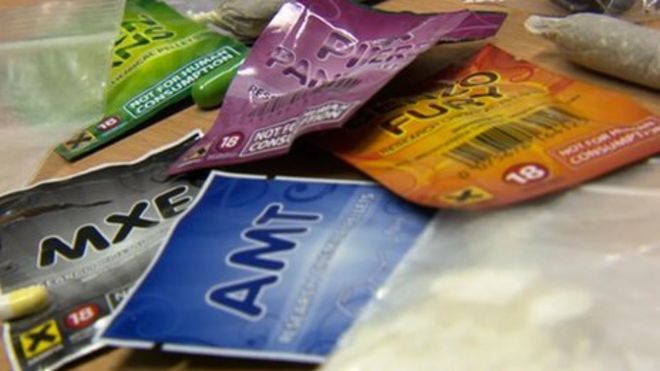
Novel Psychoactive Substances: “Cheap drug, better buzz for your money”

Posted by Fuse Associate Dr Michelle Addison, Institute of Health and Society, Newcastle University

At the beginning of November practice partners, police, health professionals, academics and service users came together at ‘The Core’ in Newcastle to discuss the impact and consequences of Novel Psychoactive Substances (NPS) – commonly known as ‘legal highs’. Before anything had even begun we had the BBC on the phone, asking if they could come and film us and interview people about NPS for their forthcoming Panorama show, airing in 2017. NPS is certainly newsworthy. It has captured the public imagination in a myriad of ways, sparking fears of an epidemic, concerns over the impact it is having on resources, and headlines from The Independent declaring Newcastle to be ‘Britain’s most addicted city’. How much truth is there in these claims and how much of this is just hyperbole? What impact are NPS having on North East England, and what are the consequences? We tackled these questions during the event, generating lively debate. These discussions were grounded in the most up-to-date research, as well as city-wide strategies to tackle NPS, and personal accounts of NPS use.

Image courtesy of the bbc website
But what are NPS I hear you ask? They’ve been around a while – they are a group of synthetic or plant based substances that mimic the effects of other more well know illicit drugs like cannabis, ecstasy and heroin – to name a few. They have become increasingly popular across most of the United Kingdom, but particularly in the North East. The law recently changed in the UK (26 May 2016) making it an offence to produce, supply, offer to supply, possess with intent to supply, import or export (including over the internet) any psychoactive substances. However, possession of NPS is not an offence except in a custodial institution. The debates during our event showed that the speed of change in this drug market and an increase in the reported associated harms of NPS have meant that they are a growing concern to local, regional and national bodies.

Professor Eugene Milne, the Director for Public Health in Newcastle Local Authority, opened the discussions by highlighting that NPS use is continuing to put pressure on available resources across emergency responders in the local area, that service providers are working hard to develop pathways to treatment, and that there are unknown long-term health consequences for this group of people. He spoke about the local and city-wide strategies that are currently being developed through a collaborative process within the ‘Task and Finish’ group focused on tackling issues around NPS use, distribution and management.

Dr Michelle Addison (that’s me!) and Dr Kelly Stockdale were up next to discuss our research, funded by N8 Policing Partnership, about the impact and consequences that NPS are having on police practitioners and substance users in the North East. We showed that NPS users are perceived to be extremely volatile in custody and the staff were concerned with managing risk – both to themselves and this vulnerable group of people. The custody nurse was viewed to be a great asset but users were still frequently transferred to A&E – creating a further resourcing challenge. NPS users felt that the substances were be highly addictive and linked to poor health outcomes. They were keen on getting help and treatment but were unsure about where to access this.

We were joined by Kieran Platts, Project Officer at Youth Homeless North East (YHNE). He gave a lively account of the really valuable work he has undertaken exploring young people’s views on NPS. This work was prompted by concerns raised through the housing and youth homeless sector who report finding it increasingly difficult to manage the impact of NPS on their resources and service users. Kieran added to the debate, saying that NPS are undermining the operational delivery of services for homeless young people and adversely effecting young people’s ability to address their individual housing and associated needs.

Professor Simon Thomas, from Newcastle University, talked about the toxicology of NPS – an elegant and accessible insight into their chemistry and toxic effects. He presented interim data from the Identification of Novel psychoActive Substances (IONA) study which is collating information about the range and prevalence of NPS that are present in patients who have ingested acutely toxic substances in the UK. He talked everyone through the emerging trends of NPS use in different areas of the UK, as well as changes over time, and differences in clinical effect.

Lorna Smith, (Public Health Registrar) and Rachael Hope (Community Safety Specialist - Drugs) Newcastle City Council, delivered important key messages about the evidence led approach underway to address NPS across Newcastle. Leading on the Task and Finish group, they have developed a detailed city-wide plan focused on understanding the circumstances of the NPS user, improving practice, and ways of protecting vulnerable groups of people. They highlighted the importance of tackling supply in the city and across the force area, but described this as an iterative process of action and learning in a relatively unknown context.

Chris Strachan, who is currently a volunteer at Positive Response to Overcoming Problems of Substance misuse (PROPS) North East, talked us through his personal account of NPS from a user perspective – offering bold and challenging insights into how users are perceived. Not all users are vulnerable and some would prefer to self-identify as psychonauts (Davey et al., 2012) – people who purposely experiment with drugs and establish detailed technical knowledge. His feelings were that practitioners should not be fearful about engaging with NPS users, adding that they are often incredibly knowledgeable about the chemical structures of these substances.

We couldn’t permit the BBC to film us for ethical reasons, but many of our speakers have been in communication with them since and will appear on Panorama in 2017. After a lot of rich debate however, Chief Inspector Lisa Hogan, Northumbria Police, brought it all together by emphasising that there are ongoing strategies and research underway to expand the evidence base around NPS – but this needs to be further developed. These discussions helped to provide in depth insight into where we are at with NPS, and what we currently know – but of course, there is more to be done. Future directions at the moment are focused on developing meaningful therapeutic interventions to help support users and understand the long-term health outcomes from NPS use.

The event Novel Psychoactive Substance (NPS) use and its consequences was delivered in partnership with Public Health England (John Liddell) and Fuse.

Join the discussion on Twitter using: #NPSimpact

Thursday, 17 November 2016

What do I really get from a conference?

Posted by Christina Cooper, Fuse Postgraduate Researcher, Faculty of Health & Life sciences, Northumbria University

As a PhD student there comes a point in your research when you are ready to start disseminating your work and opening it up to feedback from your peers. This is not only important for your personal development as a researcher, but also in demonstrating your contribution to knowledge, a vital step, the importance of which is reinforced throughout the PhD process. Conferences provide an accessible and valuable way for students to present their work, as either a poster or short oral presentation. Attending a conference can feel daunting at first, but regardless of whether you are presenting or not, the benefits of attending and participating cannot be highlighted enough. Conferences can be regional, national or international, but they all share in common the opportunity to learn from, and network with peers and experts with some shared common interest.

Far from being 'just a poster' - an opportunity to discuss my work
I am a public health PhD student at the beginning of my third, and final, year investigating what works, for whom, and in what circumstances in the prevention of risky behaviour by young people, using realist methodologies. For me, my second year felt like the ideal time to begin disseminating my work, through publishing in peer reviewed journals and attending conferences. I have participated in a number of conferences over the last year, from small university based and local regional conferences, to larger national and international conferences. Submissions so far have been in poster format, detailing various aspects of my research covering the research protocol, methodology, and early findings. Far from being ‘just a poster’ these presentations have provided me with an opportunity to discuss my work with other students, and professionals in the field, helping me to develop my ideas, make connections with those investigating similar subjects, and perhaps most importantly, to build up a support network with those in a similar position to myself. The expert advice and guidance gained from a conference is of course invaluable, but often there is nothing more reassuring, when you are struggling with a difficult concept, than hearing the words ‘me too’. Knowing you are not alone can be just the motivation you need to keep reading, keep talking, and keep going until you find a way through.

Most recently I attended the 2nd International Conference on Realist Evaluation and Synthesis held by the Centre for Advancement of Realist Evaluation and Synthesis (CARES), in London. The focus of which was Advancing Principles and Strengthening Practice. Aside from the benefits of presenting
as discussed above, attendance at this three day conference allowed me to attend talks and presentations by a wide range of researchers, including some of the biggest names in realist research. Covering subjects addressing complexity in public health research, attaining funding for realist projects, and knowledge building and translation. The breadth and depth of the material presented provided insight into the realist methodology that would be hard to gain elsewhere. In addition to these thought provoking sessions, time was given to discussion of the myriad of ways in which the realist methodology is employed in research, and how these may be developed to advance knowledge, not just within our specific fields, but also within the methodology itself. These ‘open mic’ sessions, in which disagreement was not only welcome, but encouraged, provided an opportunity to think through new ideas, allowing us to present, debate, challenge and defend our use of the realist methodology regardless of level of expertise. For me, being present for and involved in these discussions was a unique opportunity which allowed me to engage with my chosen methodology at a deeper level.

"...disagreement was not only welcome, but encouraged..."
As a student, relatively new to realism, two key themes emerged repeatedly over the course of the conference. Firstly, how do I know what I am doing is really realist? Secondly, the difficulty of grappling with the complexity of realist research as a lone working student. Both issues I have experienced myself in the last two years, and were indeed part of the reason I wanted to attend the conference; it was greatly reassuring to discover I was not the only one. Not only were there other students there feeling exactly the same way, many of the other delegates, including some of the ‘big names’ such as Professor Ray Pawson, Dr Gill Westhorp, and Professor David Byrne were able to identify with us, and provide support and encouragement. There is still a great deal of work to be done in taking the realist methodology forwards and I am excited about being a part of that, both in the work towards my PhD, and as a researcher in the future.


Photo attribution: “Academic fact fight - debate” by Frits Ahlefeldt FA-L.com via Flickr.com, copyright © 2015: https://www.flickr.com/photos/hikingartist/17163831686

Thursday, 10 November 2016

It’s complicated: health inequalities and e-cigarettes

Guest post by Frances Thirlway, Fuse Associate member, Anthropology Department, Durham University

While the e-cigarette wars continue to rage, we still have very little information on the extent to which the most disadvantaged smokers are using e-cigarettes to quit. The smoking toolkit provides invaluable information regarding overall UK usage; however, most international research into the practices of e-cigarette users has been done via on-line user groups or forums. For anyone concerned with health inequalities and the social gradient in smoking, this is of limited use since the digital divide means that e-cigarette users active on internet forums are unlikely to come from the poorer communities where smoking is now concentrated.

Figure 1: The life cycle of a vaper - but note the gendered image

In contrast, slow research ‘takes the local as a starting point’ and does this through ‘extended interaction in particular sites’ (Adams 2014 p. 181). Anthropological work involving in-depth place-based research and examining local culture as a dynamic influence can be particularly helpful in researching e-cigarette use. This is not only because user practices vary according to age, gender, class and other factors, but also because e-cigarettes themselves are not a single product. Moreover, the typical ‘user life cycle’ involves a progression from basic to more sophisticated models of e-cigarettes over time. Complete smoking cessation can happen at any point in this process and is likely to be gradual and difficult to capture in simplistic smoker/former smoker divisions, which is why research which follows smokers and quitters over months or years is needed – one participant in my recent study took three years to move from dual use of tobacco and e-cigarettes to e-cigarette use only, and he was not untypical. As Figure 1 and the associated article illustrate, most successful users start with ‘first-generation’ models, but those who persevere generally find that second-generation models and beyond are more satisfying.

The key word here is ‘successful’ - because switching from tobacco to e-cigarettes is not an easy process. I found that users: ‘struggle with the time, effort and expense involved in finding the ‘right’ e-cigarette and the frequency of product failure i.e. cheaper tank models splitting, leaking, or bubbling if over-tightened or dropped, and problems with batteries running out or failing to charge.’ This meant that: ‘unless users were highly motivated to quit, smoking was significantly easier, and often cheaper taking into account the cost of e-cigarette replacement and the ready availability of illicit tobacco.’ (Thirlway 2016 pp. 109-110)

Whilst some public bodies and individual users have started to provide information and guidance about using e-cigarettes to quit smoking, many barriers to use remain, particularly for the poorest. There is little doubt that you are more likely to switch successfully if you can afford to try different models, and replace the ones you break. It also helps if you have time to spare, a fondness for electronic gadgets and the ability to feel at home in the – largely male - vaping subculture.

These and other issues are explored further in: Thirlway, F. (2016) Everyday tactics in local moral worlds: e-cigarette practices in a working-class area of the UK. Social Science & Medicine 170 pp. 106-113

Wednesday, 2 November 2016

Too stressed for words? Involving those experiencing stress in research (part 2)

Posted by Fuse members Sonia Dalkin, Lecturer in Public Health and Wellbeing, and Natalie Forster, Senior Research Assistant, Northumbria University

Following on from our post last year on National Stress Awareness Day, and in light of the current media attention paid to welfare benefits, we wanted to take the opportunity to reflect on the difficulties of involving those experiencing stress in research. This is in relation to our recent recruitment efforts for a realist evaluation of the impact of Citizens Advice (CA) on health.

"Stress" by Bernard Goldbach
CA provide independent, impartial, confidential, and free advice to everyone on their rights and responsibilities. This includes advice on debt, benefits, employment, housing and discrimination. Throughout the study, a recurrent theme of stress has been evident. The links between stress and health are abundant. This stress lens therefore formed the health focus of the study, overcoming the difficulties of recording the variety of outcomes leading to health improvements and capturing changes to health which would only be evident beyond the study timescale. Determining if and how CA services reduce stress should enable us to project the potential health impact of CA.

We carried out a mixed methods evaluation, detailed here. This required CA clients to complete a questionnaire when they first accessed CA and six weeks later. CA staff collected the questionnaire data for the research. Twenty-seven clients were also invited to participate in interviews. CA staff were initially apprehensive about data collection, due to clients often being in crisis and therefore having extremely high levels of stress.

Initially, recruitment was very slow. This was due to a variety of factors, some of which could be related to stress:
  • Some clients were too stressed to engage in completing the questionnaire at Time 1 (initial contact with CA).
  • CA staff found it extremely difficult at times to get in contact with clients at Time 2 (six weeks later). This was often due to their own heavy workload but also due to client reluctance to answer calls from unknown numbers (CA has a withheld number) and client wishes to move on with their lives once issues had been resolved.
  • Clients were reluctant to participate in interviews because they were too stressed and had often been let down by other organisations when disclosing personal information. 
  • Some clients also suffered from severe mental health issues which meant they found the prospect of an interview very stressful. 
To overcome these barriers, several strategies were employed. These were developed collaboratively with CA, and through engagement with the project steering group.

  • We worked with CA staff to develop a bespoke questionnaire, meaning that CA staff felt confident that it was not over burdensome for clients. This included shortened versions of questionnaires where possible. Questionnaires were also carried out by a client’s named CA contact who they trusted and would be more comfortable disclosing information to.
  • We ensured that CA staff had a detailed understanding of the research aims in order to explain the research clearly to participants and gain their trust in the research. They could therefore highlight the importance of completing the Time 2 questionnaire to participants. When participants understood that the research aim was to show the ‘good work’ CA do, as opposed to focusing on their issues, they were more likely to engage. 
  • Offering interviews at a client’s home or via skype, in addition to the original offer of interviews at CA Gateshead allowed for participants to be in a location where they felt most relaxed.
  • Offering clients the option of having their named and trusted CA staff member attend the interview for the first 10 minutes allowed this trusting relationship to be transported to the interviewer.
  • Offering clients the option of having a relative or friend attend the interview also helped to put the client at ease. In one case, the client gave permission for their partner to do the interview on their behalf as they had been highly involved in the process of interacting with CA.
These improved strategies led to the collection of 261 Time 1 questionnaires with a 92 per cent follow up rate, and 23 clients participating in interviews.

Although CA staff were initially apprehensive about data collection, working in partnership and being flexible with recruitment strategies overcame this. It is important to provide all clients with the option of participating in research; presumptions of non-participation remove client autonomy which is unethical. In this research project and all research with people experiencing difficult circumstances it is essential to involve - where possible - any potential participants, the organisations working with clients, and experts, to find the most fruitful recruitment strategies.


The CA research team also consists of Monique Lhussier (Reader in Public Health and Wellbeing); Philip Hodgson (Senior Research Assistant) and Sue Carr (Professor of Public Health Research), who have all read and contributed to this blog post.

The study ‘Exposing the impact of advice services on health and inequalities’ is funded by the NIHR School for Public Health Research (SPHR), via the Public Health Practice Evaluation Scheme (PHPES). The views expressed are those of the author(s) and not necessarily those of the NHS, the NIHR or the Department of Health.


Links:


Photo attribution: “Stress” by Bernard Goldbach via Flickr.com, copyright © 2011: https://www.flickr.com/photos/topgold/6273248505