Thursday, 22 September 2016

Is the UK an intolerant society for children?

Posted by Peter van der Graaf, AskFuse Manager, Teesside University

UNICEF statistics about child wellbeing among the 29 wealthiest countries in the world made for uncomfortable reading in 2007 with the UK bottom of the league table. Children and young people in Britain were among the unhappiest, unhealthiest, poorest and least educated in the developed world in the early years of the new millennium. Since then many initiatives and policies have been implemented to increase child wellbeing in the UK and when the league table was repeated by UNICEF in 2013 the UK moved up 15 places to a mid-table position of 16th.

However, we are still behind many European countries and with the ongoing austerity measures and continued disinvestment in health and social care services for children we could find ourselves back at the bottom league in the not too distant future. This begs the questions whether ‘simply’ improving health and other services for children is enough?

According to Sir Al Aynsley-Green, Professor Emeritus of Child Health at University College London and former President of the British Medical Association, the problem runs much deeper. He argued at the Fuse Knowledge Exchange Seminar yesterday in Newcastle, titled 'Think Adult - Think Child', that the real problem in the UK is that we are becoming an intolerant society for children. He pointed to the dire straits of politics for children in the UK: not only is the voice of children lacking from national policy making (an argument that he is well positioned to make as the first Children’s Commissioner for England), the policy making itself has often been poor.

The BMA published a damning report in 2013 in which it concluded that “the national focus on children has been short term, inconsistent and untrustworthy”. Specific policies to support children, such as Every Child Matters, have been systematically eroded by consecutive governments; the recent much watered-down Childhood Obesity Strategy is another example of this and Theresa May’s new enthusiasm for grammar schools strikes further fear into the hearts of child rights advocates.

Politicians are not the only ones to blame according to Sir Al: the media regularly publish headlines about children and young people being a nuisance and causing crimes, while shops put up signs in their windows stating that dogs are welcome but that kids can only enter two at a time and, only then, without a backpack and when closely supervised. Most shockingly, public places such as railway stations are increasingly being fitted with high pitched devices that adults can’t hear but which are very unpleasant for young people and deliberately intend to drive them away.

One area where the neglect of children’s needs is particularly visible is bereavement: every 22 minutes a child in the UK loses a parent. While no routine data are collected in the UK on this group, estimates suggest that the majority of young people face the death of a close relative or friend by the time they are 16 years old. In spite of the many services available to families to help them stop smoking, exercise more and eat healthier, there is very little available for children who experience bereavement.

Sir Al presenting at the Fuse Knowledge Exchange Seminar
Specialist service providers attending the Knowledge Exchange (KE) seminar expressed their concern about not being able to cope with the current demand, as school teachers and parents lack basic skills in being able to talk to children about emotional problems, such as bereavement. In spite of this, we know from research that bereavement can have a lasting impact on the life of children long into adulthood. Bereavement in childhood has been linked to educational underachievement, joblessness, fractured adult relationships, adverse psychological and psychiatric consequences, together with poor physical health.

Sir Al’s presentation was therefore more a call to arms. What can we do in and outside Fuse to improve child health and wellbeing in the North East? Firstly, we can act as an advocate organisation to draw more attention to the needs of children and their position in society. Are their voices heard within Fuse? Do we engage with them in our projects?

Secondly, we can bring partners together across public health and related sectors in the North East to focus attention on this topic and bring together evidence and best practice to inform new collaborations. The KE seminar provided a platform for this that could be followed up. We also have a dedicated Early Life and Adolescence Programme (ELAP) within Fuse but does our research link to education and events later in the life course? For example, in Finland shops can rent a grandparent to help them engage with children when they visit their shop.

Thirdly, we need to turn this dialogue into a research agenda for child wellbeing in the North East. How can we mobilise evidence to change the prevailing attitude among politicians and the wider society so that they instead see children as valuable assets and a key policy priority for any government? This also involves challenging popular concepts, such as school readiness, which focus on individual responsibility. As Sir Al suggested at the end of the seminar, we should turn this concept around: are schools ready for children and what do they need to be able to be ready? Are they able to support children’s emotional development and can they help them to cope with bereavement experiences?

Making the UK a better place to live for children requires more than service redesign, it needs political will and consistent pressure from a coalition of organisations to achieve this, supported by actionable research to change hearts and minds.

Thursday, 15 September 2016

Dealing with emotions and breakaway training: reflections on collecting survey data in a prison

Guest post by Jennifer Ferguson, Research Associate (Alcohol Team), Teesside University

“Wear tracksuit bottoms, bring your trainers and be prepared for Judo style moves” – not something you hear every day when trying to set up data collection. Working in a prison has been an eye opener, in ways I expected, and in ways I could never have anticipated. I sit on F wing, the wing that prisoners are brought on to when they arrive. It is in the middle of this wing that I carry out surveys about brief alcohol interventions with each new prisoner for a research project at Teesside University.

When I think back to the phone call I received about “breakaway training” and how I felt on that day, (being told how to physically hurt people should I be attacked, and kicking grown men) it was all very useful and I believe necessary when working on a prison wing. However, what I should have been preparing for was how mentally challenging it is. Prison staff become hardened (through lack of choice) to what happens in there, they have to become emotionally disentangled from each prisoner, and some literally make fun of the inmates. Of course we need to know how to hide our keys, get out of basic holds, locate the alarms and know basic breakaway techniques. But the awful feeling I felt in the pit of my stomach for a vulnerable new prisoner who enquired as to where everyone was going with their towels (they were lining up for the showers), and who was told by another inmate: “swimming mate, you wanna go? Just go up there and ask ‘Mr Jones’”, will stay with me for a long time.

Prisoners don’t expect you to be nice to them, and no one uses first names. It is surnames for prisoners and Sir and Miss for staff. They don’t touch you, even to shake your hand. The language is horrific. This is just the way it is. So in my first few weeks - hearing ‘Thompson’ tell me about how he misses his wife and kids, ‘Scott’s’ emotional breakdown because he is terrified of being inside, and ‘Smith’s’ heartbreak about his childhood and battle with drink and drugs - I soon realised I didn’t need to know how to defend myself against anyone. What I needed to learn, and fast, was how to switch off emotionally in front of these grown men. I am an emotional person and could easily fill up with tears in an instant at some stories. In my time as a researcher, when writing papers, collecting data in various formats and spending hours inputting it into a statistics software package, I have never had to deal with grown men crying. That being said, I am told every day by the peer prisoners not to believe everything I am told. I will learn how to deal with my emotions and what prisoners tell me… and by then be finished data collection. I wonder if my perspective will change the more time I spend in there? 

I guess my point is that I am learning that you cannot understand everything in public health research from articles and text books. A class room cannot prepare for you for the mental challenge of working in prison setting. However, this difficult piece of data collection will be vital to our study and my development as a researcher.

Photo attribution: “Jailed.” by disastrous via Flickr.com, copyright © 2008: https://www.flickr.com/photos/bienaventurada/2912658697

Thursday, 8 September 2016

Stress is a universal experience, but is it unequally distributed across society?

Posted by Dr Joanne-Marie Cairns and Dr Emily Henderson, Durham University and Fuse.

How are you feeling today? Stressed at all?! If so, you are in good company.

Stress is so pervasive in our society that it contributed to a shocking 9.9 million working days lost in 2014/15(1), which equates to an average of 23 days per person. From an evolutionary perspective, stress is useful to animals such as humans to help us react to physical and social threats, commonly known as the ‘fight or flight’ response. According to Danielsson(2) and colleagues, stress can simply be defined as an imbalance between demands placed on us and our ability to cope with them. But if stress continues over a long period of time then a permanent imbalance may arise between the body’s degenerative (reduced growth) and regenerative (regrowth) functions. Stress can also lead to everyday problems including poor performance at work, low mood, lack of motivation, fatigue, sleep disturbance and chest and muscular pain as well as major life-limiting health problems such as high blood pressure, depression and chronic pain.


In light of these concerns, we organised a Health Summit on inequalities-related stress, with colleagues from the Local Area Research & Intelligence Association (LARIA), the Wolfson Research Institute for Health and Wellbeing, and Fuse - the Centre for Translational Research in Public Health. This event was hugely popular and brought together a wonderful mix of delegates and speakers from policy, practice and academia, from the North East and across the UK. The programme, which includes a list of speakers and a description of the talks, can be found here.

While stress can be a universal experience, it doesn’t manifest equally amongst certain population groups. For instance, Thoits(3) conducted a review which highlighted how unequally high exposure to stress by women and people in lower socioeconomic and minority groups lead to inequalities in health outcomes. Moreover, we see health inequalities accumulate over the life course as a result of this unequal distribution of disadvantage, for example Thoits refers to a study conducted by Turner and colleagues(4) that examined the effect of cumulative stressors in adults. These stressors that accumulated over time, explained a significant 50 per cent of the Socioeconomic status (SES) gap in depressive symptoms.

What are health inequalities then? These are differences in health status or determinants of health between different population groups. There are also intersecting inequalities, for example, if you are a lone parent but also on a low income, living in a disadvantaged area. Moreover, coping mechanisms sometimes adopted to mitigate stress can be health-damaging and lead to other forms of health problems, such as smoking or alcohol misuse. John Watson (Deputy Chief Executive, Action on Smoking & Health (ASH) Scotland) quite rightly argues that smoking IS NOT A LIFESTYLE ISSUE; rather in his words it is a form of medication to society’s maladies. Just think of the current global economic downturn as a societal issue that can be at the root cause of individual depression. As well, unequal access to jobs (at least good jobs that aren’t precarious in nature or that might lack autonomy) or good schools, which already limit an individual’s future prospects and may as a result contribute to psychosocial stress and poorer health highlighting the structural factors that are beyond the individual. Furthermore, stress at the population-level can manifest into geographical health inequalities. Data published by the Health and Social Care Information Centre (HSCIC) shows that the North East Strategic Health Authority (SHA) had the highest admission rate due to anxiety of any of England's 10 SHAs (just under 24 per 100,000 of the population), while South Central SHA had the lowest (at nearly 11 per 100,000), mirroring other health outcomes and shows the stark North-South health divide in England.

‘Lifestyle’ is used ubiquitously in current public discourse, and can be understood as a set of factors that describe a person’s daily living. Obesity-related lifestyle often refers to people’s behaviours and apparent food choices(5). These so-called behaviours are ways in which individuals respond to challenging circumstances. They are not choices in the purest sense of the word. Rather, an individual may be experiencing financial difficulties and, feeling the demands in their life which outweigh their ability to cope, may respond to the situation by smoking, drinking or comfort eating. But what is actually causing the financial difficulty in the first place? Are individuals to blame for reacting to the bleak reality of poverty and the social gradient they find themselves in? The seminal work by Sir Michael Marmot tells us that we instead need to consider the “causes of the causes” of inequality, not just the symptoms. Politics is also important, as we have seen in the government’s release of the new obesity strategy which continues to support healthy choices, and maintains the voluntary efforts by industry by suggesting a 5 per cent sugar reduction in children’s food and drink. The chairwoman of the Health Select Committee, Dr Wollaston, told BBC Radio 5 live that “it does show the hand of big industry lobbyists and that’s really disappointing”(6). A key political talking point relates to the fact that what was a 50-page document was shortened to a mere 10 pages which does not do something as complex as obesity justice – it was “weak and watered down”.

To sum up, the discussions from our Health Summit supported the principle of moving away from individualised and stigmatising conceptions of unhealthy behaviours; after all it is not just poor people that behave poorly!


References:
  1. Figures obtained from: http://www.hse.gov.uk/statistics/causdis/stress/ [last accessed 17/08/16]
  2. Danielsson M, Heimerson I, Lundberg U, Perski A, Stefansson C-G, Ɓkerstedt T. 2012. Psychosocial stress and health problems. Scandinavian Journal of Public Health, 40(9):121-134.
  3. Thoits PA. 2010. Stress and Health: Major finding and policy implications. Journal of Health and Social Behavior, 51(s):41-53.
  4. Turner R, Jay and William R. Avison. 2003. Status Variations in Stress Exposure: Implications for the Interpretation of Research on Race, Socioeconomic Status, and Gender. Journal of Health and Social Behavior,44:488–505.
  5. Nettleton S. Lay health beliefs, lifestyles and risk. The sociology of health and illness. 2nd ed. Cambridge: Polity Press; 2006. p. 33-70.
  6. http://www.bbc.co.uk/news/health-37108767 [last accessed 19/08/16]

Tuesday, 30 August 2016

Where you live can kill you

Posted by Clare Bambra, Associate Director of Fuse and Professor of Public Health Geography, Durham University

In 1842, the English social reformer Edwin Chadwick documented a 30-year discrepancy between the life expectancy of men in the poorest social classes and the gentry. He also found a North-South health divide with people from all social classes faring better in the rural South than in the industrial North.

Today, these inequalities persist. People in the most affluent areas of the United Kingdom, such as Kensington and Chelsea, can expect to live 14 years longer than those in the poorest areas, such as Glasgow or Blackpool. Men and women in the North of England will, on average die two years earlier than those in the South. Scottish people also suffer a health penalty with the highest mortality rates in Western Europe.

House for sale in New Orleans
Such geographical inequalities in health exist, to varying degrees, in all high-income countries. People living in more deprived areas fare particularly badly in the casino capitalism of the United States; where gaps in life expectancy between rich and poor areas of some cities, such as New Orleans, are as large as 25 years. Indeed, the US as a whole has a significant health disadvantage in comparison to other high-income countries with, for example, American men living on average three years less than their counterparts in France and five years less than Swiss men.

Understanding and reducing these health inequalities remains a major public-policy challenge worldwide and has garnered significant recent political attention. For example, in her opening speech on the steps of 10 Downing Street, the new British Prime Minister Theresa May highlighted the nine-year gap in life expectancy between the richest and the poorest boys in England. It is not only a moral issue though; health inequalities carry significant economic costs to individuals and society (e.g. NHS costs, lost productivity). But the causes of such inequalities are complex and the solutions contested.

Explaining health and place


Where you live affects how long you live and the health of different places is determined both by the population composition (who lives here) and the environmental context (where you live).

Who lives here? The demographic, health behaviours and socio-economic profile of the people within a place influences its health outcomes. Generally speaking, health deteriorates with age, women live longer than men, and health status also varies by ethnicity. Levels of smoking, alcohol, physical activity, diet, and drugs – all influence the health of populations significantly. The socio-economic status – or social class in “old money” – of people living in a country also matters as those with higher occupational status (e.g. professionals such as teachers or lawyers) have better health outcomes than non-professional workers (e.g. manual workers). So differences in the characteristics of people living in a country, city or neighbourhood will impact on the health of that place.

However, where you live matters. The economic environment of a country, such as poverty rates, unemployment rates, or wage levels can all influence public health. The social environment, including the services provided within a country to support people in their daily lives such as child care or health care and welfare, can also impact on population level health. The physical environment is also an important determinant with research suggesting that proximity to waste facilities and brownfield or contaminated land, as well as levels of air pollution can negatively affect health. So countries, cities or neighbourhoods with worse economic, social or physical environments will have worse health outcomes.

Reducing health inequalities


Even though both composition and context matter, and can be supported by scientific evidence, politics can matter more than science in determining which strategies policymakers pursue to reduce health divides – or if they even care about inequalities at all. After all, some potential solutions are politically easier to implement within existing systems than others.

For example, interventions aimed at changing individual health behaviours are far less challenging to prevailing power structures than those that demand extensive investment in improving the social economic environment. Indeed, by blaming people for their own health problems, such interventions let governments and businesses off the hook for the wider economic, social and environmental determinants of health inequalities.

Such “downstream” approaches only tackle one side of the coin and there is little evidence that lifestyle interventions are effective in reducing health inequalities: more comprehensive measures are needed. Most of the health gains over the nineteenth and twentieth centuries were brought about by far-reaching economic, political, and social reforms which improved the wider environment and also significantly improved the financial position of the poorest people.

It has been clearly demonstrated that more equal societies almost always do better in health terms and the poorest and most vulnerable groups, say in Sweden or Norway, are far healthier and live longer than the equivalent groups in the UK or the US. These countries have done so through the development of a stable, inclusive economy, a supportive welfare system and a high standard of living.

So, where you live matters for how long you live – and changing how we live could reduce health inequalties.


Professor Bambra’s book Health Divides: where you live can kill you is available now from Policy Press.

Clare Bambra
Professor of Public Health Geography, Department of Geography, Durham University, Associate Director of Fuse: the Centre for Translational Research in Public Health and lead of the Health Inequalities research programme
Twitter @ProfBambra


Photo attribution: “House for sale, New Orleans” by K.G. Schneider via Flickr.com, copyright © 2006: https://www.flickr.com/photos/kgs/177196564/in/

Thursday, 4 August 2016

Au revoir et bonnes vacances

Posted by Emma DorƩe, Fuse Communications Assistant, Teesside University

The blog has spent the last few weeks trying to stay motivated at work whilst watching everyone else share their holiday snaps on social media - enough of the hot-dog legs, already!  It feels as though everyone is enjoying a nice relaxing break except for the blog. However that is all about to change as it is holiday time!

It’s been another busy (academic) year for the blog but the crowning glory has to be winning the award for best blog in the Education category at this year's UK Blog Awards. A fantastic achievement for everyone involved, especially as this was the first time the Fuse blog had been nominated.

So where is the blog going on holiday this year I hear you ask? Well, instead of going abroad it is having an ever so trendy ‘staycation’ and going to the Lake District. This will be a good chance for the blog to get away from its desk, do some physical activity and take in the lovely views. Not to mention, improve its chances of catching some water-type PokĆ©mon - gotta catch 'em all!
Saying goodbye to friends at Teesside University

As well as the blog taking a well-deserved break, this will be my last blog post as a Communications Assistant for Fuse. After having a holiday myself in the sunny south of France, I will be working at West Park Hospital in Darlington as a Communications Assistant.

I have really enjoyed my time working for Fuse and have gained much experience and many skills from being given the opportunity of working in this post. Working as part of a great team to help the blog to victory in the UK Blog Awards has definitely been one of my greatest achievements and something that I will treasure.

So that’s it! It’s farewell from me and happy holidays from the blog.

The blog will return in September with many more exciting posts about public health. Enjoy your summer everyone!


--------------------------------------------------------------------------------------------------------------------------


We still need your 500-700 word blog posts so that we can start September in style.

Please email them to Mark Welford (m.welford@tees.ac.uk).

Here’s how to take part and why you should blog.


Thursday, 28 July 2016

Making an impact with your research: may I have this dance?

Posted by Peter van der Graaf, AskFuse Manager, Teesside University

Early career researchers from the five UK Public Health Research Centres of Excellence met recently (14-15 July) in Norwich to discuss their research and bust out a few moves on the dancefloor at the conference dinner. While some career-focused academics (the conference theme was about career transitions) might frown upon this behaviour, the policy and practice partners participating in the conference made it very clear that, for them, dancing is a key move in public health, particularly if you want to make an impact with your research. 

Before you don your dancing shoes, let me explain what keynote speaker Jim McManus, Director of Public Health at Hertfordshire County, was talking about. He argued that knowledge exchange is not really a science or even an art but very much a dance: a dance between researchers and policy makers about the use of research evidence. To complete this dance successfully and get evidence used in commissioning, both partners need to follow certain steps. However, learning the steps (science) or performing them perfectly (art) is not sufficient: it requires instinct and feel for where you are in the dance and why you are doing it.

You need to understand who you are engaging with and why they are the best partner to talk to. How would you like them to use your evidence and why would it be of interest/ value to them? In other words, as a researcher it is not enough to present your partner with the latest evidence. You need to know when and how to use your evidence and this cannot be gleaned from an internet profile page or academic paper, but is based on an ongoing relationship with policy makers. As the context and process in which evidence is useful changes constantly it is an important skill for researchers to be able “to go with the music”.
 
https://twitter.com/okaneniamh/status/753700134605754368 
For instance, if a public health commissioner is challenged in a council meeting by an elected member about the lack of progress in bringing down local childhood obesity, it is of limited use to the commissioner to cite a research paper on the complexity of obesity and the need for a long-term, multi-pronged approach, particularly in times of austerity. A better move could be to signpost the commissioner to an existing two-page evidence brief about the most effective way to reduce inequalities in childhood obesity. A more elaborate dance routine could involve suggesting an action research project to identify how to make better use of existing services in a more integrated way, based on in-depth conversations with elected members and other service providers and users.

To get a better feel for the music, Jim McManus emphasised the need for emotional engagement between researchers and policy makers. A heart-to-heart helps you feel the steps and allows you to adapt your steps based on where you are going. This might sound difficult and un-academic but, given what I witnessed at the evening do, the participants at the UKCRC16 conference in Norwich proved that they were more than happy to move around the dancefloor with our public health partners, given the right music.

Thursday, 21 July 2016

What should we do about children and young people’s consumption of energy drinks?

Guest post by Shelina Visram, Fuse Associate and Lecturer in the Centre for Public Policy & Health, Durham University

Did you know that cigarettes are the only product on the market that, when used exactly as intended by their manufacturers, will kill around half of their users? And yet you can buy them legally in every country of the world, with the exception of Bhutan? But you probably knew that already (except maybe the bit about Bhutan). It’s just one example of the type of paradoxical situation that occurs when public health evidence suggests we should do something and this is then contradicted by the actions of government and industry.

Here’s another example: did you know that energy drink consumption by school-age children is linked to hyperactivity, risky behaviours and health complaints such as headaches and stomach aches? And yet children of any age can buy these drinks in a variety of shops? You may have heard that the supermarket chain Morrisons banned sales of energy drinks to under 16s, but this was a trial that ended in early 2015. Some retailers choose not to sell energy drinks to younger children – often in response to pleas from teachers at nearby schools – but they do this on a voluntary basis and have to accept that they will probably lose revenue as a result.


Regular readers of this blog may be aware that Fuse members have been involved in conducting research on youth energy drink consumption over the past couple of years (you can read previous blog entries here and here). You may have read our Fuse brief, seen us present our findings at a seminar or conference, or downloaded our report from the HYPER! study website. So why the renewed call for action? At a time when the Government’s delayed childhood obesity strategy has been described as "pathetic", we need to take every opportunity to push for clear messages around food and health. We have worked with the Food Research Collaboration (FRC) to produce a briefing paper – published today – that clearly sets out the main ingredients of energy drinks, the current market situation, the scientific evidence base, and existing interventions, ranging from school-based educational activities to country-wide bans. The paper concludes with a series of recommendations on what could (and should) be done by policy-makers and others to address this issue.

To go back to the example of cigarettes, we know that sales and marketing restrictions are key factors in preventing uptake of smoking by children and young people, even if they do not eradicate the problem completely. Obviously energy drinks are nowhere near as harmful as cigarettes. They do not kill one in two consumers. But, like all sugar-sweetened beverages, they do contribute to increasing levels of childhood obesity and type 2 diabetes, as well as poor dental health. By law, energy drink labels must include the following warning: “High caffeine content. Not recommended for children or pregnant or breastfeeding women”. So isn’t it time we stopped sending out conflicting messages and made it clear that these drinks are not suitable for children and young people?

Download the briefing paper Energy Drinks: What’s the evidence? written by Shelina Visram (Durham University) and Kawther Hashem (Action on Sugar).


Illustration: Cathy Wilcox via http://www.essentialkids.com.au/food/nutrition/caffeine-concern-over-teens-and-energy-drinks-20130905-2t6hb

Thursday, 14 July 2016

Interdisciplinarity – facilitated serendipity?

Guest post by Jane Johnson, PhD student at Teesside University

With Professor Brian Caulfield booked to speak at the European Congress of the World Confederation of Physiotherapy Therapy in November on the topic of ‘the impact of interdisciplinary engagement’, and physiotherapists being encouraged to get out of discipline thinking (1), this is a topic I am coming to think about more and more, not least because my PhD involves supervisors from various fields. There is myself and the Director of Studies, both physiotherapists and from the School of Health and Social Care, a senior lecturer from the School of Computing, a professor of psychology from the School of Social Sciences, Business and Law, plus a Director of Research from the Anglo European College of Chiropractic; input has been necessary from a patenting specialist.

 Interdisciplinarity ‘…involves teams or individuals that integrate information, data, techniques, tools, perspectives, concepts, and/or theories from two or more disciplines or bodies of specialized knowledge to advance a fundamental understanding or to solve problems whose solutions are beyond the scope of a single discipline’ (3). Perhaps because it is …. ‘a term that everyone invokes and none understands’ (2) that I jumped at the chance of attending a free workshop* on this topic, welcoming the opportunity to explore how best to maximise the potential of this collaborative approach.

Asked to consider how we defined our disciplines, it was interesting to discover that whilst myself (physiotherapy), Profession Jane McNaughton (medicine), Andrew Rathbone (pharmacy) and Samuel Azubuike (public health) defined our disciplines in terms of codes of conduct and a sense of rigidity, workshop attendees from the fields of anthropology, theology, sociology, history and english defined themselves according to the methodologies they employed. This in itself was telling and got me thinking about how different disciplines understand and use common words. For example, in my own research, how physiotherapists, psychologists and those from the computing world use the word ‘functionality’ needs clarification in order for us to work together efficiently.

During the workshop we considered how disciplines linked to one another and I reflected that with respect to my own work, linkages came about in both a structured and an unstructured way: some team members were involved from the onset, others have been brought on board as the PhD has evolved. During the first nine months of this project I have come to understand that whilst one must have structure, fluidity is important too, and I am put in mind of the presentation given by Sir Ken Robinson in which he describes how life is not linear but serendipitous (4). I am a planner by nature and came home pondering how one follows a structure whilst leaving space for chance meetings. Some of the most useful contacts I have made in the first nine months of this PhD have been through attending workshops outside of my discipline. There is a need for balancing how many conferences, workshops and seminars one attends, where opportunities exist to meet people from other disciplines who may turn out to be helpful but where this is not guaranteed, against the necessity of following the designated research path. My conclusion is that there needs to be a kind of facilitated serendipity, a contradiction in terms I know.
------------------------------------------------------------------------------------------------------------------------------------------------------------------------------------------------------

References

*Supported by the Welcome Trust, the workshop The Practice, Benefits and Challenges of Interdisciplinarity hosted by the Medical Humanities Department at Durham University.

(1) Hitchcock, G. (2016) ‘Physios must get out of discipline thinking’, Frontline 22, 15 June, p.8.
(2) Cited in Mansilla, V., Lamont, M. and Sato, K., 2015. Shared Cognitive–Emotional–Interactional Platforms: Markers and Conditions for Successful Interdisciplinary Collaborations. Science, Technology, & Human Values, 1-42
(3) Callard, F. and Fitzgerald, D., 2015. Rethinking interdisciplinarity across the social sciences and neurosciences. Palgrave Macmillan. P.4
(4) School of Life & Passion - Ken Robinson - POWERFUL!!
https://www.youtube.com/watch?v=nj0NXky1rh8

Thursday, 7 July 2016

Keeping up with the pace of physical activity research

Posted by Liane Azevedo, Fuse staff member and Senior Lecturer in Physical Activity and Public Health, Teesside University

The American College of Sports Medicine (ACSM) Annual Meeting takes place at an intense pace with around 20 sessions running in parallel from 8am to 5pm for four days. I have been attending the conference since the year 2000 and at first really struggled to understand the language and content, often returning to my room completely drained and with a thumping headache.

Things are a little bit better now and I was brave enough this year to stand up in quite a few sessions to ask questions. Of course my heart rate was racing but in my early years at the conference just the thought of standing up in front of so many renowned researchers would cause me palpitations.

There were quite a few presentation highlights for me this year, so much so that I’m going to need two blog posts to cover them. Here I’ll talk about the prestigious Joseph B. Wolffe Memorial Lecture, physical activity interventions in children, and an interesting presentation which gave an evolutionary perspective on whether changes in energy expenditure contribute to the problems of obesity.

Liane with her poster at the ACSM Annual Meeting
So let’s start… The Joseph B Wolffe Memorial Lecture (named in memory of the first ACSM President) was delivered by Prof Russell R. Pate from University of South Carolina. Prof Pate is well known by all who do research in physical activity in children. With more than 300 publications in the field, his works mainly concentrate on children, from pre-school to school intervention and policy implementation (he is a member of the US Physical Activity Guidelines Advisory Committee). From all the papers that Prof Pate has written, the articles on pre-school children are those that I am most interested. He showed some data that children spend only 3 per cent of their time in moderate to vigorous physical activity and were sedentary for more than 80 per cent of the time when attending childcare. He then used policy recommendations in US childcare to show that few regulations in childcare are consistent with this recommendation. Surprisingly, no state in the USA has regulations in place for staff joining children in physical activity, and about providing education to carers to increase physical activity. Professor Pate then showed some initiatives that are taking place, for example ABC Grow. This is something that I would be really keen to see in the UK too, having a child that has just recently left the childcare setting and knowing about the limited opportunities and training currently provided here.

In another symposium, I heard about current approaches (and difficulties) to do with helping kids move. There is a great initiative from UNICEF called Kid Power in which by making children active (tracked by an arm band pedometer) it unlocks food packages for malnourished children across the world. The symposium also talked about another initiative running in the United States that is supported by Michelle Obama called The Aspen Institute Project Play. Take a look at this video in which the First Lady talks about the numerous physical activity opportunities for affluent kids and the absence of opportunities for those who are deprived, very thought-provoking….

Finally, I went to a very intriguing presentation, which gave an evolutionary perspective on whether changes in energy expenditure contribute to the problems of obesity. The presenters showed studies from hunter-gatherers and other African rural societies that revealed a lack of association between total energy expenditure and obesity, and that activity energy expenditure is the same between Nigerian and American women but American women are more obese. They also showed that hunter-gatherer populations had surprisingly similar total energy expenditure to adults from developed countries. The presenters suggested that ‘traditional’ lifestyles (without an exercise intervention) may not protect against obesity, and change in diet might be important to reduce the trends of obesity seen in our society (this is a good reading if interested).

In my next blog I will talk about the most recent updates on sedentary behaviour research, interventions to promote physical activity and academic performance, how my own presentation went, and about an interesting debate entitled ‘Who Wins: The Tortoise or the Hare in the Race for Health Benefits?’ which talked about the health benefits of sedentary behaviour, moderate physical activity and high-intensity physical activity. See you then…

Acknowledgment: Liane Azevedo would like to thank Fuse and Teesside University for the support to attend this Conference.

The 63rd American College of Sports Medicine Annual Meeting was held in Boston with around 5,500 people attending from all disciplines related to exercise science and sports medicine.

Thursday, 30 June 2016

Learning to be a researcher

Guest post by Jane Johnson, PhD student at Teesside University

Have you ever had the experience of thrusting your hand into the air, “Oo! Oo! Pick me! Pick me!” and afterwards think, “Uh oh, why did I offer to do that?” Despite being invited to give a poster presentation at CAMSTRAND, the Complementary and Alternative Medicine Strategic Direction and Development Conference hosted by University of Warwick’s Medical School, I felt apprehensive. The topic of the conference was ‘The Application of Qualitative Methods in CAM Research’ and not only is my research mostly quantitative, I have only been doing the PhD for eight months so thought, “how on earth will I hold my own in a room of forty experienced researchers?” My intention to seek out and explore opportunities to learn and to contribute during the limited PhD time frame of 36 months had yet again left me with my hand up, and not in an air-punching Bruce Springsteen Born in the U.S.A. kind of way.

But I was glad to have been brave enough to attend because the experience was invaluable for many reasons. I heard 18 presentations and in addition to learning about the variety and content of on-going qualitative research into complementary therapies, discovered the following:
  • Standing up in front of experienced researchers gave me heartburn but not heart failure.
  • Even experienced researchers don’t always get their point across to the audience in the way they intend.
  • Researchers are curious. They ask questions and reflect on what people say.
  • For the most part, researchers want to share their experiences to help prevent other researchers making the same mistakes.
  • Researchers are solution-focused. They can’t help but start questions with, “have you thought of trying…”
  • Researchers like to network.
  • Everyone presents their posters differently. I made a mental note to make the font size of the title of future posters even larger than PowerPoint’s recommended 24 and to use more yellow.
  • Even as a novice researcher I can contribute. I helped out two attendees who were struggling to understand the concept of ‘coding’, proving that sitting in on Dr Maura Banim’s qualitative methods lessons at Teesside Uni has not been wasted on me.
  • The abstract that got me accepted to CAMSTRAND will be published in The European Journal of Integrative Medicine and the discipline of having to put this together was useful.
Even when you think you are alone at a conference, there are opportunities for surprise and comradery. “Oh you’re that Jane Johnson,” said a woman noting my name badge, “I was looking at one of your books the other day in the library.” I braced myself ready to explain that I didn’t write novels featuring romance in the Moroccan desert. “Posture …something,” she said. I relaxed. “Yes,” I confirmed, “I was that Jane Johnson”, suddenly feeling an affinity for a woman I’d never met and slightly more at ease.

CAMSTRAND is an annual conference organised by the Research Council for Complementary Medicine and I look forward to attending other conferences that provide equally good opportunities for me to learn how to be a researcher.

Thursday, 23 June 2016

‘First, do no harm’: How to think about austerity and public health

Posted by Ted Schrecker, Fuse Associate and Professor of Global Health Policy, Durham University

The current ‘neoliberal epidemic’ of (selective) austerity directs our attention to public health impacts of choices about public finance in several ways. Most fundamentally, anticipated post-2015 public expenditure cuts in the UK will reduce public expenditure as a proportion of Gross Domestic Product (GDP) to the levels of the 1930s, ‘taking the size of the state to its smallest in many generations’, in the words of a 2014 Institute for Fiscal Studies briefing. In fact, on recent projections by 2020 public spending in the UK as a proportion of GDP will be below the figure for the US, despite the latter country’s bloated defence budget. It is implausible that a National Health Service that is free at the point of use can be maintained with pre-World War II levels of public spending. Even a brief conversation with anyone familiar with US health care reminds us just how much that matters.

Meanwhile, the health consequences of social spending cuts that fall disproportionately on the poorest people and regions are beginning to be manifest in rising food insecurity and increased use of food banks – the latter trend probably related to the rising rates at which benefit recipients are sanctioned. Further health impacts, more difficult to isolate epidemiologically but probably at least as significant, are associated with the stresses of chronic insecurity, powerlessness, and lack of ‘control over destiny’.

There is a basic ethical and political point here about the politics of evidence. Sir Michael Marmot and colleagues wrote in 2010 that ‘It is hard to see how even ideologically driven commentators could think that having insufficient money to live on is irrelevant to health inequalities’. Good point.

In a previous blog with Clare Bambra, we demonstrated that politics can make us sick; Clare recently wrote a similar blog highlighting large health divides across Europe, showing that where you live (and the health policies implemented there) strongly affects how long you live. Against the background of austerity and the rising costs of healthy diets, it is indefensible to ask public health professionals and advocates to demonstrate, over and over again, that (for example) inadequate incomes lead to unhealthy diets and poor health. Rather, the burden of proof should be shifted: we must insist on clear and convincing evidence that national governments’ choices about the level and composition of public expenditure first, do no harm to health, except in extraordinary and clearly justified circumstances. This is an important part of the case for (independent, third party, adequately resourced) health impact assessments, especially of policies and programmes outside the health sector. Such a shift in the burden of proof is also congruent with the strong presumption in international law against retrogression (backsliding) with respect to human rights such as the right to health – a presumption that assumes special importance in an era of austerity.
Is corporate tax avoidance a public health issue?
Public finance, then, is a public health issue. This point applies to the revenue side, as well. The publication of the ‘Panama papers’ reminds us of the extent to which cross-border tax avoidance, whether legal or questionably legal, represents one of the ‘fiscal termites’ that can undermine states’ ability to provide everyone with the prerequisites for a healthy life. (Interestingly, the phrase ‘fiscal termites’ was coined by the former director of the International Monetary Fund’s Fiscal Affairs Department.) The question of how maintaining health services free at the point of use and investing effectively in prevention could be financed should be asked as a routine element of public health practice and advocacy – part of a broader strategy of interrogating scarcity. One answer could be using revenues from clamping down on UK corporate taxes avoided by major transnational corporations. In the real world, resources can almost always be found for the purposes of the powerful: think HS2, Trident renewal, and so on.

Choices about public finance are political choices with consequences for health and health inequalities; academics and practitioners must not be shy about pointing out those consequences.


A more extensive list of references is available from the author.  All views expressed are exclusively those of the author.

Photo: Servizi Mediali.  Reproduced under a Creative commons 2.0 licence

Thursday, 16 June 2016

Being critical of how bodies are ‘sinking’ the NHS: Lessons from the University of Wollongong (Part 2 of 3)

Guest post by Stephanie Morris, PhD Candidate at Durham University

My time at The University of Wollongong has been one of the biggest learning experiences so far on my Overseas Institutional Visit to Australia. My conversations with scholars there have led me to think more critically and question the status quo regarding physical activity, health and obesity. I had many conversations with Professor Jan Wright that made me realise the way in which physical activity is often promoted may have some unintended consequences for the health and wellbeing of those whose behaviours public health initiatives constantly seek to change.

The University of Wollongong
Many academics and practitioners stress the importance of understanding the political economy of health and health inequalities yet it appears that the media and other discourses in our neoliberal society remain focused on stigmatising individual bodies and their behaviours. I came across an article in The Spectator (a conservative magazine) recently entitled, Our NHS will sink under the weight of Britain’s fatties. The title alone got my blood curdling but one paragraph written by Dr Dawn Harper stood out in particular. It went as follows:

If you are a woman with a waist greater than 32in (80cm) or a man with a waist greater than 37in (94cm) you are at risk of type 2 diabetes. If you are a woman with a waist circumference greater than 35in (88cm) or a man with a waist greater than 40in (102cm) then your risk is very high… For your sake and for the sake of our beloved NHS, take this as a warning shot across your bow and get yourself on a healthy living plan.

Now, the first thing I thought about this extract was how fear mongering and morally loaded its tone was. The emphasis is put on the individual for being a bad citizen, immorally and self-indulgently sinking the NHS. Yet, causations and prevalence of obesity and diabetes is much more complex than a waist circumference category. The key question that I wish to raise here stems from the work of two critical scholars, Gard and Wright (2005), whose work is part of the literature critiquing the ‘obesity epidemic’, the link between body size and diseases like diabetes, and health education curriculums. They ask whether the prevalence of such obesity discourses are actually more connected with the morality included in cultural attitudes concerning fatness than about the clear communication of objective and conclusive scientific knowledge. I am not suggesting that there is no reason for some focus on body weight and size, nor am I attempting to condemn all quantitative research in this area. However, I am questioning what implications such a focus on the body might have for people, and future research and policy. First, many have argued that focusing on the individual body distracts us as researchers and citizens from looking at wider structural issues and health inequalities that need to be researched and addressed. Second, others show obesity discourses and 'Healthism' (a term coined by Crawford (1980) to describe a discourse where individuals are held morally responsible for their own health. Individuals then self-monitor and manage their health by objectifying the body.) fuel body dissatisfaction, feelings of guilt and eating disorders, thus negatively impacting on the wellbeing of children and young people.

Positive vibes from a hostel in Sydney
Due to these negative consequences on people's wellbeing I ask what we as scholars, practitioners and third sector workers in the field of public health really consider ‘health’ to be? Do we consider 'health' to be “a state of complete physical, mental and social wellbeing and not merely the absence of disease or infirmity” (The WHO definition)? Or do we view ‘healthy’ as appearing as an active and slim body? There are movements away from focusing on weight and body size, including Health at Every Size (HAES) – which Peter van der Graaf also writes about in this blog post – that focuses on promoting happiness in eating and an enjoyment of movement in life. Although HAES has been critiqued by many I wonder if some of its elements can be valuable. I do not think continually worrying about one’s body or fat composition is a ‘healthy’ way to grow up or live, as I don’t think it helps achieve “physical, mental and social wellbeing”. Moreover, perhaps if we stop fixating on the body and move away from changing individual behaviours we might consider societal inequalities more and help reduce inequalities that constrain people’s daily lives. What do you think?

Thursday, 9 June 2016

Aspiring to new lows in North West waistlines

Guest post by Naoimh McMahon, Postgraduate student, NIHR CLAHRC NWC

In theory weight management is a ‘simple’ balance between consuming enough energy to adequately fuel ourselves and moving enough to ensure that extra energy is used up. However, in reality there is a complex web of influences that determine our eating and activity habits. We are becoming increasingly more sedentary and are prone to consuming more energy-dense foods. This combination is making the energy balance harder to achieve. When it comes to weight management interventions, what works for one individual is rarely guaranteed to work for the next and so there are real challenges to understand what the right mix of actions are to enable people to achieve and maintain a healthy weight.

Last summer, when preparing a doctoral fellowship application I met with providers and service users from a range of local health improvement initiatives in the North West of England. I was really intrigued by one initiative in particular called Aspire. Aspire is a weight loss programme delivered by a local charity. The design of the programme was unlike any other weight loss programme I had encountered and there was a real sense of personal investment in the programme from both the providers and participants. The thinking behind Aspire is that for individuals who have a lot of weight to lose, intensive and ongoing support is needed to make a positive and sustainable change. The programme runs for 26 weeks and each group has 12 participants. Aspire includes all the traditional elements that you would expect to find in a weight loss programme such as advice and education on food and healthy eating. It also supports participants, many of whom have a body mass index (BMI) of over 35, to engage in graded physical activity.

I think what I found most intriguing about this programme was the emphasis it placed on the person, trying to build confidence and esteem to really convince people that they could achieve their weight loss goals. For example one of the activities that participants spoke about with most feeling was a step climb in a local park at the beginning of the programme. The Aspire providers discussed how this activity served two purposes: (i) to act as a ‘shock to the system’ by allowing the participants to really reflect on their current fitness levels and (ii) to provide a goal to work towards and make a commitment that it will never be that hard again. The group returned to this step climb at the end of the 26 weeks with smart phones in tow and there is some really fantastic footage that captures the excitement and pride at the progress they had made along with the disbelief at how it had once taken hours to complete.

There is never a ‘one size fits all’ and any programme will work for some but not for others. It certainly seems like now it is less about finding a single ‘effective’ or ‘perfect’ programme and more about trying to understand what it is about programmes that enable different people to make positive and sustainable changes. I think we will all know people personally who have taken control over their weight by stumbling upon park runs and ‘getting the bug’ or by using commercial weight loss programmes such as Weight Watchers or Slimming World - finding a system that really works for them. Like other weight loss programmes, there were Aspire participants who did not achieve their goal weight and there were participants who regained the weight that they had worked so hard to lose. What is important is not to write-off such efforts as ‘ineffective’ but to get a better understanding of how and why these outcomes came about. Aspire is only one example of a novel approach to enable people to lose weight but there are certainly elements that have been particularly effective for some participants.


Find out more about the programme and how participants felt about what worked for them.

Thursday, 2 June 2016

Boring to Baywatch

Guest post by Jane Johnson, PhD Researcher at Teesside University

The title of this post is perhaps not what you’d expect to hear at an academic conference but then again not all conferences broach the tricky subject of ‘sexy communication’.

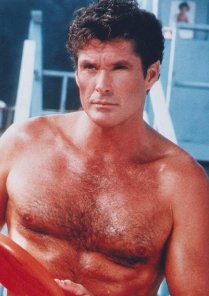
The Hoff
This month I was invited - and funded thanks to help from Teesside University and the Royal College of Chiropractors (RCC) - to present an outline of my PhD at the Researchers’ Day of the European Chiropractors’ Union (ECU) Convention in Oslo. The theme for researchers was Down from the Ivory Towers: Breaking Down the Barriers Between Research and Clinical Practice.

As a clinician-turned-researcher and someone who has sat through countless presentations by researchers, this was a theme close to my heart. It felt like a win-win because not only was the RCC getting to see where its money was being spent but - as a fledgling researcher - I gained a valuable insight into the world of research and particularly into the opportunities and challenges presented to us in disseminating what we are doing and what we discover.

President of the ECU Executive Council, Ƙystein Ogre opened the conference by saying that research has always been a priority for the ECU, not least because chiropractors need a sound evidence base; a concept which, as a physiotherapist, drew me to apply for the PhD on which I am now engaged.

Two speakers from whom I took home important messages were Alice Kongsted and JĆørgen’s Jevne. Firstly, Alice suggested that, when presenting our message to clinicians, we should “decide on a clear message” and “drop the details”. She gave examples of PowerPoint slides where the message was unclear and the details many, contrasted to the same information presented in a pared down format. The second take home message was from JĆørgen, whose claim to fame could be that he managed to get the word ‘sexy’ into a British Medical Journal publication when they published his article The Sexy Scalpel: unnecessary shoulder surgery on the rise. He said that in getting our message across to clinicians we need to be ‘message brokers’, maximising the use of social media and including images, videos, catchy quotes in our delivery.

Having previously felt anxious about presenting my own work in a highly visual and often interactive way for fear of being criticised as lacking gravitas, I suddenly felt an immense sense of relief. These were experienced researchers and skilled presenters advocating not that we dumb down the content of what we say, but that we change the way we say it. For the first time I felt like I was being given permission to present in a manner that I was drawn to even if it didn’t match the majority of presentations I have sat through. JĆørgen’s said that we need make the way we communicate sexy: we need to go “from boring to Baywatch”. I may not have the skill to incorporate images of David Hasselhoff or Pamela Anderson into my slides, but I’m inspired to think more creatively about communication to clinicians.

Photo attribution: flickr.com, Geoffrey Chandler, "David Hasselhoff": https://www.flickr.com/photos/hotrodhomepage/53065807

Tuesday, 24 May 2016

Why England could get knocked out in the quarter finals

Posted by Clare Bambra, Fuse Associate Director & Professor of Public Health Geography, Durham University

If Euro 2016 was based on how healthy each nation is, there would be some surprising results. England would get knocked out in the quarter finals of Euro 2016 if the tournament was based on how healthy each nation is. Based on health statistics, Switzerland would walk away as European Champions for the first time in the competition’s history, narrowly beating Iceland on penalties in the final. 

Click here to see more Country Health Fact Files
Our analysis of differences in life expectancy for men in the 24 countries taking part in the forthcoming football tournament shows huge health divides across Europe and highlights the links between where you live and how long you live.

The European Health Championship is an accessible way to shed light on these stark differences. It scores each nation’s football team based on the country’s male life expectancy at birth for 2013. From these scores, the winners and losers of each group are decided as well as the results of the games in the knock out stages.

England, with a male life expectancy of 79 years, would be winners of their group by beating Russia (63 years), Slovakia (72 years) and Wales (78 years). England would then beat Czech Republic (75 years) in the round of 16 knockout stage but would lose to Iceland (81 years) in the quarter-finals. Likewise, Wales and Northern Ireland, with a male life expectancy of 78 years each, would be beaten by Austria and France (79 years each) in the round of 16 knockout stages. Switzerland and Iceland both with male life expectancy of 81 years meet in the final, with Switzerland winning on penalties because female life expectancy there is 85 years compared to 84 years in Iceland.

The European Health Championship also reveals a clear east-west gap with worse health in the countries of Eastern Europe compared to those in the West. For example, in the host country France (the runners-up in group A), baby boys are expected to live up to 79 years old whilst in Ukraine, who finish bottom of group C, it is just 66 and in Russia (bottom of group B) it is a mere 63 years. Spain and Italy also fare well with men expected to live up to 80 in those countries.

But what explains these differences in health across European countries? Why do some countries perform so much better in health terms than others? Geographical research suggests that the answer is twofold: the health of places is determined by the population composition (who lives here) and the environmental context (where you live).


Who lives here? The demographic, health behaviours and socio-economic profile of the people within a place influences its health outcomes. Generally speaking, health deteriorates with age, women live longer than men, and health status also varies by ethnicity. Levels of smoking, alcohol, physical activity, diet, and drugs – all influence the health of populations significantly. Indeed, research has strongly linked Russia’s comparatively low life expectancy amongst men with the high levels of alcohol consumption in the country particularly since the collapse of communism. The socio-economic status – or social class in “old money” – of people living in a country also matters as those with higher occupational status (e.g. professionals such as teachers or lawyers) have better health outcomes than non-professional workers (e.g. manual workers). So differences in the characteristics of people in the countries of Europe will contribute to these country level differences in life expectancy.

However, research also shows that where you live matters. The economic environment of a country, such as poverty rates, unemployment rates, or wage levels can influence health. Countries with lower poverty rates, for example Switzerland or Iceland, do better than countries with higher poverty rates such as England. The social environment, including the services provided within a country to support people in their daily lives such as child care or health care and welfare, can also impact on population level health. The physical environment is also important determinant with research suggesting that proximity to waste facilities and brownfield or contaminated land, as well as levels of air pollution can negatively affect health. So countries with worse economic, social or physical environments will have worse health outcomes.

Infographics
The underlying research to the European Health Championship and these links between health and place are explored further in Professor Bambra’s forthcoming book Health Divides: where you live can kill you. Reducing health inequalities between and within the countries of Europe is also the focus of HiNEWS, an international project led by the Department of Geography at Durham University. It is funded by the New Opportunities for Research Funding Agency Co-operation in Europe (NORFACE) which is a partnership of European research councils including the Economic and Social Research Council (ESRC).