Friday, 6 November 2020

Changing the habit(s) of a lifetime: an intense body and mind affair

Posted by Fiona Ling, Senior Lecturer in Sport & Exercise Psychology, and Gavin Tempest, Senior Lecturer in Exercise Neuropsychology, Northumbria University

Many of us will be soon be thinking about making New Year’s resolutions, whether it’s to do with eating more healthily or doing more exercise. However, how many of us have actually managed to stick to our resolutions even though we know they are good for us? The question is – why is it so difficult to change our health habits?

While it’s well recognised that our environment does not help in encouraging a healthy lifestyle - from food and drink marketing to electronic devices promoting inactivity - could there be other reasons why we find it hard to change behaviour?
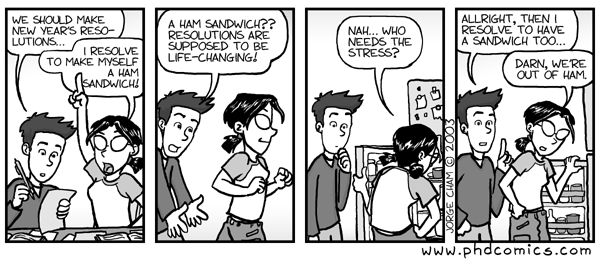
"Piled Higher and Deeper" by Jorge Cham www.phdcomics.com

What actually drives our behaviour?

Currently there exists many theories that try to explain why we do what we do, however, explanations are still lacking in regards to how our body and brain works together to directly drive our behaviour. When it comes to changing our habits, a key point to remember is that this involves stopping ourselves from doing things we consider pleasurable. For example, if you’re on a diet, every time you see an unhealthy snack, you have to tell yourself to STOP. Or, if you’re not a fan of exercising, why would you get off the sofa and slip on your running shoes? Making ourselves do things that don’t provide us with an instant reward can be stressful. These examples suggest that changing our habits can be stressful, that is, (the thought of) diet or exercise can become a source of stress (a stressor), and this makes our brain’s impulse control system work harder in order to adopt a new habit. Researchers have found that some of us can become stressed when seeing images of food, and are also not as good at controlling our impulses.1 Food craving, especially from seeing foods that we like, is a known stressor and the stress experienced from having to control our cravings is likely to tire out the impulse control system that can lead us to give in to temptations.

We might be able to change our habits for a short time as we become vigilant towards our goals, that is, the need to stick to our diet or exercise. However, we all have our limits and if stress from restricting our behaviour continues it will sap our ability to control our impulses, and our behaviour will return to what we are used to (or our ‘normal’). We saw another example of short-term success in behaviour change during our research. When monitoring children’s physical activity, some showed a burst of activity level at the start, but before long, it quickly dropped.2 These children were characterised by being hyper-vigilant towards stressors and they were generally more inactive than other children. We speculated that it was our monitoring of the activity that increased stress as the children felt that they had to show us they were more active which might spur on the initial activity spike, but as the children’s impulses for inactivity built up, it resulted in a considerable drop later on.

What’s next - how can we possibly take up, and keep up with, good health habits?

To influence health behaviour, it is crucial to understand the stress-impulse control mechanisms that DIRECTLY drive the behaviour. To use an analogy, if a person has a fractured arm, a direct treatment would be fixing the bone, rather than taking painkillers which would help to relieve the pain but not fix the problem. Similarly, if it is the stress from behaviour change and its influence on impulse control that directly causes us to succumb to temptations, we ought to target psychological interventions that reduce stress, or the brain’s impulse control system. Being able to manage our stress-impulse control system is particularly vital in the current environment where we are constantly exposed to temptations that lead to an unhealthy lifestyle. It is important to note that other factors, such as motivation and intentions, are also influential in changing our behaviour, however, this stress-impulse control process may more directly dictate the way we behave within split seconds and without our conscious awareness.

A possible psychological intervention is mindfulness training which can increase awareness of the stress cues, so that self-control can be executed before the brain’s impulse mechanism takes over. So next time we have a craving for an unhealthy snack or we are getting worked up about going for a run, we can potentially cope by containing and managing stress and impulses.

We believe that more research needs to be invested in the stress-impulse control mechanisms as it can potentially enhance the effectiveness of future individual health behaviour interventions and public health messages in getting us live a healthier lifestyle, and crucially, it can revolutionise the way we think about health behaviour change.


References
  1. Spitoni, G.F., Ottaviani, C., Petta, A.M., Zingaretti, P., Aragona, M., Sarnicola, A.,. & Antonucci, G. (2017). Obesity is associated with lack of inhibitory control and impaired heart rate variability reactivity and recovery in response to food stimuli. International Journal of Psychophysiology, 116, 77-84. https://www.sciencedirect.com/science/article/abs/pii/S0167876016307310?via%3Dihub
  2. Ling, F.C.M., Masters, R.S.W., & McManus, A.M. (2011). Rehearsal and pedometer reactivity in children. Journal of Clinical Psychology, 67, 261-266. https://onlinelibrary.wiley.com/doi/abs/10.1002/jclp.20745

The views expressed here are those of the authors and do not necessarily reflect those of Fuse (the Centre for Translational Research in Public Health) or the author's employer or organisation.

Friday, 30 October 2020

Summer school at home: Learning online and adapting research to reach the ‘hard to reach’

Posted by Emma Adams, Newcastle University, and Jo Dawes, University College London, NIHR School for Public Health Research (SPHR) Pre-Doctoral Fellows

Starting a new post in a new institution just as a global pandemic and lockdown sweeps the UK is not how we envisaged beginning our NIHR School for Public Health Research (SPHR) fellowships. When our training and development allowance letters came through initial thoughts were to delay booking any training until it was possible to attend in person. However, as time passed, it became clear we may be waiting some time. This realisation coincided with hearing about the “Applied Research Methods with hidden, marginal and excluded populations” course run by Nuffield College, University of Oxford. The course is usually a weeklong residential summer school, but this year it was offered online. The idea of spending five full days sitting at home doing online learning seemed a disappointing second best to a week in Oxford and somewhat limited our enthusiasm. However, these concerns were misplaced. We could not believe how engaging the course was, with tutor Andrea Rossi doing an excellent job of varying the activities, keeping us captivated and packing the course with relevant, interesting, and interactive tasks. 

For this ‘participatory research method’ we were given 5 minutes to create a map of our childhood community, using items we could easily reach. The task was designed as an ‘icebreaker’ activity to start a conversation about our childhoods. Using available objects, rather than drawing, takes away any pressure interviewees might feel about their aptitude for drawing. This activity could be adapted in rural communities using found items outside. Once my map was created, I talked about the map and why I had highlighted specific aspects of my community - this is the point at which ‘data collection’ might start.


Beginning with what makes a population ‘hard to reach’, we were armed with the linguistic tools to define whether our population was hidden, marginal, elusive, rare, excluded, or blurred (see Table 1 for breakdown). By breaking down populations into these different categories, we were better able to understand approaches for reaching and involving them in research. People experiencing homelessness may be perceived as ‘hard to reach’, when in fact they might just be elusive (purposely hiding or not reporting). If we, as researchers, recognise individuals may be making a conscious decision not to report, then perhaps we need to build a foundation of trust. The responsibility a researcher has to find ways to reach the ‘hard to reach’ was one of the most important things that we learned. 


With optimism that the virtual learning might not be as onerous as we had feared, we jumped into three days of research methods (both qualitative and quantitative). Challenging us to approach every technique from both the researcher and participant perspective, we were pulled out of our comfort zones and into creatively mixing research techniques. Opportunities to transform recruitment strategies (such as respondent driven sampling into a data collection tool for analysing social networks were explored. Learning to make the interview experience more interactive challenged our preconceptions of data collection - ever thought about asking a participant to reconstruct an important/memorable place with only items in their kitchen? Having experienced this first-hand, we both agree it was a great facilitation tool as a participant and researcher. The breadth of material in the course left us feeling that it was a week well spent, despite the initial apprehension and sitting at a computer in the blistering summer heat.

As a result of attending this course, we have already adapted how we approach our research activities. Jo was struggling to define a ‘hard to reach’ population in a patient and public involvement (PPI) paper. The course provided real clarity about this topic and helped her confidently address this definition in her writing. Emma was trying to find a way to approach recruitment and the re-shaping and framing of populations has provided me with optimism about my future recruitment strategy.

There is no doubt that by learning online instead of face-to-face, we really missed out on networking opportunities with our course peers - nothing could really replace a good natter over coffee. Conversely, the online nature of the course really opened up the cohort - we were learning with people sitting in their homes in England, Wales, Switzerland, France and Germany, while our tutor taught us from his apartment in Bangkok. Perhaps without being online, we would have been a far less international cohort. After undertaking this excellent course, we certainly feel more positive about online learning, how engaging it can be and how - in these uncertain times - it is important to not simply wait for face-to-face learning to return as the norm. The variety of learning and research activities we used online challenged us to translate so much of what we usually do face-to-face to our ‘virtual classroom’. As a result, we developed skills in how to adapt our current methods of communication in our research.

Our take home messages from the course:
  1. Online research and learning can work well if you are creative and willing to be flexible.
  2. Researchers must consider reasons some populations are ‘hard to reach' (are they rare, hidden, elusive, marginal, excluded or blurred?).
  3. When you recognise WHY a group of people are ‘hard to reach’, you must adapt your research methods to better reach them.
  4. Through mixing methods/data sources you can strengthen your understanding of ‘hard to reach’ groups.

Friday, 23 October 2020

Can your education, income or even your job affect your chances of receiving newer cancer treatments?

Posted by Ruth Norris, PhD Researcher, Newcastle University

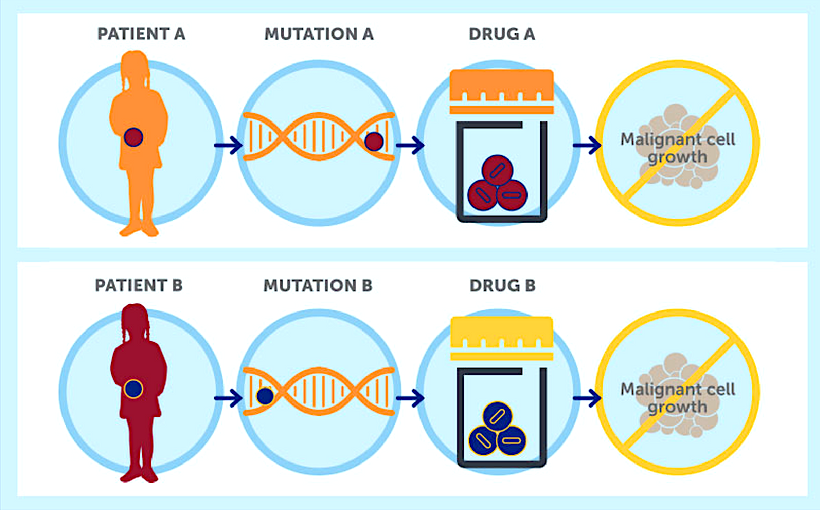
The way we treat cancer is rapidly changing. We know that individual cancers cause different genetic changes and that new drugs targeting these differences could help improve treatment. This approach is known as precision medicine. In addition, there are treatments using the immune system to attack the cancer, known as immunotherapy. The number of these new treatments have grown hugely over the past few years. In 2018 alone, they accounted for over 90% of the new cancer drugs being developed. These new treatments are also often associated with hefty price tags. For example, immunotherapy as a course of treatment for advanced lung cancer, can cost over £80,000.


Used alongside these new treatments are specific biomarker tests, which help determine if the cancer is likely to respond to these drugs. Doctors use this information to guide decision making so that in theory, the right patients, who will benefit the most from these drugs, receive them. Without biomarker testing it may be impossible to access these drugs or use them appropriately. 

Sounds great, so what’s the catch?

Unfortunately, we know with traditional cancer treatments (surgery, chemotherapy and radiotherapy), that access is not always decided based on the patients’ needs. There are many complex reasons why this might be - and having a lower socio-economic status is one of them. Socio-economic status means your individual or family’s social and economic standing relative to others. It is measured using factors such as income, education and your job. Socio-economic reasons may impact the number of other health conditions a patient has, their ability to request help or even the conversation they have with a doctor. All of which can affect the treatments they receive and the outcomes from therapy. What we don’t know yet is whether the socio-economic differences we see in traditional cancer treatments are also seen with both biomarker testing and the delivery of precision medicines and immunotherapies described above.

Why is this work important?

The NHS was set up on the idea that treatment should be provided to all on the basis of clinical need. We don’t expect that our level of education, the amount of money in our bank accounts or the power associated with our jobs will affect our access to treatment compared to another patient diagnosed with the same cancer at the same stage and with the same prognosis. Yet if these newer treatments can improve cancer outcomes (for example by increasing tumour responses, minimising side effects and improving survival), socio-economic status should not be a factor in determining access. We already know that socio-economic differences are present in cancer survival, but this could be exacerbated if patients with lower socio-economic status are restricted from biomarker testing and access to new therapies, so we need to assess the size of this problem (if any).

What did we do about it?

To investigate this question, we carried out a new systematic review (reviewing the available high quality research evidence) using 58 previous studies showing information on over 1 million patients. Newer cancer drug access was compared between patients with a low to a high socio-economic status. The review looked at 7 cancers, 5 biomarker tests and 11 cancer therapies. The evidence showed that patients with a lower socio-economic status were 17% less likely to receive newer cancer treatments when compared to those patients with a higher socio-economic status. However, the strength of these differences did vary with cancer type, and were clearest in lung cancer. Similar differences were also seen in access to biomarker testing (often seen as a precondition for new cancer drug access).

Can we trust this evidence?

As 42 of the 58 studies were from the USA, more work is needed using UK data to see if similar patterns are observed here. Also, as studies used different measures of socio-economic status (i.e. some income, others education etc.), we need to be careful making conclusions in case the choice of measure used affects the strength of the findings.

What next?

Our review shows that we need more research questioning why factors such as income and education could still be affecting treatment access when clinical decisions should be guided by the patient and tumour genetics. It is important that whilst continuing the important research in developing new precision medicine and immunotherapies, we work to ensure fair access to all patients regardless of socio-economic differences.

Take home points
  • Cancer treatment is now guided by genetics and new cancer drugs can help personalise care.
  • Having a low socio-economic status can reduce the likelihood of receiving a newer cancer drug and the test linked to your eligibility for the new drug. 
  • We need more UK based research to investigate these differences, to ensure fair access and reduce differences in cancer outcomes.

Friday, 9 October 2020

Are COVID-19 school guidelines adversely impacting teenagers’ diets?

Posted by Kelly Rose, Graduate Tutor/PhD researcher at Teesside University

As a mum, a registered nutritionist and former schoolteacher, you may imagine where my focus has been in the past few months, during school closures and schools returning. Although, I felt blessed that my girls were home and safe, and we could enjoy time together, with enough food. My daily thoughts did include a darkness, thinking of those teenagers I knew who would not be having a nourishing, happy family life during the lockdown.


In the past two years of my PhD studies, I have discovered that political change, how well policy is implemented and willingness and capacity of headteachers to prioritise healthy food, all have a bearing on how successful school food is provided. In short: school food is a really important factor in the quality of a young person’s diet.

The pandemic is highlighting inequities and raising awareness of school lunches

Over the summer a coalition of organisations formed to tackle food poverty as part of the national food strategy [1,2]. Premier league footballer Marcus Rashford shared his own childhood experiences at the forefront of a campaign calling for free school meals to food insecure children. During the UK lockdown five million families were reported to be experiencing food scarcity, hunger and or issues with accessing enough food, with 3.2 million – that’s 11% of households! – suffering food insecurity.

Parents and young people in the UK have expressed their agreement that healthier diet is more important than ever and would like to see positive change as a result of the pandemic [3,4]. And a significant number of parents want their children to not only learn about nutrition and develop cooking skills in school, but also to have a healthy school lunch [2,3].

Back to school


As my daughter prepared to return to year 11, her school was providing regular updates on the changes they had made in adhering to the COVID-19 guidelines, it was clear that they were working hard to help pupils feel better about returning. Then, a menu came through – oh dear. My heart dropped as I saw three images on the page. A white bacon roll, a white bread sandwich and a pizza slice featured in colour… 

Many children are choosing to take in a packed lunch, but given the evidence over the past decade, the nutritional value may be even more of a concern [5,6]. However, it is also often socially unacceptable to bring in food from home for older teens in years 10 and 11. My school contacts have raised concerns about providing the same food services that they did before COVID, including the logistical challenge of keeping year groups separate in addition to the high levels of hygiene required. This has led some schools to significantly reduce the time that pupils have to eat. These changes may be hampering the ability of schools to serve healthy foods. 

Schools are absolutely an ideal environment to support and shape healthy habits for young people. But, are the expectations for schools to nourish young people, provide comprehensive health education, on top of the academic priorities too much especially in a global pandemic? With the restrictions of the COVID-19 regulations, how can nutrition remain a priority? And what about the existing national school food standards [7].

Is this a national issue?

I want to find out if my experience locally is mirrored nationally. As part of my PhD research I have developed a short questionnaire for students (16-18 year olds), parents of 11-18 year olds, and staff involved in education to complete.

Your help with this important investigation would be very much appreciated. Please complete the survey if you meet the criteria as below, or share with others.
  • A young person (aged 16-18 years) attending secondary school or post 16 education in UK
  • Parent of a young person (aged 11-18 years) who is attending secondary school or post 16 education in UK 
  • Staff employed in a secondary school or post 16 education in UK. 

COMPLETE THE SURVEY HERE


References:
  1. National food strategy part 1 – Recommendations in full: https://www.nationalfoodstrategy.org/wp-content/uploads/2020/08/8_NFS_Report_RecommedationsInFull.pdf
  2. Sustain website: https://www.sustainweb.org/news/sep20-freeschoolmeals/
  3. Covid-19 and Children’s Food: Parents’ Priorities for Building Back Better: https://www.sustainweb.org/resources/files/reports/Childrens_Food_Covid19_Briefing.pdf
  4. Bite Back 2030:https://biteback2030.com/sites/default/files/2020-06/BB2030%20Covid-19%20Report%20V2%5B1%5D.pdf 
  5. Spence, S., Delve, J., Stamp, E., Matthews, J.N., White, M. and Adamson, A.J., 2013. The impact of food and nutrient-based standards on primary school children’s lunch and total dietary intake: a natural experimental evaluation of government policy in England. PloS one, 8(10), p.e78298.
  6. Evans, C.E.L., Greenwood, D.C., Thomas, J.D. and Cade, J.E., 2010. A cross-sectional survey of children's packed lunches in the UK: food-and nutrient-based results. Journal of Epidemiology & Community Health, 64(11), pp.977-983.
  7. The Independent School Food Plan website: http://www.schoolfoodplan.com/

Friday, 2 October 2020

Only connect: social survival during lockdown

Posted by Mihirini Sirisena, Research Associate, Newcastle University 

During the time when stringent national lockdown measures were in place, I noticed a new habit I had picked up, whenever I was outdoors. Every time I crossed the road to make way for a fellow runner or a walker, I made an attempt to catch their eye to thank, say hello or at least smile. Smiling or saying hello had gained a new meaning for me. It meant that I established a sense of solidarity and therefore rebutted the slightest chance of offending the other through avoidance by crossing the road. I don’t think I was alone in feeling like this. I crossed paths with many who seemed keen to connect at some level, including one woman who pulled a mask out of her pocket as I approached, covered her mouth and said, “I hope we don’t have to do this for long.” Many would agree that one of most significant challenges brought on by the measures to control the spread of COVID-19 was lockdown, for not only did it curtail our movements, it compelled us to do something that we are incapable of doing as a species - staying away from each other.

Initially, as the news of the epidemic spread, so did the stories of our responses. These stories recorded an array of responses, ranging from stock-piling and racism to altruism, and expressions of fear, suspicion, insecurity in the face of uncertainty and looking for culprits to place blame. As the dust started settling, focus shifted ever so slightly to talking about the mental health costs of lockdown, specifically in relation to social isolation. Alongside this developed a repertoire of how we could stay connected.

One of the first things that appeared on social media when the UK government and mass media began speaking about social distancing was that it is not social but physical distancing that we needed to overcome the epidemic. The message did not become a tagline but in myriad ways, it was clear that we had started to pay heed and show that we are together though apart. We sort alternative ways to maintain connections through digital platforms, despite many of us - including myself - being previously cautious about social media. These are not new but during lockdown we turned to them with vigour, deploying the likes of Zoom, Skype, WhatsApp and Microsoft Teams as platforms to live both our professional and personal lives[1]. Even gaming was pointed out as an effective way of socialising during lockdown and an antidote to social isolation.

Along with the quick assertion of social media as the platform to maintain human connection followed the conviction that these platforms are capable of extending human connection. Movements such as ‘clap for carers’ which were initiated and marketed through social media, stood as evidence of this capacity. In celebrating the success of this capacity to reach and connect, which is largely facilitated through social media itself, we run the risk of creating a one-dimensional discourse or version of social connection during lockdown. For instance, placing emphasis on social media as a means of connecting allows less space to recognise the other creative and meaningful methods some of us turned to, such as letters in the post or checking in at the doorstep.

In addition, a less discussed aspect of social media is its use to brandish intolerance - arguably no different to times before COVID-19 - of those who were seen to have violated ‘lockdown rules’ by driving for exercise or those who were seen to have crossed ‘community boundaries’, however they were defined. Cyclists were a popular target of such diatribes[2]. Similar vindications were abundant when the UK government announced plans to open schools to certain pupils. A narrative that was underlying such vindications appeared to be one that called for the celebration of the nucleus social unit, which took different forms. At times, this unit was understood to be ‘family’ as in instances that called for parents to see the lockdown as an opportunity to connect and spend time with their children. At other times, it was the ‘community’ as in instances where residents wanted to protect their locality from visitors. 

Yet another layer worthy of consideration is the effects of recent developments, such as those that emerged during the second wave of COVID-19 related restrictions, where the public was encouraged to ‘snitch’ on neighbours, if they were thought to be flouting lockdown rules. At one level, these expose our convictions about who we connect with, under what conditions, at what level, in which ways and the modes and the media we resort to, to connect and disconnect. At another, they hint at far reaching implications for what we might come to see or mean by social connections. 

As researchers and practitioners, considering the different ways in which connections were made and maintained will be helpful in our efforts to support and improve collective as well as individual wellbeing. Most importantly, we need to consider the less discussed topic of complex realities of everyday life and how they impact upon the connections that we can and cannot make and, the ways in which they impinge upon our collective and personal wellbeing[3]. 


References:
  1. Some suggest the rise in use of social media continues even as lockdown measures have begun to relax: https://thenextweb.com/growth-quarters/2020/07/21/everything-you-need-to-know-about-digital-use-around-the-world-in-july-2020/
  2. See also: https://www.thesun.co.uk/news/11547977/cyclists-coronavirus-lockdown-social-distancing/ and https://www.bristolpost.co.uk/news/bristol-news/covidiot-cyclists-stay-home-spike-4083230
  3. Particularly, in the period of time that followed the lockdown, popular discourses have begun to highlight ‘social connection’ as one of the positive developments that emerged during the lockdown. Such romantic notions of ‘connection’, which propose that it is 'not money nor fame that a good life needs but to be connected with the others,' tend to undermine the weight socio-economic realities of life have on individual as well as collective wellbeing. For instance, refer to Alain de Botton’s interview with Lauren Laverne on BBC Radio 6 (Aired on 27th August 2020) (https://www.bbc.co.uk/sounds/play/m000lyx0 from 2:08:45, last accessed on 07 September 2020).

Image 2: capture from the BBC news website, 26 April 2020, Coronavirus: Are cyclists being wrongly targeted during lockdown? By Alex Regan (https://www.bbc.co.uk/news/uk-england-derbyshire-52389245)

Friday, 11 September 2020

Catching golden opportunities to create public health evidence as they fly by...

Posted by Dr Helen Walters, NIHR Public Health Consultant Advisor

This week it was announced that a UK collaboration led by Fuse had been awarded prestigious funding to lead a Public Health Intervention Responsive Studies Team (PHIRST), as part of a new national scheme. 

Dr Helen Walters, NIHR Public Health Consultant Advisor
Here Helen Walters introduces the four newly launched public health research teams, contracted under the PHIRST scheme, to enable local authorities to rapidly evaluate interventions aiming to improve health and tackle health inequalities in their areas.

When I was a Director of Public Health in London I knew that my team were delivering innovative schemes that affected large numbers of people. Our hope was that the schemes would improve health and reduce the health inequalities experienced by some highly deprived populations. But we didn’t really know whether they were achieving this.

Did the Healthy Schools programme working across more than 1,500 schools in the capital improve the health of thousands of children? Did the Healthy Workplace award scheme improve sick leave levels for London’s employers? Would getting the Healthy Streets approach into the heart of the Mayor’s Transport Strategy make any difference to physical activity levels in the city?

We were basing these schemes on the little evidence that was available, but we could not find a way to get them evaluated to build that evidence-base any further. Public health practice in local government is mainly distant from academic public health research. Local government does not have a culture of undertaking research. It moves fast, and does not have routes into research funding. Golden opportunities to learn and evaluate were being lost.

The PHIRST Scheme


The NIHR’s Public Health Research programme (PHR) is experimenting with a new scheme to try and solve this conundrum – the PHIRST scheme. PHIRST stands for Public Health Intervention Responsive Studies Teams. The idea is that the PHR contracts with four academic teams who are ready and waiting, fully-funded, to evaluate schemes that are happening in local government across the UK.

The timing could probably not have been worse but somehow, despite pestilence and lockdown, we have managed to appoint four teams, and to match them up with four local authorities that are keen to have their schemes evaluated. Issues include:
  • free school breakfast clubs in Hammersmith and Fulham
  • citizen-informed design of employment support in Fife - Fuse project in collaboration with Fife Council
  • remote provision of drugs and alcohol services in Leeds 
  • reducing exposure to adverts for foods that are high in fat, salt and sugar (HFSS) on the transport system in Yorkshire 
The PHIRST teams are led by prominent public health researchers: Ashley Adamson (Newcastle University), Susie Sykes (London South Bank University), Rona Campbell (University of Bristol), and Katherine Brown and Wendy Willis (University of Hertfordshire). They will work closely with each local authority to co-create the evaluation with the heavy lifting being undertaken by the PHIRST teams and fully funded by the NIHR, starting in September.

Timely and accessible research for local authorities


And in a few months the PHR programme will go out to Directors of Public Health and ask for more schemes to evaluate, so we can keep the PHIRST teams busy. If it works the plan is to make this a rolling programme.

Local authorities have huge opportunities to influence health and health inequalities but without an evidence-base they cannot maximise these opportunities. The hope is that this scheme will provide timely and easily accessible evaluations for those who are still hard-pushed Directors of Public Health so that, in the future, there will be an evidence-base.

For further information please visit the NIHR website or email phr@nihr.ac.uk.

The views and opinions expressed in this blog are those of the authors and do not necessarily reflect those of the NIHR, NHS or the Department of Health and Social Care.

Helen Walters' blog was originally published on the NIHR website.

Friday, 4 September 2020

Does antibiotic prescribing penalise communities in most need?

Posted by Adam Todd, Reader in Pharmaceutical Public Health in the School of Pharmacy, Newcastle University

Since the discovery of penicillin by Alexander Fleming in the 1920s, there have been over 150 antibacterial drugs developed and marketed for human or veterinary use. The effect these drugs have had on infectious diseases and population health is remarkable. A once considered serious bacterial infection can now be successfully managed using antibiotics prescribed from the doctor. This was not always the case, as our grandparents may testify: bacterial infections were often fatal and the choices available to manage such infections were limited. Bloodletting for pneumonia, mercury for syphilis, and honey for wound infections were all commonly used approaches before the discovery of antibiotics.

This "golden age" of discovery may, however, soon come to an end, as more and more bacteria are becoming resistant to the antibiotics available to us. It is for this reason that healthcare organisations across the world have been focusing on developing 'stewardship policies' to promote the appropriate use of antibiotics. In England, the situation is no different, and the Department of Health and Social Care has developed an antimicrobial resistance strategy. As part of the plan, doctors have been urged to reduce the amount of antibiotics they prescribe when it is safe and appropriate to do so. As the majority of antibiotic prescribing occurs in primary care settings, such as GP surgeries, healthcare providers working in this setting are set specific prescribing targets.

It is important to establish if the polices are working from an antibiotic stewardship perspective, but also that these polices are fair, and do not penalise communities in the most need of care. Our work aimed to address these questions. To do this, we used antibiotic prescribing data from the NHS, as well as working out the characteristics of the local areas in England using nationally available data sources.

Overall, we found that, in England, the plan to reduce antibiotic prescribing appears to be working: since 2014, antibiotic prescribing has reduced by around 14 per cent. We also found that the prescribing of 'broad spectrum' antibiotics, used to treat a wide range of infections, have also reduced.

When we considered local factors in our analysis, we showed that the most deprived areas of England had the highest levels of antibiotic prescribing. And even when we factored in two long-term conditions – diabetes and Chronic Obstructive Pulmonary Disease – both of which are associated with increased antibiotic use, we still found higher levels of prescribing in the most deprived areas of the country. We also showed that geography was an important factor too: compared to London, all other areas of England had higher levels of antibiotic prescribing – with the East of England, and the North East of England having the highest levels.

You might ask why this is important? Well, that's a good question. Our work shows that in addition to a national strategy to reduce antibiotic prescribing, it is important to consider local needs too. People living in more deprived areas might, for example, have greater health need for antibiotics compared to people living in more affluent areas. National one-sized-fits all targets might not necessarily account for this. If there is greater antibiotic need in deprived areas, doctors working in these areas might be unfairly penalised for prescribing them. This is not fair on the doctors working in primary care, but may also impact on patients too.

The antibiotic stewardship polices appear to be reducing overall antibiotic prescribing, which is a positive thing, although there is still significant variation in prescribing across England. It would be appropriate for future prescribing targets to account for local factors to ensure the most deprived communities are not inappropriately penalised.

The bottom line is if someone is in medical need of an antibiotic, they should be prescribed it, regardless of the characteristics of their local area or where they live.


Adam leads a programme of research that explores how pharmaceutical interventions, including medication, immunisation and screening approaches, can be used safely, appropriately and equitably at a population level.


Image: 
"England Map silhouette" by Natasha Sinegina through Creazilla: https://creazilla.com/nodes/2538-england-map-silhouette. You may obtain a copy of the License at https://creativecommons.org/licenses/by/4.0/ (CC BY 4.0).

Friday, 31 July 2020

It’s not just teaching and curriculum that need a boost in September - what about school fruit and veg?

The School Fruit and Vegetable Scheme offers 2.3 million children aged 4 to 6 attending state-funded primary schools in England a free piece of fruit or veg each school day. It was suspended in March and after months of campaigning the Government finally confirmed the scheme will resume in the Autumn. But how could this Scheme go further to better meet Government aims?


Sofia Parente, Sustainable Food Places Policy & Campaigns Coordinator at Sustain: alliance for better food & farming

Credit: Pexels.com cottonbro
School holidays are upon us and this year, for the first time, 1.3 million UK children on free school meals will have access to support during July and August. Universal Infant Free School Meals and the School Fruit and Vegetable Scheme, suspended when schools closed in March, will be back in September. This should be cause for celebration but unfortunately, it’s not just teaching and curriculum needing a boost in September. Even in ‘normal times’ 80% of children were not eating their 5 A Day. Following lockdown, there’s been a massive decrease in fruit and vegetable intake reported by children receiving free school meals, according to a study from Northumbria University’s Healthy Living Lab. In this study just over half of pupils who would have received free school meals on site stated they had eaten no fresh vegetables across a three-day period following the UK’s COVID-19 lockdown. Vegetable intake dropped from just over two portions per day when children were attending school, to an average of half a portion per day at home. Almost half said they had eaten no fruit in the same period, yet many reported a large increase in their consumption of sugary drinks and snacks. 

As a school Governor and mother of two children in primary school, I’ve heard countless praises of the School Fruit and Vegetable Scheme. Children are naturally hungry mid-morning and fruit and vegetables are the perfect snack. By eating together in the classroom or playground, pupils try fruit and veg that they wouldn’t otherwise try at home. Only last week my niece (a fussy eater when it comes to veg) told me the first time she had ever tried sugar snap peas was in Year 2 when she had free fruit and veg at school. Teachers often integrate it in the curriculum too by using fruit and vegetables in numeracy and literacy lessons.

The reinstatement of the School Fruit and Vegetable Scheme is good news but still some way off when it comes to tackling historical low levels of fruit and veg consumption and under-investment in school food. It only reaches children in Key Stage 1 (pupils aged between 5 and 7) in England and there is no comparable scheme in Wales or Northern Ireland, although in Scotland some local authorities fund fruit in schools.

BIGGER

One of the best ways to ensure children increase access to fruit and vegetables at school is to bring back the scheme bigger and better and to introduce it to other nations in the UK. An efficient procurement process and network of delivery centres makes it possible to deliver 2.3 million pieces of fruit and vegetables to 16,600 schools in England every school day working out at around 8p per child per day. We’ve seen extraordinary progress in food and farming strategy this week. The first report from the National Food Strategy includes strong recommendations to address food poverty and inequality. And the Government’s obesity strategy has arguably some of the most ambitious new policies to date, particularly the 9pm advertising watershed for unhealthy food, with parallel restrictions online and on social media, along with constraints on promotions and progress on labelling. Expanding the scheme to all children in primary school using the set up already in place would be a remarkable value for money measure to help Government meet the ambitions of these two new strategies by helping to level off some of the inequalities in access to fresh fruit and vegetables and would be a game changer given the low levels of fruit and veg eaten by children. The latest evaluation of the scheme shows that while it leads to an increase in younger children eating fruit and veg, longer and integrated interventions would lead to long-lasting impact and sustained levels of consumption in older children.

Better

The first and easiest change to improve the scheme would be to increase the proportion of British seasonal fruit and veg produced to higher standards. According to the Soil Association, only 30-40% of this produce is grown in the UK. Why are we serving imported rock-hard apples to children in schools surrounded by apples in season in orchards in Kent and Somerset or to children anywhere in the UK come to that? This flagship Government procurement scheme should be supporting British farmers and traders, not least to support the aims of other Government departments, but to help the economy, especially now after Britain’s departure from the EU and the uncertainty in the food and farming sector triggered by COVID-19.

The School Fruit and Vegetable Scheme should be re-specified to provide a year-on-year percentage increase of seasonal and certified sustainable produce - such as the Organic or LEAF (Linking Environment And Farming) mark - to help drive towards the Government’s aims in the Environment Bill, Agriculture Bill and climate legislation. This would result in increased fruit and vegetable consumption and benefit British farmers, children and the environment.


Image: Credit: Pexels.com cottonbro

Friday, 24 July 2020

The tickle monster, the exhausted academic and the Select Committee

Posted by Dr Sophie Wickham, Wellcome Trust Research Fellow, Dept of Public Health & Policy, University of Liverpool

In the second instalment of our posts about giving evidence to parliament during lockdown, Dr Sophie Wickham writes about navigating work and childcare in preparation to appear before TWO committee panels.


How do you adequately prepare for what feels like the most important milestone in your academic career? In ‘The Before Time’, pre-lockdown, for me, this would have meant revising and rehearsing, collecting advice and feedback from mentors and peers – and repeating the process until I felt polished and confident. It can take hours, days even, of focus, repetition and attention to detail, to hone the take-home messages from the research, and ensure that, under pressure, they are communicated with ease. But in the early days of these ‘Strange New Times’, this usual process became untenable. Part of my mind was devoted to worrying about the future, the rest to entertaining a 3-year-old, rolling around on the floor, playing eye-spy or assuming the role of an otherworldly tickle monster. My powers of persuasion were devoted to parenthood, begging my child to try new foods – the consequence of supermarket shortages in the early days of panic-buying – or to join me on long walks, in the faint hope of a full night’s sleep, so far elusive. Navigating a full day’s childcare and snatching some hours of work at dawn and dusk, naturally my productivity plummeted – and with it my ability to remain engaged with my work, and to focus on the task ahead. 

What was I trying to prepare for? Two things:
  1. The All-Party Parliamentary Group (APPG) on Universal Credit and Mental Health. This cross-party group brings together Members of Parliament wishing to discuss constituents’ experiences of Universal Credit, receive advice and support from various agencies, share best practice, and monitor this critical policy as it is rolled out. On 28 February, the Lancet Public Health had published the online edition of an article I had submitted with colleagues at the University of Liverpool, on the mental health impacts of Universal Credit. It had immediately been picked up by the APPG secretariat and, that same day, I had received an invitation to speak before the group. With lockdown came a hiatus in all physical oral evidence presentations, and the event had been deferred and moved online. As it turned out, the new date was only a week after what was to be a second daunting event.
  2. The House of Commons Work and Pension Select Committee (SC) on Universal Credit and the wait for first payment. The Select Committee had opened an inquiry into the matter and asked for written evidence. Findings from these committees are reported to the Commons, printed, and published on the Parliament website. The government then has 60 days to respond to the committee's recommendations. Just as lockdown descended, I and other researchers had submitted written evidence, combining our quantitative findings (Wickham et al 2020) with robust qualitative findings (Cheetham et al 2019). As first author on the quantitative article, I had been invited to give oral evidence, alongside Dr Mandy Cheetham, the qualitative lead (read about Mandy’s experience here).
All-Party Parliamentary Groups, senior colleagues in my Department had informed me, were relatively relaxed and involved 10-minute presentations by each panel member, followed by MP’s questions. The entire meeting would last an hour. Colleagues that have made the trip to parliament to present evidence to APPGs in person described the experience as positive – though there can be interruptions, when MPs are called to vote on bills. Select Committees are much more formal. You attend as a ‘witness’, answering questions posed by a small group of MPs – questions which you do not know in advance. Any evidence provided may be translated into recommendations from the Select Committee, to which the government must respond: the potential for evidence-based impact is huge. In short, I was terrified.

I knew that opportunities to speak directly to these committees are rare. I had been handed a brilliant opportunity, and felt the urgency and weight of responsibility in my whole body. I was told to “practice, practice, practice”. But as with many parents, the days leading up to the Select Committee, and all the days of lockdown that had gone before, were spent working at the fringes of my child’s waking hours, before 7am and after 8pm. I was able to lock in some practice interviews with senior colleagues at the tail-end of their working days or family time, and one colleague and friend spent an evening listening as I practiced, helping to fine-tune my answers.

To my relief, a few days before I was due to give evidence, my childminder resumed part-time work. For both events, I was able to fully concentrate on the task at hand. There are some advantages to providing evidence remotely:
  1. You can be in your PJs from the waist down.
  2. You can have notes… Notes all around you – on screens, walls, floor – anything that might catch your eye and support you in making your argument. 
  3. You can do rapid research, if needed. 
  4. It might feel less intimidating – after all, you are in your house, what’s the worst that can happen? 
  5. Though I am dismayed by the mere existence of a “touch up my appearance” feature on Zoom, I absolutely used it. I found that it negated the need for make-up - war paint that I reserve for interviews and weddings. 
  6. The simple logistical advantages. No need for travel or childcare arrangements, and, in the case of the APPG, MPs were not running off to vote on other matters and you have their undivided attention. 
I did not capitalise fully. I was in work clothes, head to toe, and my sparse notes did not obscure the screen. I felt self-conscious: seeing yourself, and the background to your everyday life in this context can be disconcerting. There is the distinct impression of giving others a window into your life that you may not want to share. But ultimately, the greatest disadvantage was the lack of preparation time. Would this be obvious, and impact how my evidence was interpreted?

The Select Committee was on the 17 June. Some initial sound problems were dealt with prior to live streaming. You are asked in advance to ensure that no one else is using your internet, and to power down any devices that access the internet, to ensure that all bandwidth is reserved for the Zoom call. When joining the call, I could see the Chair, Labour MP Stephen Timms, with a few socially distanced colleagues, in a parliamentary room. Joining remotely were the three other witnesses and other MPs, though these MPs were visible only when asking a question. I found this to be a challenge, as I tend to feed off body language and facial expressions. It felt a bit like a PhD viva, albeit an odd one. There was the same need to defend and justify my work, and the stakes were high – in this case the potential policy consequences. In the end, I felt as though I made my points. A few answers were long-winded, and I felt flustered on occasion – always a danger when you don’t know the questions in advance. When it was over, I mainly felt that more time was needed, given the depth and breadth of evidence on the topic.

The APPG was one week later. As anticipated, it was much more relaxed, but there were also many more MPs on the call, all working from home. In this committee, all questions to witnesses were presented in the chat feature. As a result, there was time to read and re-read a question before it was asked, and time to collect your thoughts before answering – something I wish I could have done for the Select Committee. This meeting also felt brief, but there was a palpable sense that both presenters and audience were eager to understand and improve the policy at hand.

Time will tell whether the evidence presented will translate into policy change. I feel good about my efforts to contribute; participating in both committee panels has been an exceptional experience. But behind the impact, behind the evidence and beyond the research, preparing for these events and sustaining the work has felt very much like keeping up with the Joneses, and I am exhausted.


Image:
  1. "Do you have a last request before you go in front of the Commons Culture Select Committee?" by Grizelda Grizlingham via University of Kent, British Cartoon Archive (Reference number: GGD0368, Published by: The Independent, 25 Oct 2012, with thanks to Copyright holder: Grizelda Grizlingham): https://archive.cartoons.ac.uk/Record.aspx?src=CalmView.Catalog&id=GGD0368&pos=80

Friday, 17 July 2020

The long and winding (and emotional) road to impact

Posted by Mandy Cheetham, Research Associate, Teesside University

Having submitted written evidence to the Work and Pensions Select Committee inquiry on the impact of the 5 week wait for Universal Credit (details here), I had not anticipated being invited to give evidence by Zoom to a panel of MPs in the midst of lockdown. The evidence submitted (available here) drew on qualitative research into the experiences of claimants in North East England (Cheetham et al 2019) and quantitative research showing the mental health impact of Universal Credit, undertaken by colleagues from Liverpool University (Wickham et al 2019). Dr Sophie Wickham and I were both invited to be part of a panel for the second evidence session. I had watched the first evidence session to see the lines of inquiry pursued, realising (with dismay) it was available live on parliament tv.


As witnesses, we had been given a broad indication of the areas on which MPs would focus their questions. These included the effects of the 5 week wait, its impact on mental health, and our thoughts on what could be done to mitigate the adverse effects. I had read and re-read our research paper, digested more recent reports and published literature and carefully prepared my responses to the anticipated questions. I had emailed colleagues in local advice organisations to see if the issues identified in the research were still relevant. I had a chat with a university colleague who had given evidence to a different committee drawing on our research on energy drinks 2 years previously. A final check that the technology worked in a test call the afternoon before and all was set.

Following advice from the friendly and efficient clerk of the committee, I had moved my laptop away from the background distractions of grandchildren’s Batman costumes and toys. I woke up early on the morning of 17 June feeling nervous with anticipation. ‘Trust you know enough’ were the calm words of advice offered by one committee official.’ ‘Stick to the evidence; be focused and don your cloak of authority’ came texted advice from a senior academic colleague with a good luck message. I have a tendency to talk too much when I’m nervous, and knew I needed to avoid waffling, so this was a helpful reminder. But I wasn’t sure I had a suitable cloak of authority handy.

In the event, the preparation paid off. I stuck to my bullet points and weaved in quotes from participants when I could. It wasn’t perfect and there’s always more to say. I’m not sure it’s possible to do justice to the harrowing experiences which had been shared by research participants, but I tried. There is a big focus in academia on impact, and I sometimes feel limited recognition of the time and multi-layered approaches needed to achieve it. Immediately after the evidence session, which lasted an hour, I was contacted by a journalist from the Independent asking about a paper I had mentioned in my evidence. Within an hour the Sun online quoted our evidence in an article supporting their campaign to make Universal Credit work.

Evidence is clearly not the only, or the most important deciding factor in the messy world of policy making. I believe we need to use a combination of political levers of influence at our disposal to affect changes when opportunities present themselves. This felt like a huge moment. The priorities and timeframes of academia and policy making do not always align. The study I was reporting grew out of embedded research with community members in Gateshead who talked about their fears about Universal Credit being rolled out in 2017, fieldwork was undertaken April – October 2018, written up and paper submitted in November 2018 and published in 2019. Following the select committee, a colleague posted links to the evidence session on the Facebook pages of organisations who had supported the research for community members to see. It felt right to let participants know what had happened.

Since 2018, we have shared the research findings at numerous conferences and with Department for Work and Pensions staff, but with limited effect. COVID-19 has prompted temporary changes to be made to Universal Credit, which will help. My experience in the shielding hub demonstrates how many families claiming Universal Credit, particularly those with children, continue to struggle with the additional costs of lockdown. Last month, Therese Coffey announced the re-instatement of conditionality requirements and sanctions, which will add to Universal Credit claimants’ stress at a time of economic insecurity, rising unemployment, unprecedented job losses, and anxiety about the future. Even a global pandemic can’t halt political will it seems.

In my view, public health is political. Lobbying and advocacy are a core part of our role, particularly when government policy has such a crucial role to play in addressing inequalities. We need to continue to highlight the harmful impacts of policy on particular groups and be part of the process of informing solutions. Researchers need to seek out these opportunities for ‘academic activism’ (Askins 2009) to help shape policy. We need to provide training and support to academics at all levels, and accept the emotional investment these efforts require. After all, the drive to impact is fuelled by emotional as well as scientific engagement with our subject matter.

Reference:
Images:
  1. Screenshot taken from parliamentlive.tv: https://parliamentlive.tv/event/index/5d5e46b8-c323-4a64-8bca-53e2ed17cb4f 16/07/2020
  2. Screenshot taken from The Sun website: https://www.thesun.co.uk/news/11883566/universal-credit-wait-12-weeks-severe-hardship 16/07/2020

Friday, 10 July 2020

Not an equal opportunity disease: Covid-19 and health inequalities

Posted by Clare Bambra, Professor of Public Health, Newcastle University and Ryan Riordan, 5th Year Medical Student, University of Cambridge

Spanish Flu of 1918 was experienced unequally, with higher rates
  of infection and mortality among the most disadvantaged
As Covid-19 began to spread rapidly across the UK in early March, politicians and the media were keen to tell us that we were ‘all in it together’ and that the virus ‘does not discriminate’. As time passed, it became apparent that this wasn’t the case.

We now know that Covid-19 is far from a socially neutral disease, with clear clusters of more severe impact amongst our most deprived and marginalised communities.

We now know that people living in more socio-economically disadvantaged neighbourhoods and minority ethnic groups have suffered more with higher infections and death rates.

Historically, this has also been the case - evidence has shown that previous pandemics including the Spanish Flu of 1918 and the H1N1 pandemic of 2009 have also been experienced unequally, with higher rates of infection and mortality among the most disadvantaged parts of the country – both in the UK and internationally. 

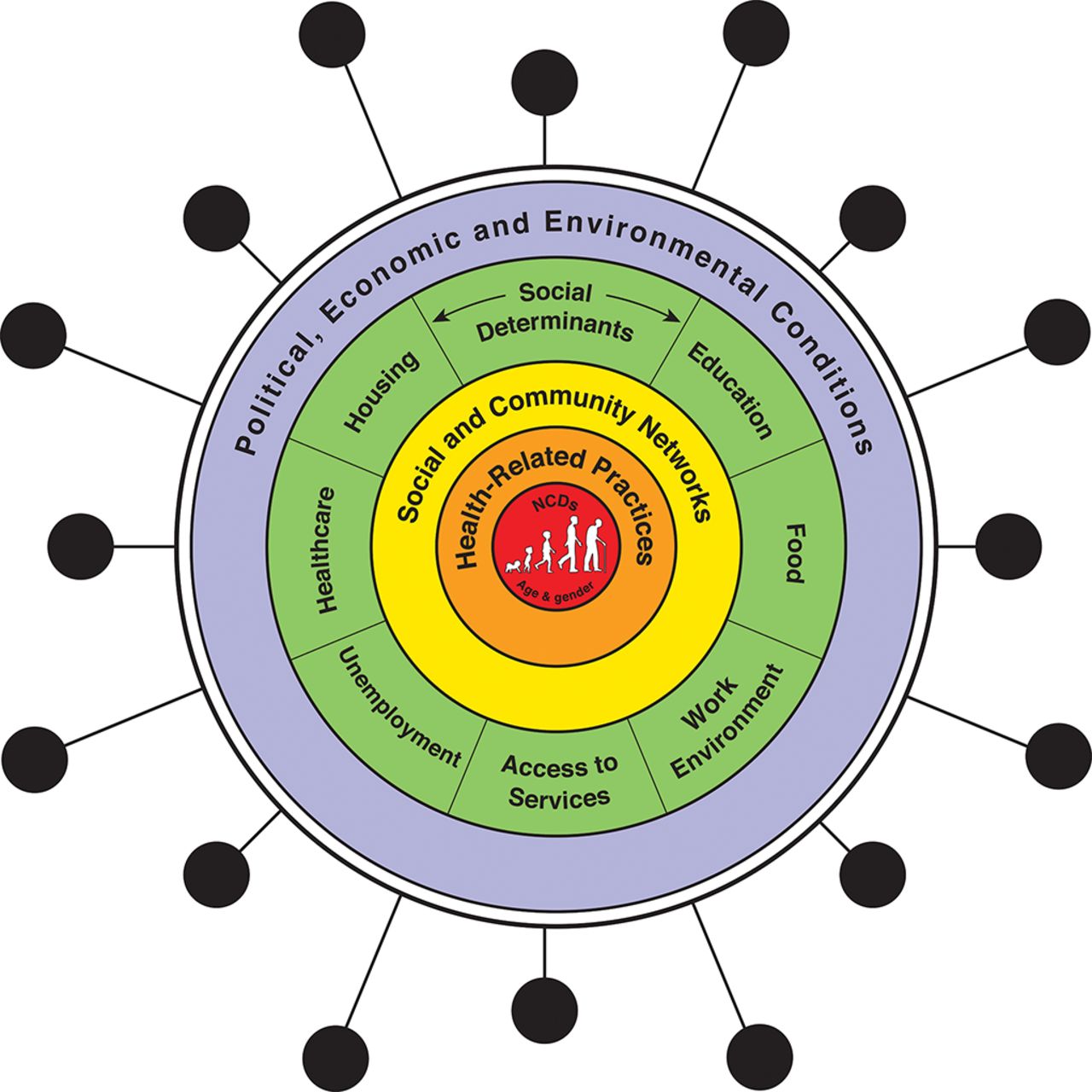
Emerging evidence from a variety of countries suggests that these inequalities are being mirrored today in the Covid-19 pandemic. Both then and now, these inequalities have emerged through the syndemic nature of Covid-19, as it interacts with and exacerbates existing social inequalities in chronic disease and the social determinants of health.

The syndemic of COVID-19, non-communicable diseases (NCDs)
 and the social determinants of health
This is down to a number of factors – not least unequal exposures to the social determinants of health (the conditions in which we are born, grow, live, work and age) leading to higher rates of almost all of the known underlying clinical risk factors that increase the severity and mortality of Covid-19 (e.g. high blood pressure, diabetes, cardiovascular disease).

We may have been living under the same regulations, but across the country, our experiences of ‘lockdown’ were widely different. We knew this. We weren’t ‘all in the same boat’ - we were in the same ocean in the middle of the same storm - but some were on luxury liners and others on rapidly-deflating dinghies.

We saw lower-paid care workers, shop workers, transport workers, factory workers continuing to work face-to-face with the public, while others worked from home on full pay or were furloughed with some semblance of job security.

There were families trying to stay sane in small flats without outdoor space and with empty cupboards, whilst others in more fortunate circumstances trebled their flower delivery order to ensure their homes looked good during Zoom meetings.

The divide in our society is stark on many levels, and as we go forward, who will pay the price of the multi-billion pound interventions that the government has put in place to see us through this period, and bear the brunt of the post-Covid-19 global economic slump? 

Covid-19 has laid bare our longstanding social, economic and political inequalities. Even before the pandemic, life expectancy amongst the poorest groups was already declining in the UK and the USA and health inequalities in some European countries have been increasing over the last decade.

I know that this all makes for grim reading for researchers, practitioners and policymakers concerned with health inequalities. So what can we do?

It is vital that this time, the right public policy responses, such as expanding social protection and public services and pursuing green inclusive growth strategies, are undertaken so that the Covid-19 pandemic does not increase health inequalities for future generations. Public health must ‘win the peace’ as well as the ‘war’. It is our job to make that case.

As we start to shape our ‘new normal’ and as the government unveils its post-Covid-19 recovery plans for the UK, public health policy must be a priority.

We need to act now if we want to avoid deepening the health inequality divide even further for generations to come.

Read the full essay: The Covid-19 pandemic and health inequalities


With thanks to the NIHR Applied Research Collaboration North East & North Cumbria 


Image attribution:
  1. Otis Historical Archives, National Museum of Health and Medicine / Public domain. https://commons.wikimedia.org/wiki/File:Emergency_hospital_during_Influenza_epidemic,_Camp_Funston,_Kansas_-_NCP_1603.jpg
  2. The syndemic of COVID-19, non-communicable diseases (NCDs) and the social determinants of health (adapted from Singer and Dahlgren and Whitehead). With acknowledgement to Chris Orton from the Cartographic Unit, Department of Geography, Durham University, for his assistance with the graphics. https://jech.bmj.com/content/early/2020/06/13/jech-2020-214401.full?ijkey=haFkUOyJurtabHz&keytype=ref#F1
  3. Screenshot taken from the Financial Times website: https://www.ft.com/content/8ea1c992-89f8-11ea-a109-483c62d17528 09/07/2020

Friday, 3 July 2020

Would easy-read documents for all mean a more inclusive healthcare system?

Posted by Kate Byrnes, Graduate Tutor & PhD Student, and Emma Giles, Reader in Public Health Behaviour Change, Teesside University

When you receive letters from the hospital or the doctors, what do they look like? Text heavy, with no pictures, and in a small font size? That is how the letter looked when I received my invitation to cervical screening.

Traditional appointment letter
Now imagine that instead of getting that letter, you received a letter which was written in a large font, used shorter sentences and included pictures. How would you react? Would you feel like the information was simple and clear to understand? Would you feel like you were being patronised and treated like a child? Or, would you even care?

Public Health England, have developed a cancer screening invitation letter in an ‘easy read’ format along with an easy read booklet. Both of which can be provided to support women with learning disabilities to access cervical screening. 
 
PHE cervical screening: easy read invitation letter template
Within an easy read document, the images are left-aligned on the page, with text for each image on the right side. This helps the reader gain an understanding of what the written text says.

However, women with a learning disability, do not receive these easy read versions as standard. Every women invited to screening is given a booklet along with the invite letter which goes some way to explain both what happens during the appointment and the content of the letter. However, would it not be better for everyone to receive an easy-read version in the first instance?

Someone may only receive additional information in an easy read format, if they are identified by their GP surgery as having a learning disability, or because they receive support from healthcare services for people with a learning disability.

What about women who have a mild learning disability and do not receive any support? Or people who struggle to understand written information? It is possible these groups of people will be less likely to attend cancer screening simply because they do not understand the invitation letter.

Four in 10 adults in the UK struggle to understand and use typical medical information designed for the public (NHS, 2020). This is called ‘health literacy’. Having low health literacy has been linked to a range of problems, including poor general health, inappropriate use of health services and reduced life expectancy (NHS, 2020). One mechanism to limit the effects of poor health literacy, is having information in plain English, with simple and short sentences, without jargon.

Therefore, if the NHS is to use standardised letters, should they all be in a simplified, easy read format? This could help services meet the requirements of the Equality Act (2010) which stated that services need to make “reasonable adjustments” to their provision including to the information they provide.

The need for reasonable adjustments within the cervical and breast cancer screening programmes has been highlighted in my PhD research. The research is exploring the attitudes and opinions of women with a learning disability, family carers, and paid care workers towards cervical and breast cancer screening. Within the interviews each participant completes a Q sort (a card sorting task) to identify whether participants agree, disagree, or are neutral towards 28 statements. Each statement is placed on an individual card. The card is then placed onto a grid, to reflect how much they agree or disagree with the statement. Upon completion, it represents a picture of a participant’s range of attitudes and opinions towards cervical and breast cancer screening. The below figure shows a completed Q sort by a women with a learning disability.

Q sort by a women with a learning disability
When designing my PhD research, woman with a learning disability where involved in Patient and Public Involvement (PPI). PPI is defined as “research being carried out ‘with’ or ‘by’ members of the public rather than ‘to’, ‘about’ or ‘for’ them” (INVOLVE, 2020). The Health Research Authority (HRA) has acknowledged that public involvement can positively impact upon the design of research, especially in the design stage (Health Research Authority, 2017). By including Experts-by-Experience it is possible to find out what matters most to the public, especially when the research is controversial or on a sensitive topic. This is the primary reason that I wanted to use PPI during the research. Additionally, there has been very limited research conducted in England on this topic, and involving people with a learning disability in the design of the research.

The PPI in my research was split into three consecutive phases; identifying women’s preferences for how they would like written information to be presented to them; checking the easy-read documentation developed for the research, and obtaining the women’s preferences on the design of the Q grid. The importance of removing jargon and medical terms was highlighted in the results of the PPI, when the phrase ‘lady bits’ was used, women with a learning disability understood the location and some of the problems they might face going for screening, but didn’t always understand the word ‘cervix’. This is an important consideration for the invitation letters to cancer screening.

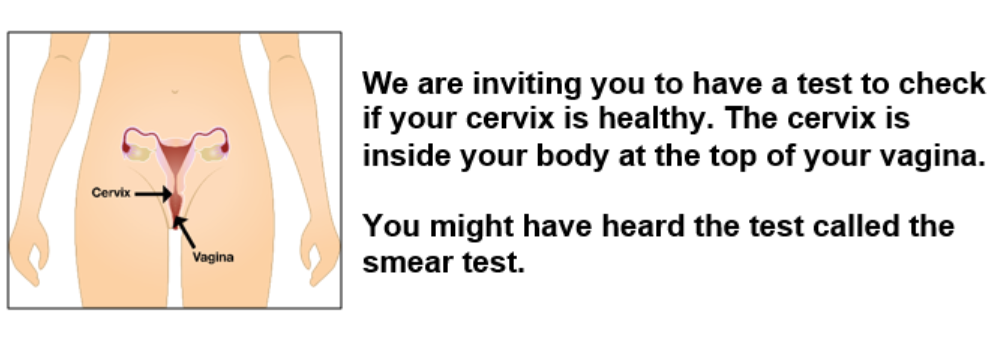
The invitation letters for cancer screening use terminology such as ‘cervical’, ‘cervix’ and ‘Human papillomavirus’ and assume that people will know what these words mean. What impact could using jargon and medical terminology have on the women receiving the letter? One problem is that women could misunderstand the procedure. Whereas, in an easy read document, the anatomically correct terms could be used, alongside an image, or further description. As the below image depicts:
PHE cervical screening: easy read invitation letter template
Ultimately, should there be standard information provided to all, which is written in a way that everyone can understand? Would more people be able to understand the information? Would this have an impact on uptake of services such as screening, and would this result in a more inclusive healthcare system?


Images:

1. Capture taken from the BBC News website, 18 April 2019, HEALTHWATCH/NHS ENGLAND The template for the letters is drawn up by Public Health England (https://www.bbc.co.uk/news/uk-england-tyne-47946395).