Saturday, 9 May 2020

This crisis has shown how many people were only just about managing

Mandy Cheetham, Research Associate from Teesside University, on the community response to the coronavirus crisis


I have been working as an embedded researcher at Larkspur House, a community project run by the charity Edberts House, funded by Big Lottery, to build happier, healthier and safer communities since October 2019. I started there, not long after it opened, to explore what difference the project is making, and fieldwork was well underway when COVID-19 struck. The project reluctantly had to take the decision to close and the groups and activities temporarily stopped. Like many others, I started working from home, feeling helplessly disconnected from people that I’d got to know, and wondering how everything was going.

A phone call from a colleague at 6pm on 30 March changed all that with an invitation to get involved in the multi-agency response to the COVID-19 crisis. Larkspur House was to morph into one of nine community hubs co-ordinated by Gateshead Council distributing food parcels, delivering prescriptions and offering support to people who are medically and socially vulnerable. I jumped at the chance, and since then, it has been something of a rollercoaster. We are a small, multi-disciplinary team, with complementary skills, talents and experience in an extremely busy hub. We phone people who have contacted the council for help to see what they need. In 4 weeks, we have delivered 250 food parcels to approximately 1000 people in the local community and three neighbouring estates. It’s important, exhausting, rewarding and at times frustrating work. It has revealed enormous generosity, neighbourliness, resilience, kindness and anxiety in the communities we serve. The crisis has also shown how many people were only just about managing day to day.

Since the lockdown started, I have listened to people who are fearful for their lives, worried about how they, their families and friends are going to manage through this crisis; the precariousness and embarrassment of people having to admit they are down to the last packet of pasta; people having to borrow from neighbours, family and friends; at the end of their resilience facing additional hurdles; people relying on Universal Credit, who’ve been sanctioned pre-lockdown and whose money has been stopped for 4 weeks during lockdown; the family with 4 children under 7 whose utility company cut off their gas supply leaving them without hot water or heating; the response of an unflappable team member who calmly and unquestioningly dropped off a food parcel and topped up the gas meter at 9pm on a Friday night to help a family through the weekend.

People who are routinely going out of their way to help people through this; pharmacists working flat out to process and deliver prescriptions, family members in touch with concerns about parents, grandparents and great-grandparents who they cannot help for fear of putting them at risk. The kindness and dependability of the volunteers from the estate who deliver daily packed lunches to children on free school meals, including on Good Friday and Easter Monday. The same volunteers who methodically planned, packed and delivered more than 300 craft packs to go out with donations of Easter eggs in the local area. The drivers and volunteers delivering the food; the unquestioning generosity of supermarket managers in local shops who I have approached for donations of bread, eggs, toiletries, nappies, baby wipes and fresh vegetables to include in the emergency boxes we distribute. The teachers, assistants and school staff looking after key workers’ children and children of families who need extra help. The humour of the Larkspur craft and natter group, formed by staff in response to being unable to meet weekly, so people can offer encouragement and support remotely, sharing tips, knitting hearts and NHS bears for patients and their families. People’s willingness to help where they can in creative and diverse ways; the unrelenting drive and ambition to help people through this awful, unprecedented crisis.

In such a short space of time, it has revealed so much of what can be achieved when we pull together, build on the trusting relationships and networks we have developed, sometimes over years, with respect, kindness, compassion, thoughtful leadership and careful co-ordination, non-judgemental and flexible approaches. It is, and continues to be a privilege to be part of this team. It couldn’t have happened in the way it has without the community members, staff and volunteers from Larkspur House whose nimble, agile response has made a tangible difference to local people. Relationships have been strengthened and cemented; bonds that will last.

Some people are saying the world has changed forever. I hope it is for the better. I hope the academic and research community has been able to show what a difference we can make when we work together, in collaboration with local communities, responsive voluntary organisations working alongside staff from local government, NHS, and education. Universities can claim to be part of a wider civic response, and at times like this, we can contribute in multiple ways. Whether our area of research is on vaccines, testing, contact tracing, epidemiology, modelling, food poverty, Universal Credit, welfare reform, nutrition or any other area of public health, there are multiple ways to be useful in the short, medium and long term. It involves working with others, as part of teams generating solutions together. We need to accept we do not have all the answers, we are part of a jigsaw of possible responses. That might mean moving out of our comfort zone, rolling up our sleeves and packing food parcels with colleagues and communities who will remember you were there with them when it mattered.

There are wider issues of course, longer term policy issues to focus our attention on, including policy issues to do with Universal Credit, welfare reform and its impact, which pushed people to the edge of coping before COVID-19 started. But for now, there are more pressing issues of food and prescriptions to deal with. Your local area will have its own responses and networks in place, formal and informal. If you’re shopping for others, that’s great. Can you safely check on neighbours around you? When you’re in the supermarket, foodbanks need your donations more than ever. Find out what they need. For the hubs, tinned meat, tinned fish, coffee, UHT milk, cereal, washing up liquid, shower gel and shampoo are useful. If you are in a position to donate, please do. Find out where your local voluntary organisations are helping and how you can support them. If you want to find out more about the charities involved in the Gateshead hubs, visit https://www.ageuk.org.uk/gateshead/help-pages/coronavirus/ or http://edbertshouse.org

Friday, 1 May 2020

Jerry-rigging, day chunking and comfy slippers: Coping with working from home

Posted by Jack Nicholls, Graduate Tutor, Northumbria University

I am a huge fan of Firefly. For the uninitiated, it’s a TV series centred on a rag-tag quasi-criminal crew, working for themselves on a tired but solid cargo spaceship, taking jobs as they can. It has a phenomenal amount to recommend it, and is rich and complex in terms of plot, dialogue and morality. Given that the ship serves as home, workspace, transport and social space, no-one discusses work-life balance. Maybe it’s not such an issue in sci-fi.

In the real world, most of our homes have over the last couple of months been 'jerry-rigged'* into offices, studio, workshops and lecture podiums. Some of us are sharing our new occupational spaces with family or flatmates with their own needs and pressures. Some of us are completely on our own, missing our colleagues. All possible permutations come with challenges and difficulties, and the one commonality is that there aren’t necessarily that many commonalities.

As the diversity of experiences became apparent, I decided to seek and compile a range of different coping strategies from colleagues in my department. What follows is the thematised synthesis of those colleagues’ input and ideas.


Getting writing (or anything else) done
My 'jerry-rigged' free-form workstation
  • Short bursts of focused concentration throughout the day - Pomodoro technique is a variant of this.
  • Daily goal of one substantial work task and one admin task
    • ....or a day given over wholly to one or the other
    • ....or a few small achievable goals.
  • Shutting emails / twitter/ phone off for allotted time periods.
  • Ending the day mid-sentence or with the next idea ready.
  • Content drafting or form/language editing when writing, but never both at the same time 


Structure and timing
  • Choose a daily time to start and definitely finish work, with regular breaks and small treats.
  • Differentiate between the working week and the evenings/weekends/(bank) holidays.
  • Alternatively......giving up on the 9-5... some are working in short bursts when able. 
  • Use your best available thinking time for the more complex/academic/difficult/thinky work (generally morning for me).
  • A ‘panic to do list’ - dump everything out of your head onto paper (work and otherwise) – then prioritise.
  • To-do-list for the next day – 3 things max.
  • Forcing yourself to do the worst job first - (known in some circles as ‘eat the frog’ – I can’t advise taking this literally ☹). 
  • Split tasks up to reduce boredom/weariness. 
  • If able, work early in the day on internet-reliant tasks (internet speed can slow in the afternoon).
  • Spread the admin tasks throughout the week.
  • Open the curtains in the morning, turn the lights on in the evening and then off before going to sleep - good for psychological rhythm.
  • Agree to morning video calls - it forces you to get dressed.
  • Clean and tidy up, either first or last thing - you will feel a sense of accomplishment and peace. 

Habits
  • Get dressed for work – not necessarily what you’d wear to the office/library/placement – but something that is different to your ‘comfy’ wear. When you're finished working get changed.
  • Alternatively...some find it freeing and comfortable to work in their pyjamas if they don’t have a Skype call.
  • Comfy slippers, but smart/casual wear for torso (just in case anyone Zooms, FaceTimes or Teams you).
  • Exercise at some point in the day – that could be anything – online pilates, weights, a stroll.
  • Don’t work excessive hours and be realistic about expectations (it will never all be done).
  • Get some fresh air – if you or one of your household are among the shielded, an open window will do.
  • Give yourself a bedtime and try observing some sleep hygiene.
  • Sing (or even dance) when you have a break and interact with pets if you have them.
  • Keep in regular contact with colleagues and friends, but also be prepared to turn off contact devices when you need to concentrate.
  • Keep your work space organised if possible – if space is limited, some people find it helpful to put all their work things on a tray, then it can be moved to wherever there is space, and quickly out of the away. 
  • Some find working in the same place suits them, others move around for variety, or depending on the task.
  • Switch the background on your Word document to something other than bright white – less strain on the eyes. Any pastel shade is good. 

Pickle & Missy failing to follow social distancing rules
These tips are diverse, and some contradict one another. This is neither a surprise nor a bad thing – academic staff, like anyone else, vary in their personal circumstances, geography, family situation, preferences and strengths. I don’t have caring responsibilities (rabbits aside) but am in a risky health category, so my time is possibly more flexible, but my ability to leave the house extra-limited. The way to look at this list is as a broad range of suggestions, and to take or try things that you think might work for you and your situation. It may be that some things work better under some circumstances than others, and there will be things here that just don’t work in your personal situation. Customise, reverse-engineer, and fit to your needs.


I’ll end where I started – with Firefly. The following exchange takes place after a tumultuous, dangerous escapade.
"We're still flying." 
"That's not much." 
"It's enough" 
Stay as safe as you can, and good luck.

*for those of a less nautical persuasion, 'jerry-rigged' or 'jury-rigged' means having temporary makeshift rigging. In this case my improvised workstation!


Contributors:
Melanie Gibson, Sarah Lonbay, Katie Haighton, Tim Rapley, Monique Lhussier, Natalie Foster, Sonia Dalkin, David Nichol, Julie-Anne Lowe, Kay Heslop, Peter Kruithof, Donna Carlyle

Image:
  1. "Firefly boxset cover" by Tom Mulrooney via Flickr.com, copyright © 2006: https://www.flickr.com/photos/mullers/232714398. Attribution-NonCommercial-ShareAlike 2.0 Generic (CC BY-NC-SA 2.0)

Friday, 17 April 2020

What is the recipe for a happy retirement?

Independence, identity, planning and staying socially connected says Anastasiia Fedeeva, Postgraduate Researcher, from Northumbria University


For the last two and a half years, I have been working on a PhD that aims to promote wellbeing and physical activity in retirement. Over this time some people have asked me whether I ever felt too young to understand what retired people might need to live their lives better. I must admit that is a fair question but not just because of the potential age difference with my target population.
 
First, before designing and implementing any initiatives to promote wellbeing or physical activity, it is recommended that you have a good knowledge of the people that you want to help; their needs, preferences, and feelings (Laverack, 2017). Furthermore, retirement itself is a unique and complex phenomena. Retirement experiences vary considerably between individuals and are influenced by a variety of contextual factors, for example the characteristics of a job, personal health, social networks, or whether a spouse is working (Wang, 2007). Therefore, it is important to understand the gaps in what can predict positive retirement (Amabile, 2019; Van Der Zwaan et al., 2019). One way to explore retirement more comprehensively is by conducting qualitative research to find out about the experiences of retirees, as this allows us to identify the key ways in which people adapt to a successful retirement in connection with individual and contextual factors. That’s why I spent several months last year conducting focus groups and individual interviews in order to better understand psychological predictors of retirement adjustment such as people’s attitudes, feelings, and behaviours.
 
To understand what is so good and bad about retirement, it is important to recognise what people leave behind after quitting their jobs. Work brings a lot of positives to our lives and this is not only limited to our finances. Among the most common benefit is the feeling of belongingness and connectedness with our colleagues. Retired people can be very concerned about losing valuable connections from their previous employment. For some, work may be the main source of social interaction, and those people might feel particularly vulnerable in retirement. 
 
Another positive aspect of work is in giving us an identity. If you ask people: “Who are they?”, very often the first answer would be related to the person’s work role. As people leave employment, they can no longer define themselves by their professions, and it brings the question: “Who are they now?” Although work identity can be substituted with other roles, such as those that are family or hobby-related, this process might take some time and individual effort. For those with a particularly strong attachment to work, such identity transition can be very challenging. 
 
However, one benefit associated with retirement that many look forward to, is increased freedom and independence. Most are excited to have the opportunity to finally live in accordance with their own preferences and choices, free from work-associated obligations and routines. This desire for independence seems to develop beyond just freedom from work commitments. Retired people value independence in other areas of life as well, and sometimes this even takes precedence over the importance of social connections. One reason can be that people of retirement age have already had all variety of commitments, including work and family responsibilities, and retirement is viewed as a relief from that. Another possible reason is that retirement is seen by many as the beginning of ‘old age’. As individuals acknowledge age-related health decline, they start appreciating physical and mental independence more than ever.
 
Additionally, some recently retired people see creating a new routine as another restriction to their freedom but planning day-to-day activities can be beneficial for wellbeing in the long-run. Planning seems to enable a better use of this increased freedom by helping retirees to participate in different activities of their choice. Thus, establishing new routines can be remarkably empowering as they foster feelings of control, sense of purpose and self-value, that “I’ve got my life back!”. 
 
As such, regardless of the differences in experiences and expectations, social connectedness, independence, successful identity transition, and planning activities in retirement appeared to be important for the vast majority of my participants. These findings supported and added to our ideas on how to promote healthy retirement. 
 
Personally, I feel privileged to have shared in the stories of retired adults. This has made me feel much closer to them – they aren’t ‘just participants’ anymore but real people who have gone through life’s joys and struggles. I have realised even more that despite the generational, cultural, and life experience gaps, we might just be looking for the same things that contribute to our happiness and wellbeing after all.
 
  
References:
  1. Laverack, G. (2017). The challenge of behaviour change and health promotion. Challenges, 8(2), 25. Retrieved from: https://www.mdpi.com/2078-1547/8/2/25
  2. Wang, M. (2007). Profiling retirees in the retirement transition and adjustment process: Examining the longitudinal change patterns of retirees’ psychological well-being. Journal of Applied Psychology, 92, 455-474. Retrieved from: https://www.ncbi.nlm.nih.gov/pubmed/17371091 
  3. Amabile, T. M. (2019). Understanding Retirement Requires Getting Inside People’s Stories: A Call for More Qualitative Research. Work, Aging and Retirement. Retrieved from: https://academic.oup.com/workar/article/5/3/207/5521007
  4. Van der Zwaan, G. L., Hengel, K. M. O., Sewdas, R., de Wind, A., Steenbeek, R., van der Beek, A. J., & Boot, C. R. (2019). The role of personal characteristics, work environment and context in working beyond retirement: a mixed-methods study. International archives of occupational and environmental health, 92(4), 535-549. Retrieved from: https://link.springer.com/article/10.1007/s00420-018-1387-3

Image:
  1. "Your father's opted out of a dignified retirement." by Grizelda Grizlingham via University of Kent, British Cartoon Archive (Reference number: GGD1456, Published by: Spectator, 02 Mar 2018, with thanks to Copyright holder: Grizelda Grizlingham): https://archive.cartoons.ac.uk/Record.aspx?src=CalmView.Catalog&id=GGD1456&pos=23

Thursday, 9 April 2020

Working from home isn’t for everyone - here’s how to cope if you’re struggling

Posted by Annabel van Griethuysen, Floating Dietetic Clinical Specialist, Tees, Esk and Wear Valleys NHS Foundation Trust (TEWV)

You may find yourself, as I have, being asked to work from home during the COVID-19 crisis. Although my work as a dietitian is vital to the NHS and to the care of patients, it is something which can be done remotely. Whilst those working from home may feel relieved in some ways to be able to socially distance, unlike our colleagues in front line services, this still comes with its own challenges.


Being isolated at home can be hard; it is easy to feel cut off from friends and co-workers, to feel out of the loop when it comes to work decisions and to feel stressed with how best to work when at home. Some people may find it frustrating that they cannot work as they did, and find performance dropping; others have told me that they are working over and beyond to almost prove that they are still being productive.

Working from home works for some people, and not for others. So what should we do if we are asked to work from home, and are struggling?

One thing which is key is to ensure that you keep a routine as much as possible. It is tempting to roll out of bed and turn on the laptop; no hair brushing, in pyjamas, no makeup. However, getting up and keeping a routine is very helpful to maintain mental health and structure. Getting up with enough time to relax before turning on the computer, to get dressed and to have breakfast, will help to separate relaxing time at home from work time at home. This also goes for the rest of the day - make time to do enjoyable activities, make sure you are getting enough sleep, and schedule breaks into your working day.

Ensuring you are eating and drinking well is also extremely important. Having time away from the computer for lunch and sitting in a different place to eat can help to break up the day and give you a much needed break. Generally, the British Dietetic Association has advised to continue to eat and drink normally throughout this pandemic, focussing on a balance of food groups. If we are struggling to shop regularly, they advise using fresh foods first, but also frozen, dried and tinned produce, for example vegetables, are still a valuable sources of nutrition. It is tempting to snack more when working from home; I know personally the lure of the biscuit tin is strong, but instead of reaching for a biscuit, try getting a hot drink, or having a wander to a different room for a 5 minute break. I’m lucky enough to have a garden to use to get a quick bit of exercise.

One thing to potentially consider is a supplement of vitamin D. This is usually the sunshine vitamin which, in the spring, we would be able to get from sunlight, but with limited exposure to the sun at the moment, a 10microgram supplement may be beneficial.

Having a completely separate space to work which is tidied or hidden away at the end of the day can help to establish structure and boundaries, and resist the temptation to work on into the night. Try to make sure that this space is appropriate as well, with a desk, supportive chair, and enough natural light and ventilation. It can also help to keep two or four legged ‘helpers’ at bay!

But finally, it is normal and understandable to feel anxious and stressed, especially at this time. So make sure you are talking if this is the case. Reach out to your social circles (I have somehow managed to teach my mother to use WhatsApp video calling!) and keep connected. Together we will be strong.

Some sources of support and information:

Annabel is a Floating Dietetic Clinical Specialist at Tees, Esk and Wear Valleys NHS Foundation Trust (TEWV). Practitioner of Public Health, Faculty of Public Health, Trade Union Representative for the BDA (Association of UK Dietitians) and Staff and Dietetic Wellness Champion.

Photo attribution: 

Friday, 3 April 2020

The mental health of the nation has never been so under threat

Posted by Fiona Duncan, Postdoctoral Research Associate, Durham University

Lockdowns and self-isolation, increasing care demands, concern for others, and ongoing uncertainty are exacerbated by a reinforcing 24-hour news and opinion cycle, playing havoc with our stress and anxiety levels and battering our overall sense of wellbeing. The coronavirus crisis.

However, for many people across the country, a feeling of their wellbeing being under attack is not new. Experiences of overwhelming debt, long-term unemployment, insecure housing, poverty, food insecurity, social isolation lasting months or years and/or discrimination are common and can collectively chronically diminish the mental health of the public as a whole.

These normal and extraordinary circumstances raise the question of how the mental health of an entire population can be supported, or in other words, how can we improve public mental health (PMH)? Over the past year, I have had the privilege of investigating this complex question in detail within Fuse.

My work has primarily involved mapping interventions currently being delivered to improve PMH, exploring models of good practice and searching for emerging innovative ideas. This focused on two areas – Blackburn with Darwen, and Redcar and Cleveland – which were selected on the basis of mental health statistics and varying characteristics (e.g. rurality, deprivation etc.).

I found this mapping exercise a great opportunity to get out and about and talk to people who organise and deliver projects to improve PMH on the ground in their local area. I spoke to a lot of very helpful people who were very passionate about the work they did and it was inspiring to hear about the variety of innovative projects that were being provided for people in these local authority areas to promote good mental health and prevent mental illness.

One of our main findings was that interventions to prevent social isolation and loneliness by providing various social activities were most common. This may reflect how recent campaigns surrounding reducing social isolation in older adults have influenced policy. Although a multitude of individual, family, community and structural factors influence PMH, not all of these were addressed. Does this suggest a wider variety of interventions are required in the future or would it be better to develop interventions which have the ability to target multiple factors at the same time? For instance, interventions which increase social networks within society, self-confidence or self-efficacy may enable people to deal with many different threats to their mental health without having to use a specific service.

An interesting finding of this mapping exercise was that a lot of these interventions either hadn’t been evaluated at all or only a very basic evaluation had been carried out so there was very little objective evidence regarding their effectiveness. This is something we hope to address in the next phase of the project by carrying out in-depth evaluations of promising interventions, including their potential to be delivered on a larger scale.

One final finding from this mapping that seems more relevant now than a month ago is that very few of the public mental health interventions could be delivered exclusively online. The implications of this are that the vast majority of the projects that we identified will most likely be suspended and many people who depended on this support will be left to cope alone. Moreover, people who are currently struggling with the isolation of lockdown have reduced options for help. Although Public Health England has published online guidance for the public on the mental health and wellbeing aspects of coronavirus there is an urgent need for supporting remote delivery or new online interventions within the next few weeks (of course, recognising that not everyone has access to these).

We also need to consider what we are all going to do when the COVID-19 situation is over. Will the country’s mental health bounce back to normal levels without any help, perhaps benefitting from the shared sense of community and new ways of living and working developed during the crisis? Or, will we need to work hard to develop and deliver services at the individual, family, community and structural levels to repair the damage that has been done to the mental health of the nation?


This work was part of WP4 of phase one of the NIHR SPHR Public Mental Health programme.  Information about the wider programme is on the SPHR website and was a collaboration of researchers based at Fuse, UCL, Imperial College London and Cambridge University.

Friday, 20 March 2020

Food shaming is not a game

Posted by Sarah Dempster, Registered Nutritionist (Public Health)

“Our current learning focus is food. We are exploring what makes a food healthy / unhealthy” says the notice board in the entrance to my daughter’s nursery. I sigh. Is this a battle I want to pick? I already had some difficult words with the Head Teacher last year about food-based rewards, and I don’t really want to become known as that mum who complains about every food-related activity that happens in the school. Especially when people don’t seem to get what it is that I’m actually complaining about.

I’ve worked in and around public health nutrition for ten years. Over the past few years - probably since having children of my own - I’ve become increasingly concerned about the way we communicate to children about food. Take this “teacher tested” educational game for four to eight year olds as an example:


I wonder if, in our worthy quest to do everything we can to improve children’s eating patterns, some of the things we say and do are having unintended consequences. What might be the impact of teaching nursery-age children to polarise foods into “unhealthy” versus “healthy” categories? What are we saying when we imply that people who eat so-called “junk” foods like burgers or pizza are “greedy”? What happens in children’s minds when they’re presented with those same “unhealthy” or “junk” foods as a reward for good behaviour? Or when their parent’s food choices are so constrained that a hotdog is the only option for dinner?

Mixed messages

My biggest concern relates to the disconnect between nutrition education and children’s day-to-day experiences of food. One UK study involving 9-10-year olds showed that children have difficulty interpreting healthy eating messages. An example quote was:
“it’s not true that chocolate’s bad for you because I eat chocolate, and I’m not completely fat, am I?” (Fairbrother, Curtis, & Goyder, 2016, p. 481)
Overall, it is thought that what children believe and know from their own experiences about food has a greater influence on their eating behaviours than what they are taught (Schultz & Danford, 2016). This makes me wonder why we’re teaching children about “healthy eating” at a young age at all - shouldn’t we just be showing them through the experiences we facilitate and/or provide for them and their families? 

What do children understand from nutrition education?

Health is an abstract concept and we know that young children are concrete thinkers. While they may be able to categorise foods as “healthy” or “unhealthy” by rote in pre-school, they are unlikely to make sense of why each food is in each category. They can understand that food provides energy but it isn’t until they are much older that they can accurately explain physiological reasons for eating (Inagaki & Hatano, 2006; Nguyen, Gordon, & McCullough, 2011; Slaughter & Ting, 2010). They find the concept of “prevention” particularly difficult (Legare & Gelman, 2014).

There’s little research on the impact this may have. However, Pinhas et al. (2013) found some evidence that healthy eating lessons could trigger eating disorder development in susceptible children, who may become preoccupied with food after learning about nutrition. We know that children are under pressure to conform to the “thin ideal” body type from a young age. One Australian study found that 34% of 5-year old girls were already restricting food (Damiano et al., 2015). Meanwhile, children demonstrate anti-fat attitudes from as early as two years old (Di Pasquale & Celsi, 2017). Oversimplifying the relationship between food and size in a game like Greedy Gorilla will at best be ineffective and at worst, fuel the well-known negative consequences of weight stigma (World Health Organization, 2017).

What does the curriculum actually say?

Food and nutrition is a focus area in UK curriculum frameworks, with defined knowledge and skills outcomes at specific ages or stages. Food literacy is covered in a much broader way than just teaching kids what to eat for health. This provides the opportunity for rich, multi-sensory learning experiences… how food is grown, how people from different countries and cultures eat, what different foods look, smell and taste like, how to prepare foods… and as children get older, bringing in critical appraisal around what influences our food choices (e.g. social, health-related or financial factors, the food industry, diet culture). There are lots of examples of good practice around this and it can be done in very positive and inclusive ways.

Until recently, there was little evidence of moralistic language such as “junk food” or reference to “unhealthy eating” within the curriculum. However, the Department for Education (2019) now states that by the end of primary school, children should know: “the characteristics of a poor diet and risks associated with unhealthy eating (including, for example, obesity)”. This worries me, especially for young children who are dependent on adults for all the food they consume, and because we know that weight bias is prevalent in education settings (Nutter et al., 2019).

Food education is really important for young children, but I think we need to look at how public health and education professionals collaborate to get it right for all children. This means improving our understanding of the impact of the language we use, to ensure that we are not fuelling fear, shame or stigma around food or body size.


References:
  1. Fairbrother, H., Curtis, P., & Goyder, E. (2016). Making health information meaningful: Children’s health literacy practices. SSM - Population Health, 2, 476–484. https://doi.org/10.1016/j.ssmph.2016.06.005 
  2. Schultz, C. M., & Danford, C. M. (2016). Children’s knowledge of eating: An integrative review of the literature. Appetite. https://doi.org/10.1016/j.appet.2016.08.120 
  3. Inagaki, K., & Hatano, G. (2006). Young Children’ s Conception of the Biological World. Current Directions in Psychological Science, 15(4), 177–181. https://doi.org/10.1111/j.1467-8721.2006.00431.x
  4. Nguyen, S. P., Gordon, C. L., & McCullough, M. B. (2011). Not as easy as pie. Disentangling the theoretical and applied components of children’s health knowledge. Appetite, 56(2), 265–268. https://doi.org/10.1016/j.appet.2011.01.008 
  5. Slaughter, V., & Ting, C. (2010). Development of ideas about food and nutrition from preschool to university. Appetite, 55(3), 556–564. https://doi.org/10.1016/j.appet.2010.09.004 
  6. Legare, C. H., & Gelman, S. A. (2014). Examining Explanatory Biases in Young Children’s Biological Reasoning. Journal of Cognition & Development, 15(2), 287–303. https://doi.org/10.1080/15248372.2012.749480 
  7. Pinhas, L., McVey, G., Walker, K. S., Norris, M., Katzman, D., & Collier, S. (2013). Trading Health for a Healthy Weight: The Uncharted Side of Healthy Weight Initiatives. Eating Disorders, 21(2), 109–116. https://doi.org/10.1080/10640266.2013.761082 
  8. Damiano, S.R., Paxton, S.J., Wertheim, E.H., McLean, S.A. & Gregg, K.J. (2015) Dietary restraing of 5-year old girls: Associations with internalization of the thin ideal and maternal, media and peer influences. International Journal of Eating Disorders, 48: 1166-1169. https://doi.org/10.1002/eat.22432
  9. Di Pasquale, R. & Celsi, L. (2017) Stigmatization of Overweight and Obese Peers among Children. Frontiers in Psychology. https://doi.org/10.3389/fpsyg.2017.00524 
  10. World Health Organization (2017). Weight bias and obesity stigma: considerations for the WHO European Region. WHO: Geneva. http://www.euro.who.int/en/health-topics/noncommunicable-diseases/obesity/publications/2017/weight-bias-and-obesity-stigma-considerations-for-the-who-european-region-2017)
  11. Department for Education (2019) Relationships Education, Relationships and Sex Education (RSE) and Health Education: Statutory guidance for governing bodies, proprietors, head teachers, principals, senior leadership teams, teachers. Department for Education: London. https://assets.publishing.service.gov.uk/government/uploads/system/uploads/attachment_data/file/805781/Relationships_Education__Relationships_and_Sex_Education__RSE__and_Health_Education.pdf
  12. Nutter, S., Ireland, A., Alberga, A.S., et al. (2019). Weight Bias in Educational Settings:a Systematic Review.Current Obesity Reports, 8, 185-200. https://link.springer.com/content/pdf/10.1007/s13679-019-00330-8.pdf#page32

Thursday, 12 March 2020

A decade of school food policy inertia

To mark International School Meals Day, we asked former-schoolteacher turned school food researcher Kelly Rose from Teesside University to reflect back on the progress of school food over the last decade.


As a former schoolteacher, now researching the secondary school food environment and adolescent dietary habits, it seems fitting to mark school meals day 2020 by reflecting on a decade of secondary school food policy.

Of late, ‘other’ focuses you could say, have overshadowed the important fact that our young people’s diets are nutritionally poor in the UK. But that begs the question, why are the population of future parents and workforce not a priority at all times?

Currently more than 91 million school children around the world are reported to be living with obesity, with the UK being in the top 20 countries for childhood obesity levels, doubling during the primary school years and increasing further into secondary education. The majority of adolescents in the UK have nutrient deficient diets, high in processed foods and very low in fruit and vegetables. With only 4% of teenagers meeting UK public health fibre recommendations, a significant concern given that dietary fibre is linked to a decreased risk of heart disease, type 2 diabetes and cancers. Furthermore, the health inequalities gap is a devastating burden of poor health for our children living in more disadvantaged areas and minority communities, in comparison to those from more affluent areas.

"In my research I have noticed a level of inertia on the evaluation or policing of school food policy this decade"

In my research I have noticed a level of inertia on the evaluation or policing of school food policy this decade, impacting on school’s healthy food choice offerings. Only the other day my friends 11-year-old daughter explained to me the best thing about her new (secondary) school was the food; “I can eat pizza and cookies every day” - oh dear. Kind of explains why our young people are generally low in at least five micronutrients essential for growth, development mood, reproductive health, energy levels and immunity.

2009 – The Nutrient based standards (NBS)

In 2009 the NBS were rolled out to secondary schools in England, after first being introduced into primary schools. Not only were these food standards focused on meeting young people’s nutrient requirements, but also the mapping of 4 areas of influence provided a framework for which to apply the policy across the nation (Haroun et al 2011). These were considered ‘the most detailed and comprehensive in the world’ (Harper and Wells 2007; Evans and Harper 2009). Plus the Initial evaluations were encouraging (Adamson et al 2013; Stevens et al 2013). However, the NBS was for some a ‘complex task’ to implement (Rose et al 2019).

What happened in 2010?

A change in government (the introduction of the Coalition led by David Cameron) meant a change to school food. Firstly, any ‘newly established academies and free schools’ were not required to adhere to the NBS. A decision which some viewed as a deregulation of school food. Quite soon, school food standards were under review, and in 2013 the School Food plan (SPF) developed by Henry Dimbleby and John Vincent (Long, 2019) was introduced.

The School Food Plan

Over the next few years we see SFP replacing NBS as a legal requirement for ‘all food served in most schools’ (Rose et al 2019). Remember the decision in 2010 to release the new academies and free schools? Well, this means that these schools are still exempt from following the standards, however, some have signed up voluntarily. The aim of the SPF is to transform what children are eating in school and to support schools to create a ‘healthy school ethos’. The SFP is certainly visual, providing ease of use, and the comprehensive resources give schools checklists and guidance. But, here lies a problem, where is the school support system?

Part two of the decade

The first chapter of the UK childhood obesity strategy published in 2016 (DHSC, 2016) provided some recommendations and support for school health initiatives, for the most part within primary aged children. Then in 2017 two things of note happened. The School Food Trust integral to the systems mapping approach of the NBS had been an independent organisation since 2011 providing school resources and opportunities for research closed without funds to carry on. The second was an independent review (the Food Education and Learning Landscape review (FELL)) carried out by The Jamie Oliver Food Foundation. The researcher reported a vast difference in the approach to healthy eating and food education in secondary school environments, stating to be ‘alarmed’ at the state of the problems surrounding the “secondary school food environment”.

Chapter two of the Childhood Obesity strategy (DHSC, 2018) included a pledge to commit to support ‘all children with high quality nutrition’ by conducting consultations on nutrition within buying standards for school catering services and introducing ‘a healthy rating scheme’ allowing for ‘self-evaluation’, whilst also providing a more robust Ofsted framework. My issue as a former food and nutrition teacher/head of health education in a school with supportive leadership is that schools need support externally to evaluate and help develop menus and implement nutritious school meals. The capacity, knowledge and often willingness of school leads, along with the lack of monitoring of adherence to school food standards remain huge barriers to effective school food provision.

2020 current picture

This is where we find the current school food picture in England, no real change from 2018. Awaiting the healthy school’s framework and a priority to be placed on school food provision policy. And, in the meantime social norms of poor teen diets are becoming more and more acceptable, healthy food is so ‘uncool’ to a teenager’s street cred. With the myriad of fast food options on the ‘School fringe’ less expensive and more convenient, thus appealing to the innate biology and the impulsivity of teenagers. A plan to shift teen risk perception of unhealthy eating (i.e. behaviour change) as well as consistency in following the SFP is needed.

A big question

The big question here is why has there been no evaluation of the SFP? There is limited evidence of schools following the school food plan. School staff and leaders have in my mind the most strenuous roles in terms of juggling priorities and educating young people. To expect schools to take on the huge role of making sure food provision meet the nutrient requirements of the nations young people without support is to my mind crazy and as we see presently, will not work…


About Kelly:

Kelly is a registered nutritionist and a former school teacher, currently investigating ways to reduce the obesogenic environment with a secondary school food focus as part of her PhD. She is passionate about the impact of nutrition on adolescent health and has spoken locally, nationally and internationally on the topic of school interventions and the importance of social influence on food choice and the impact of nutrition on mood and behaviour. Kelly is registered with the Association for Nutrition (AFN), a member of Plant based health professionals UK, Nutrition Society, British Nutrition Foundation, Fuse: the Centre for Translational Research in Public Health and The Association for the Study of Obesity.


Adapted with thanks to Food Active


Image: 'primary school, lunch, break, school, activities' by Amanda Mills, USCDCP via PIXNIO (https://pixnio.com/people/children-kids/primary-school-taking-their-daily-lunch-break-during-their-school-day-activities) (Personal & commercial use (CC0).

Friday, 6 March 2020

Out of the shadows: Corporate activity and our health

Posted by Nason Maani, Harkness Fellow, Boston University School of Public Health

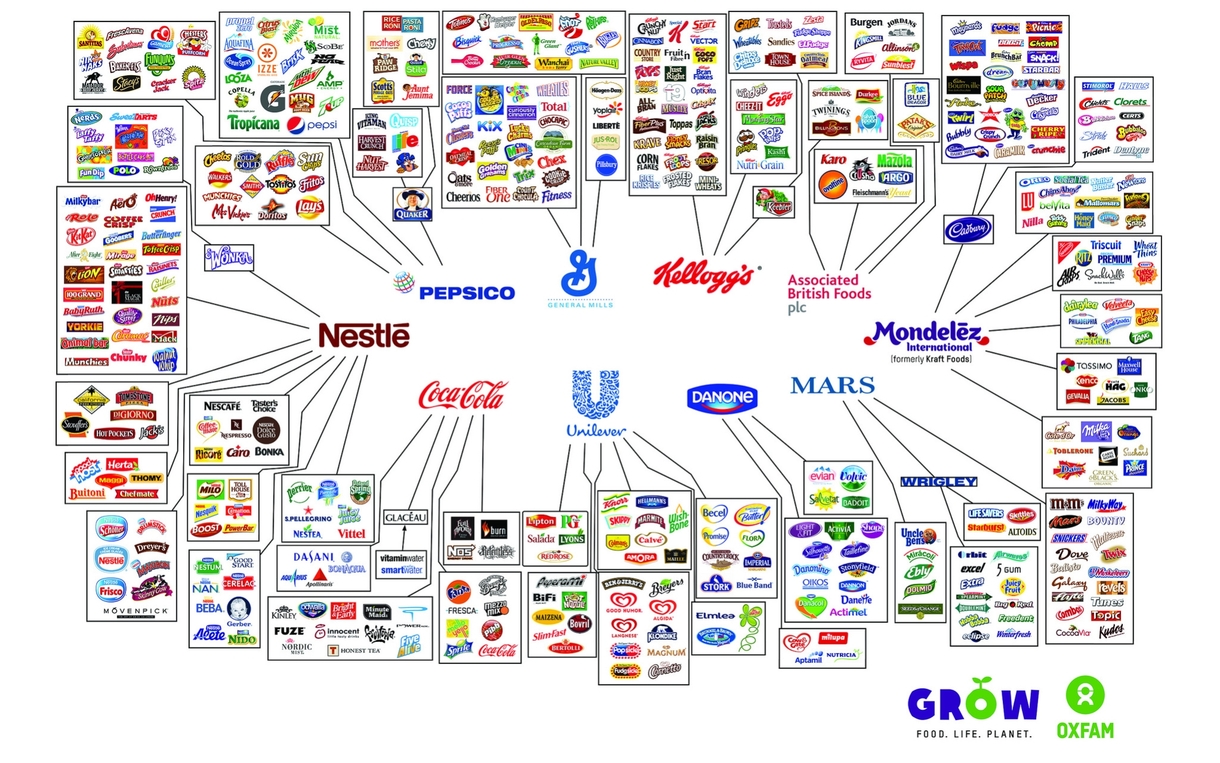
When considering the impact of commercial actors on health, our minds in public health turn immediately to tobacco. However, while the tobacco industry has earned its reputation and associated exclusion from policymaking, what is unique about those actors misleading policymakers and the public for commercial advantage? Arguably, nothing at all. Asbestos, leaded paint, fossil fuel, sugar-sweetened-beverage and alcohol companies and their proxies have been found to pursue similar tactics.

This is not to say that large commercial actors cannot in many cases benefit society while making a profit. Rather, it is to say that such commercial actors have a track record of focusing on maintaining profit while avoiding litigation, negative PR, and regulatory burdens. When these goals conflict with population health, such actors have the power and scale to negatively influence health, the evidence base, policy options, and even public discourse. The commercial determinants of health, in their broadest sense, are defined as activities of the private sector that affect the health of the population.

As we discussed in a recent commentary, there is a need to progress our understanding in this area because all these areas of influence matter to societal progress, and there are commonalities across many different industries in terms of their motivations, strategies, networks, tactics and interventions that merit the attention of public health researchers.

There is also currently a lack of conceptual focus on these powerful actors by policy-makers and non-governmental organisations, and some gaps in our thinking about these issues. We know that it is largely the conditions in which we are born, grow, live, work and age that determine our health, sometimes called “the social determinants of health”. However, in a recent review, we showed that commercial determinants were often absent from conceptual frameworks of the social determinants of health. This is problematic because such actors have the incentives, resources and strategic ability to influence everything from individual behaviours, attitudes and preferences, to the pollution of the environment, and the funding of politicians who are unwilling to consider the weight of evidence on a particular issue.

Oxfam’s infographic making the connections between big companies and some very familiar brands.


There is a large space for study in this area, but many challenges to doing so, not least because there is relatively little research funding or political will to tackle these issues directly. Many researchers and advocates remain “silo-ed”, focusing on a particular product, or discipline. This “zoomed-in” view stands in contrast to the intersectional ways in which a single large company might act, never mind an industry sector as a whole, or different industry sectors with overlapping interests, acting, for example, to diminish employment rights or environmental standards. We argue that there must be much greater scope for the convening of interdisciplinary research to explore these issues and offer potential solutions.

What about practice?

Aside from research, what about practice? There is also a need for the evidence that does exist to translate more effectively into policy. The challenge public health practitioners often face is that there is a strong political will for partnership and collaboration with the private sector at the local, national and global level, both through direct partnerships, and multilateral engagements. Such arrangements are, on the face of it, appealing. Access to the resources of the private sector is an obvious solution to the problem of increasingly restricted budgets for public health departments, particularly as these private resource pools are so large. Voluntary commitments between the public and private sectors are also conceptually appealing, echoing the type of multi-stakeholder engagement that public health advocates strive for.

However, in the UK, the evidence suggests such activities are often characterised by an abundance of words (in the form of voluntary pledges) and a paucity of deeds (in the form of meaningful changes to how harmful products are produced and marketed). Without regulatory safeguards, it appears unlikely that harmful product manufacturers will voluntarily act in ways that could reduce their own profit margins or lead to “stranded assets”. Instead, such actors will go to great lengths in framing themselves as part of the solution to a “complex” problem, while attempting to diminish the role they play in creating that problem, and rejecting what they termed “one size fits all” approaches such as policy best buys.

There is, however, progress on the research front. Research on specific harmful products and the industries that produce and market them continue apace, and commonalities in corporate strategies are being increasingly discussed. Networks of interested researchers in related topics are beginning to emerge. Perhaps most promisingly, it is becoming clear that commercial determinants are an important component of the broader determinants of health. As the “elephants in the room” become more widely perceived in issues such as alcohol harm, climate change and the opioid crisis, let us hope that, informed by a growing evidence base, the tools to properly address them will follow.


Photo attribution:
  1. "140/365 - Coke Shadow" by Adam Wyles via Flickr.com, copyright © 2011: https://www.flickr.com/photos/the-travelling-bum/5418900013 (CC BY-ND 2.0).
  2. Oxfam infographic courtesy of Oxfam, copyright © 2013: https://firstperson.oxfamamerica.org/2013/03/10-everyday-food-brands-and-the-few-giant-companies-that-own-them

Friday, 21 February 2020

Workplace Health and the Cauldron of Evidence

Scott Lloyd and Sarah Slater, Advanced Public Health Practitioners, Public Health South Tees 

Systematic reviews are brilliant. They take all the available evidence for a particular topic, do something special (stick the results into a big cauldron) and churn out a finding that informs us mere mortals in policy and practice where we should and shouldn’t be investing our money and capacity.

Double, double toil and trouble...
In these austere times, such evidence about what works and what doesn’t is so important – especially when combined with the how and why. This recent review by Jenna Panter and colleagues is an excellent example of what works and how.

However, there is one sphere of public health where we feel that systematic reviews may not paint a full and fair picture.

Let us explain.

Workplace Health


Most public health colleagues have a speciality or five. This might be a topic (e.g. nutrition or addiction) or part of the life-course (e.g. children and young people or older adults).

We are Workplace Health Specialists with 28 years of combined experience. We’ve supported employers of all descriptions, including businesses of different sizes and in different sectors. We’ve worked on national workplace health programmes, such as the Well@Work programme led by the British Heart Foundation between 2005 and 2007, and have been involved in the North East Better Health at Work Award since its launch in 2009 (arguably the biggest and most successful workplace health programme in England). We’ve a lot of experience of supporting NHS organisations who are trying to improve the health of staff – sometimes successfully, sometimes less so.

Working with such a variety of employers to improve staff health is a challenge of both knowledge and skill because they are looking to you, as the expert, to come up with evidence-based suggestions. Consider how you might support the below employers (real examples for us) to encourage physical activity in their workforce:
  • A tea factory which operates 24 hours a day with mixed shifts and a predominantly female, part-time workforce
  • A call centre for a bank employing 1,200 mostly young staff, in a mainly sedentary occupation
  • A call centre for a public sector organisation employing workers typically aged 40 plus, in a mainly sedentary occupation
  • A mining company at which the majority of the workforce arrive, take a lift down a shaft for 20 minutes, work a shift underground in 40 degree heat, resurface in the lift and get straight in the car to head home
  • A category B prison. 
How would you support an employer to encourage physical activity in a call centre?
What you might suggest to each of the above five employers (and what might work) could be completely different (and probably would be). At least in each of those scenarios, the workforce is likely to be pretty homogenous. Consider working with a huge employer such as a Local Authority or NHS Trust which arguably have massive internal differences in staffing groups in terms of age, gender, hours, and roles (e.g. office staff vs refuse collectors).

We believe that these differences make workplace health a different kettle of fish compared to other settings, such as schools, colleges, universities, and prisons, which could be comparatively homogeneous. They aren’t of course – there are massive differences between schools for example, but our suggestion is that they have the potential to be very similar if all variable things (e.g. culture, policies etc.) were the same. 

What’s our point?

Firstly, that lumping trials of workplace health interventions and programmes into a systematic review masks these potentially huge differences. We’re not sure how we get around this issue but we are raising it as an issue.

Secondly, to suggest that there is a lot more research to be done. There are some workplaces that should be considered a priority. For example, the majority of the working population in the private sector (60%) are employed by small-to-medium sized enterprises (less than 250 employees) and this is an area that no-one has cracked in terms of health and wellbeing via the workplace. Another example is call centres: given the sedentary, pressured nature of the work. One feasibility trial has recently been completed (Morris et al. 2019)[1] and another is underway (involving Scott). We can’t do individual studies for every type of workplace but some should be considered a priority.

Thirdly, to highlight the skills possessed by our peers who lead on workplace health. Employers and employees can throw all sorts of issues at you from bread and [low fat] butter stuff like physical activity and mental wellbeing to stuff like menopause awareness and sleep. Not only does a workplace health specialist need to maintain a base knowledge of all these topics, but they also need to understand how it might be tackled in the various types of workplace highlighted above.

It would be remiss of us not to plug the North East Better Health at Work Award. It needs a stronger evaluation building on previous work (Braun et al. 2014)[2], but we’re talking about a programme that was launched in 2009 and has actively engaged hundreds of employers every single year since (456 currently engaged at January 2020), supporting them to promote the health and wellbeing of their staff (potential combined reach of 202,962 working adults as of January 2020) and the wider community. We’re always recruiting more businesses so if you would like to know more visit www.betterhealthatworkne.org.


References
  1. Morris, A.S., Murphy, R.C., Shepherd, S.O., Healy, G.N., Edwardson, C.L. & Graves, L.E.F. (2019). A multi-component intervention to sit less and move more in a contact centre setting: a feasibility study. BMC Public Health, 19 (1), 292                                    https://bmcpublichealth.biomedcentral.com/articles/10.1186/s12889-019-6615-6
  2. Braun, T., Bambra, C., Booth, M., Adetayo, K. & Milne, E. (2014). Better health at work? An evaluation of the effects and cost–benefits of a structured workplace health improvement programme in reducing sickness absence. Journal of Public Health, 37 (1), 138 –142  https://academic.oup.com/jpubhealth/article/37/1/138/1559494


Image 2: Photo by Arlington Research on Unsplash

Friday, 14 February 2020

Uniting planning and health to tackle obesity

Public Heath England (PHE) has just published practical guidance, informed by Fuse research, for local authorities wanting to use the planning system to improve public health. In this blog post Andy Netherton and Michael Chang, from PHE's Healthy Places Team, tell us how they hope the guidance will be used to tackle obesity.


Obesity is a modern day public health challenge that cannot be met by a traditional scientific approach alone. Tackling obesity levels in England requires action by national and local government, health and social care, non-governmental agencies, communities and individuals – a whole system approach.

Traditionally the vast majority of public discussion and state campaigns target individual level behaviour change and treatment. This does not address the environment in which we live, that influences the decisions and actions that we make; things such as what we eat, whether we exercise, how we travel to work, how we interact within the community and if we have access to and use open spaces.

These physical environmental factors can be influenced by national and local policy and action. State led interventions are difficult to put into place due to the need for evidence within complex social and environmental determinants. The difficulty to isolate evidence related to these interventions and local government capacity to balance competing demands results in an inconsistent approach to policy adoption.

The use of planning policy and development management is a clear example of an intervention to tackle obesity which is not yet consistently applied across the country. Practice across the country has shown a diverse range of approaches in local plans and planning appeal decisions which has taken over 10 years to develop, but is now accelerating.

Figure 1 – Charting the use of planning for healthy weight environments


This policy to implementation lag has to be seen in the context of an increasing obesity challenge, both in terms of prevalence and health inequalities.

Figure 2 – key obesity data and trends

Statistics on Obesity, Physical Activity and Diet, England, May 2019 - NHS Digital, Government Statistical Service


Is the reason down to the nature of local evidence provided or the knowledge of the individual local authority teams, planning inspectors or the wider planning regime?

This was recognised within the Childhood Obesity: a plan for action, Chapter 2. The challenges it identified, included the proliferation of fast food outlets, less active travel, limited access to green spaces and physical activity; and these factors create an environment that makes it harder for children and their families to make healthy choices, particularly in some of our most deprived areas.

The Childhood Obesity plan confirmed that local authorities have a key role in tackling this challenge and pledged support:
  • to make sure that all local authorities are empowered and confident in finding what works for them, and;
  • to develop resources that support local authorities who want to use their powers and provide up to date guidance and training for planning inspectors. 
In response Public Health England (PHE) has released guidance on using the planning system to promote healthy weight environments.

Previous research by PHE (Spatial Planning and Health: Getting Research into Practice (GRIP) study report) identified that local authorities would benefit from support that reduced the need for resource input, for example reduced duplication to create policy and practice. This publication is aimed at getting knowledge into action by providing guidance and a template supplementary planning document (SPD), one of many planning levers available to local authorities, that can be used by local authority planning and public health teams. It answers the following questions:
  • What is the current evidence base linking the built and natural environment and healthy weight? Specifically, can the local food environment influence diet and obesity?
  • How can the planning regime be used to promote healthy weight environments?
The publication identifies the background work necessary in order to comply with planning policy development, where the key is the use of local evidence and consultation. It specifically provides guidance on the use of the 400m exclusion zone for hot food takeaways, features of the built environment and building design that promotes physical activity, use of green space, allotments and neighbourhood design.

The provided supplementary planning document (SPD) is a starting point that requires local content and policy to be added. It can be used as a whole or parts selected on local need or to dovetail to existing local policies. Clearly this intervention is one intervention that must be used within a wider national and local obesity strategy.

There remain challenges to promoting a healthy food environment, for example the impact from the rise of industrial kitchens for food delivery must be monitored. Work must continue to influence the energy and compositional content of other food options and build our homes and neighbourhood to allow people to more active.

This publication provides guidance on a practical evidence based intervention that draws together several professional groups within a local authority. Gateshead Council have successfully adopted and defended on appeal, controls on hot food takeaways as part of a wider approach to tackling obesity and promoting healthy weight environments. It is hoped that for many areas working together to tackle obesity will provide confidence to further unite planning and health. It moves the debate from a deficit model of obesity to an asset based (salutatogenic*) approach to promoting healthy weight.


*Israeli-American sociologist Aaron Antonovsky coined the term "salutogenesis" to describe an approach which focuses on a positive view of wellbeing rather than a negative view of disease.

Wednesday, 5 February 2020

Coronavirus: expect the unexpected in an unfolding emergency

Posted by John Mooney, FFPH (Fellow, Faculty of Public Health), Fuse Associate & Senior Lecturer in Public Health at University of Sunderland @StandupforPHlth 

In an age when public health and health improvement efforts in much of the world are justifiably focused on chronic disease, lifestyle factors and the ever increasing health and social care needs of an ageing population, we would do well to remember that humankinds’ most determined and persistent adversaries are always “waiting in the wings” ready to step on the stage for a lead role once again.


Step forward new variant Coronavirus (2019-nCoV), which the World Health Organisation has declared a Global public health emergency[1] reminding us all of the enduring critical importance of basic public health principles and practice and internationally co-ordinated vigilance for new microbial challenges. ‘International’ of course being a critical component of any response plans, since infectious diseases do not respect national borders and less so, referendum results. The first confirmed UK cases on Friday[2], currently being treated in this region, only serves to remind us of the ‘global village’ we all inhabit from the perspective of infectious diseases.

Coronaviruses are a large family of viruses, some causing (mostly mild) illnesses in people and others that circulate among animals, including camels, cats and bats. The recently emerged 2019-nCoV is not the same as the coronaviruses that caused Middle East Respiratory Syndrome (MERS) or Severe Acute Respiratory Syndrome (SARS) though genetic analyses so far suggests that the new variant is more closely related to SARS[3].

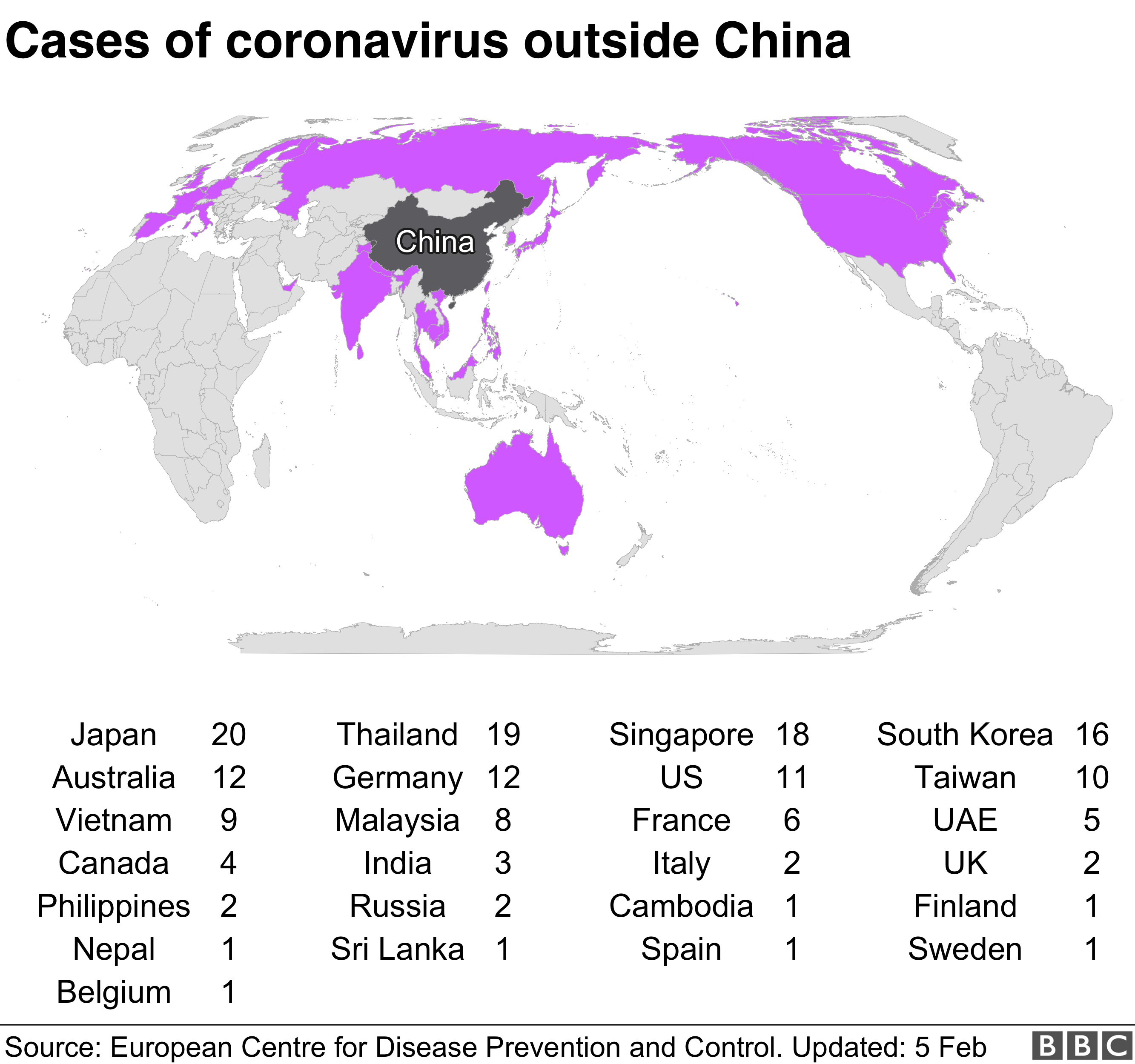
Ninety Nine percent (99%) of the 24,000+ cases and nearly all of the 490 confirmed deaths (with 2 exceptions, one in Hong Kong and one in the Philippines) so far have been in China.  Despite this, the WHO emergency declaration crucially allows for additional resources and support for lower and middle-income countries to strengthen their disease surveillance and prepare them for potential cases or outbreaks. At the present time, to the considerable credit of the Chinese response – partly arising of course from international condemnation of a less than transparent response to the SARS outbreak in 2003 – there are Herculean efforts and resources being devoted to containing the threat from the new pathogen.  This includes the drastic attempted quarantine of a whole region and the speed of construction of new facilities such as 1000 bed dedicated hospitals.


While 2019-nCoV seems to be less lethal than SARS, there is no doubt that it is clearly more transmissible with The World Health Organization stating that the preliminary R0 (reproduction number) estimate is 1.4 to 2.5, meaning that every person infected can potentially infect between 1.4 and 2.5 people (R0 for SARS being 0.19–1.08, with a median of 0.49)[4]. With the spectrum of clinical presentations ranging from mild respiratory illness to life threatening viral pneumonia, the health impact of the ongoing outbreak is very difficult to predict and unanswered questions abound. How many people may have shrugged off mild / virtually asymptomatic infections for instance is not possible to know until follow-up sero-conversion studies[5] can be used to estimate the burden of ‘silent infections’.

Aside from higher transmissibility, the more worrying aspect of 2019-nCov however is the reports of an incubation period of up to 14 days during which an infected individual might both be asymptomatic (displaying no evident symptoms that could be screened for) and also crucially, at the same time during this period, infectious and capable of transmitting the virus to new hosts. The potential 14 day incubation period without symptoms effectively means that the cases which are being confirmed at the present time merely reflect the ‘true burden of infection’ from two weeks ago. As a result we will only have any real sense of the effectiveness of Chinese efforts to contain the virus a fortnight after the stringent travel restrictions imposed around Wuhan province and other parts of China.

As many seasoned experts in these matters have cautioned, schooled as they have been by experience of previous episodes, predicting the behaviour of a newly emergent pathogen is a hazardous business and a great deal of uncertainty surrounds its likely route to potential pandemic status. A virus adapting to a new species host (in this case humans!) is an unstable entity and its defining characteristics today in terms of those who are most vulnerable and their risk of serious or life threatening illness may be very different in the weeks and months ahead.

Eventually of course, a virus keen on longevity in a new host needs to curb its pathogenicity[6] and ideally result in only mild symptoms that will reduce the attention it attracts from a host immune response. Many of the hundreds of viruses, including coronavirus subtypes that cause the common cold, once jumped the species barrier and evolved into relatively benign pathogens. Even the deadly “Spanish flu” epidemic of 1918[7], which killed around 60 million people Worldwide in 1918-1920 and comprised of the influenza subunits H1N1, circulates today in the form of seasonal flu in a genetic variant with greatly reduced lethality.

How serious the current outbreak will be in terms of impact and mortality remains to be seen. SARS of course was eventually successfully contained by stringent infection control, contact tracing and quarantine procedures. While 2019-nCov is not currently as life-threatening an illness as SARS, its greater transmissibility, longer incubation period and potential for symptomless transmission (SARS was only transmissible when symptomatic), do not bode well for ease of containment so it is hardly surprising that the WHO have seen fit to play their strongest card and declare it an emergency.

We can only hope that the response may be timely enough.


John Mooney worked previously for NHS Health Protection where he specialised in the epidemiology of respiratory infectious diseases.


References:
  1. Coronavirus declared global health emergency by WHO: https://www.bbc.co.uk/news/world-51318246
  2. Coronavirus: UK patient is University of York student: https://www.bbc.co.uk/news/health-51337400 
  3. 2019 Novel Coronavirus Basics: CDC FAQs: https://www.cdc.gov/coronavirus/2019-ncov/faq.html
  4. Emerg Infect Dis. 2004 Jul; 10(7): 1258–1263 https://www.ncbi.nlm.nih.gov/pmc/articles/PMC3323341/
  5. Seroconversion: The development of detectable antibodies in the blood that are directed against an infectious agent. Antibodies do not usually develop until some time after the initial exposure to the agent.
  6. Pathogenicity is defined as the absolute ability of an infectious agent to cause disease/damage in a host - an infectious agent is either pathogenic or not. From: Fenner and White's Medical Virology (Fifth Edition), 2017
  7. 1918 Pandemic (H1N1 virus): https://www.cdc.gov/flu/pandemic-resources/1918-pandemic-h1n1.html

Image 2: Capture from the BBC News website, 5 February 2020. Coronavirus: Ten passengers on cruise ship test positive for virus. Source: European Centre for Disease Prevention and Control. Updated 5 Feb. https://www.bbc.co.uk/news/world-asia-51381594.